From a Historic Inscription in Busan to the Responsibility of Safeguarding Humanity’s Heritage
In a report, the Ettelaat newspaper examines the historical, cultural, and strategic dimensions of the inscription of “Alamut Castle and its Associated Fortifications” on the UNESCO World Heritage List during the 48th session of the UNESCO World Heritage Committee in Busan, Republic of Korea. The report reviews the 25-year process of preparing the nomination dossier and presents the views of officials and experts. It also features an interview with Dr. Hassan Fartousi, Secretary-General of Iran’s National Commission for UNESCO, on the significance of the inscription and Iran’s responsibilities in safeguarding this World Heritage property.
The full text of the report is as follows:
Following 25 years of research, archaeological exploration, documentation, and sustained efforts by Iranian experts, the nomination of “Alamut Castle and its Associated Fortifications” was finally inscribed on the UNESCO World Heritage List during the 48th session of the UNESCO World Heritage Committee in Busan, Republic of Korea. This achievement marks one of Iran’s most significant cultural heritage successes in recent years, bringing a group of the country’s most valuable historic fortifications onto the UNESCO World Heritage List.
According to an *Ettelaat* correspondent, the inscription took place at a time when Iran had faced numerous challenges in the field of cultural heritage in recent months, including damage caused by war, threats arising from unsustainable development, and the risks posed by climate change. Nevertheless, after years of research and the preparation of scientific documentation, the nomination of “Alamut Castle and its Associated Fortifications” succeeded in securing the support of the members of the UNESCO World Heritage Committee.
In addition to the historic Alamut Castle, the nomination includes six associated fortresses: Lambesar, Nabizar Shah, Shams-Kalaye, Shirkuh, Ilan, and Qastinlar. Together, these mountain fortifications formed an integrated network for the defense, administration, and communications of the Ismaili state.
The global significance of this nomination extends far beyond the fame of Alamut Castle. Cultural heritage experts regard the complex as a rare example of the integration of defensive architecture, engineering, the strategic use of natural features, and systems of governance in medieval Iran. The fortresses’ locations atop the rugged heights of the Alborz Mountains, together with their use of water resources, storage facilities, and communication systems, make the complex one of the most remarkable examples of military architecture in the world.
The World Heritage Inscription of Alamut: Recognition of Iran’s Intellectual Legacy and Identity
Following the inscription of Alamut on the UNESCO World Heritage List during the 48th session of the UNESCO World Heritage Committee in Busan, Republic of Korea, Masoud Pezeshkian, President of the Islamic Republic of Iran, wrote on X:
“The inscription of Alamut on the World Heritage List is a recognition of part of Iran’s diverse and shared history. Cultural heritage can bring us together despite all our differences and remind us that Iran belongs to all Iranians.”
Seyed Reza Salehi-Amiri, Minister of Cultural Heritage, Tourism and Handicrafts, also congratulated the Iranian people, the people of Qazvin Province, and particularly the people of Alamut on this achievement in his remarks at the UNESCO plenary session, describing it as a symbol of the continuity of Iran’s civilizational identity.
The Minister of Cultural Heritage also expressed his appreciation to the members of the UNESCO World Heritage Committee, the UNESCO World Heritage Centre, ICOMOS, and the Government of the Republic of Korea for their cooperation and for hosting the session. He added that the 1972 World Heritage Convention is founded on the principle that cultural heritage belongs to all humanity, and that its protection is possible only through peace, mutual respect, and cooperation among nations.
Referring to Iran’s historical legacy, Salehi-Amiri stated: “With more than 7,000 years of civilization, over one million historical sites, 43,000 nationally registered sites, and 30 World Heritage properties, Iran is regarded as one of the world’s major centers of civilization.”
He also referred to the damage inflicted on the country’s historic sites during the recent attacks, stating: “In the attacks by the American-Zionist enemy against Iran, in addition to the martyrdom of more than 4,000 Iranians, 149 of the country’s historical and cultural sites, including five World Heritage properties, were damaged. Nevertheless, the protection of cultural heritage remains one of Iran’s main priorities.”
The Minister of Cultural Heritage emphasized: “Alamut is an essential link in the chain of developments in Iran’s architecture, engineering, and defense systems. Its inscription on the World Heritage List marks the beginning of an even greater responsibility for its protection, research, education, and the expansion of international cooperation.”
Inscribed Without Objection: A New Responsibility for Protection
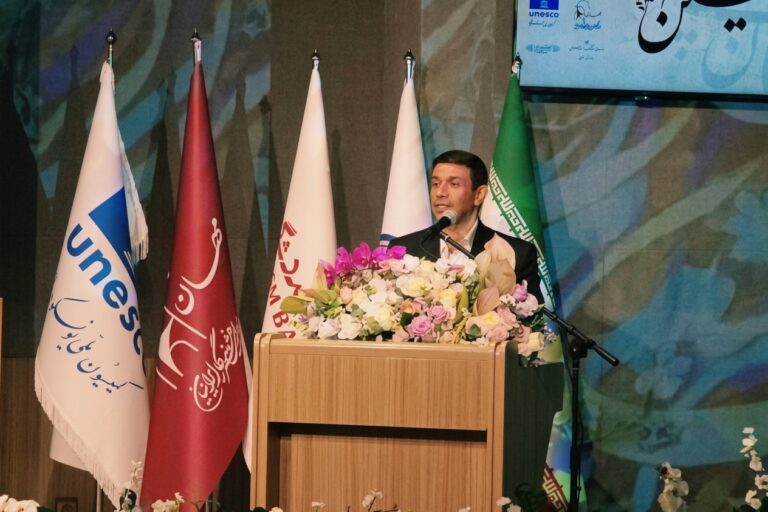
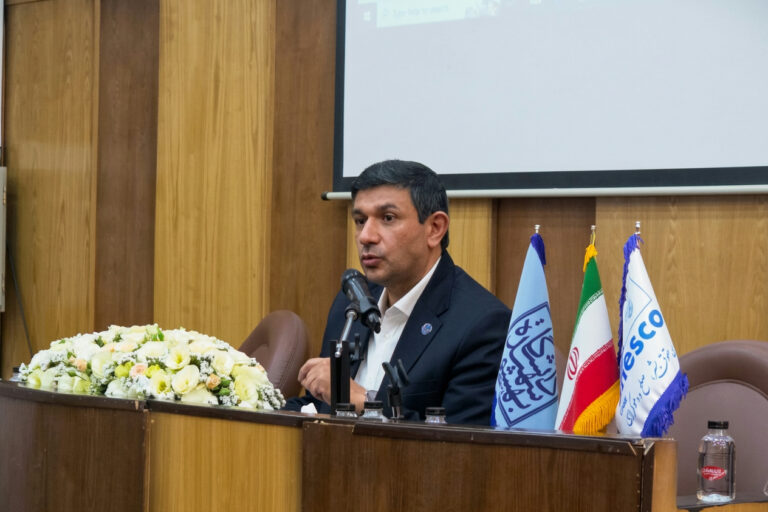
Dr. Hassan Fartousi, Secretary-General of Iran’s National Commission for UNESCO, who attended the Busan session, told an Ettelaat correspondent that the nomination had been approved without any objections. He stated: “Iran’s nomination was submitted with scientific documentation and detailed supporting evidence, and the members of the UNESCO World Heritage Committee approved its inscription without objection.”
He added: “The Alamut fortifications constitute a rare complex of at least seven historic castles, recognized as being of global significance for their architecture and construction techniques, as well as their historical and cultural values.”
Dr. Fartousi described the inscription of Alamut on the UNESCO World Heritage List as the beginning of a renewed commitment to safeguarding this heritage. He stated that this achievement could pave the way for the growth of cultural tourism, regional economic development, and greater international recognition of Iran’s historical potential.
According to the Secretary-General of Iran’s National Commission for UNESCO, the inscription of this complex on the UNESCO World Heritage List at a time when the country is facing various challenges represents a valuable opportunity to celebrate its cultural heritage and strengthen national solidarity. From now on, this heritage belongs not only to the people of Iran but is also part of the shared heritage of humanity.
The Fortress That Changed the Course of Iranian History
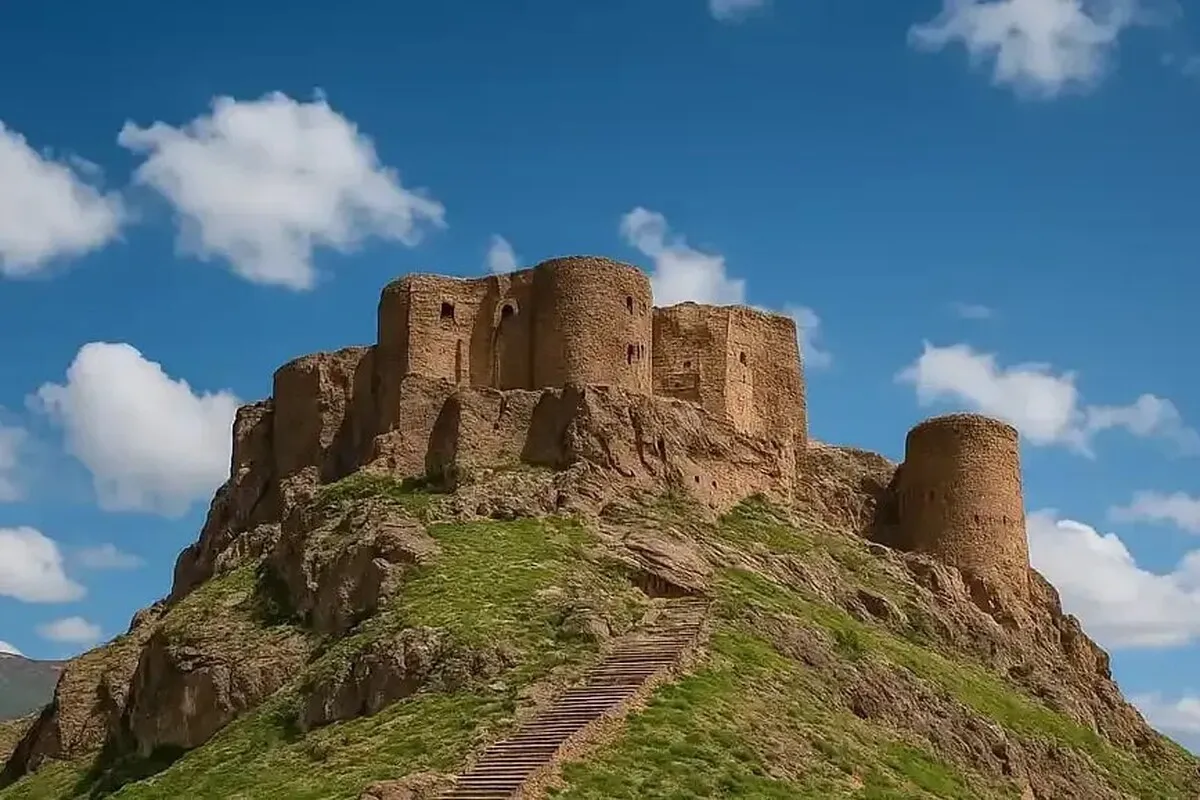
Alamut Castle stands atop a high rocky outcrop in the Alamut region of Qazvin Province and is considered one of Iran’s most famous historic fortresses. Its construction is believed to date back to the 9th century CE. In 1090 CE, the castle was captured by Hassan-i Sabbah, the leader of the Nizari Ismailis, and for nearly 170 years served as the seat of government and command of the dynasty.
Its exceptional natural setting, defensive fortifications, water and food storage systems, and architecture adapted to the mountainous terrain made Alamut one of the most impregnable fortresses in the Islamic world.
Although the castle fell in 1256 CE during Hulagu Khan’s Mongol invasion, and parts of it were destroyed, its surviving architectural remains and archaeological traces continue to bear witness to one of the most significant periods in Iran’s political and cultural history.