Iran and UNESCO Explore New Avenues for Cooperation on the Ethical Governance of Artificial Intelligence
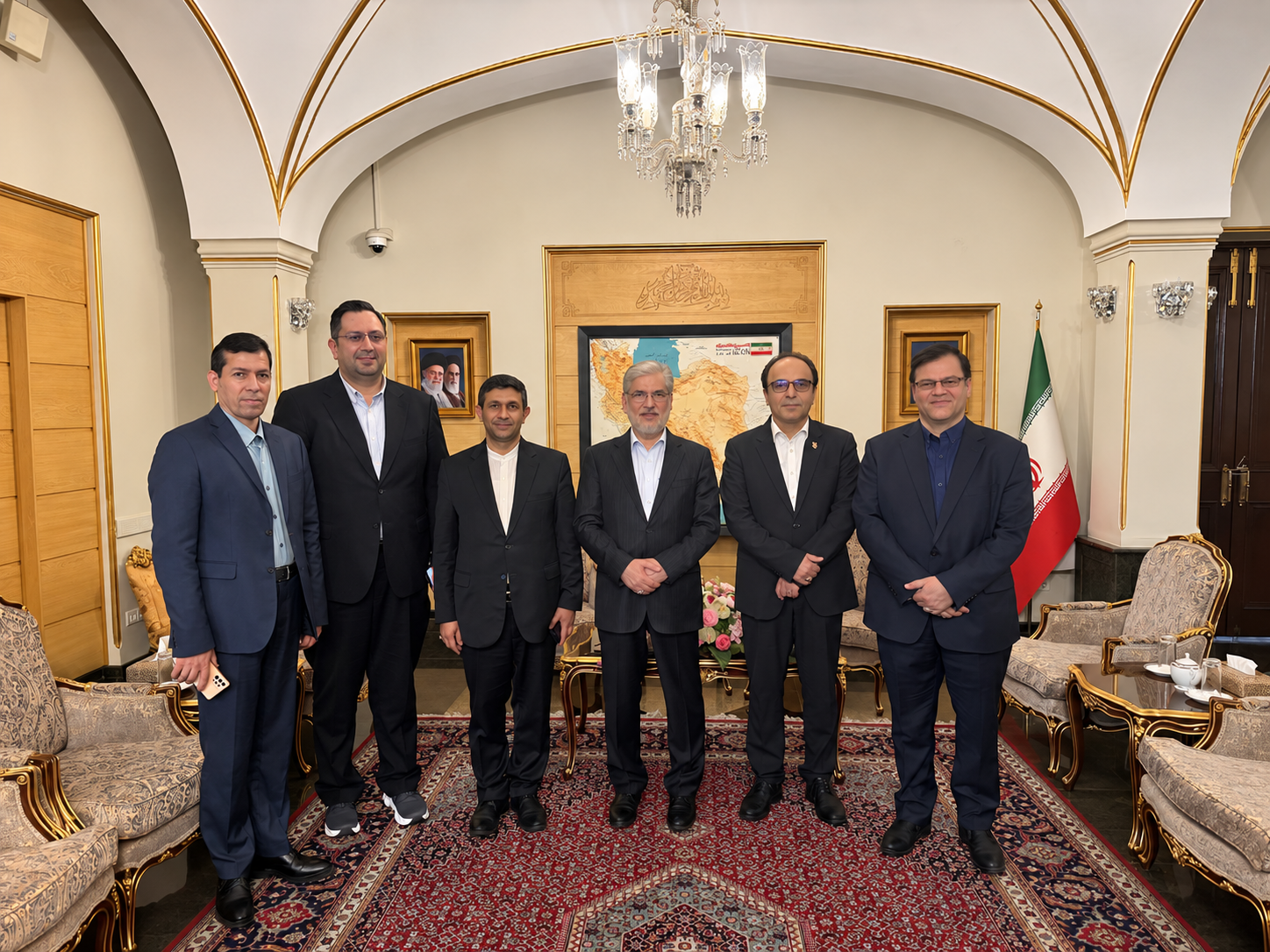
The Fourth Global Forum on the Ethics of Artificial Intelligence (GFEA) was held in Riyadh from 14 to 17 September 2026, hosted by UNESCO in cooperation with relevant Saudi institutions. The delegation of the Islamic Republic of Iran, headed by Dr. Hossein Simaei Sarraf, Minister of Science, Research and Technology and President of Iran’s National Commission for UNESCO, and accompanied by Dr. Hassan Fartousi, Secretary-General of Iran’s National Commission for UNESCO, attended the event.
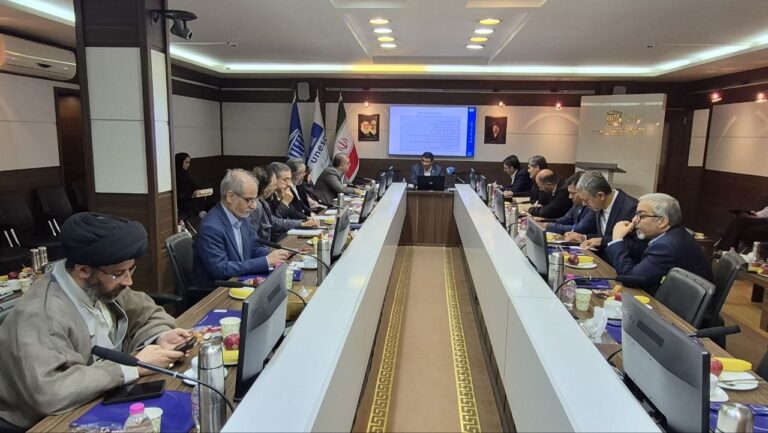
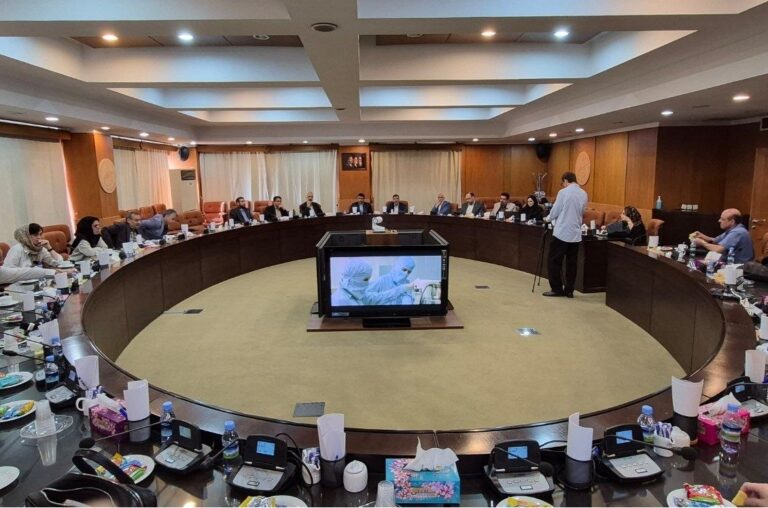
On the sidelines of the Forum, the Iranian delegation met with UNESCO’s Assistant Director-General for Science and officials from the Organization’s Secretariat, including the Head of the AI Ethics Team and the Chief of the Section for Social Transformations and Development. Discussions focused on expanding scientific and technological cooperation, AI readiness assessment, capacity-building, and the ethical applications of artificial intelligence in healthcare. The meeting also addressed the impact of sanctions and war on Iran’s access to science and technology, as well as the need to sustain scientific cooperation among countries.
UNESCO Highlights Iran’s Scientific Capacity
During the visit of the delegation of the Islamic Republic of Iran to Riyadh, on the sidelines of the Fourth Global Forum on the Ethics of Artificial Intelligence, Dr. Hossein Simaei Sarraf, Minister of Science, Research and Technology and President of Iran’s National Commission for UNESCO, accompanied by Dr. Hassan Fartousi, Secretary-General of Iran’s National Commission for UNESCO, and other members of the delegation, met with Mr. Abu Amani, UNESCO Assistant Director-General for Science.
At the meeting, the UNESCO Assistant Director-General for Science highlighted Iran’s scientific capacity and standing, emphasizing the country’s important role in UNESCO-related programs and centers. He also expressed the Organization’s readiness to cooperate on the responsible and ethical use of artificial intelligence.
The meeting also underscored the importance of drawing on existing capacities to expand scientific and technological cooperation and strengthen ties between Iranian scientific institutions and UNESCO.
Sanctions and War: Iran’s Concerns over Access to Science and Technology
Dr. Simaei referred to the extensive sanctions and attacks by the United States and Israel on Iranian universities and scientific centers, describing restrictions on access to science, education and technology as major challenges facing the country’s scientific community. He emphasized UNESCO’s role in mitigating the effects of these restrictions and helping sustain international scientific cooperation.
Ethics and Human Rights at the Heart of AI Governance
In another part of the discussions, the Minister of Science highlighted the human, social, ethical and legal dimensions of artificial intelligence, stressing the need to develop frameworks for responsible AI governance. Such frameworks, he noted, should take into account not only technological progress but also human rights, personal data protection, accountability and ethical considerations.
This issue is also aligned with the main themes of the Fourth Global Forum on the Ethics of Artificial Intelligence, which aims to support the implementation of UNESCO’s Recommendation on the Ethics of Artificial Intelligence and strengthen dialogue among governments, the scientific community, the private sector and civil society.
Iran and UNESCO to Cooperate on AI Readiness Assessment
Regarding cooperation on the AI Readiness Assessment Methodology (RAM), one of the main topics discussed at the meeting, UNESCO expressed its readiness to work with Iran on RAM and other tools for assessing the impact of artificial intelligence.
In light of UNESCO’s experience in this area, having worked with approximately 78 countries, it was agreed that follow-up on this cooperation would be pursued with the participation of the UNESCO Tehran Office.
From Bioethics to Artificial Intelligence in Healthcare
Healthcare was another key topic of the meeting. Dr. Bagher Larijani, representative of the Ministry of Health and Medical Education, President of the Research Center for Ethics and Medical History at Tehran University of Medical Sciences, and holder of the UNESCO Chair in Bioethics, outlined Iran’s capacities in bioethics and the applications of artificial intelligence in the healthcare system.
He also emphasized the potential to draw on and adapt UNESCO’s guidelines and recommendations, particularly in healthcare and the ethics of AI applications.
Universities, Industry and Knowledge-Based Companies at the Center of Cooperation
Strengthening scientific and technical capacities, expanding research cooperation, implementing bilateral programs and fostering stronger links between universities and industry were among the other issues discussed at the meeting.
In this regard, cooperation among universities, research centers and knowledge-based companies could provide a pathway for developing national capacities in artificial intelligence and translating research achievements into practical applications.
UNESCO Emphasizes the Freedom and Safety of Scientists
UNESCO Secretariat officials stressed the importance of maintaining connections among scientists regardless of political differences between countries, and highlighted the Organization’s work on the “Freedom and Safety of Scientists” program.
This approach was discussed within the broader framework of the Global Forum’s deliberations on the importance of international cooperation and inclusive participation in the governance of emerging technologies.
Another practical area identified during the meeting was the use of the UNESCO Tehran Office’s capacities to follow up on future cooperation in areas such as AI ethics, AI readiness assessment, capacity-building, education and AI applications in healthcare. These areas could be pursued through cooperation programs between Iran and UNESCO.
It is worth noting that the Iranian delegation’s participation in the Fourth Global Forum on the Ethics of Artificial Intelligence took place against the backdrop of the event’s focus on the role of international cooperation in shaping responsible and inclusive AI governance.
Launched in 2022, the Global Forum on the Ethics of Artificial Intelligence has previously been held in the Czech Republic, Slovenia and Thailand, providing a platform for countries to exchange experiences in AI policymaking and ethical governance. The 2026 edition, held in Riyadh, also focused on the links between governance, ethics and technological innovation.