Science Minister Emphasizes the Need for Ethical AI Governance
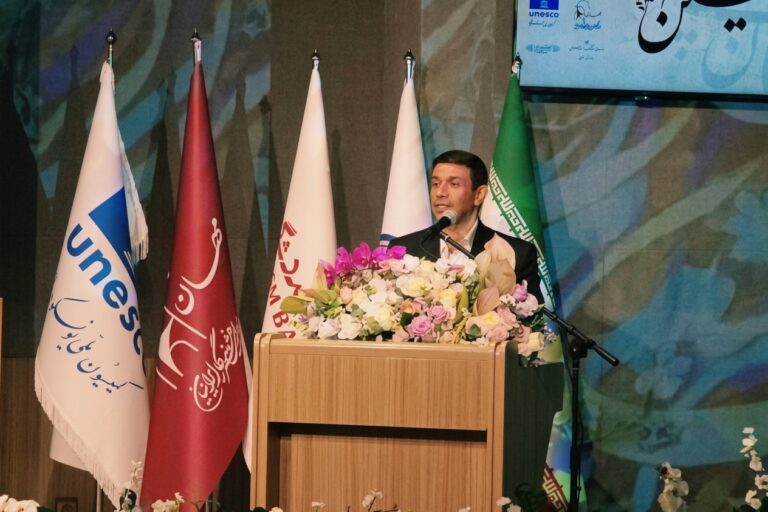
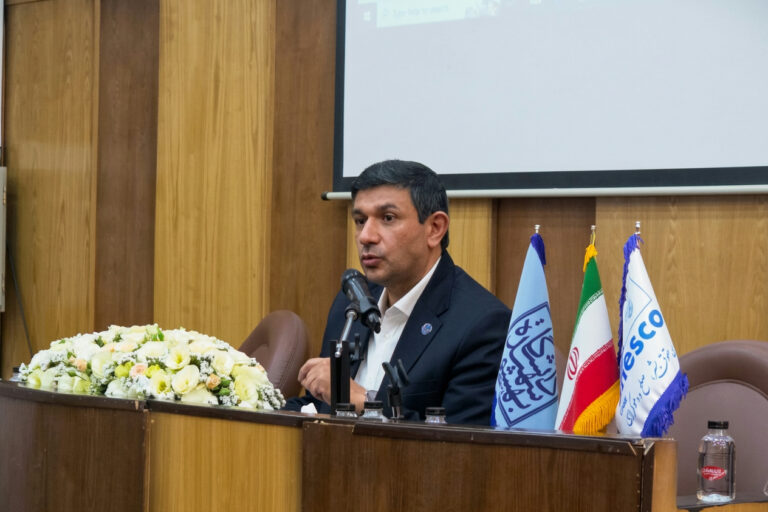
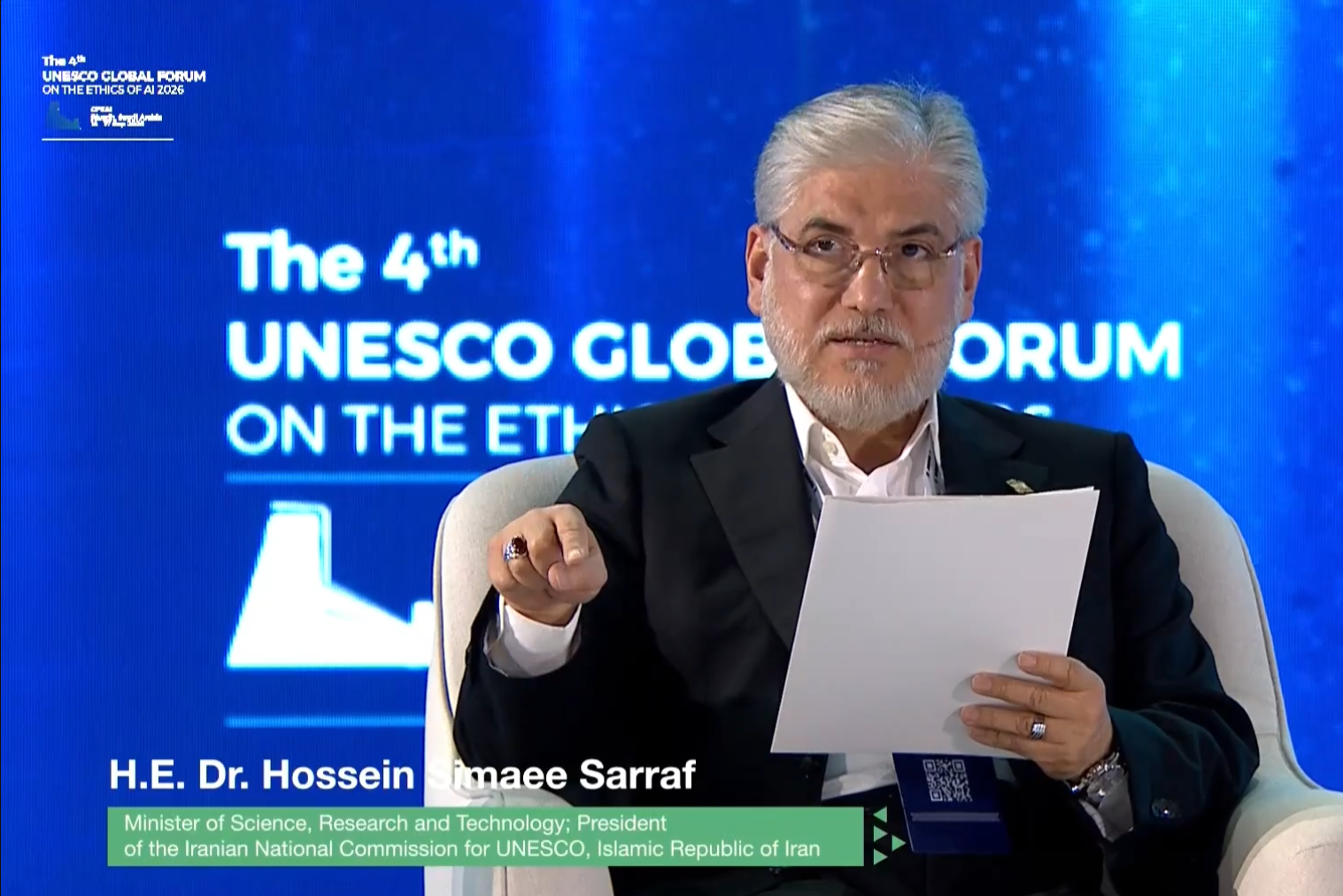
Dr. Hossein Simaei Sarraf, Minister of Science, Research and Technology and President of Iran’s National Commission for UNESCO, speaking at the Fourth Global Forum on the Ethics of Artificial Intelligence (GFEAI 2026) in Riyadh, stressed the need to give serious consideration to the ethical implications of emerging technologies. He emphasized that technology is not neutral and that artificial intelligence does not inherently operate fairly. Therefore, the development and use of AI must be guided by ethical principles and aimed at safeguarding human rights and freedoms.
Dr. Simaei warned that artificial intelligence could turn control over data into control over people, cautioning against the emergence of a form of “invisible dictatorship” as a result of the misuse of this technology. He stated that even surveillance must have limits. According to him, greater transparency and oversight of governments and those in positions of power are desirable. However, when surveillance targets ordinary citizens and tracks their behaviour, relationships and intentions, it can become a form of invisible dictatorship.
The Ethical Responsibility of Platforms in the Use of Artificial Intelligence
The Minister of Science highlighted the ethical responsibility of platforms and technology developers for the applications of artificial intelligence, stating that data are now being used in ways that violate human rights and even result in the deaths of children. Referring to the contradiction in the way AI is used, he noted that many chatbots refuse to answer questions about suicide, while the same technology can be used to identify and precisely target people with missiles.
Dr. Simaei also referred to the attack on a school in Minab, in which 168 students were killed while attending classes, emphasizing the need for deeper reflection on the ethical and human dimensions of technological applications.
Artificial Intelligence: An Opportunity to Expand Equitable Access
He identified inequality as another major challenge of the AI era, stating that artificial intelligence could widen existing gaps in knowledge and capabilities more than any previous technology. Therefore, an ethical framework for AI should not be limited to preventing harm, but should also ensure equitable access to the technology.
The Minister of Science stressed the importance of taking linguistic and cultural diversity into account in the development of artificial intelligence, stating that developing countries should have the opportunity to develop their own AI systems in ways that reflect their languages and cultures. He added that international organizations also have an ethical responsibility to help achieve this goal. Technology must serve humanity, and artificial intelligence should expand human freedom, not restrict it.
Emphasis on Synergies among Iran’s Scientific and Technological Capacities
Dr. Simaei went on to highlight Iran’s scientific and technological capacities, stressing the need for closer collaboration among universities, researchers, knowledge-based companies, and specialized policymaking and technical institutions. He underscored the importance of establishing mechanisms for effective cooperation, data exchange, shared use of infrastructure, and the translation of accumulated research into responsible solutions.
In conclusion, referring to the shifting priorities of the region, he stated: “Today, the foremost priority, not only for Iran but for the entire region, is to end unilateral coercive measures and establish peace in the region. These sanctions are unethical, and ensuring security and peace is a moral imperative.”
From Funding to Capacity-Building: A New Perspective on International Cooperation
Sessions held during the Fourth Global Forum also underscored the need to give greater attention to developing countries and the Global South, narrow gaps in digital infrastructure, computing capacity, data and specialized skills, and strengthen local capacities.
In this context, speakers emphasized that AI governance is not limited to government regulation, but requires the participation of governments, legislative bodies, universities, the private sector, researchers, technology providers, users and civil society.
In the area of “Funding and International Partnerships,” it was also emphasized that international cooperation in AI should not be limited to the provision of financial resources.
Based on the discussions, knowledge transfer, sustainable capacity-building, ownership and a shared vision, inclusive dialogue and accountability should form part of the framework for international cooperation in AI.
Iranian Delegation Participates in the Fourth Global Forum on the Ethics of Artificial Intelligence
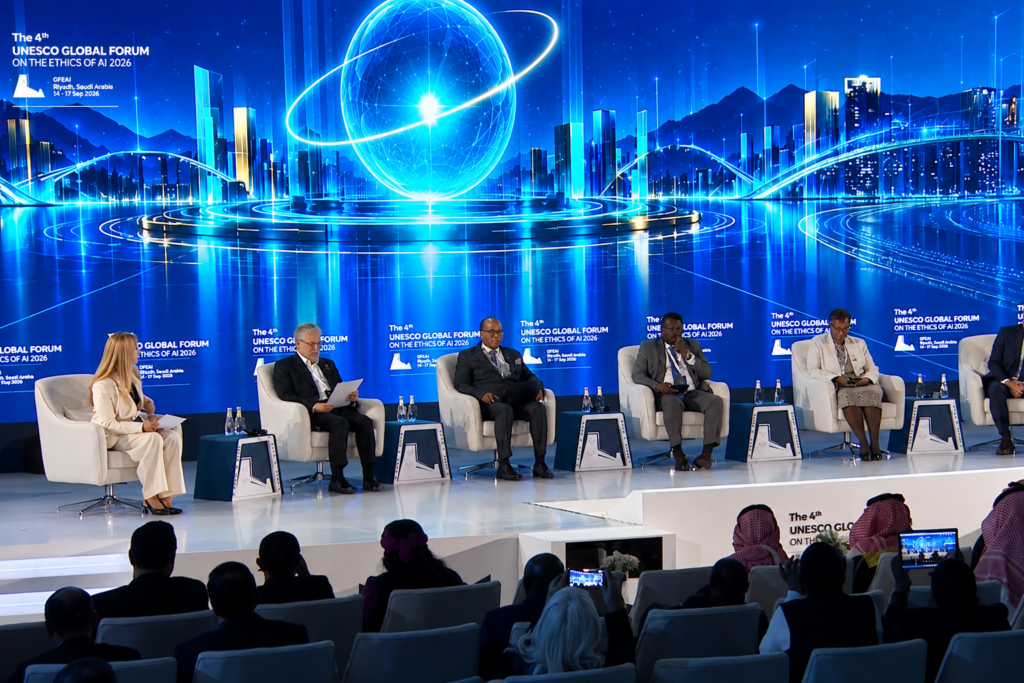
The Fourth Global Forum on the Ethics of Artificial Intelligence (GFEA) was held in Riyadh, Saudi Arabia, from 14 to 17 September 2026, hosted by UNESCO in partnership with the Saudi Data and Artificial Intelligence Authority (SDAIA) and the International Center for Research and Ethics of Artificial Intelligence.
The delegation of the Islamic Republic of Iran is participating in the Forum, headed by Dr. Hossein Simaei Sarraf, Minister of Science, Research and Technology and President of Iran’s National Commission for UNESCO, and accompanied by Dr. Hassan Fartousi, Secretary-General of Iran’s National Commission for UNESCO, as well as representatives of the Ministry of Foreign Affairs, the Ministry of Information and Communications Technology, the Ministry of Health and Medical Education, and the Vice-Presidency for Science and Technology.
Other members of the Iranian delegation attending the event include Dr. Bagher Larijani, Head of the Research Center for Ethics and Medical History at Tehran University of Medical Sciences and Chairholder of the UNESCO Chair in Bioethics; Dr. Mohammad Reza Hormozi Nejad, President of the National Science Foundation of Iran; and Mohammad Hafez Hekmi, Deputy Minister for Technology, Innovation and International Affairs at the Ministry of Information and Communications Technology.
Launched in 2022, the Global Forum on the Ethics of Artificial Intelligence has previously been held in the Czech Republic, Slovenia and Thailand, providing a platform for countries to exchange experiences in AI policy-making and ethical governance. The 2026 edition of the Forum in Riyadh is also being held with a focus on the links between governance, ethics and technological innovation.
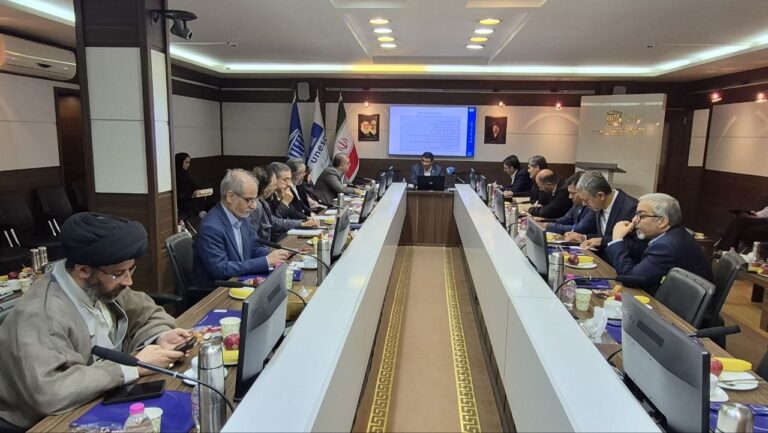
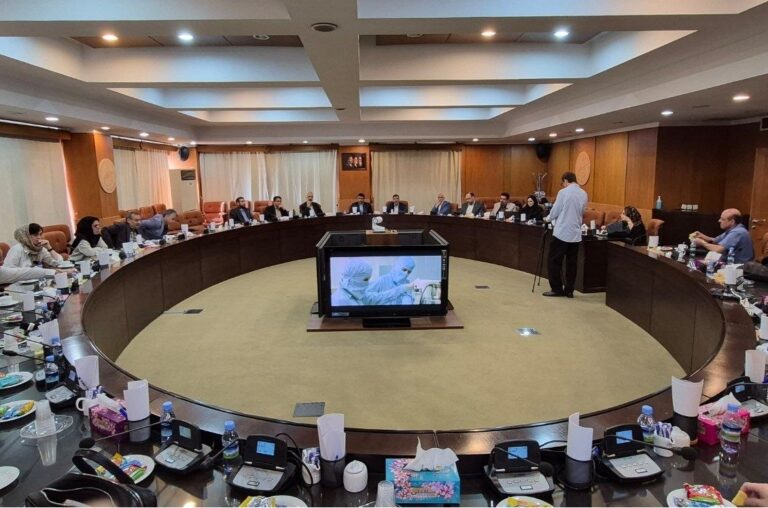
The meeting between the delegation of the Islamic Republic of Iran and UNESCO officials forms part of efforts to define and pursue avenues for cooperation in AI ethics and governance, readiness assessment, scientific capacity-building, and the application of this technology in areas such as healthcare.