Secretary-General of The Iranian National Commission for UNESCO: Iran’s Islamic-Iranian Heritage of Wisdom Offers Potential to Strengthen Intercultural Dialogue and Sustainable Peace
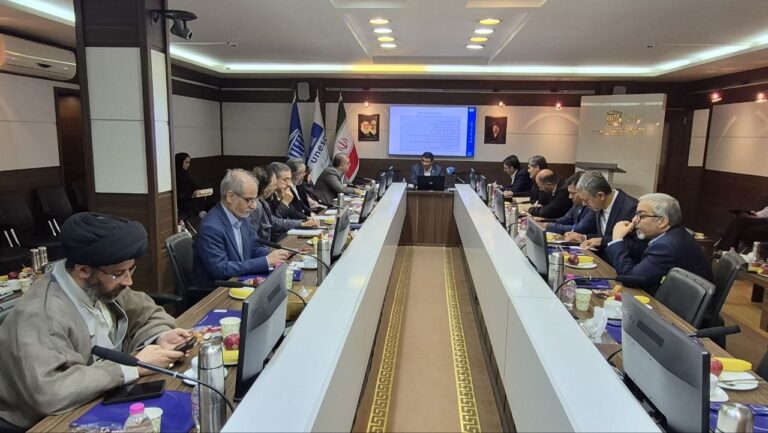
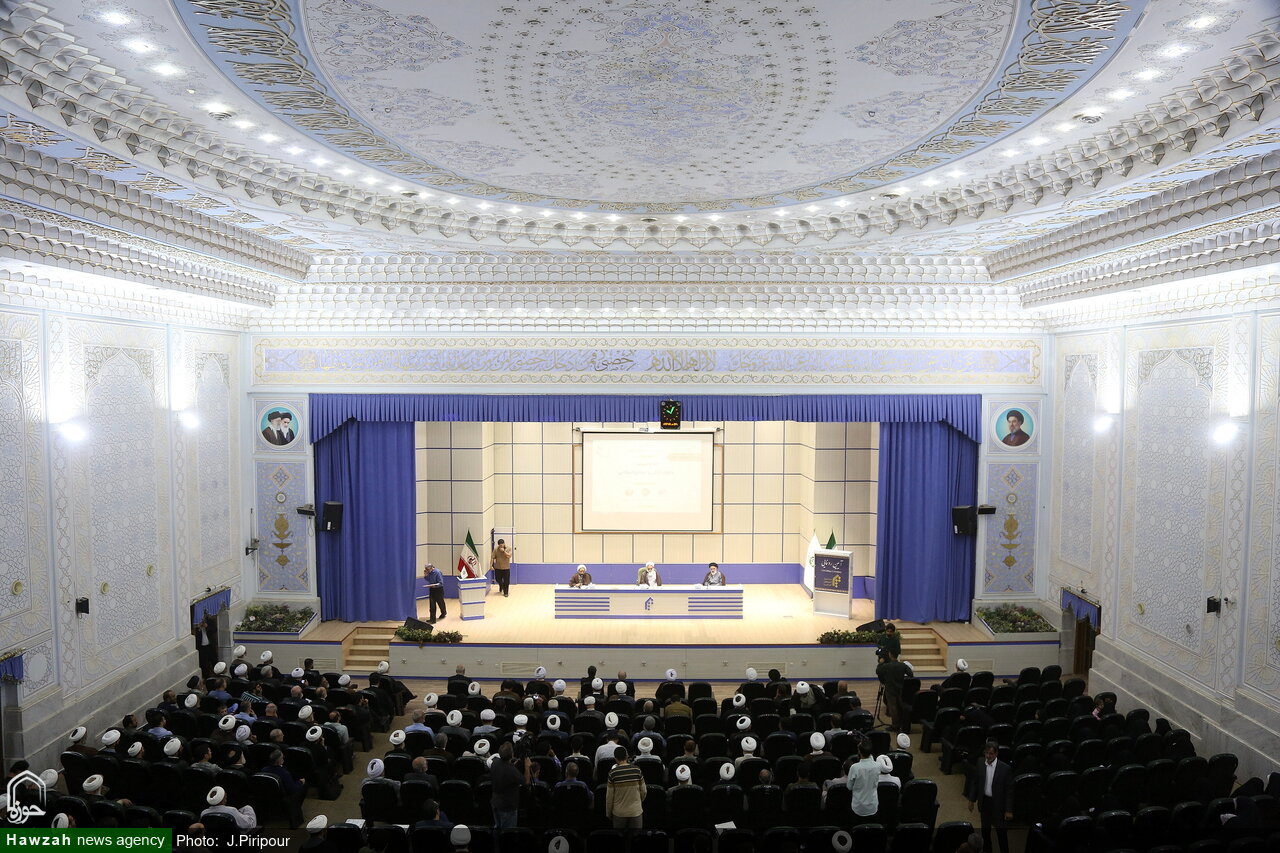
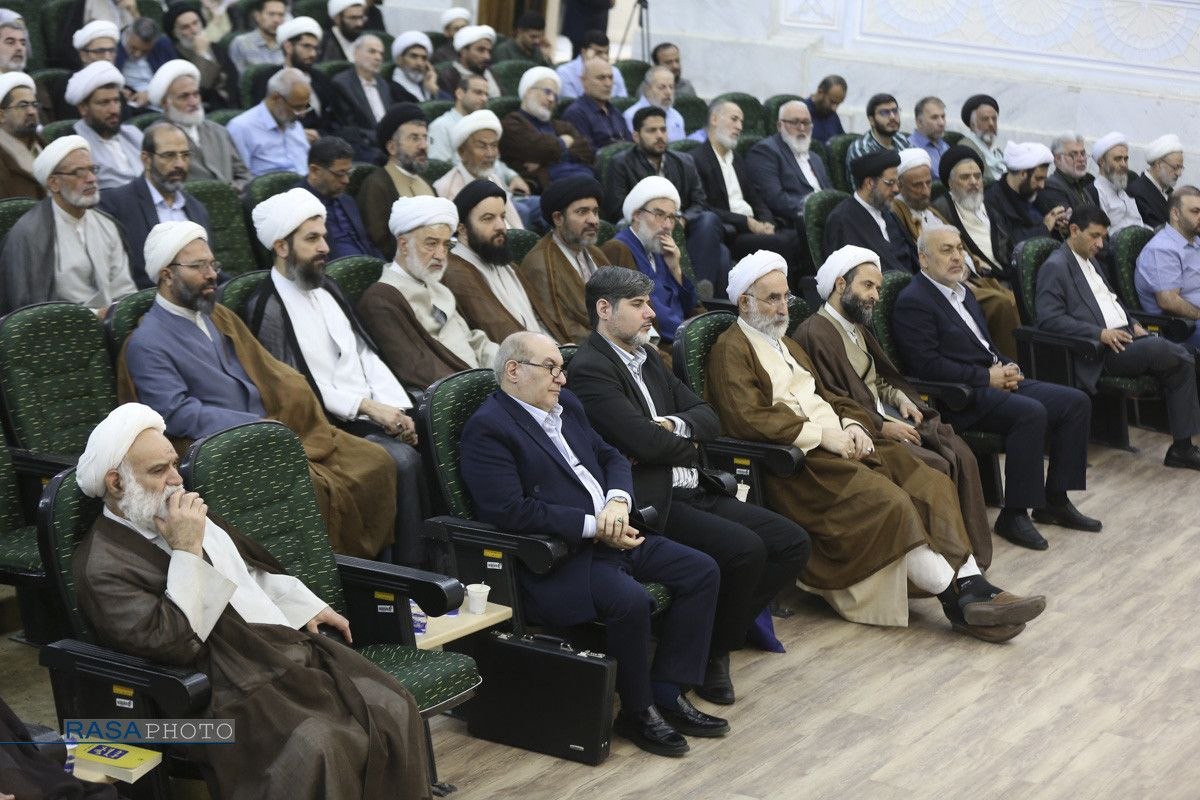
The commemoration marking the fifth anniversary of the passing of Allameh Hassan Hassanzadeh Amoli (may he rest in peace), entitled “The Martyred Imam: Rational Sciences and Islamic Mysticism,” was held on 15 October 2026 at the Imam Khomeini Higher Education Complex. Organized by the Supreme Council of Islamic Wisdom in cooperation with a number of academic and cultural institutions, the event was attended by a large gathering of seminary and university professors.
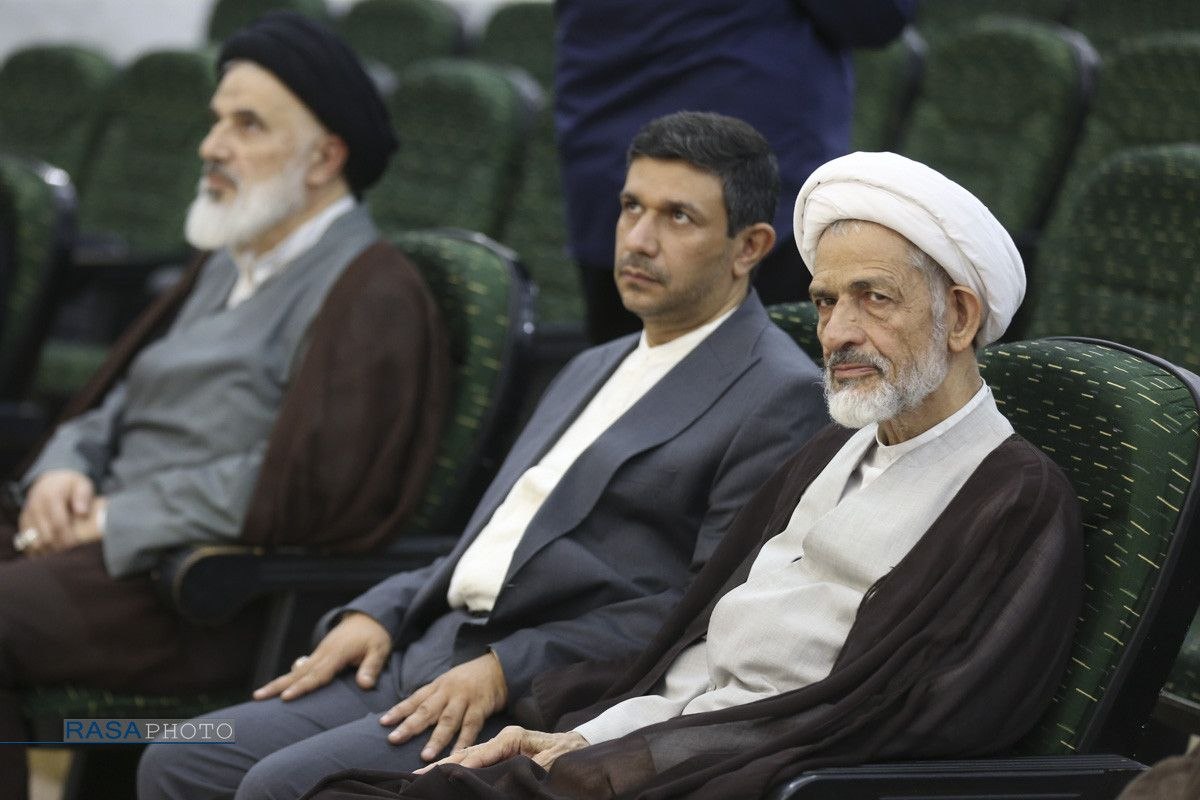
Ayatollah Hassan Ramazani, Professor of Philosophy and Mysticism at the Qom Seminary; Hojjatoleslam val-Moslemin Ali Amini-Nejad, Professor of Philosophy and Mysticism at the Qom Seminary; and Dr. Hassan Fartousi, Secretary-General of The Iranian National Commission for UNESCO, addressed the gathering.
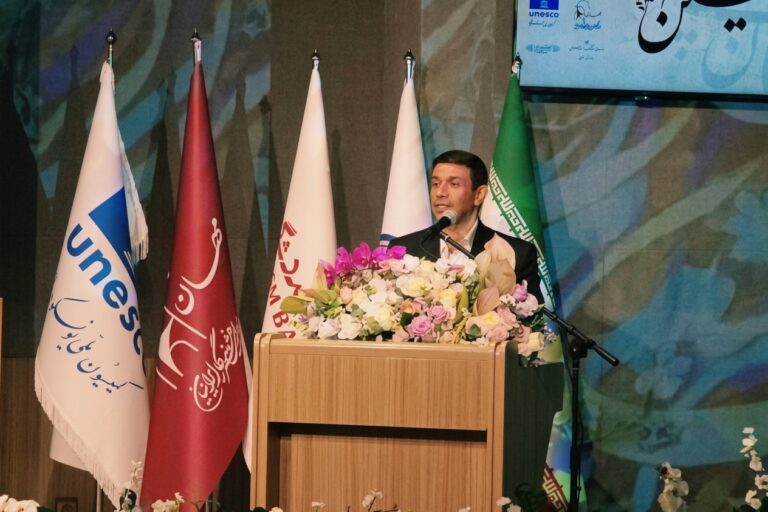
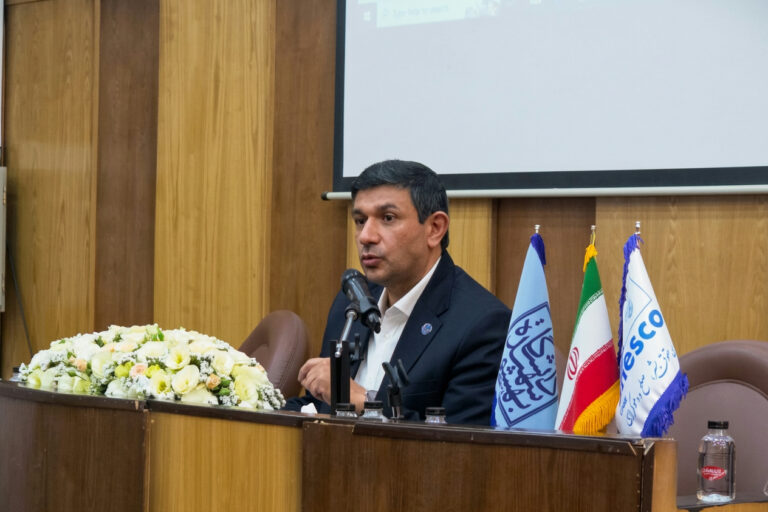
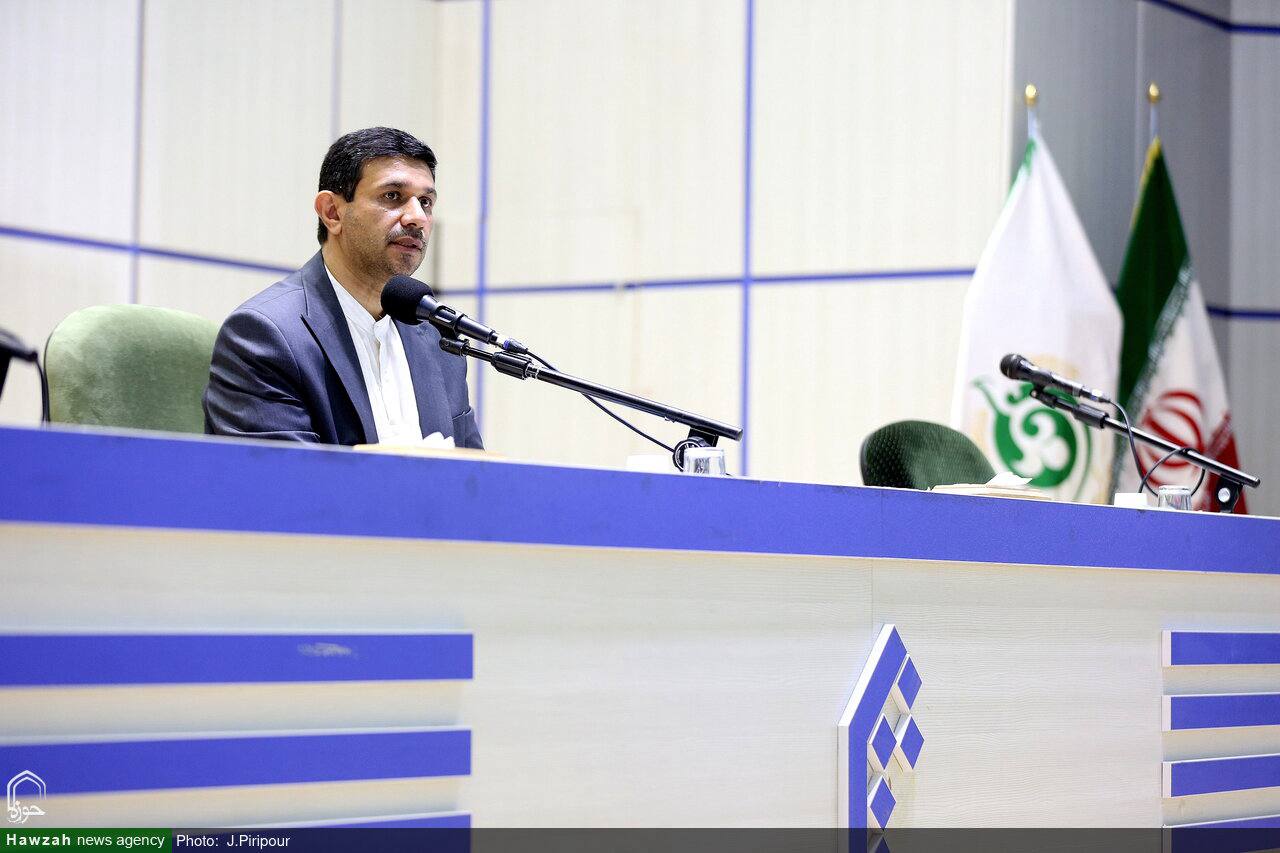
At the ceremony, Dr. Hassan Fartousi, Secretary-General of The Iranian National Commission for UNESCO, described the commemoration of Allameh Hassan Hassanzadeh Amoli (may he rest in peace) as going beyond the remembrance of an individual. He said that it offered an opportunity to reflect on his scholarly and spiritual legacy and its relevance to the needs of contemporary humanity and the future of humankind.
Emphasizing Allameh’s standing in the tradition of Islamic-Iranian wisdom, Dr. Fartousi described the breadth of his knowledge in philosophy, mysticism, religious sciences, mathematics and literature as a manifestation of a rich intellectual tradition in which knowledge and reason are intertwined with self-cultivation and ethical responsibility.
Referring to the historical interaction between Islamic-Iranian wisdom and diverse intellectual traditions, the Secretary-General of The Iranian National Commission for UNESCO described this legacy as part of humanity’s shared intellectual heritage. He stated that introducing this tradition to the world meant explaining and highlighting Iran’s contribution to the diversity and richness of human thought, rather than setting it against other cultures.
Dr. Fartousi added that achieving sustainable peace requires more than political arrangements; it also depends on mutual understanding among nations, expanded scientific cooperation, respect for cultural diversity and stronger intercultural dialogue. In this regard, the philosophical and spiritual heritage of nations can play an effective role in deepening dialogue and strengthening mutual understanding among societies.
Referring to the role of The Iranian National Commission for UNESCO in encouraging and coordinating scientific and cultural cooperation, facilitating the introduction of Iran’s intellectual heritage, and strengthening engagement between the country’s academic institutions and international networks, he stressed the need to ensure greater international recognition of prominent seminary figures and thinkers such as Allameh Tabataba’i and Allameh Muhammad Baqir al-Sadr. Their names and contributions have been recognized within the framework of UNESCO’s program of anniversaries of eminent personalities and historic events.
He went on to emphasize the need for practical measures to introduce and sustain Allameh’s intellectual legacy. Among the effective steps he identified were conducting well-documented research, translating selected works, strengthening cooperation among seminaries, universities and research institutions, organizing academic meetings and comparative dialogues between philosophical traditions, and transmitting this valuable legacy to younger generations through education and research.
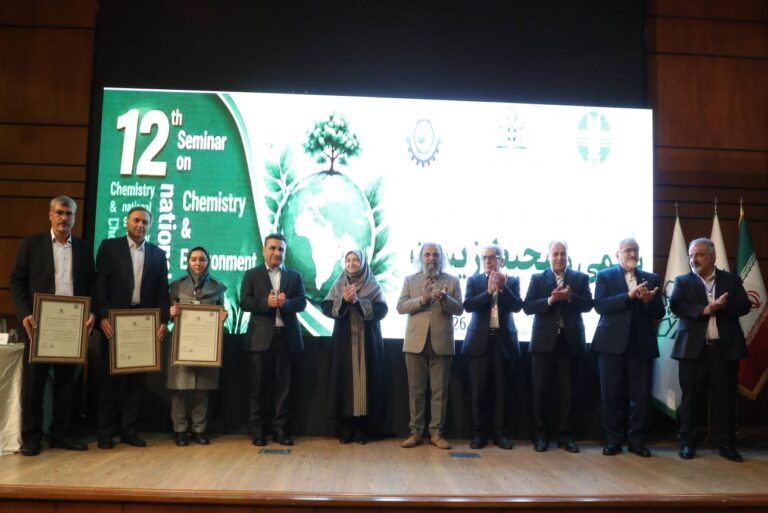
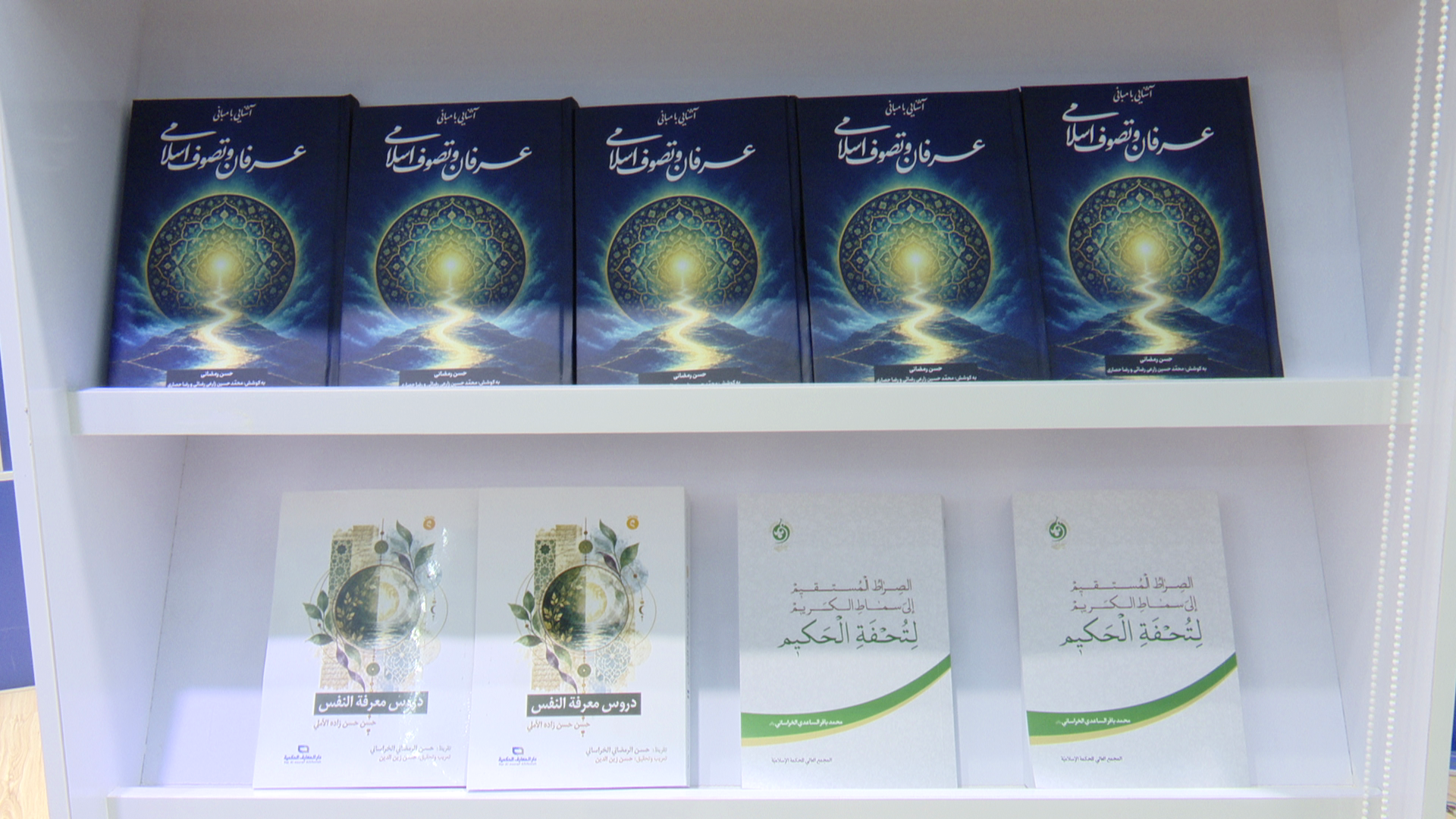
During the ceremony, three new publications on philosophy, mysticism and the thought of Allameh Hassan Hassanzadeh Amoli were unveiled.
It is worth noting that other speakers at the ceremony included Hojjatoleslam val-Moslemin Mehdi Mahdavi-Pour, Representative of the Supreme Leader in Africa; Hojjatoleslam val-Moslemin Ali Amini-Nejad, Professor of Philosophy and Mysticism at the Qom Seminary; and Homayoun Hemmati, former diplomat and university professor.