25th Anniversary of the Adoption of the Convention on the Protection of the Underwater Cultural Heritage Commemorated; Emphasis on the Need for National Synergies and Regional Cooperation to Protect Underwater Cultural Heritage
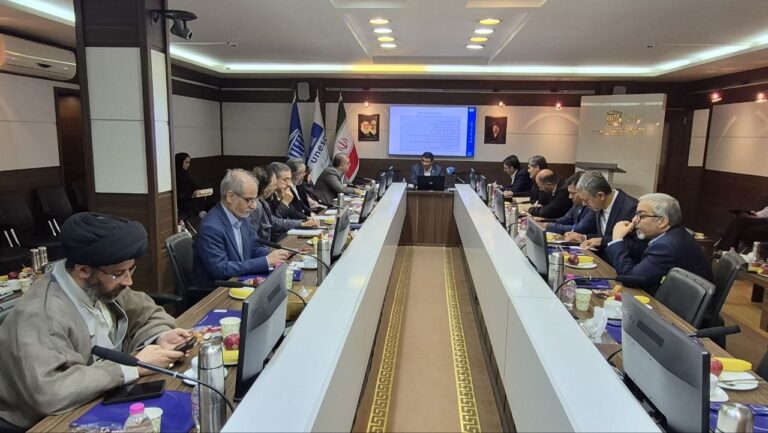
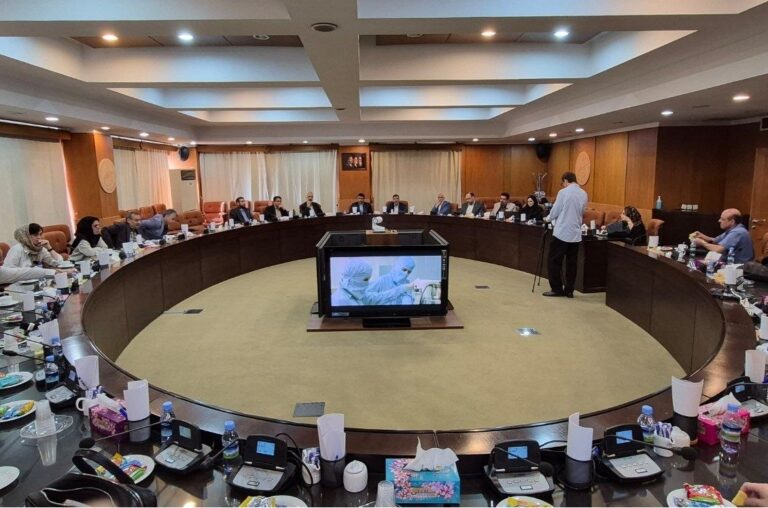
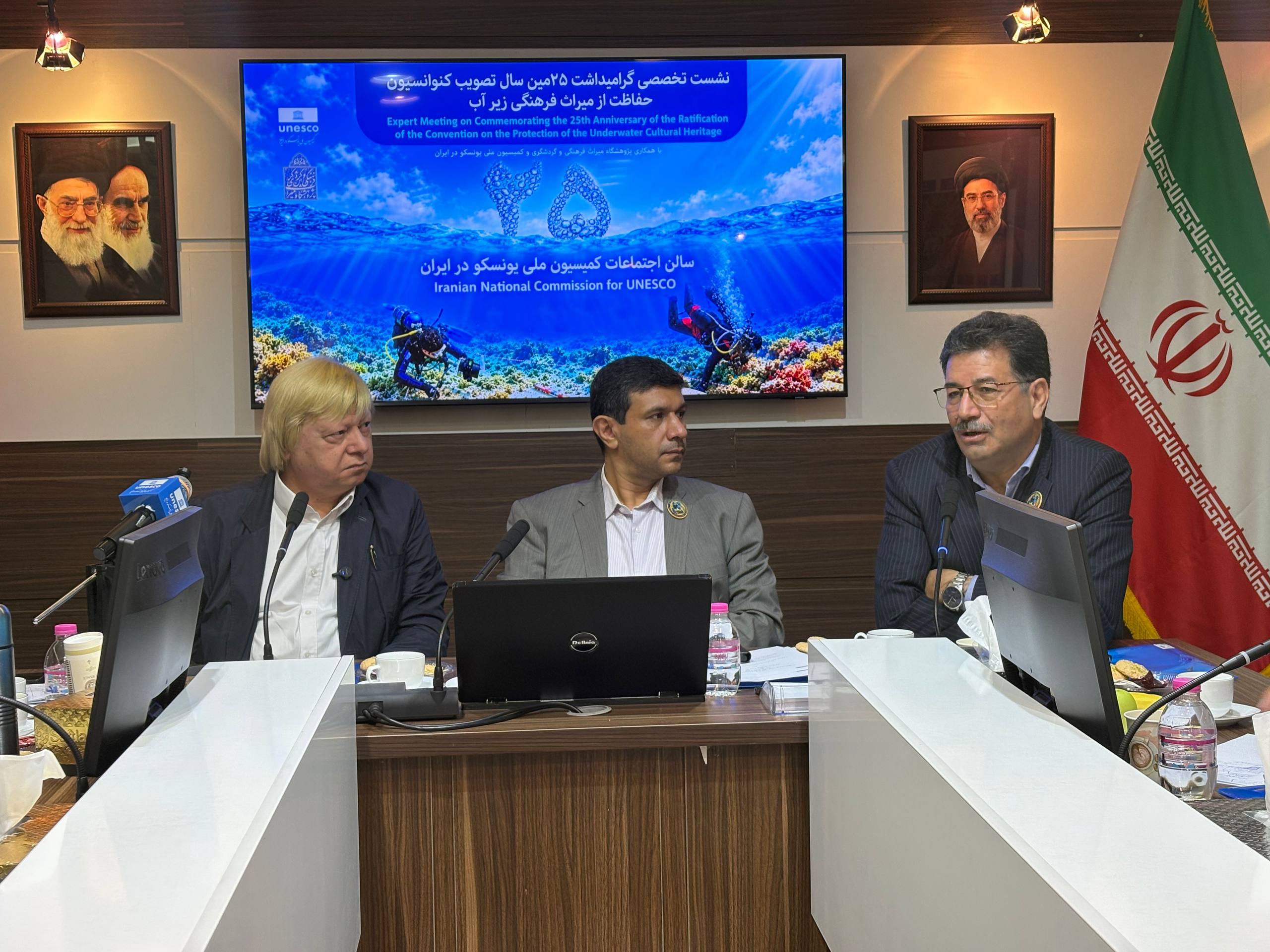
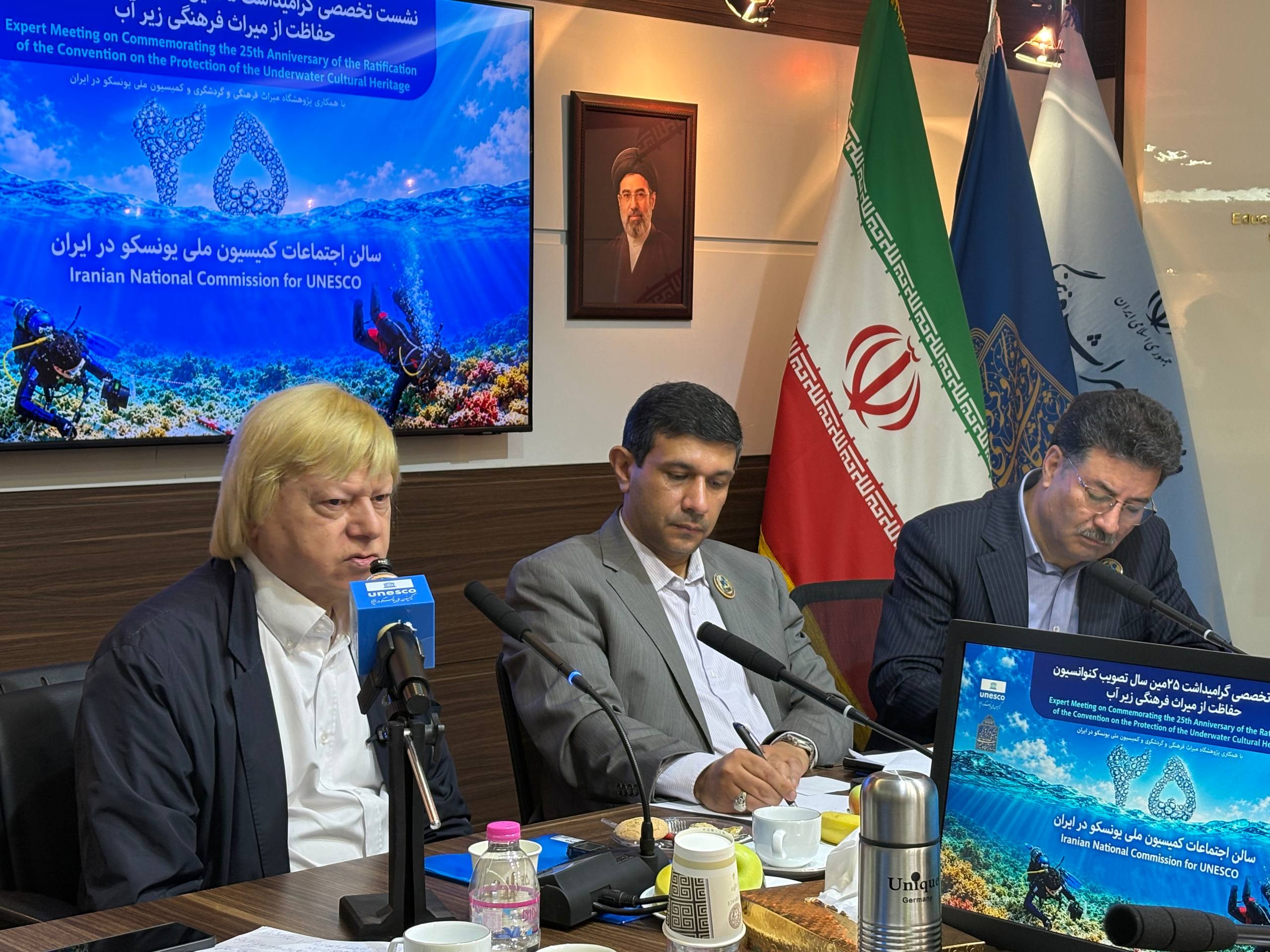
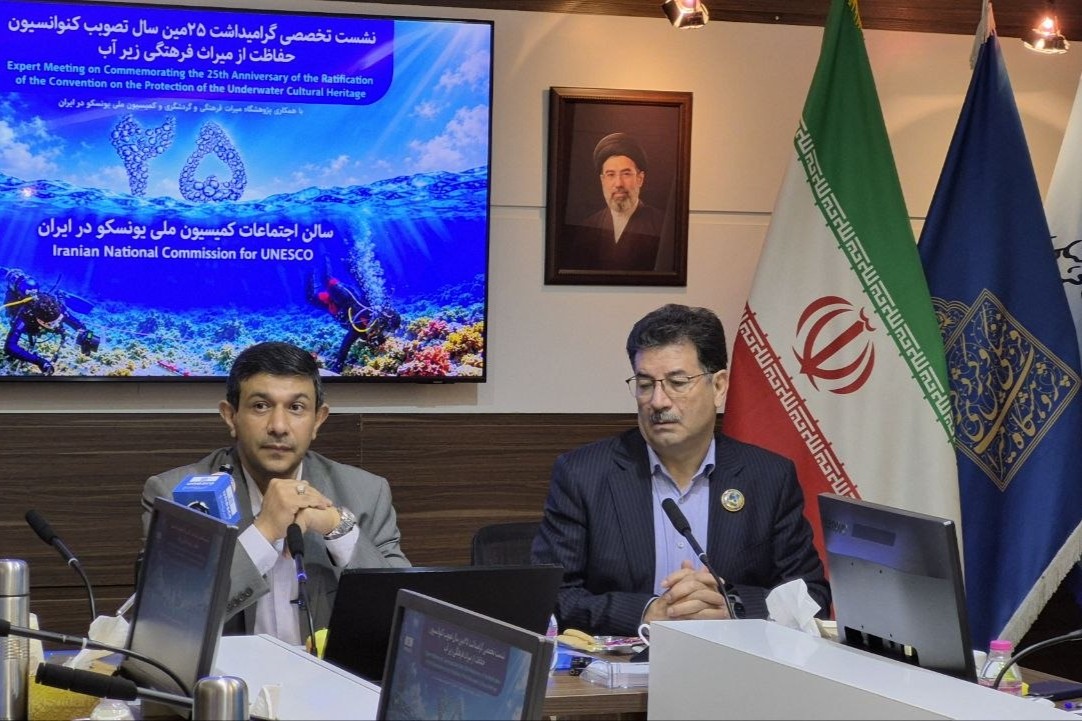
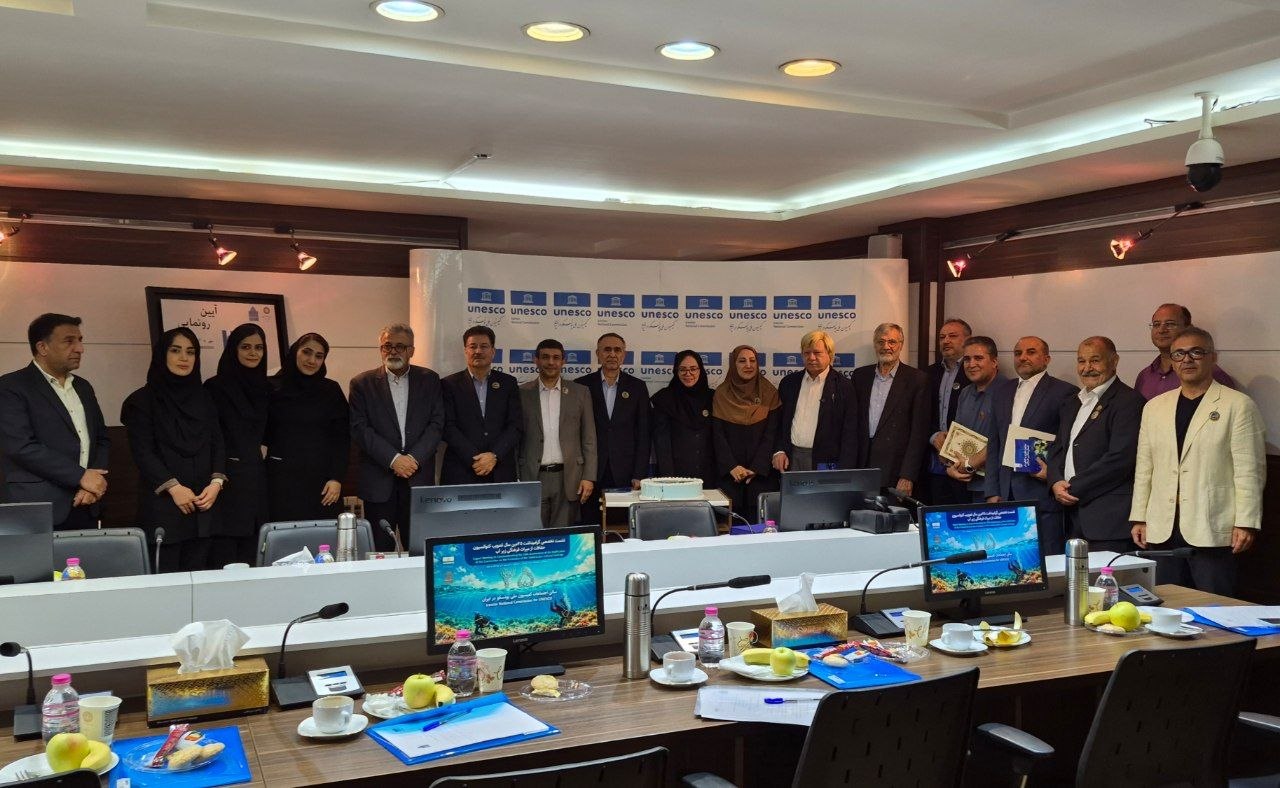
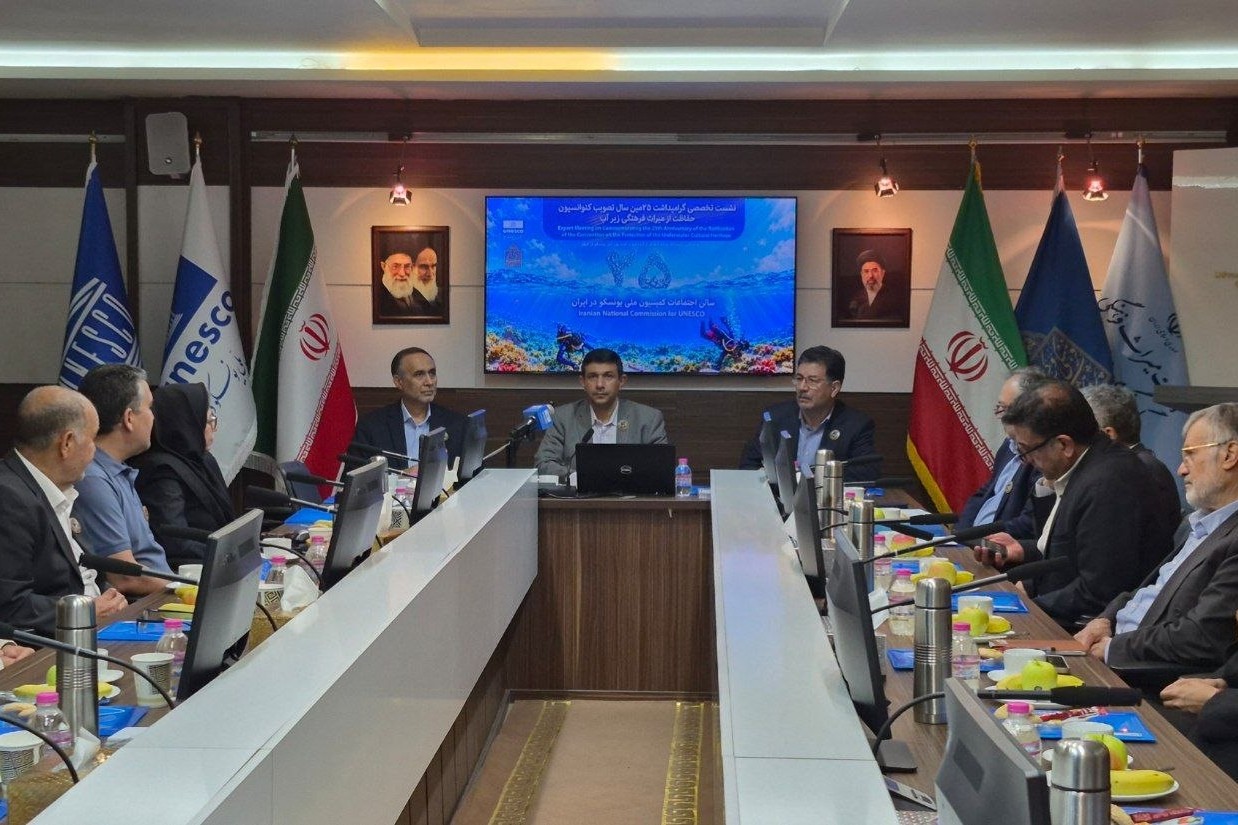
The commemoration of the 25th anniversary of the adoption of the Convention on the Protection of the Underwater Cultural Heritage was held on 18 October 2026 at the Conference Hall of The Iranian National Commission for UNESCO, in collaboration with The Iranian National Commission for UNESCO and the Research Institute of Cultural Heritage and Tourism.
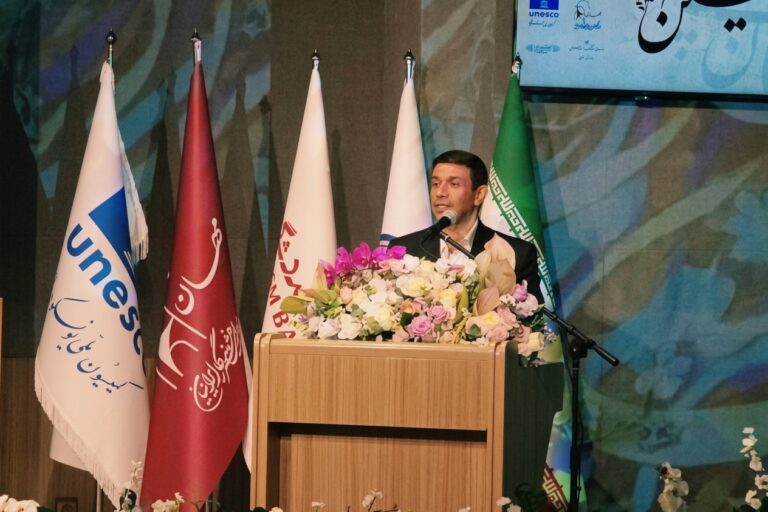
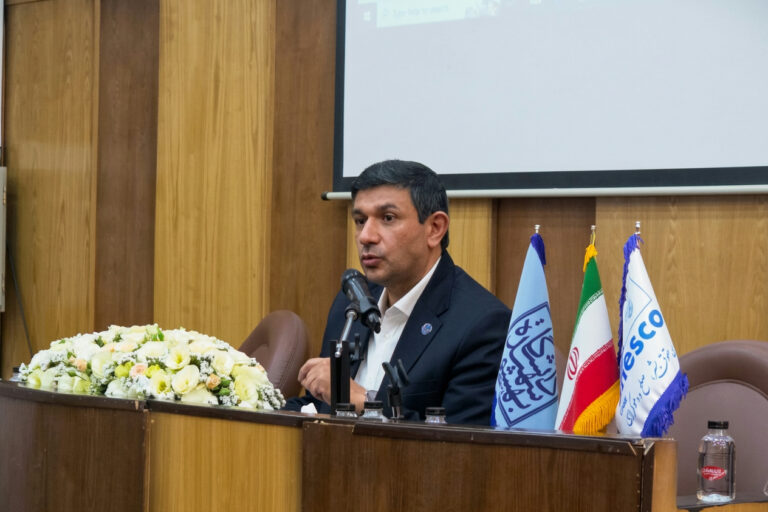
The opening session featured addresses by Dr. Hassan Fartousi, Secretary-General of The Iranian National Commission for UNESCO; Ms. Krista Pikkat, Secretary of the 2001 Convention on the Protection of the Underwater Cultural Heritage; Dr. Tavakol Habibzadeh, Head of the Center for International Legal Affairs of the Presidential Office; Dr. Ali Haji-Lari, Deputy Director-General for International Specialized Organizations at the Ministry of Foreign Affairs; Eng. Seyed Mohammad Beheshti, Member of the National Committee for Cultural and Natural Heritage of The Iranian National Commission for UNESCO; and Dr. Mohammad Ebrahim Zarei, Head of the Research Institute of Cultural Heritage and Tourism.
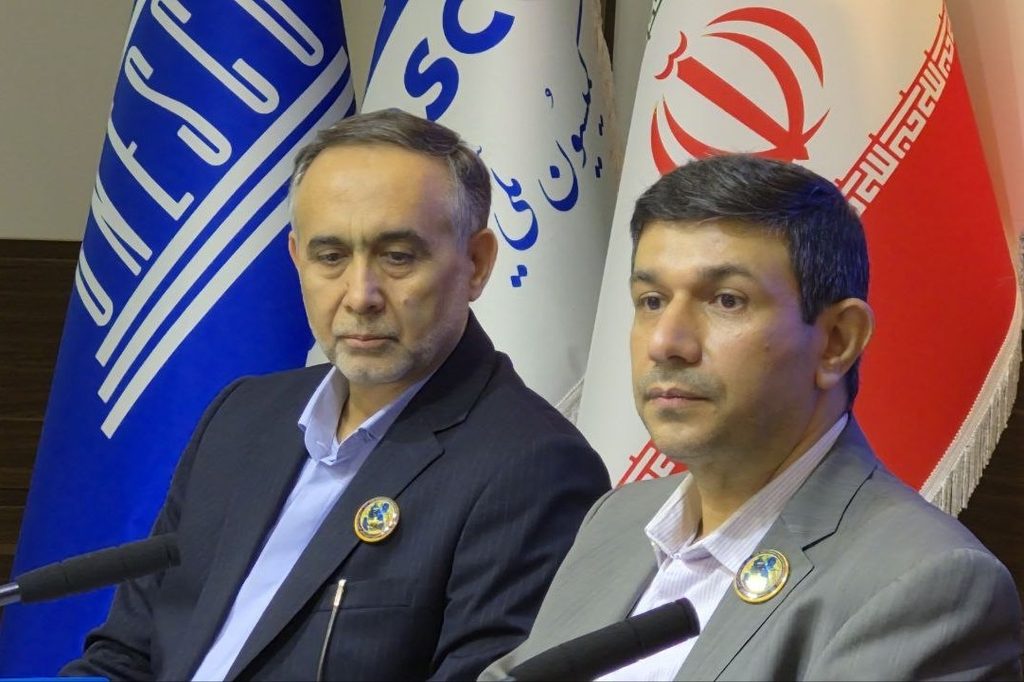
Secretary-General of The Iranian National Commission for UNESCO Emphasizes National and Regional Cooperation
At the beginning of the ceremony, Dr. Hassan Fartousi welcomed the participants and specialists in underwater archaeology and international law. Referring to the historical, cultural, economic and livelihood significance of the country’s seas, from the Persian Gulf and the Sea of Oman to the Caspian Sea, he emphasized that protecting underwater cultural heritage, including archaeological sites, shipwrecks and historical remains, requires close cooperation among archaeologists, legal experts and relevant authorities.
The Secretary-General of The Iranian National Commission for UNESCO noted the limited attention given to UNESCO’s 2001 Convention in Iran and around the world. He stressed the need to draw on the capacities of academic and research centers, the Oceanography Center, international scientific networks, military institutions and executive bodies.
Dr. Fartousi also underscored the importance of expanding cooperation with neighboring countries to ensure the effective protection of shared underwater cultural heritage and prevent the destruction and looting of cultural property. He noted that legal frameworks play a significant role not only in protecting cultural heritage and resolving disputes, but also in facilitating its greater use.
Emphasizing the importance of pursuing legal action to secure the return of cultural property unlawfully removed from its place of origin, he highlighted the need to consider both domestic and international law. He described the role of archaeologists as identifying gaps and needs within the domestic legal framework and bringing them to the attention of the legal community.
In conclusion, Dr. Fartousi highlighted the links between cultural heritage protection, the country’s historical identity and geography. He described archaeology as extending beyond the study of material remains to serve as a means of understanding the identity and historical continuity of nations. He expressed hope that the meeting would lead to scientific and practical solutions to strengthen the protection of underwater cultural heritage in Iran.
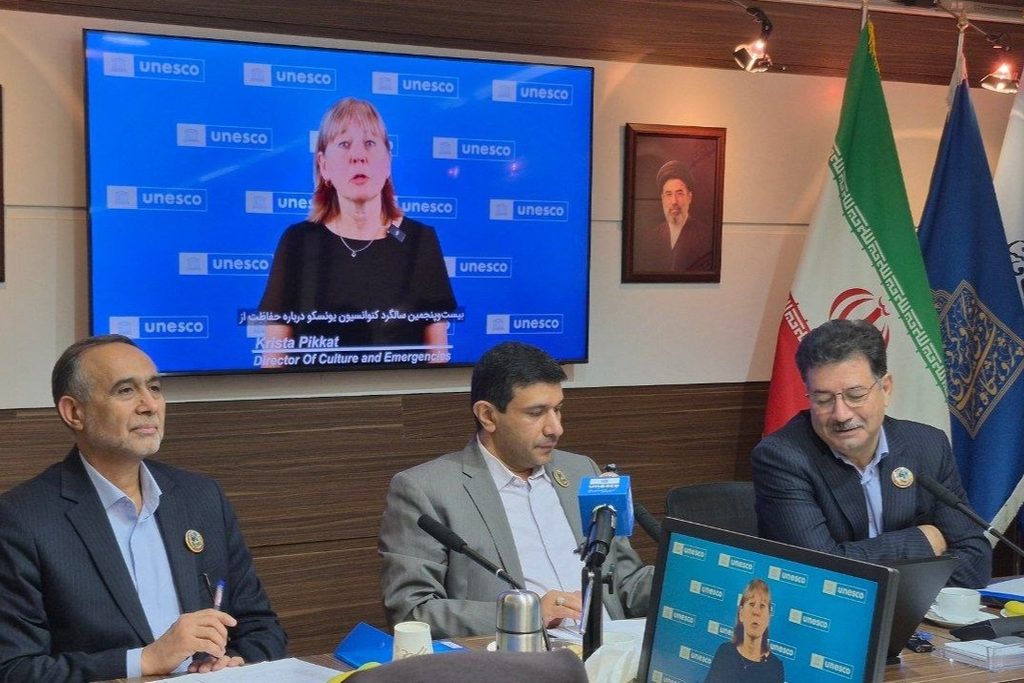
Message from the Secretary of the 2001 UNESCO Convention on the Importance of Protecting Underwater Cultural Heritage
Ms. Krista Pikkat, Secretary of the 2001 Convention on the Protection of the Underwater Cultural Heritage, also addressed the event through a video message, expressing her appreciation to The Iranian National Commission for UNESCO and the Research Institute of Cultural Heritage and Tourism for organizing the specialized meeting. She described underwater cultural heritage as an important part of the shared memory of humanity and a reflection of the historical relationship between communities and aquatic environments.
In her message, the Secretary of the 2001 Convention highlighted the role of underwater cultural heritage in understanding past civilizations, strengthening cultural identity and gaining insight into historical interactions among nations. She stated that Iran’s maritime history had long served as a pathway for trade and peaceful exchange. This rich history of trade and cultural exchange along Iran’s coastlines, from the Caspian Sea to the Persian Gulf, provides valuable opportunities for research and the protection of this heritage.
Referring to advances in marine technologies, digital documentation and the development of underwater tools, Ms. Pikkat described these developments as new opportunities to study, identify and protect underwater cultural heritage. At the same time, she identified climate change, coastal development, marine pollution, mass tourism and illegal activities as among the major threats facing this heritage.
In conclusion, she expressed hope that the meeting would promote the exchange of knowledge and expertise, encourage new initiatives in underwater archaeology, heritage protection and education, and pave the way for stronger international cooperation.
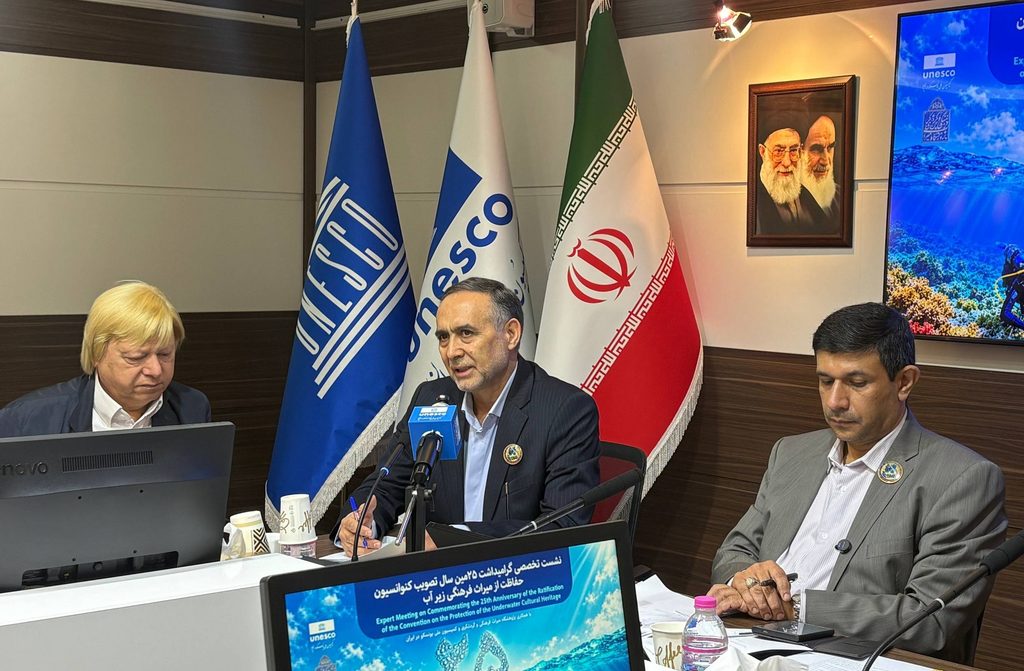
Explaining the Legal Dimensions of Underwater Cultural Heritage Protection
Dr. Tavakol Habibzadeh, Head of the Center for International Legal Affairs of the Presidential Office, discussed the relationship between the legal frameworks of the 2001 Convention on the Protection of the Underwater Cultural Heritage and the 1982 United Nations Convention on the Law of the Sea. He noted that, given the inability of the 1982 Convention to address all the needs relating to the protection of underwater cultural heritage, the 2001 Convention serves as a complementary instrument.
The university professor went on to highlight the innovative features of the 2001 Convention, identifying its definition of underwater cultural heritage as one of its key contributions. He explained that, under the Convention, traces of human existence, including sites, structures and remains, that are of a cultural, historical or archaeological character and have been partially or wholly submerged underwater, continuously or intermittently, for at least 100 years fall within the definition of underwater cultural heritage.
Emphasizing the importance of the cultural links between States in relation to heritage discovered underwater, Dr. Habibzadeh also addressed the need to respect States’ rights and their shared responsibility for protecting the underwater cultural heritage of humanity, as well as the respect for States’ sovereignty over underwater cultural property and heritage under the Convention.
Dr. Ali Haji-Lari, Deputy Director-General for International Specialized Organizations at the Ministry of Foreign Affairs and the fourth speaker at the ceremony, outlined the fundamental principles of the 2001 Convention. He noted that the Convention emphasizes in situ protection, development, education, the expansion of international and regional cooperation, and the prevention of the destruction and looting of underwater cultural heritage, as well as efforts to counter its illicit appropriation.
He further stated that engaging with countries in the region and UNESCO to benefit from opportunities for education and research, strengthening national mechanisms, identifying and documenting underwater cultural heritage, conducting research, coordinating efforts among institutions and countries, expanding scientific cooperation and building specialized capacities in underwater heritage protection are among the Ministry’s key priorities.
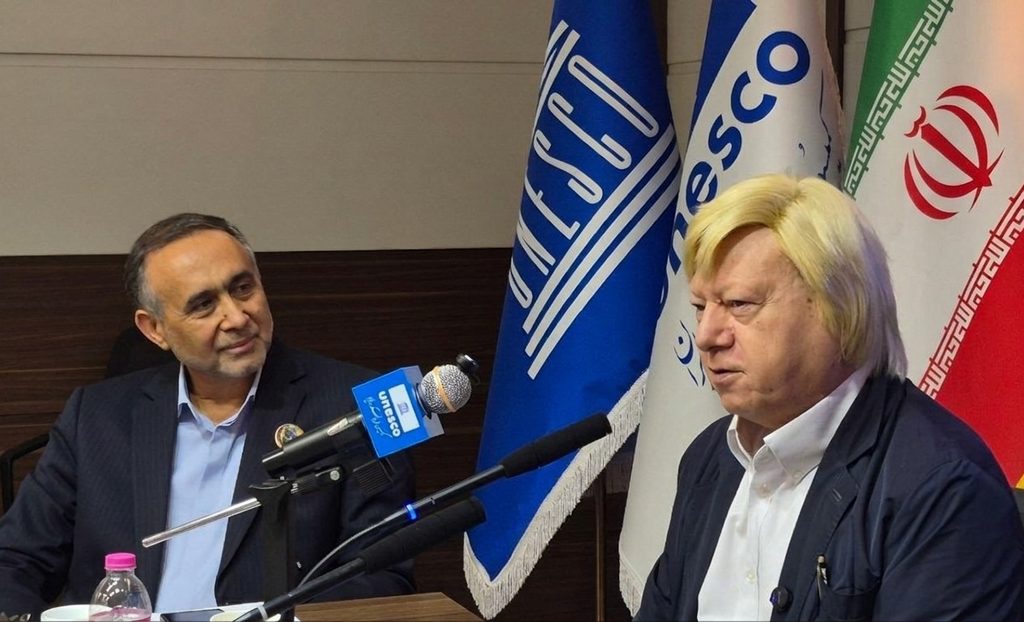
Emphasis on the Historical Legacy of Seafaring and the Development of Specialized Cooperation
Eng. Seyed Mohammad Beheshti, Member of the National Committee for Cultural and Natural Heritage of The Iranian National Commission for UNESCO, continued the session by emphasizing the antiquity of the Persian Gulf and Iran’s long maritime history. He highlighted the historical role of this body of water in connecting communities and facilitating the exchange of knowledge and culture.
Describing the Persian Gulf as having been shaped in the cradle of humanity, he stated that maritime activity in these waters had, for thousands of years, provided a foundation for peace and cultural exchange among nations.
Beheshti also pointed to the challenges of underwater archaeology, identifying the high costs of research, limited resources and difficult current conditions as some of the major obstacles facing the field. He stressed the need to expand regional and international cooperation.
Given the specialized nature of this field, he considered strengthening scientific and technical capacities and drawing on joint cooperation essential to its development and to the effective protection of underwater cultural heritage.
The final speaker at the opening ceremony, Dr. Mohammad Ebrahim Zarei, Head of the Research Institute of Cultural Heritage and Tourism, referred to Iran’s considerable antiquity, describing the country as a bridge connecting East and West throughout history.
He also highlighted Iran’s historical experience of confronting invasions by various peoples, noting that the towers, ramparts and defensive fortifications found in the country’s historic cities attest to the need to defend and protect the land throughout different periods of history.
Dr. Zarei further referred to the importance of the Persian Gulf coastlines and their historic ports, as well as the Makran Sea and the Caspian Sea. He emphasized the role of maritime activity in cultural exchange and in spreading the peaceful message of Islam.
In conclusion, Dr. Zarei stressed the need to extract and document data from Iran’s seas under current circumstances in order to substantiate the country’s claims. He also expressed hope that the Research Institute would establish relations and cooperation with military forces in the field of underwater heritage protection.
Tribute to Pioneers of Underwater Archaeology and Unveiling of a Specialized Book
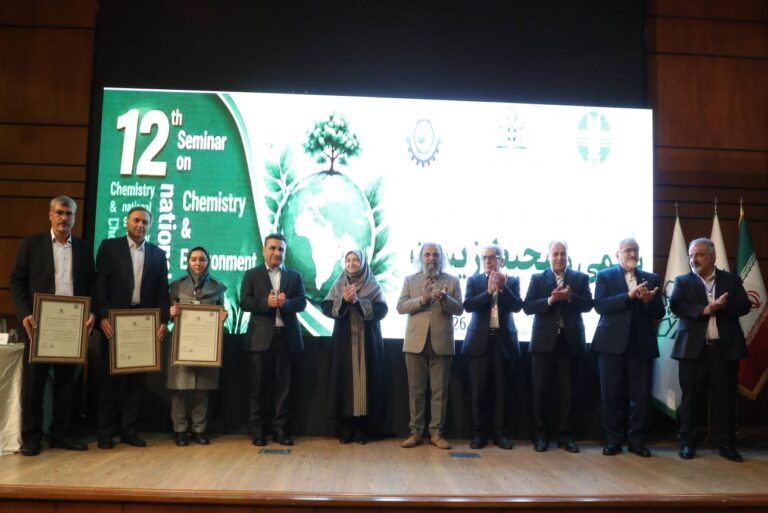
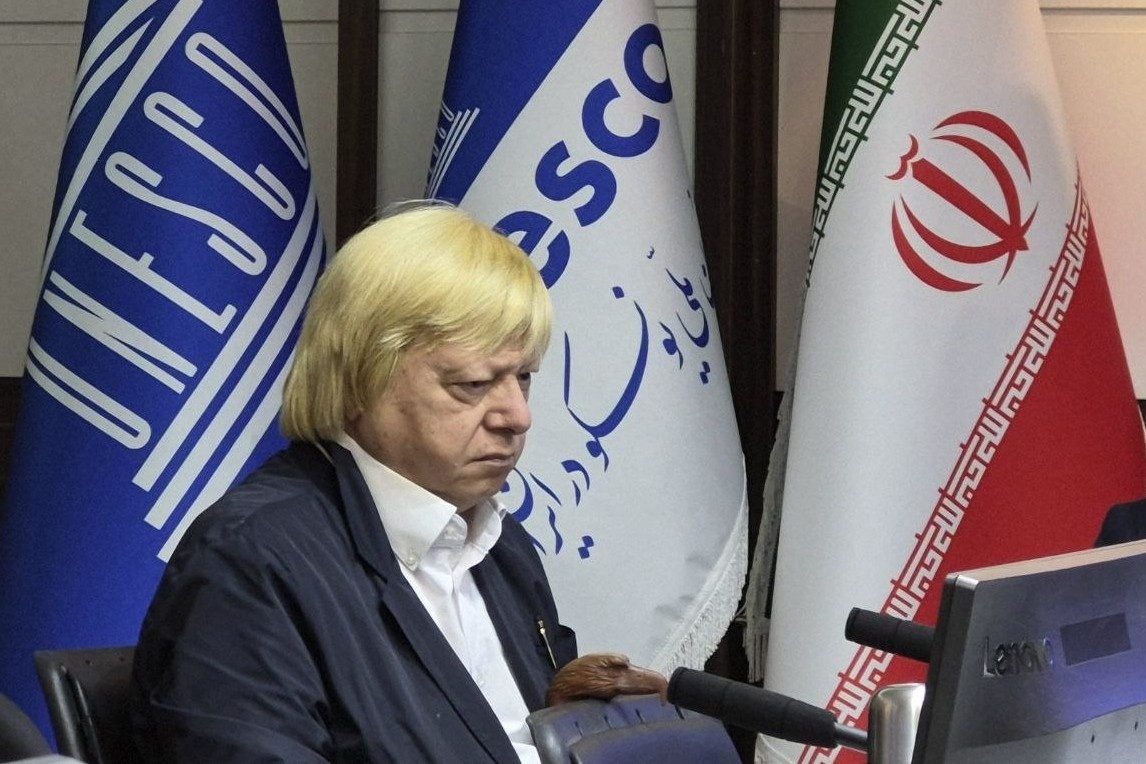
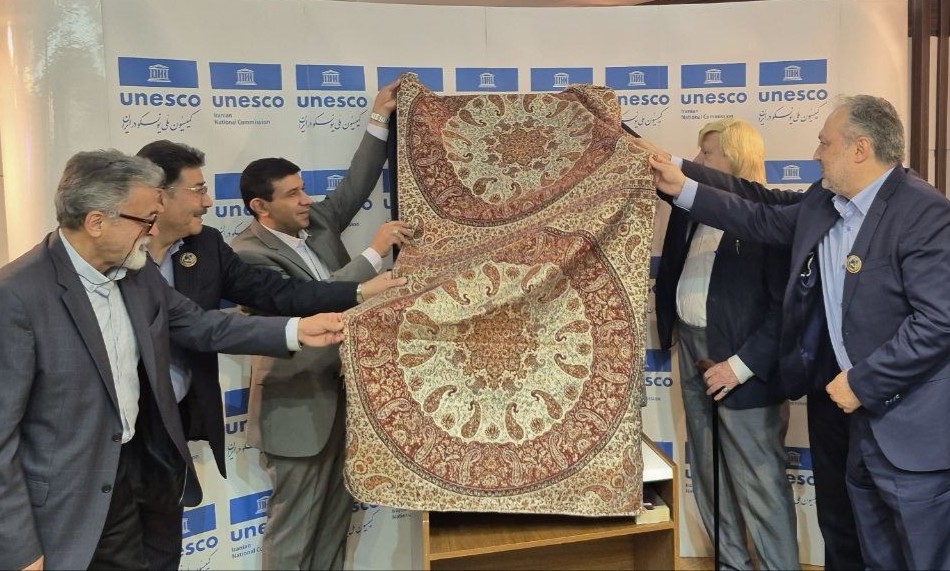
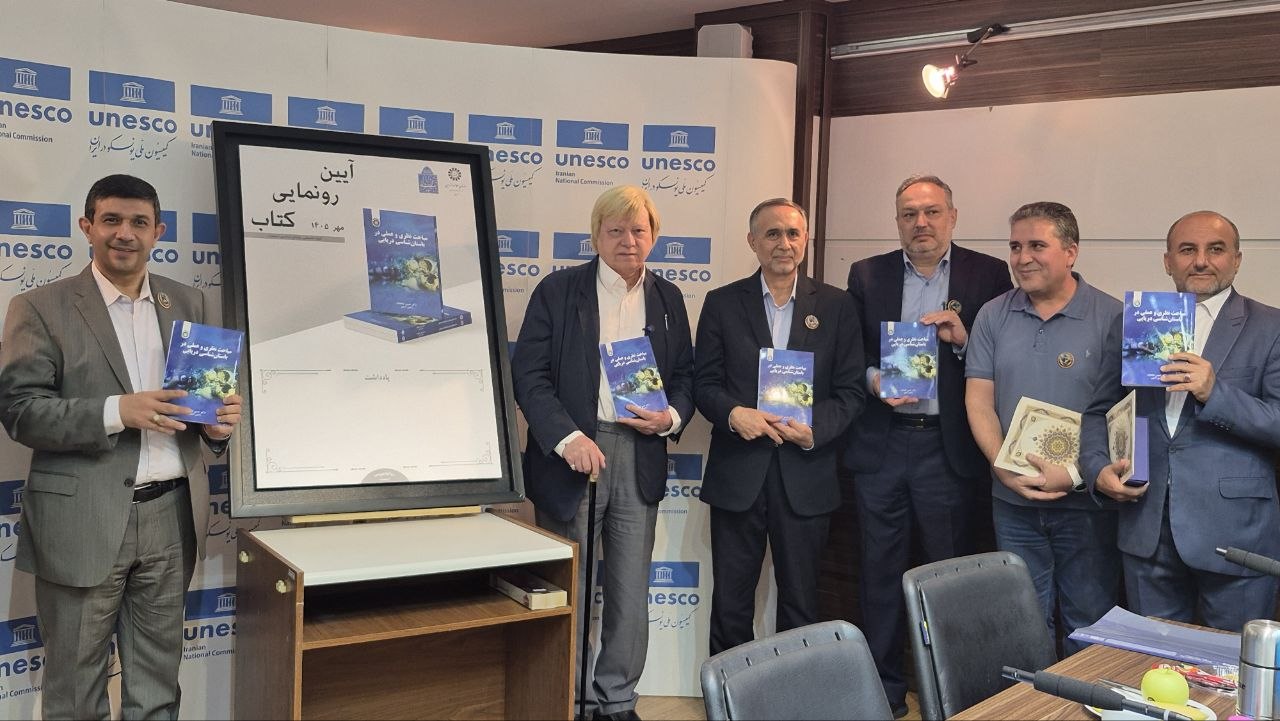
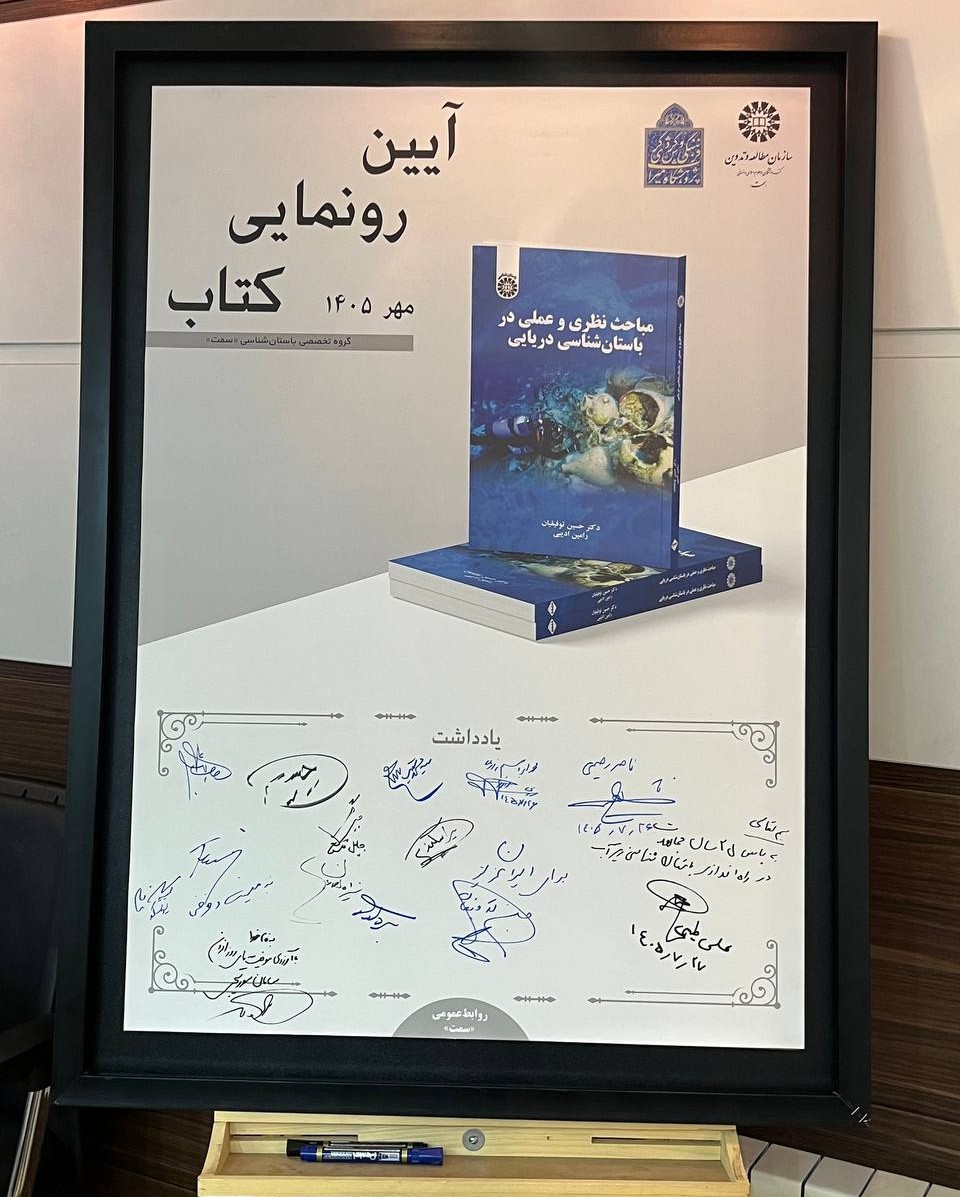
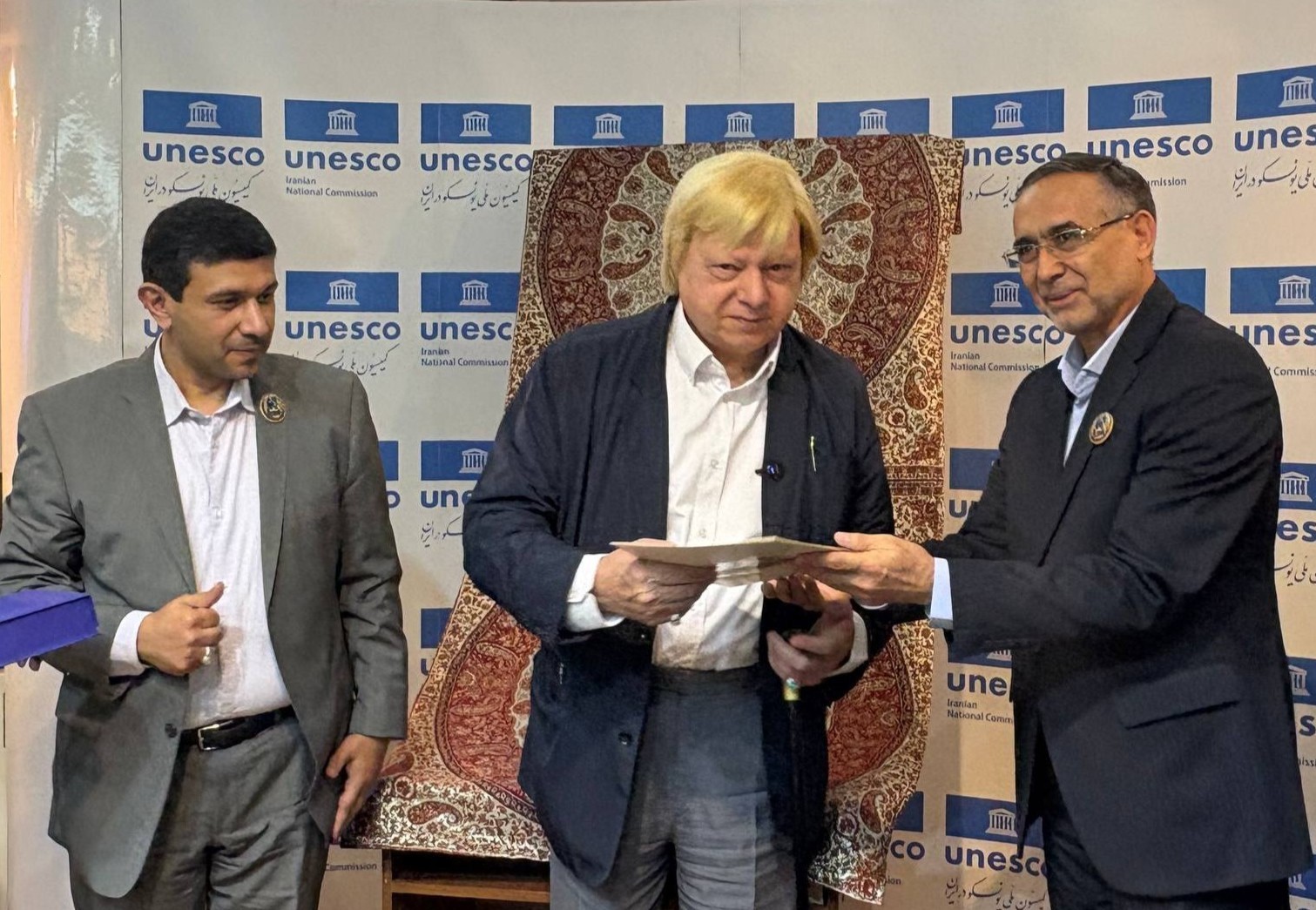
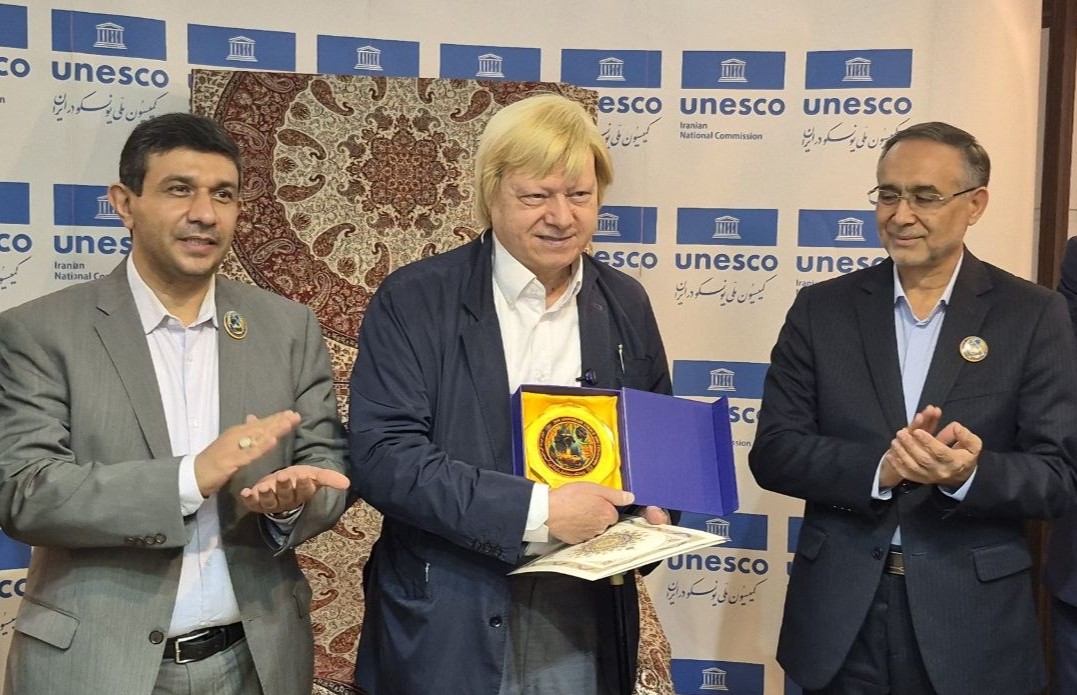
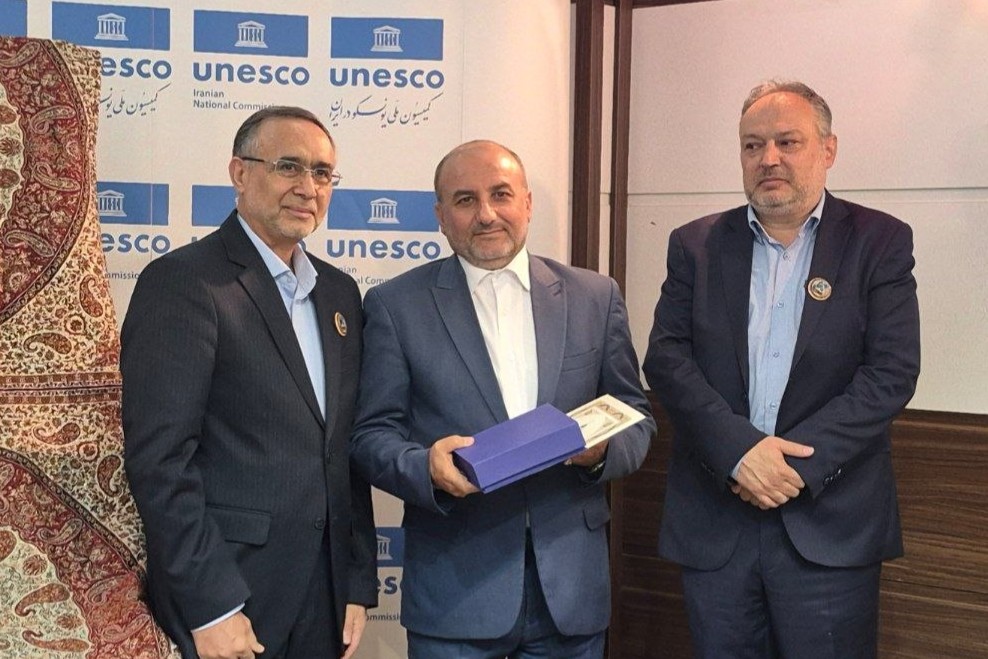
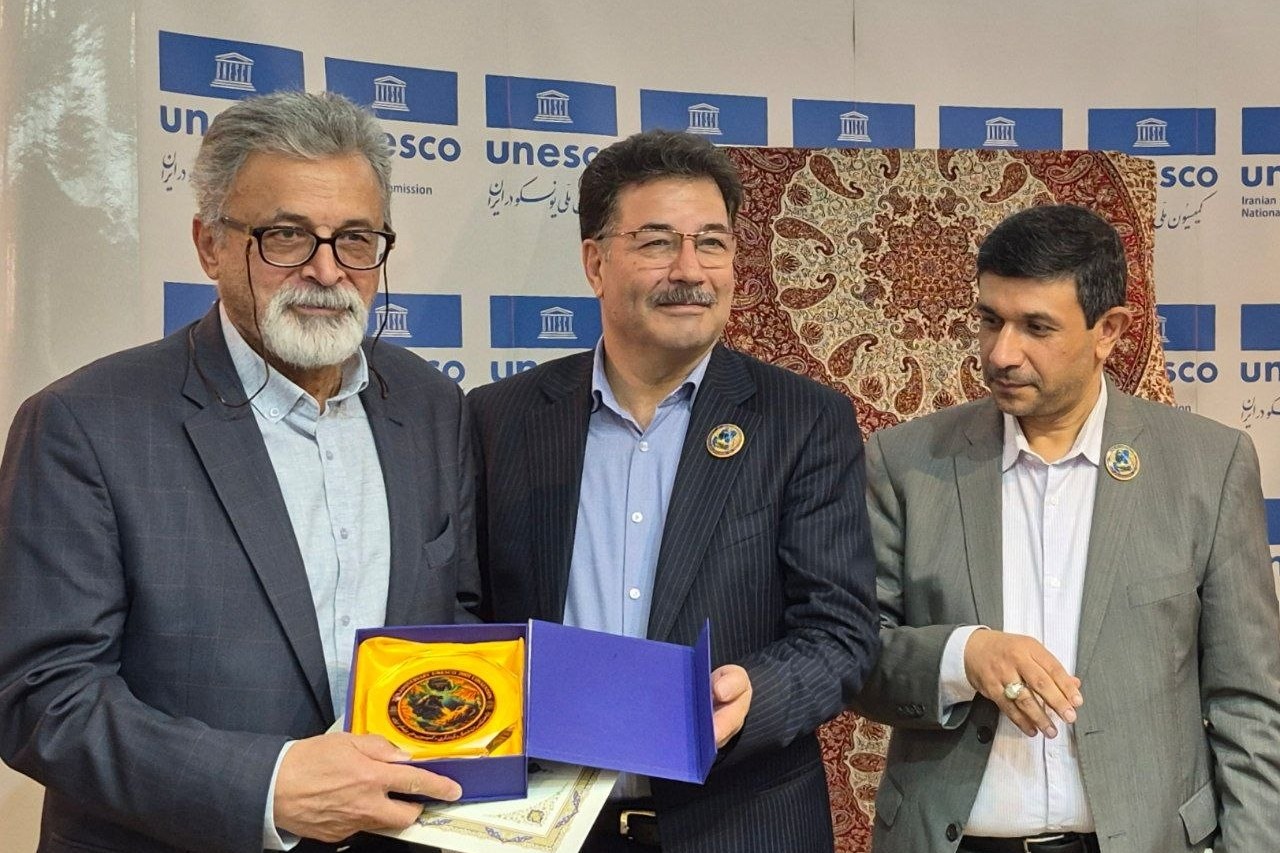
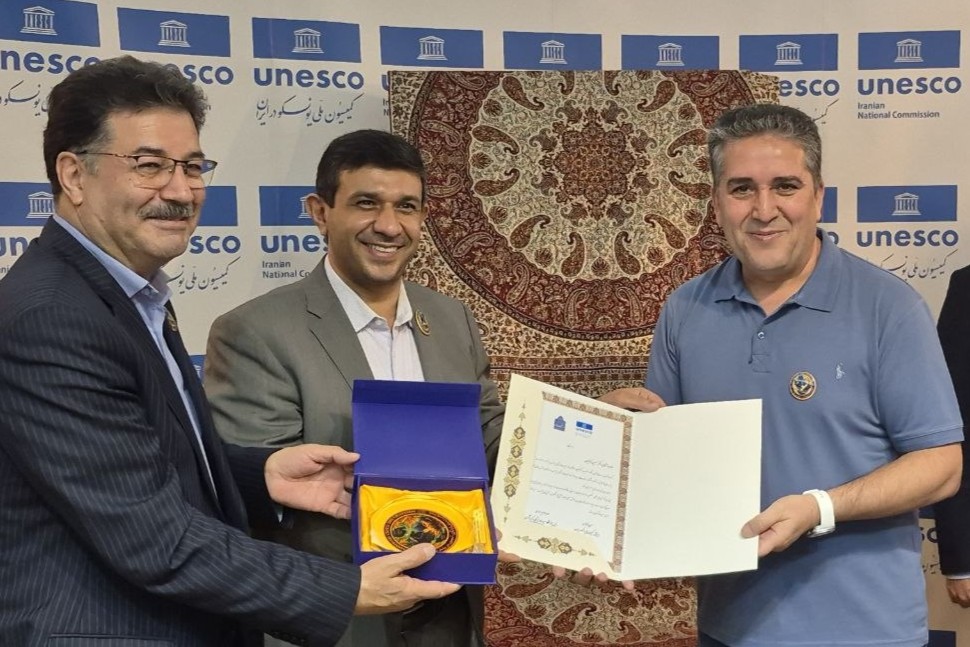
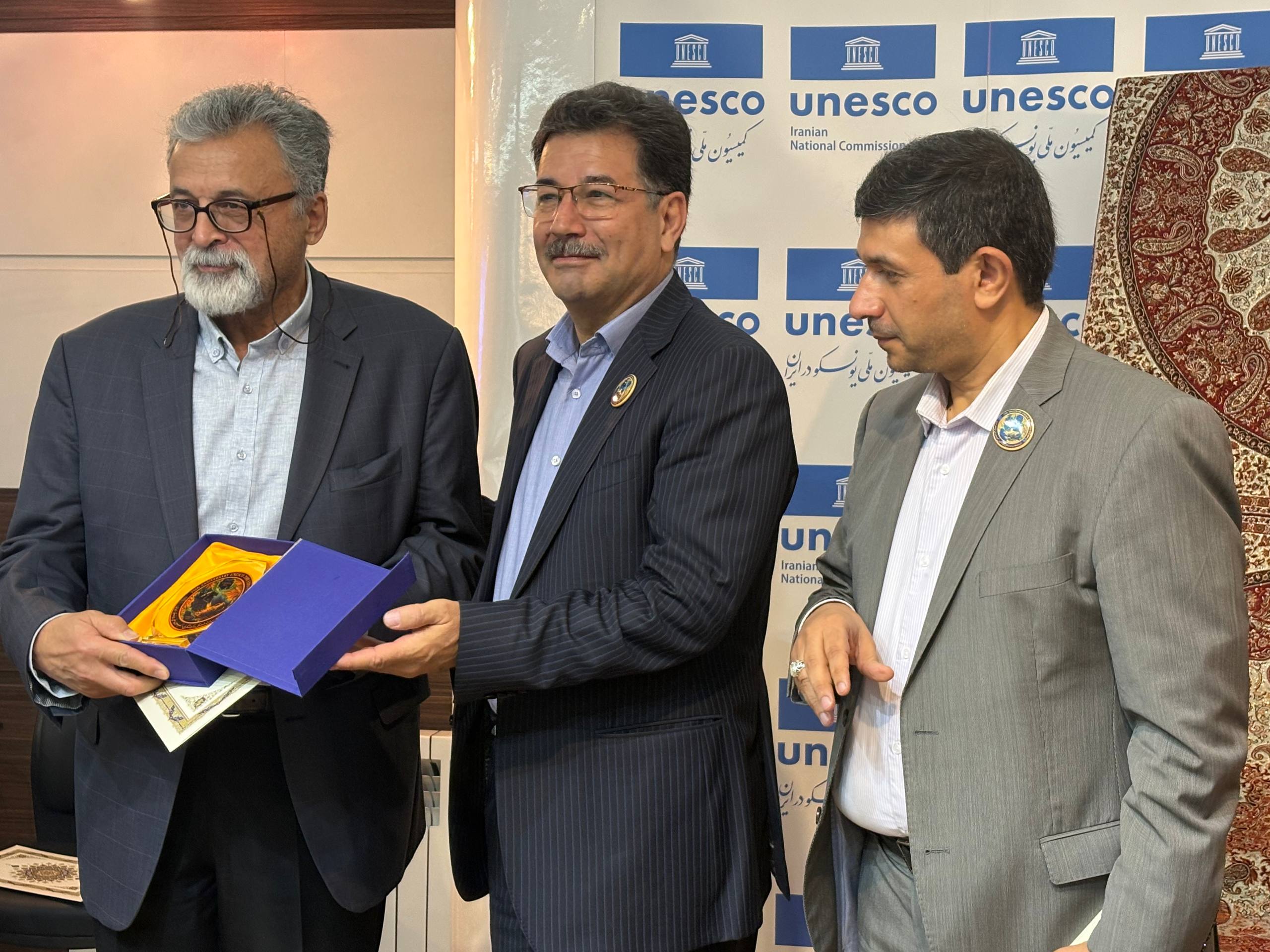
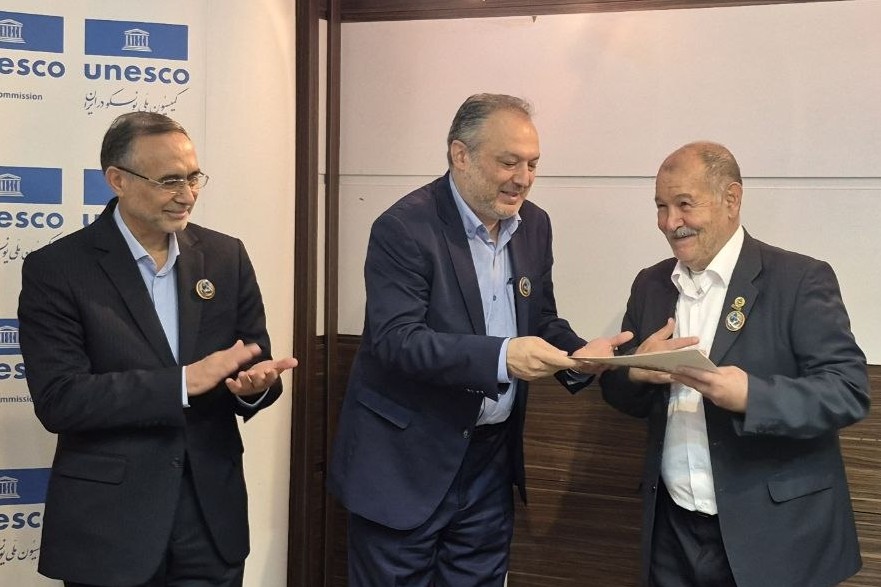
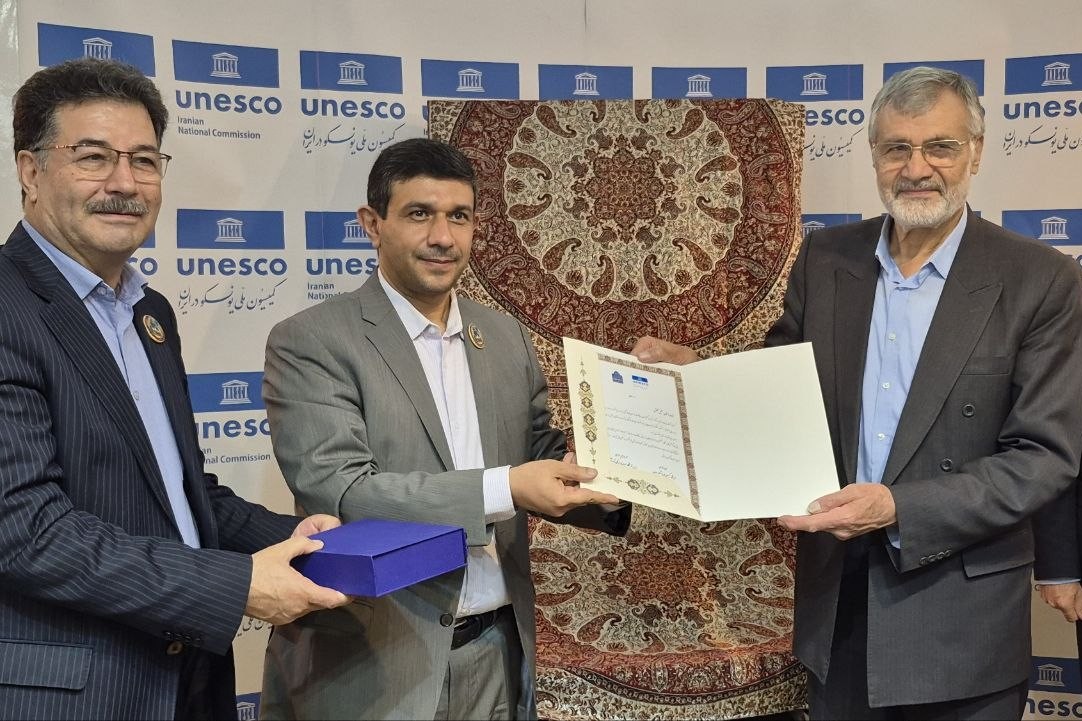
At the end of the opening ceremony, seven pioneers in underwater archaeology were honored: Dr. Seyed Mahmoud MirasKandari, Dr. Ali Tayebi, Dr. Hossein Tofighian, Eng. Jalil Golshan, Colonel Nasser Rahimi, Dr. Nasser Norouzadeh Chegini and Eng. Seyed Mohammad Beheshti. They received commemorative statuettes and certificates of appreciation signed by Dr. Zarei and Dr. Fartousi. The book Theoretical and Practical Issues in Maritime Archaeology, authored by Dr. Hossein Tofighian, was also unveiled.
It should be noted that a specialized session on the same subject was held subsequently.