Resilience Begins at Home
Professor Khaled El-Enany emphasized the need to initiate preventive measures where people live and strengthen community preparedness for disasters.
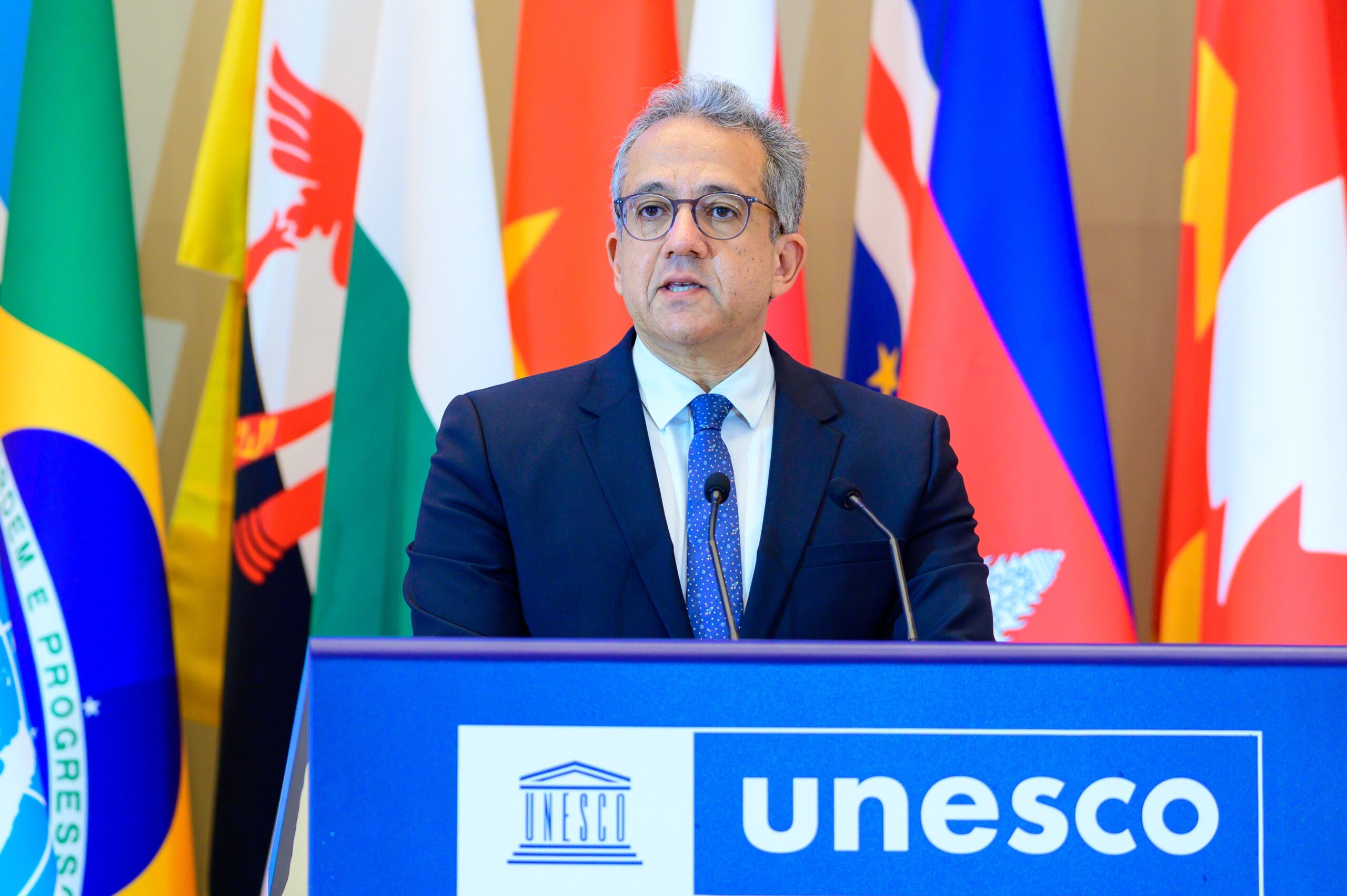
In a message marking the International Day for Disaster Risk Reduction (13 October 2026), Professor Khaled El-Enany, UNESCO Director-General, highlighted the far-reaching impacts of disasters on people’s lives and stressed the need to strengthen family safety, ensure continuity of education, maintain access to essential services, and take preventive measures before crises occur.
The message states: “The impacts of disasters are felt most acutely where people live, putting family safety, continuity of education and access to essential services at risk.”
For this reason, this year’s theme for the International Day for Disaster Risk Reduction is “Resilience Begins at Home.” It serves as a reminder that disaster risk reduction must begin before a crisis occurs, through safer construction, access to information, early warning systems and practical preparedness for emergencies.
The scale of this challenge remains considerable. In 2025, 358 disasters worldwide affected more than 110 million people and caused nearly US$170 billion in direct economic losses. When indirect losses and damage to ecosystems are taken into account, the annual cost of disasters exceeds US$2.3 trillion.
For this reason, UNESCO works with countries and local communities to translate disaster preparedness into practical action. In Haiti, we have trained 200 builders to construct safer homes. Through early warning programs for floods, droughts, earthquakes and tsunamis, we also help ensure that alerts reach local communities in a timely manner across 45 countries. In addition, we strengthen media capacity in 20 disaster-prone countries so that people can access reliable information before a crisis occurs and during emergencies.
UNESCO also supports countries in preparing for emerging risks. Through the “UNESCO x El Niño” campaign, it draws on its expertise and networks to expand interdisciplinary action. Within this framework, the “Culture x El Niño” initiative helps communities protect their cultural heritage and strengthen their preparedness for hazards.
The UNESCO Director-General concluded his message by emphasizing that preventive action must begin where people live, making homes, local communities and essential services safer, while ensuring that people have access to reliable information and the preparedness needed to face disasters.