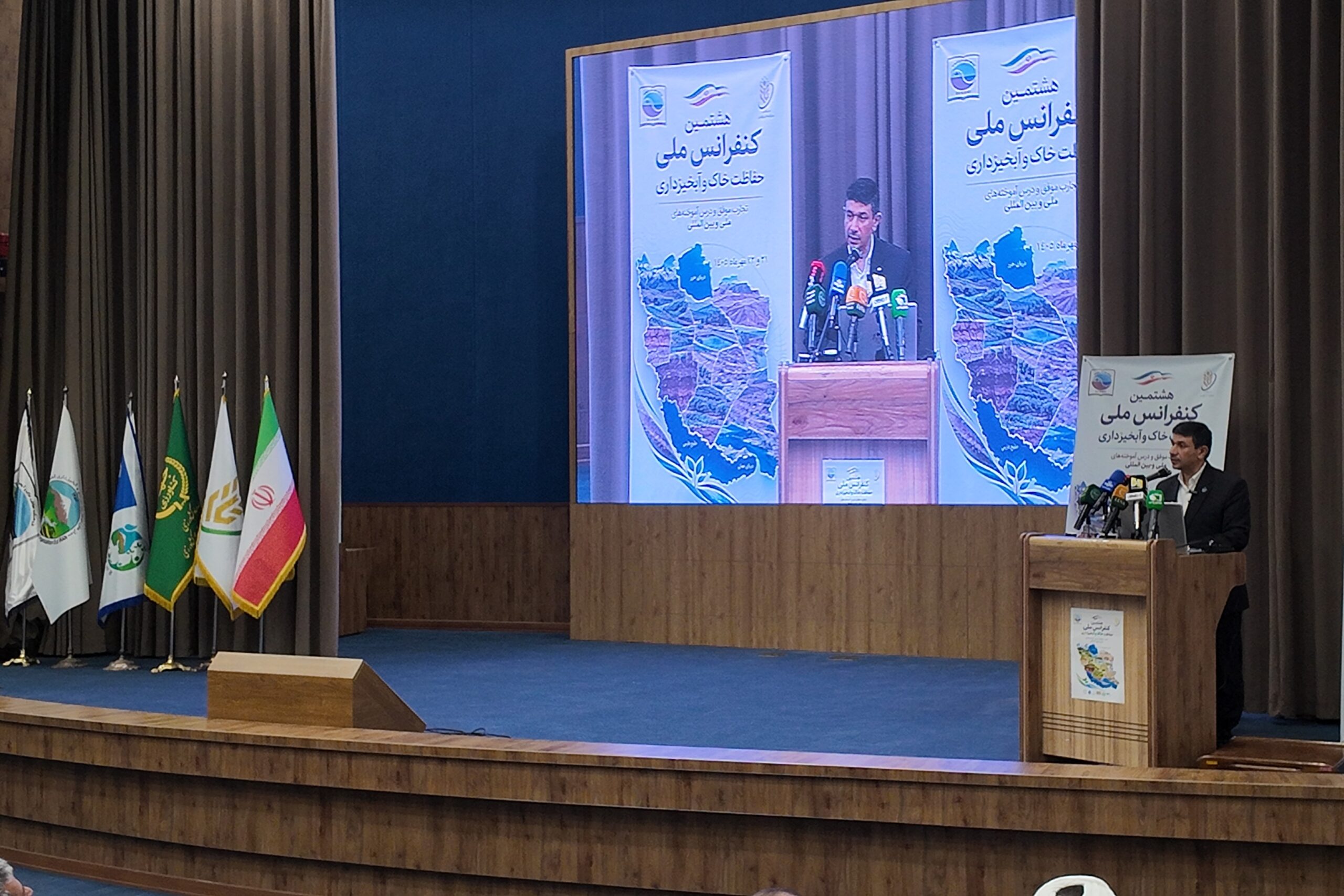
Secretary-General of The Iranian National Commission for UNESCO Emphasizes the Role of Science and International Cooperation in Soil Conservation and Sustainable Watershed Management
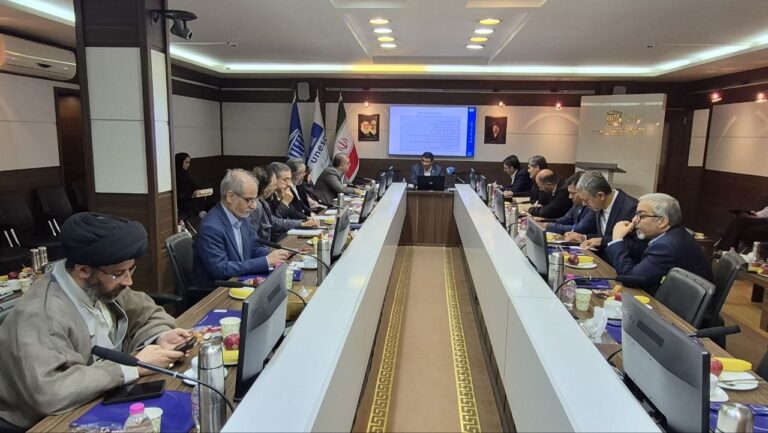
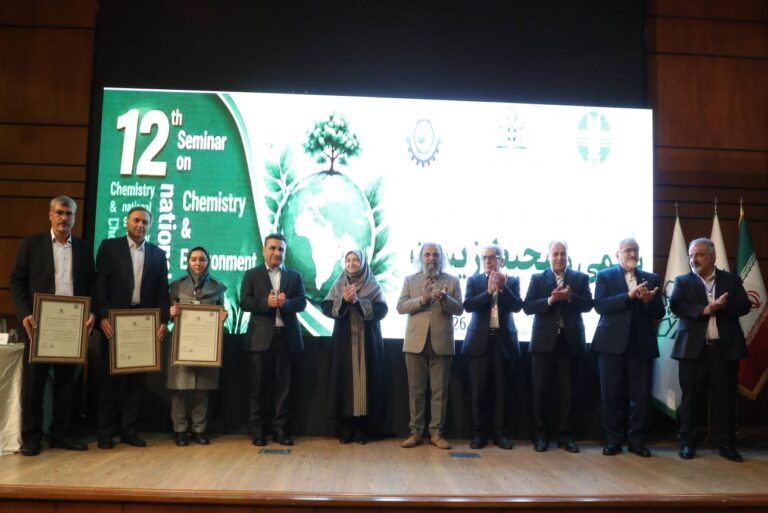
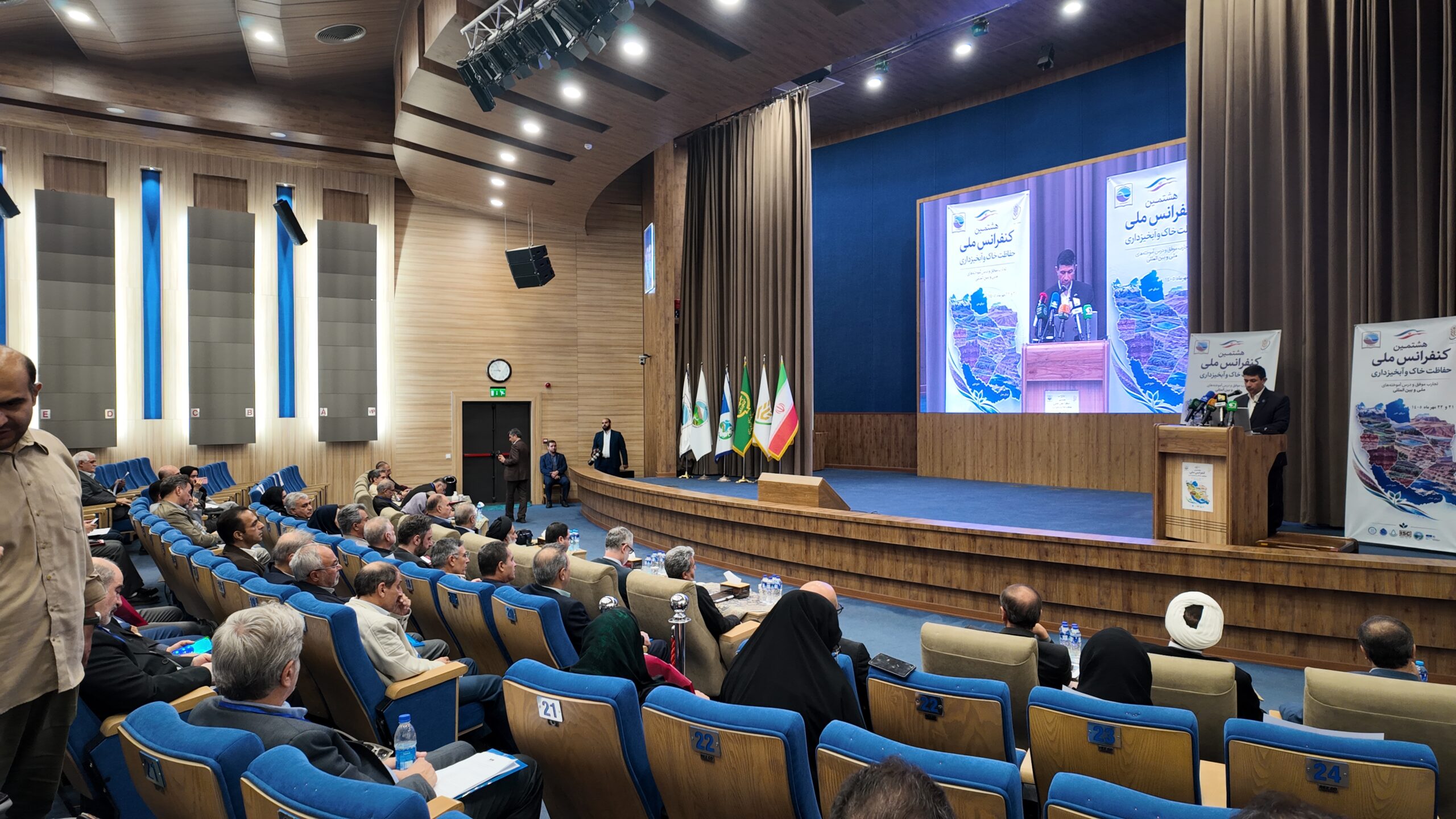
The 8th National Conference on Soil Conservation and Watershed Management, focusing on “Successful Experiences and Lessons Learned at the National and International Levels,” was held on 13 and 14 October 2026 at the Agricultural Research, Education and Extension Organization. The conference was hosted by the International Center for Integrated Watershed Management and Bio-Resources in Arid and Semi-Arid Regions (a UNESCO Category 2 Center) and the Agricultural Research, Education and Extension Organization, with the support of The Iranian National Commission for UNESCO.
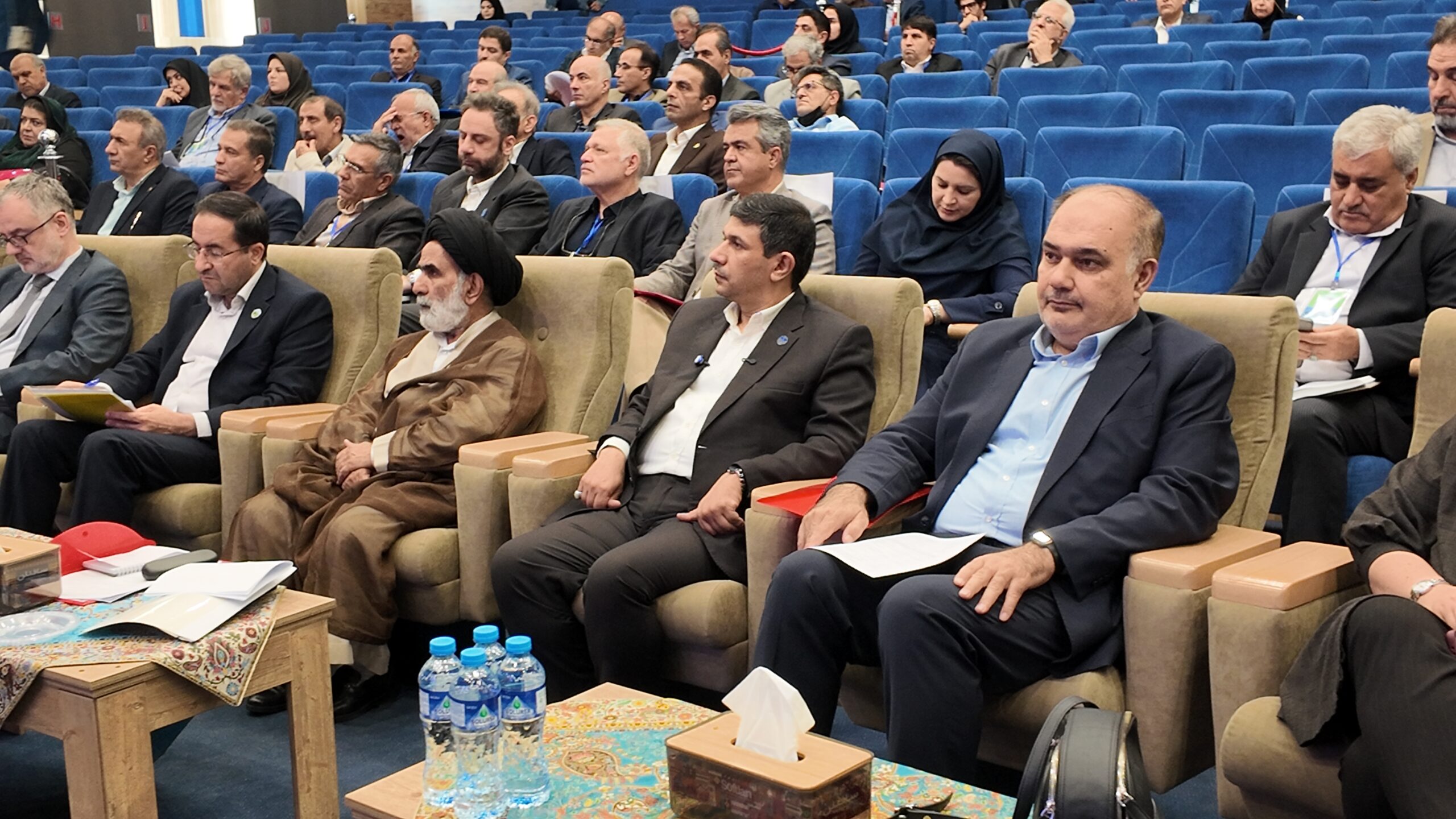
The conference was attended by Dr. Hassan Fartousi, Secretary-General of The Iranian National Commission for UNESCO; Hojjatoleslam val-Moslemin Rabbani, Representative of the Supreme Leader at the Ministry of Agriculture Jihad; Dr. Reza Aflatouni, Deputy Minister of Agriculture Jihad and Head of the Forests, Rangelands and Watershed Management Organization of Iran; Dr. Mohammad Jalali, Member of the Parliament’s Agriculture Committee; and Dr. Ataollah Ebrahimi, Head of the Research Institute of Soil Conservation and Watershed Management, along with a number of managers, researchers, specialists and representatives of international organizations, including the United Nations Development Program (UNDP) and the Food and Agriculture Organization of the United Nations (FAO).
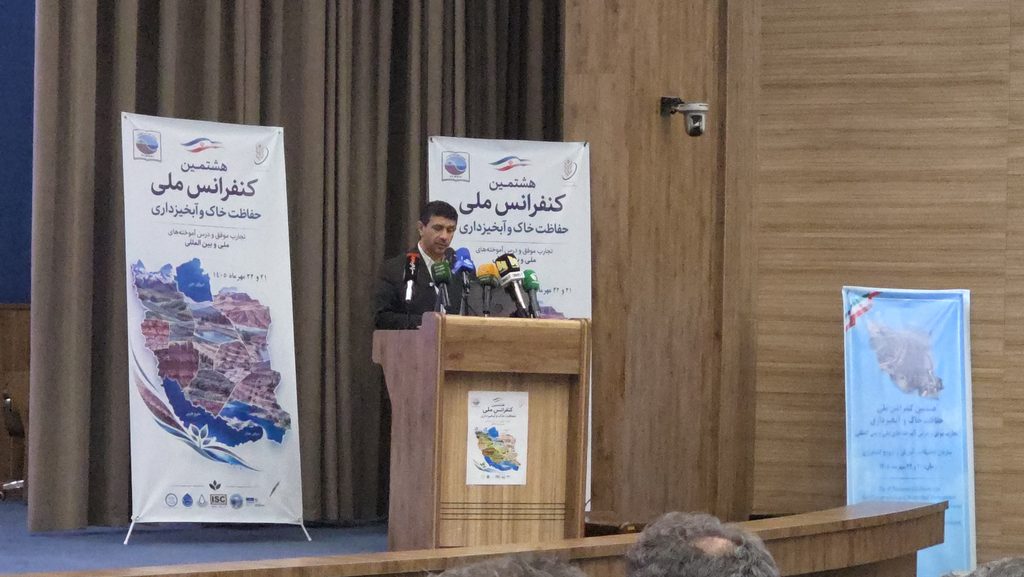
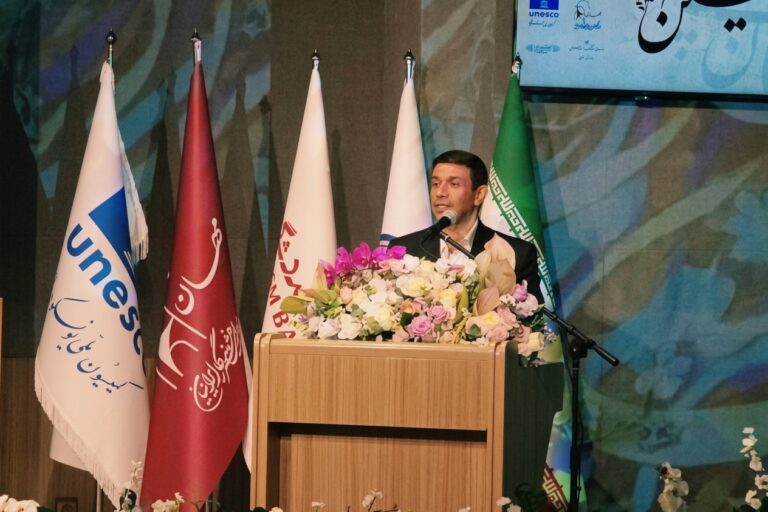
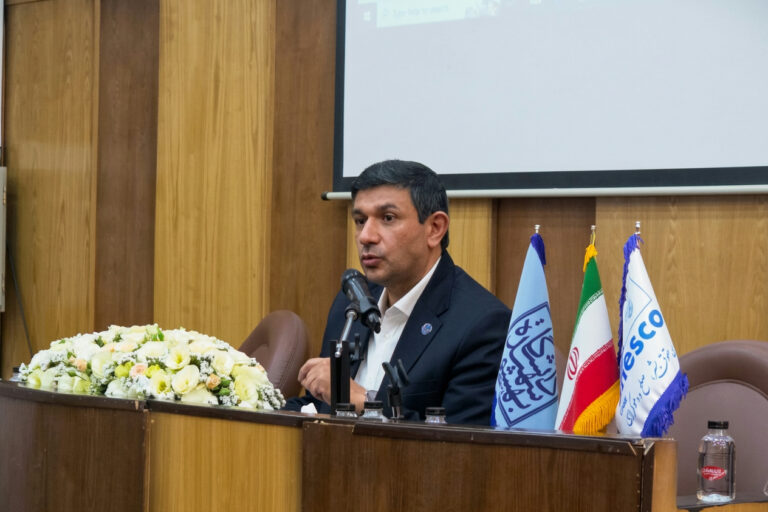
In his opening address at the conference, Dr. Fartousi described soil and water conservation as fundamental requirements for food security and sustainable development. Referring to challenges such as limited water resources, soil erosion, drought and land degradation, he emphasized the need for integrated watershed management and the application of scientific and interdisciplinary approaches. He noted that the protection of natural resources must be incorporated into the country’s development planning, and that achieving this goal requires linking research, policymaking and practical implementation, with the participation of responsible institutions and local communities.
Referring to the potential of UNESCO’s scientific programs and networks to expand international cooperation, the Secretary-General of The Iranian National Commission for UNESCO introduced UNESCO’s Intergovernmental Hydrological Program (IHP) as a platform for advancing knowledge, improving water governance and strengthening the connection between science and policymaking. He also described UNESCO’s Man and the Biosphere (MAB) Program as an important means of linking nature conservation, scientific research and sustainable development, emphasizing the importance of local community participation in the sustainable management of ecosystems.
Highlighting the role of UNESCO Category 2 Centers in advancing applied research, education, capacity-building and the exchange of specialized knowledge, Dr. Fartousi underscored the potential of the International Center for Integrated Watershed Management and Bio-Resources in Arid and Semi-Arid Regions to expand scientific cooperation and develop practical solutions for the conservation of water and soil resources. He described the conference as an opportunity to exchange successful experiences and bring scientific achievements closer to the country’s practical needs. He also stressed the importance of strengthening links between Iranian research institutions and regional and international networks to showcase and share the country’s experiences.
In his address, Dr. Reza Aflatouni, Head of the Forests, Rangelands and Watershed Management Organization of Iran, emphasized the need for effective local community participation in identifying challenges, setting priorities, and designing and evaluating natural resource management solutions. Referring to the fact that approximately 14 million hectares of the country’s land are located in areas critically affected by wind erosion, he highlighted the importance of expanding national and international cooperation and drawing on the capacities of the International Center for Integrated Watershed Management and Bio-Resources in Arid and Semi-Arid Regions to strengthen efforts to combat desertification.
Dr. Ataollah Ebrahimi, Head of the Research Institute of Soil Conservation and Watershed Management, also emphasized the role of water and soil resources in ensuring food security. He described watershed management as requiring a comprehensive, multidisciplinary approach and stressed the importance of integrating research with implementation and involving local communities. Referring to the approximately 10 million hectares of land in the country with potential for the implementation of aquifer management projects, he considered the expansion of this approach effective in managing water resources and reducing the impacts of water scarcity.
Bringing together researchers, specialists, executive managers and representatives of national and international institutions, the 8th National Conference on Soil Conservation and Watershed Management provided a platform for exchanging knowledge and experience and strengthening cooperation in the pursuit of conserving vital natural resources and ensuring sustainable watershed management.