Secretary-General of The Iranian National Commission for UNESCO: Knowledge Must Be a Shared Heritage and Asset of Humanity
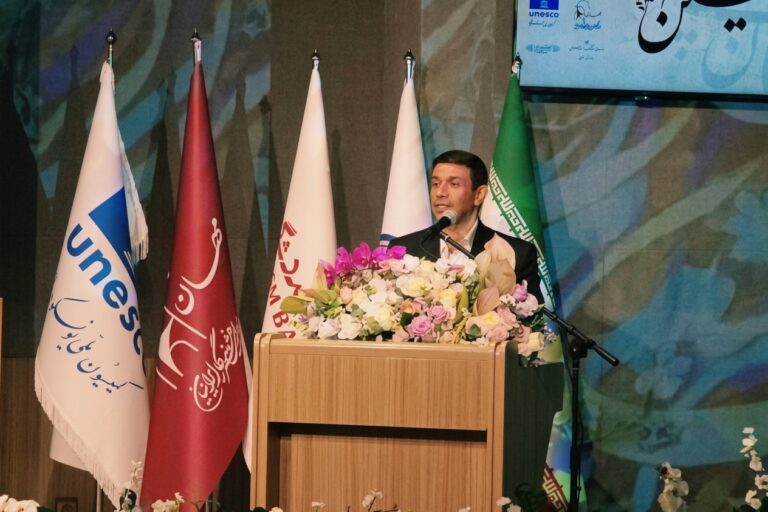
At the extraordinary session of the UNESCO Intergovernmental Council of the Management of Social Transformations (MOST) Programme, Dr. Hassan Fartousi, Secretary-General of The Iranian National Commission for UNESCO, emphasized the need to ensure universal access to knowledge, prevent the monopolization of knowledge, and strengthen scientific cooperation. He also called for recognition of “knowledge as a shared heritage and a shared asset of humanity” within the BRIDGES policy framework and its toolkit.
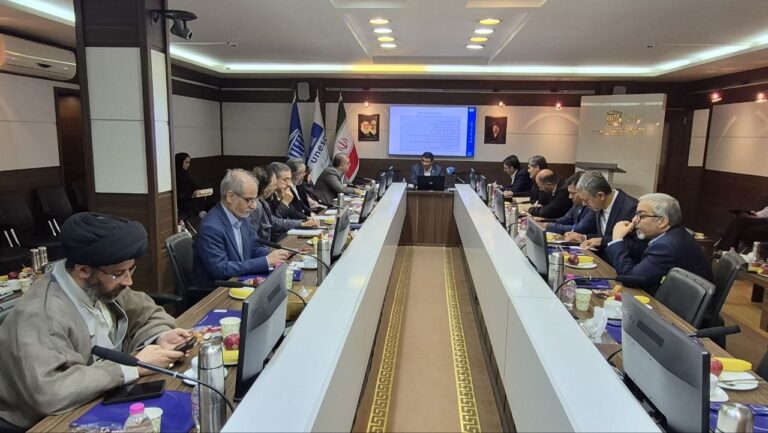
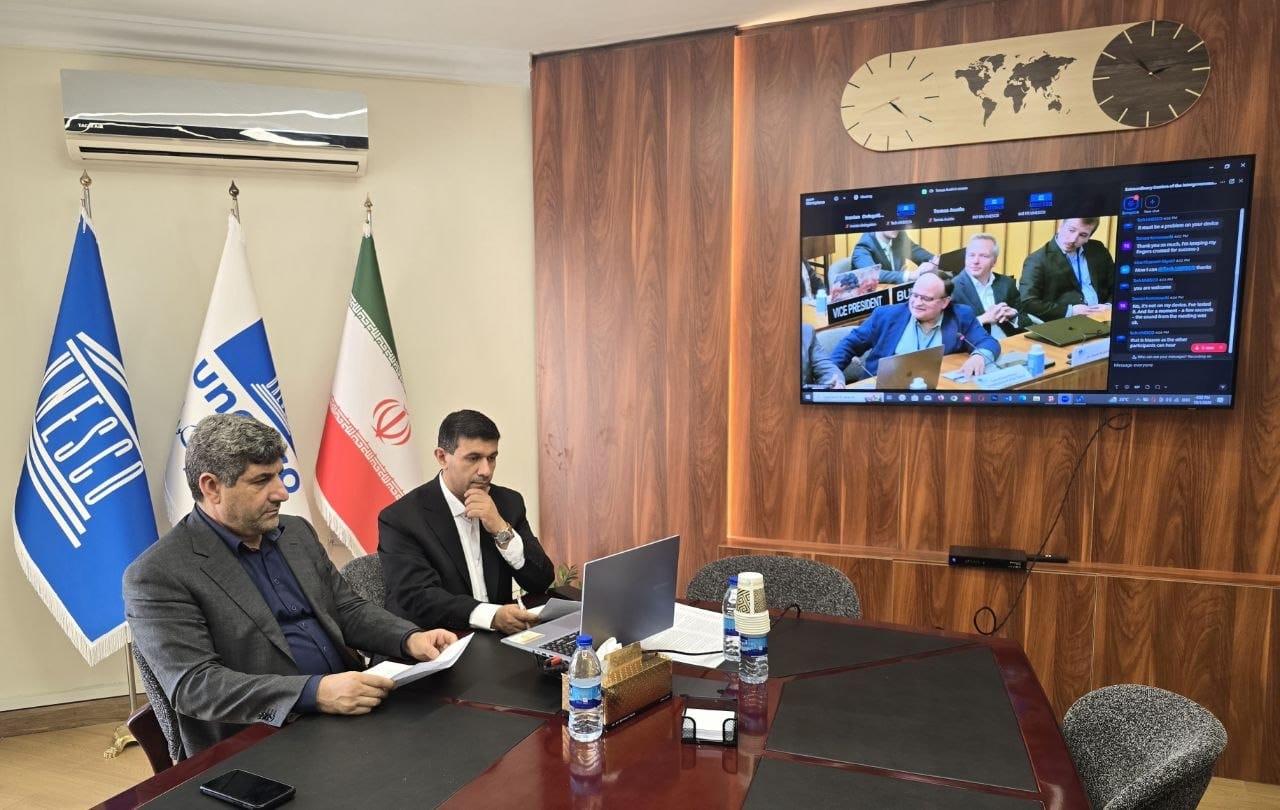
The extraordinary session of the Intergovernmental Council of the MOST Program was held on Thursday, October 1, 2026, at UNESCO Headquarters in Paris. Dr. Ahmad Pakatchi, Ambassador and Permanent Delegate of the Islamic Republic of Iran to UNESCO, attended in person, while Dr. Hassan Fartousi, Secretary-General of The Iranian National Commission for UNESCO, and Dr. Seyed Zia Hashemi, Deputy for Cultural and Social Affairs to the First Vice-President and Chair of the National Committee for MOST (Social Transformations) of The Iranian National Commission for UNESCO, participated online and contributed to the specialized discussions and exchanges.
The session aimed to review the latest developments in the MOST Program, including key themes related to “Sustainability Science in Action,” strengthening the human dimension and equity, policy support, and the program’s field-level implementation during the 2025–2027 period. The BRIDGES policy framework and toolkit, focusing on the integration of humanities knowledge into more sustainable policymaking, were presented. Discussions also addressed public policy reform, foresight, sustainability, anticipatory governance, and support for research and policymaking.
The Iranian National Commission for UNESCO Secretary-General Emphasizes Science as an Integral Part of Human Life
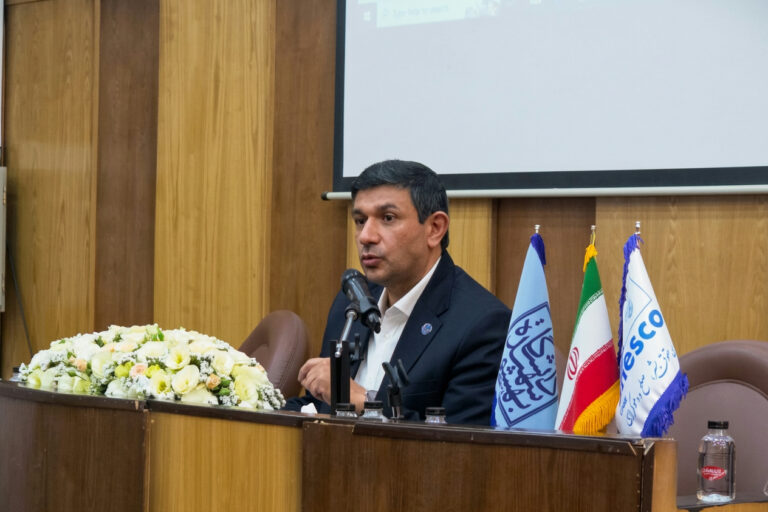
At the session, Dr. Fartousi emphasized the importance of recognizing science not merely as a driver of industry and technology, but also as an integral part of human life and a means of fostering curiosity, informed judgment, and a deeper understanding of the world. He highlighted the importance of access to knowledge and creating opportunities for learning, participation in research, and benefiting from humanity’s accumulated knowledge.
Referring to UNESCO’s approach to Open Science, he raised questions about practical mechanisms to prevent the monopolization of knowledge and ensure its free circulation. He also emphasized the need to strike a balance between providing sustainable support for researchers and scientific institutions and ensuring that humanity as a whole benefits from scientific achievements.
The Secretary-General of The Iranian National Commission for UNESCO also highlighted the challenges facing scientists and scientific cooperation under unilateral coercive measures, raising questions about how the BRIDGES framework could help mitigate these barriers and strengthen scientific collaboration.
He also emphasized the need to prevent the concentration of knowledge and power, strengthen knowledge exchange across disciplines, cultures, and generations, and place the concept of “knowledge as a shared heritage and a shared asset of humanity” at the heart of the BRIDGES policy framework and its toolkit.
Iran Emphasizes the Role of Knowledge and International Cooperation in Supporting Communities Affected by Crises
In another part of the session, Dr. Seyed Zia Hashemi, Chair of the National Committee for MOST in Iran, emphasized the need to address the impact of crises and conflicts on communities, educational and scientific institutions, and human and knowledge capacities.
In this context, he raised questions about the impact of the war in Gaza on civilians, educational institutions, and scientific and cultural activities, as well as the potential of BRIDGES and MOST to safeguard knowledge and ensure the continuity of education and research in times of crisis.
The situation in Afghanistan and restrictions on women’s and girls’ access to educational opportunities were also among the issues discussed. Referring to Iran’s recent experience of the consequences of war and the damage inflicted on certain educational and scientific institutions, cultural heritage sites, and civilian infrastructure, Dr. Hashemi also raised questions about UNESCO’s capacity to help rebuild scientific and educational capacities, strengthen cooperation, and support sustainable development.
In closing, he emphasized the need to tailor international responses to the specific circumstances of each crisis while upholding the shared principles of protecting human life, safeguarding knowledge, and ensuring the continuity of learning.
The MOST Program: Strengthening the Link Between Social Science Research and Policymaking
UNESCO’s MOST Program, with its focus on connecting social science research and policymaking, offers an important opportunity to strengthen evidence-based policymaking and address social transformations.
The participation of the Islamic Republic of Iran in the extraordinary session of the Intergovernmental Council of the MOST Program provided an opportunity to present perspectives and concerns regarding access to knowledge, scientific cooperation, the impact of crises, and the role of knowledge in shaping sustainable, human-centered responses.
The session was held at UNESCO Headquarters as part of a series of MOST Program activities taking place that week, which also included “MOST Social Transformations Week and BRIDGES-related workshops.”
It is worth noting that, at UNESCO’s 2025 General Conference in Samarkand, the Islamic Republic of Iran’s membership in the Intergovernmental Council of the MOST Program was renewed by consensus for a two-year term.