Launching The National Committee for Basic Sciences of The Iranian National Commission for UNESCO
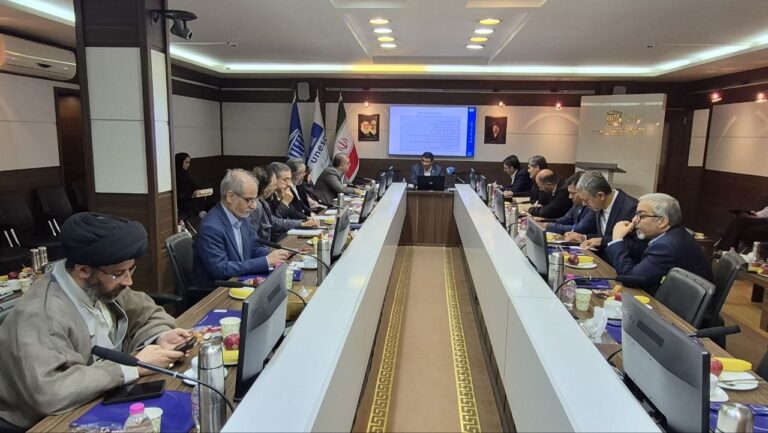
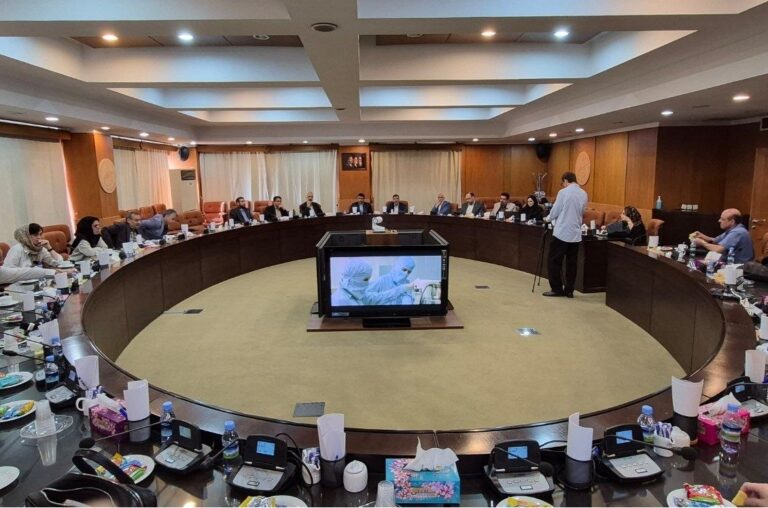
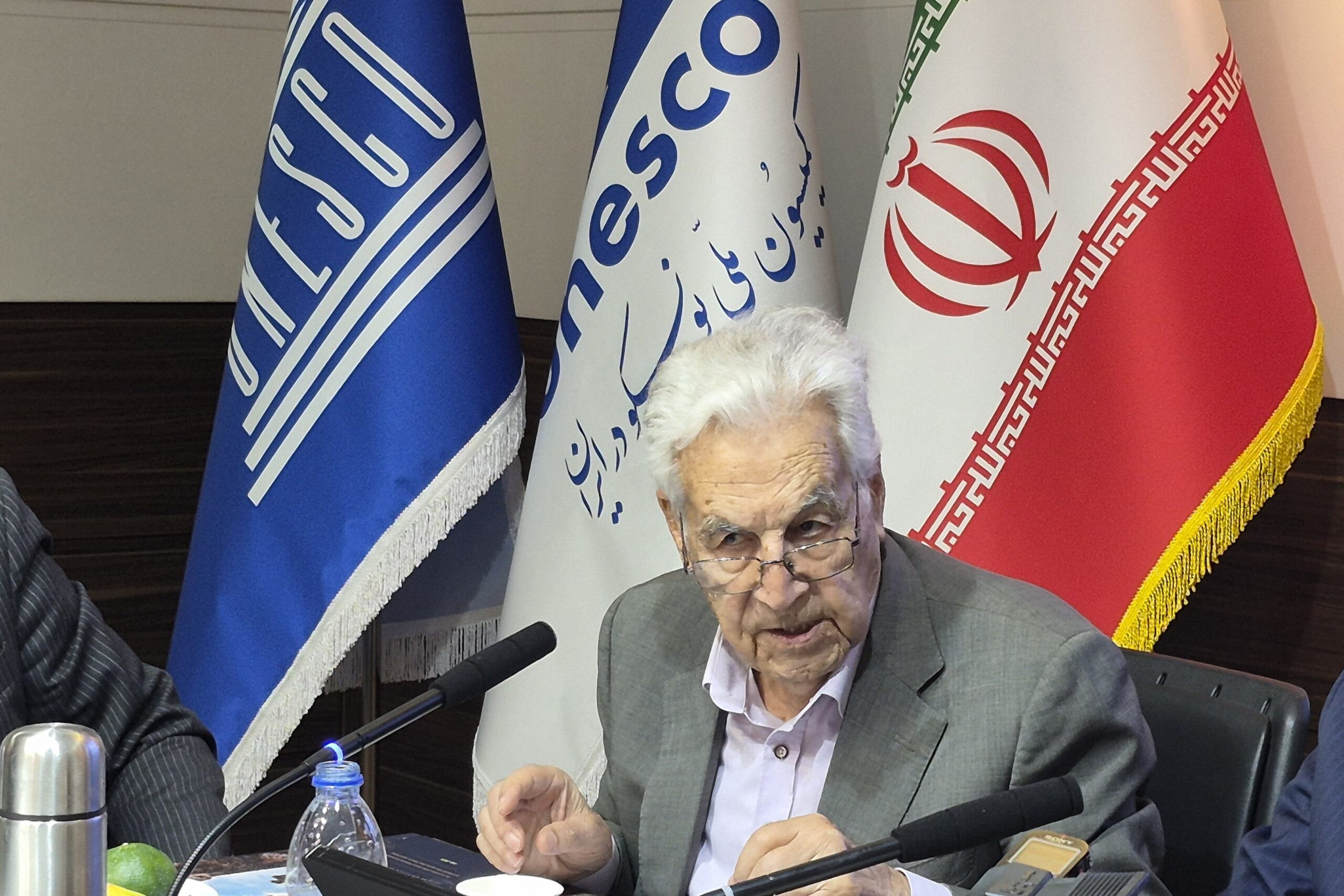
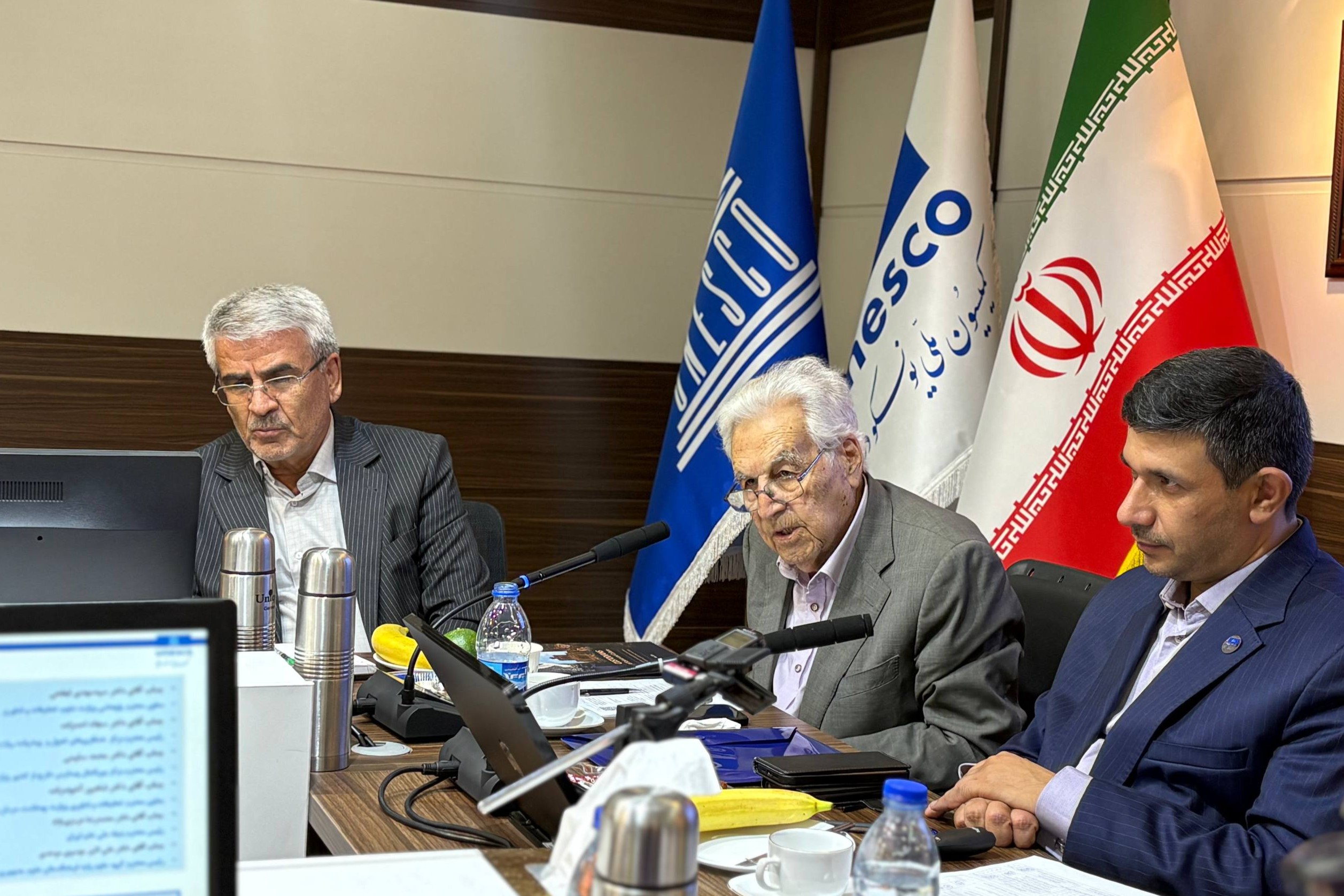
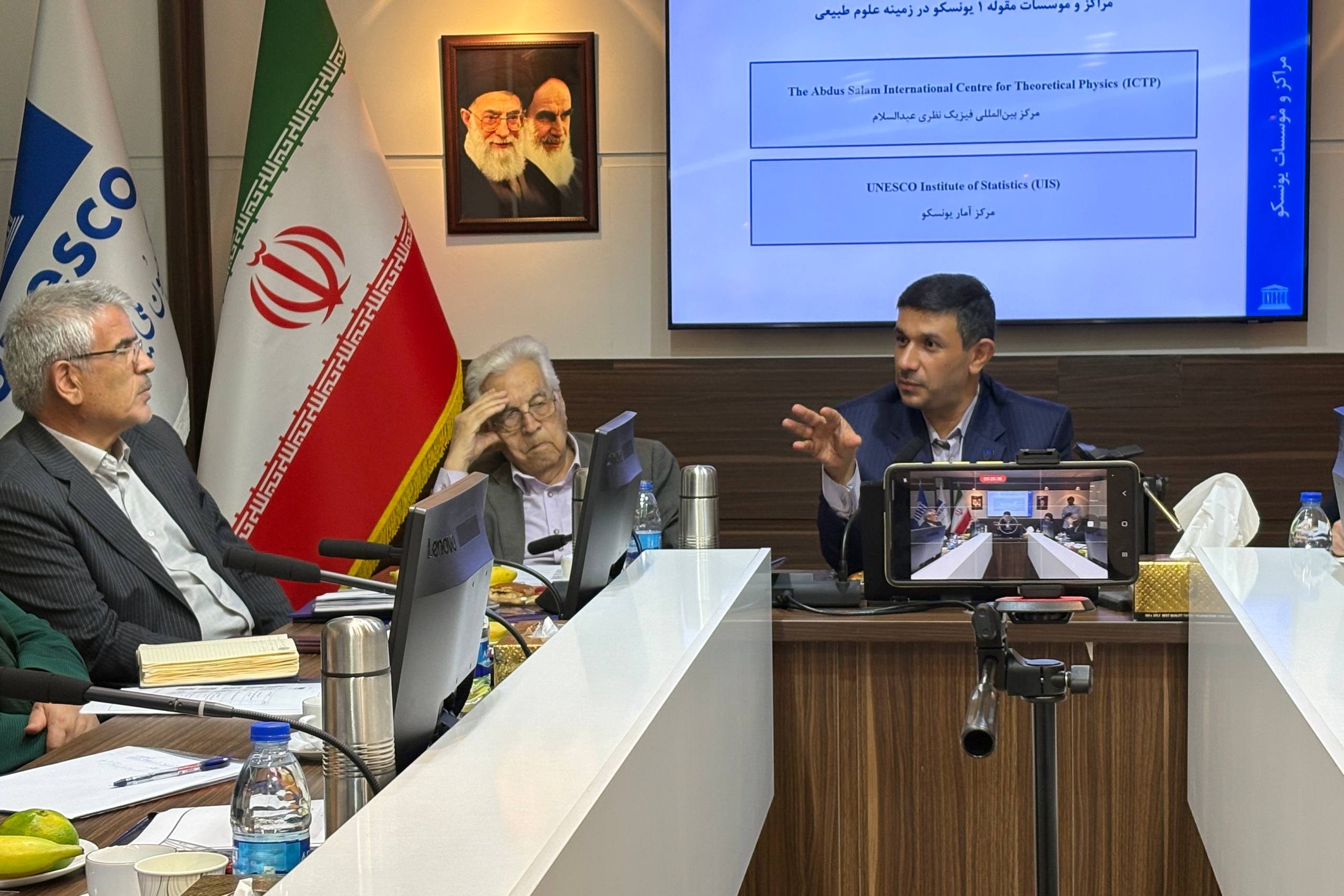
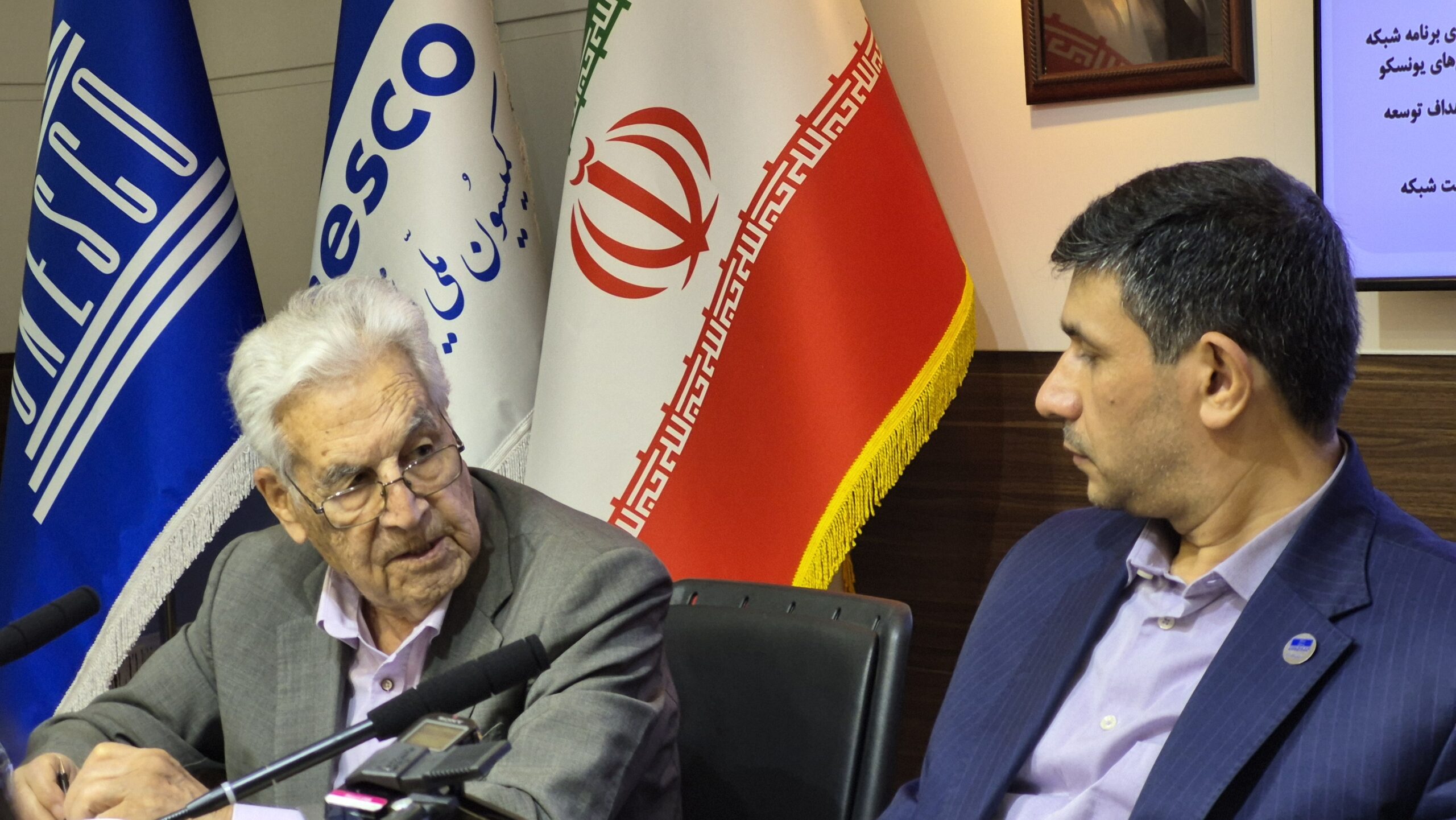
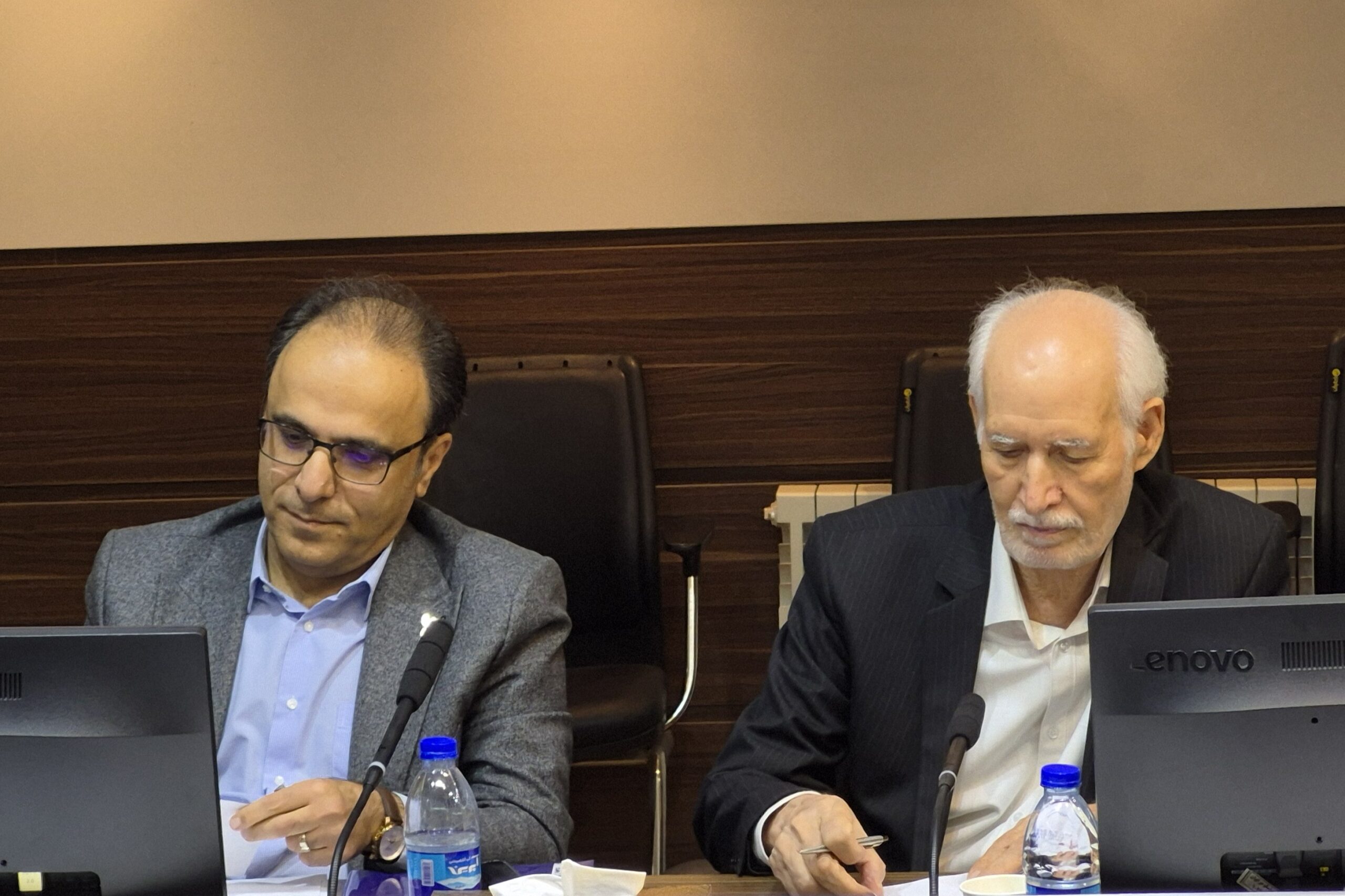
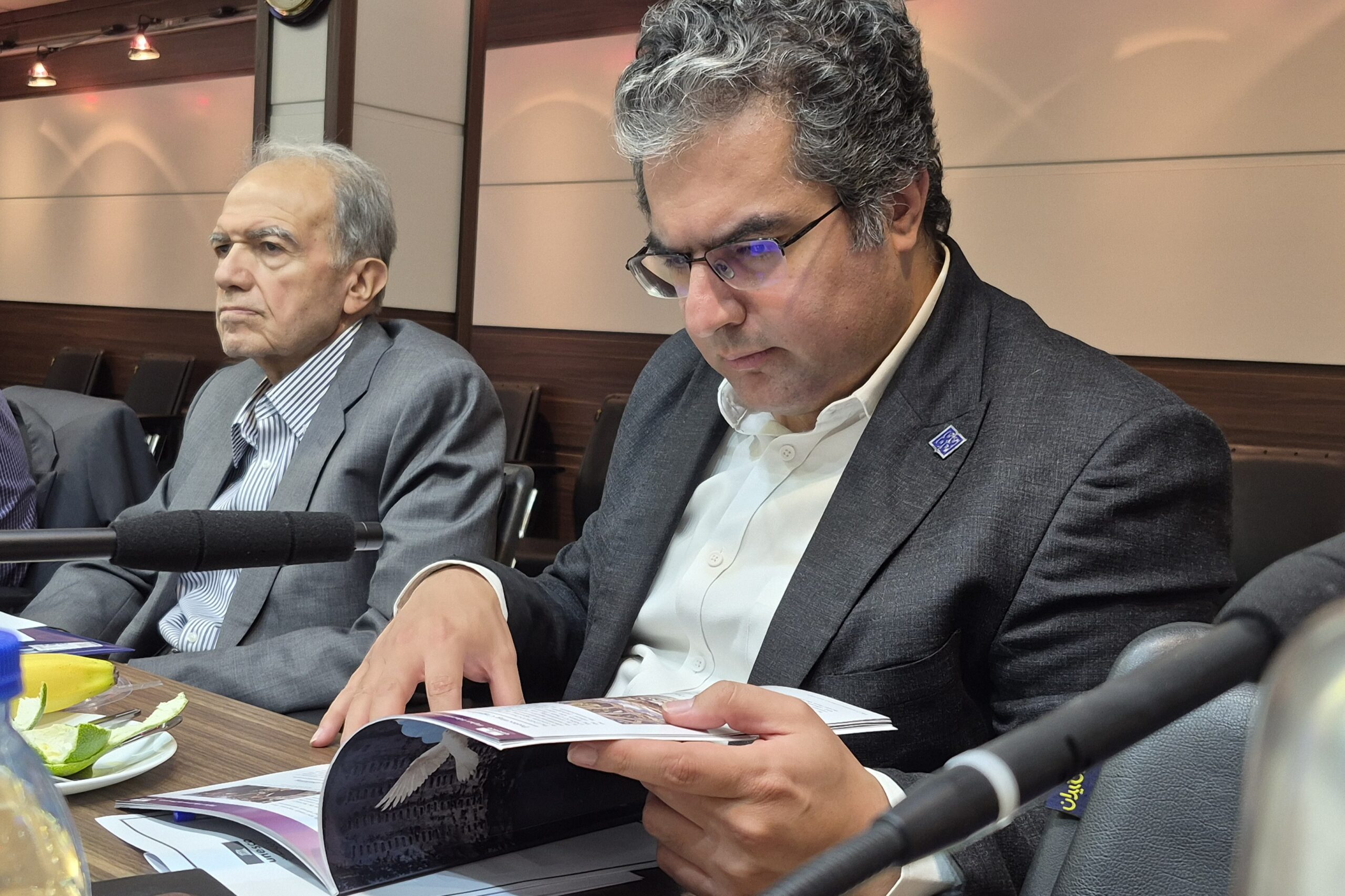
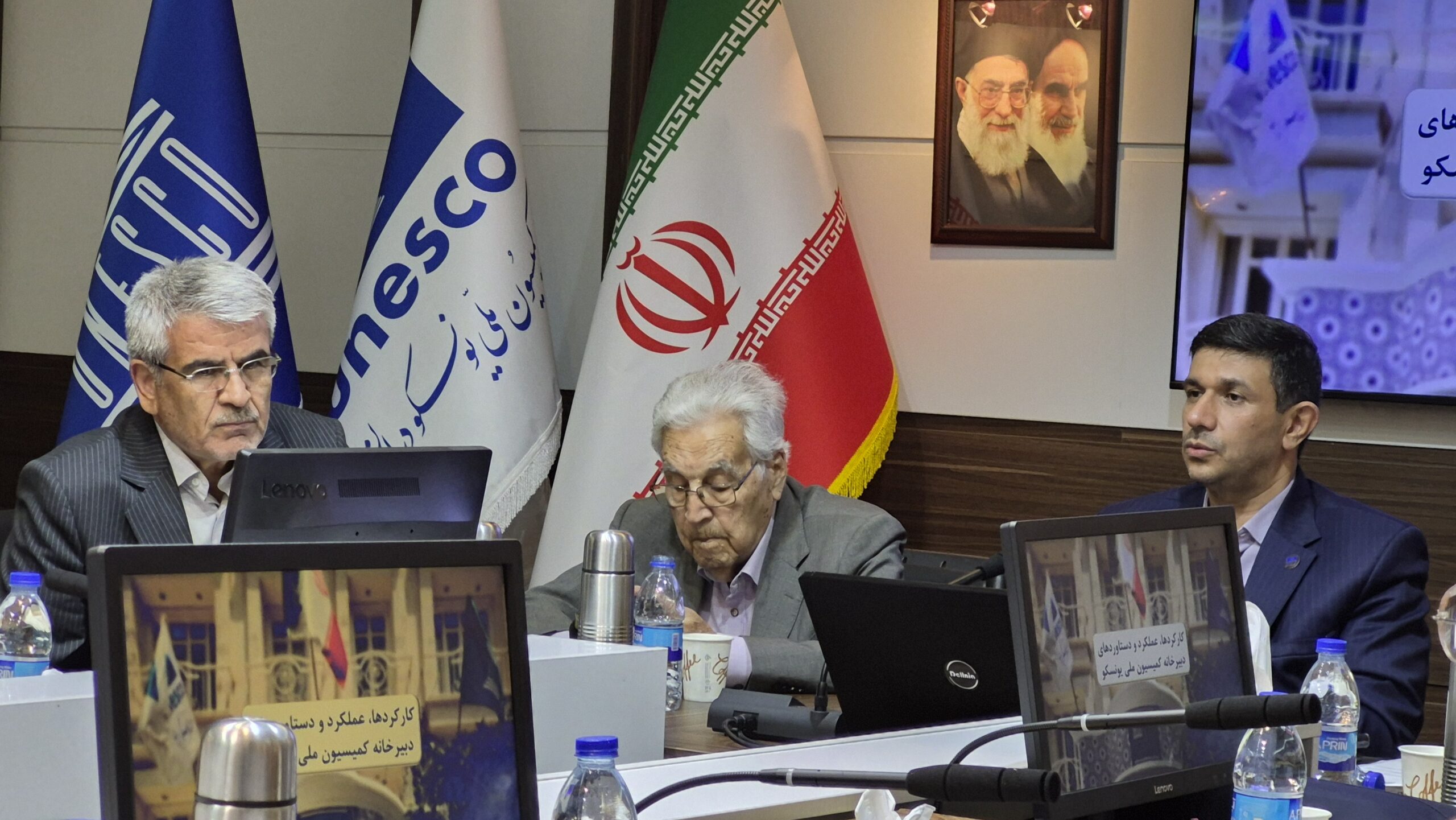
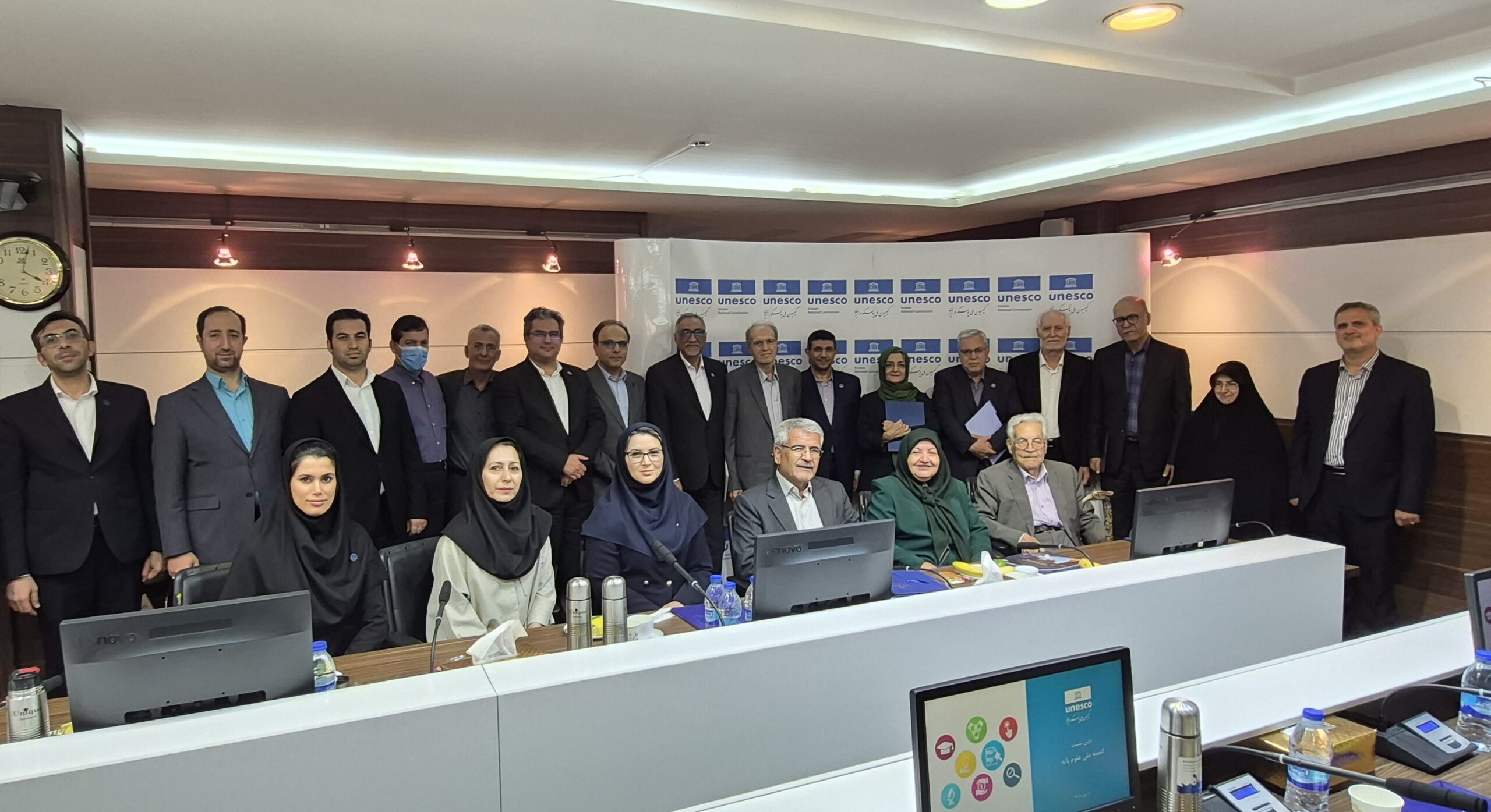
The first meeting of the National Committee for Basic Sciences of The Iranian National Commission for UNESCO, held as part of the new cycle of activities of the Commission’s specialized committees, took place on Wednesday, September 30, 2026, with the participation of the Committee’s individual and institutional members.
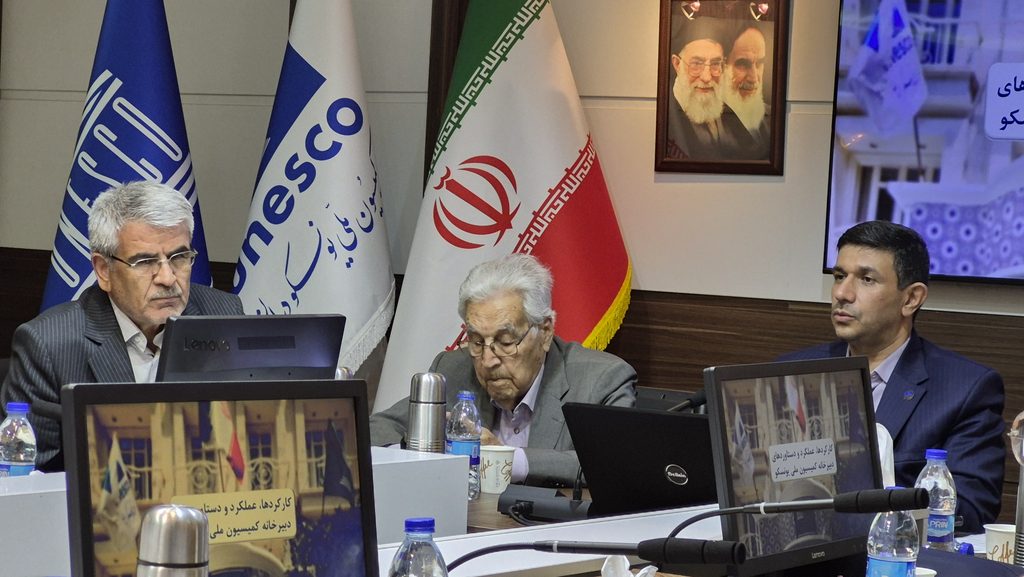
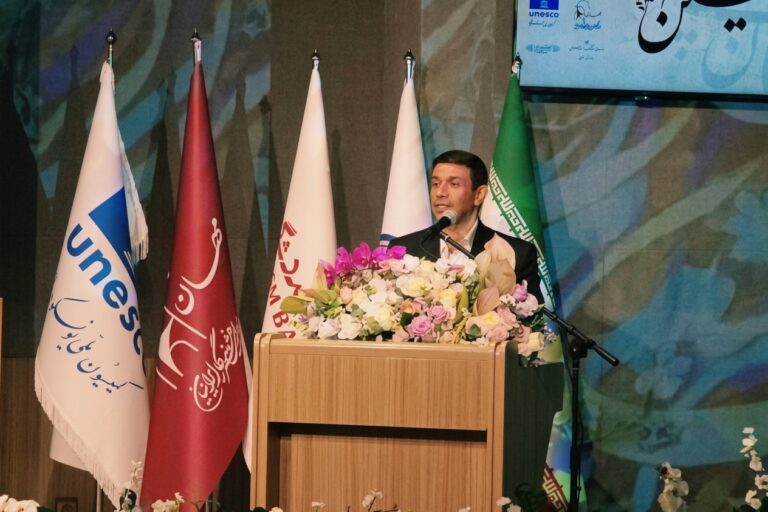
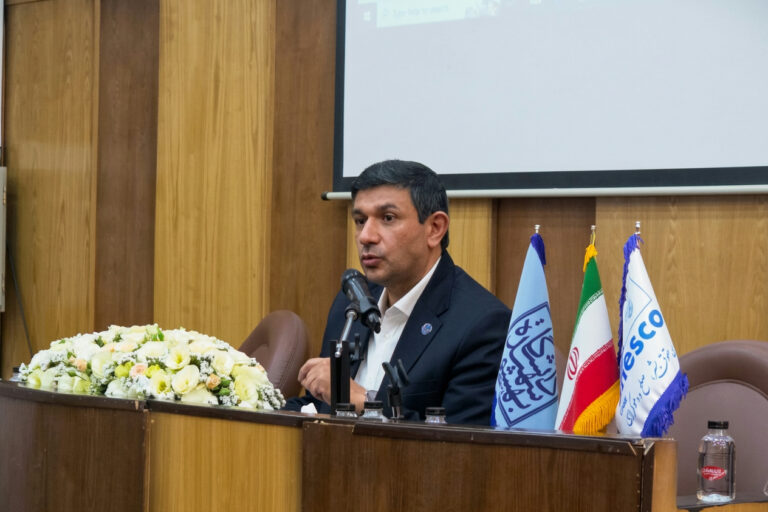
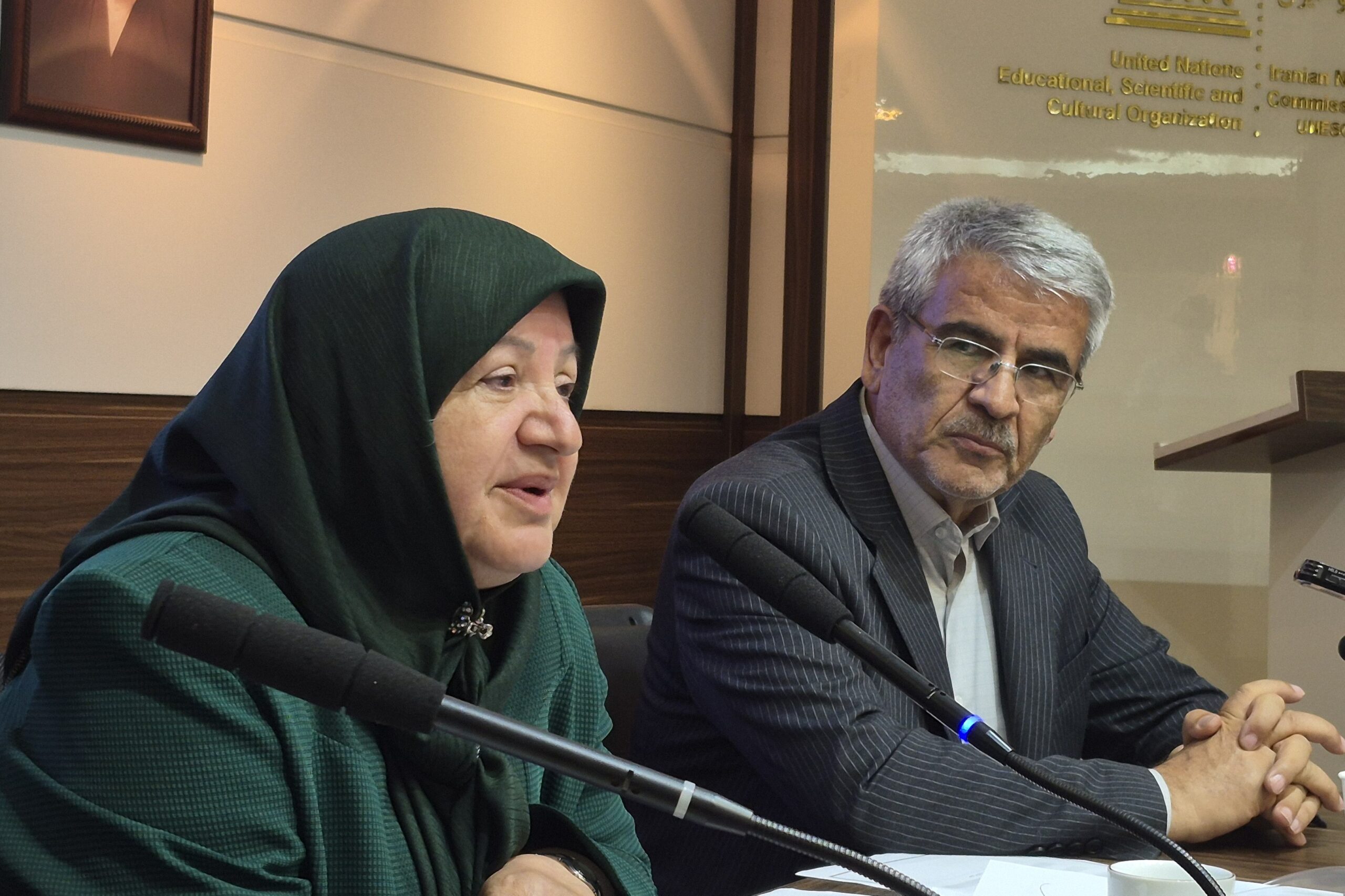
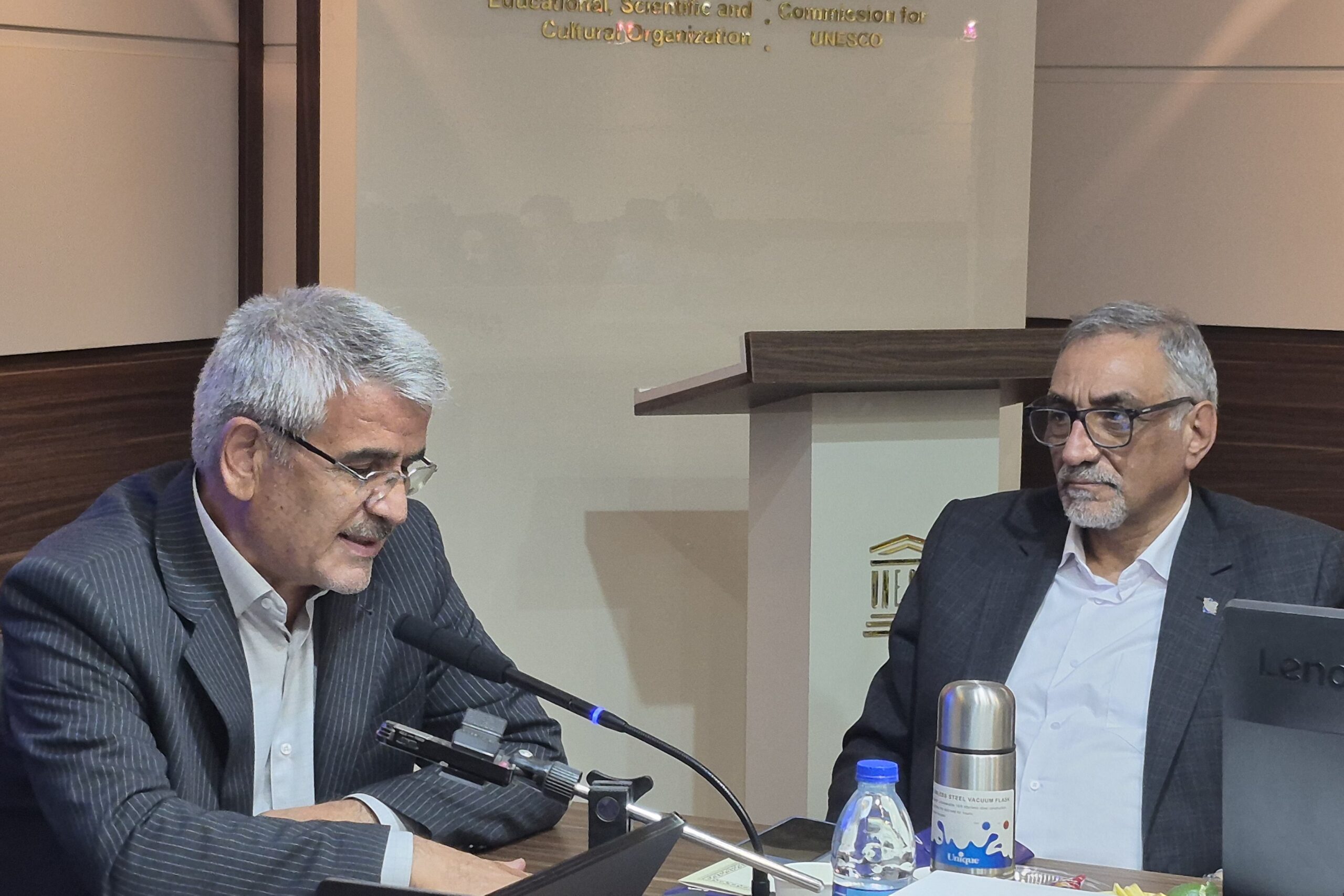
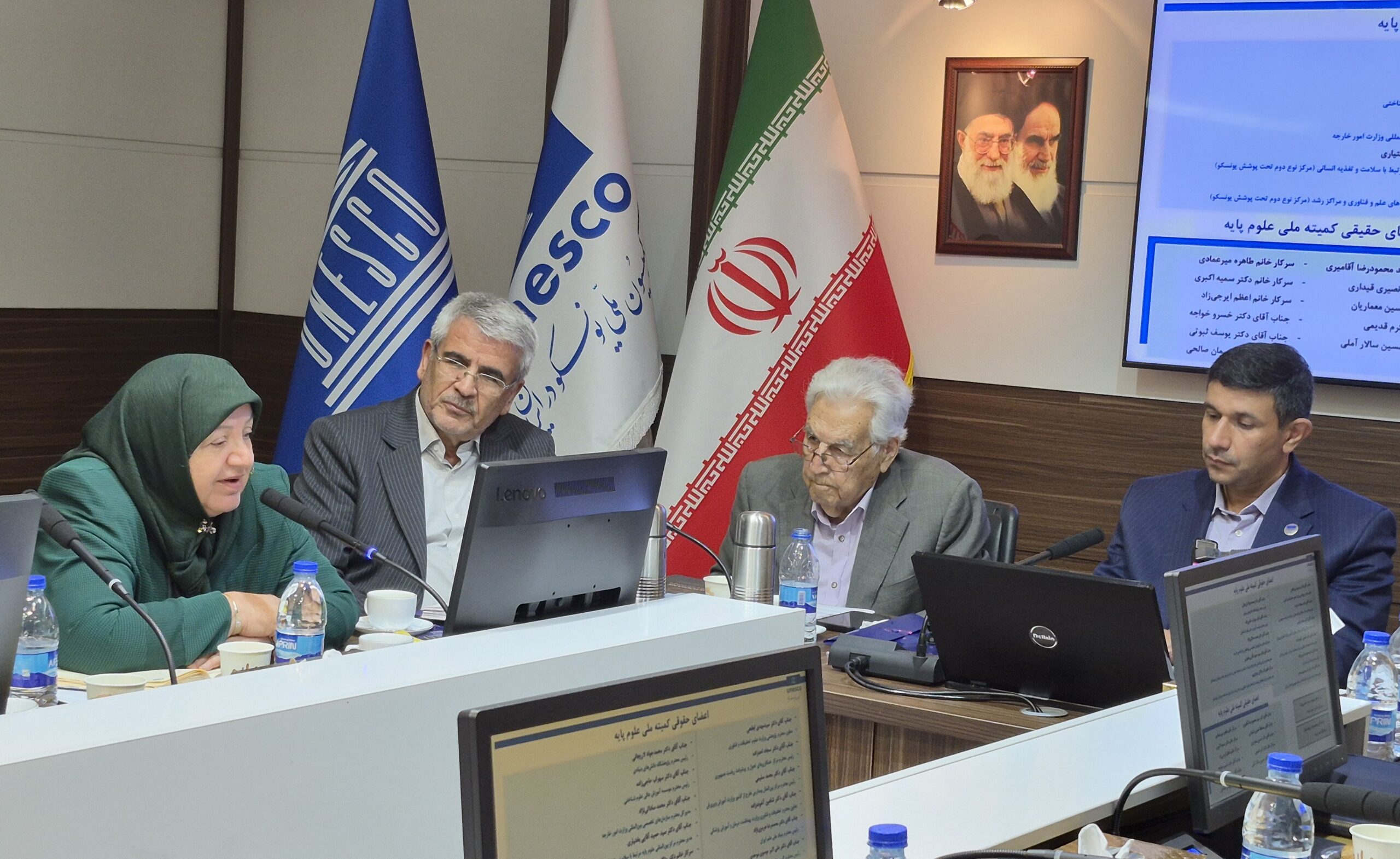
At the beginning of the meeting, Dr. Hassan Fartousi, Secretary-General of The Iranian National Commission for UNESCO, welcomed the Committee members and emphasized the importance of launching the National Committee for Basic Sciences and its role in strengthening scientific and research cooperation in the field of basic sciences. He also provided a brief overview of The Iranian National Commission for UNESCO, the structure of its specialized committees, and the new regulations governing their activities, introducing the members to the Committee’s mandate, objectives, and operational mechanisms.
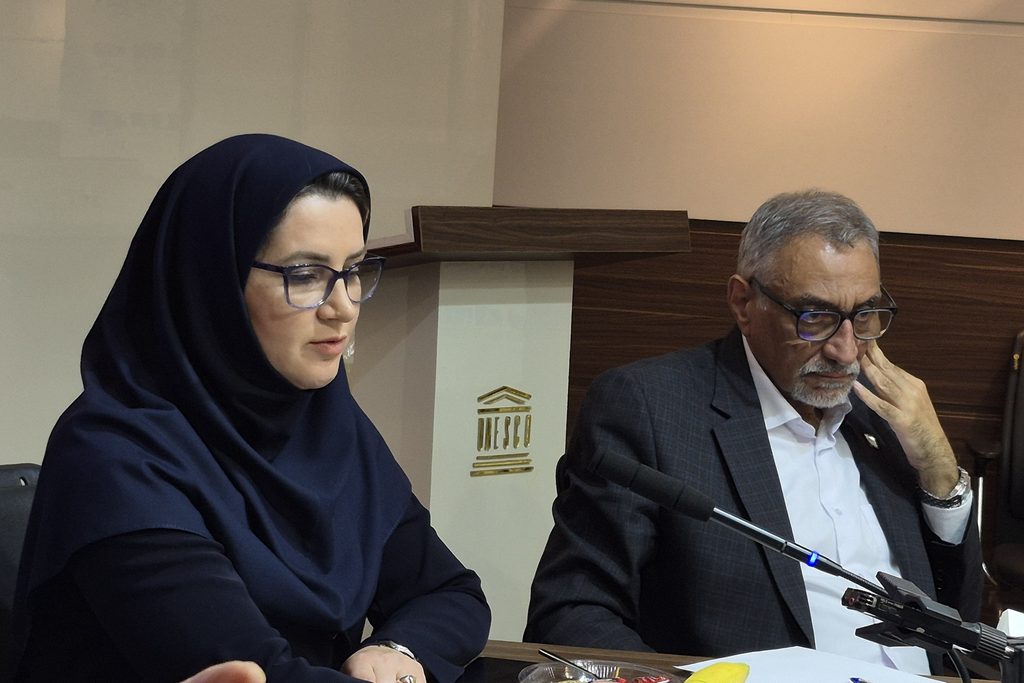
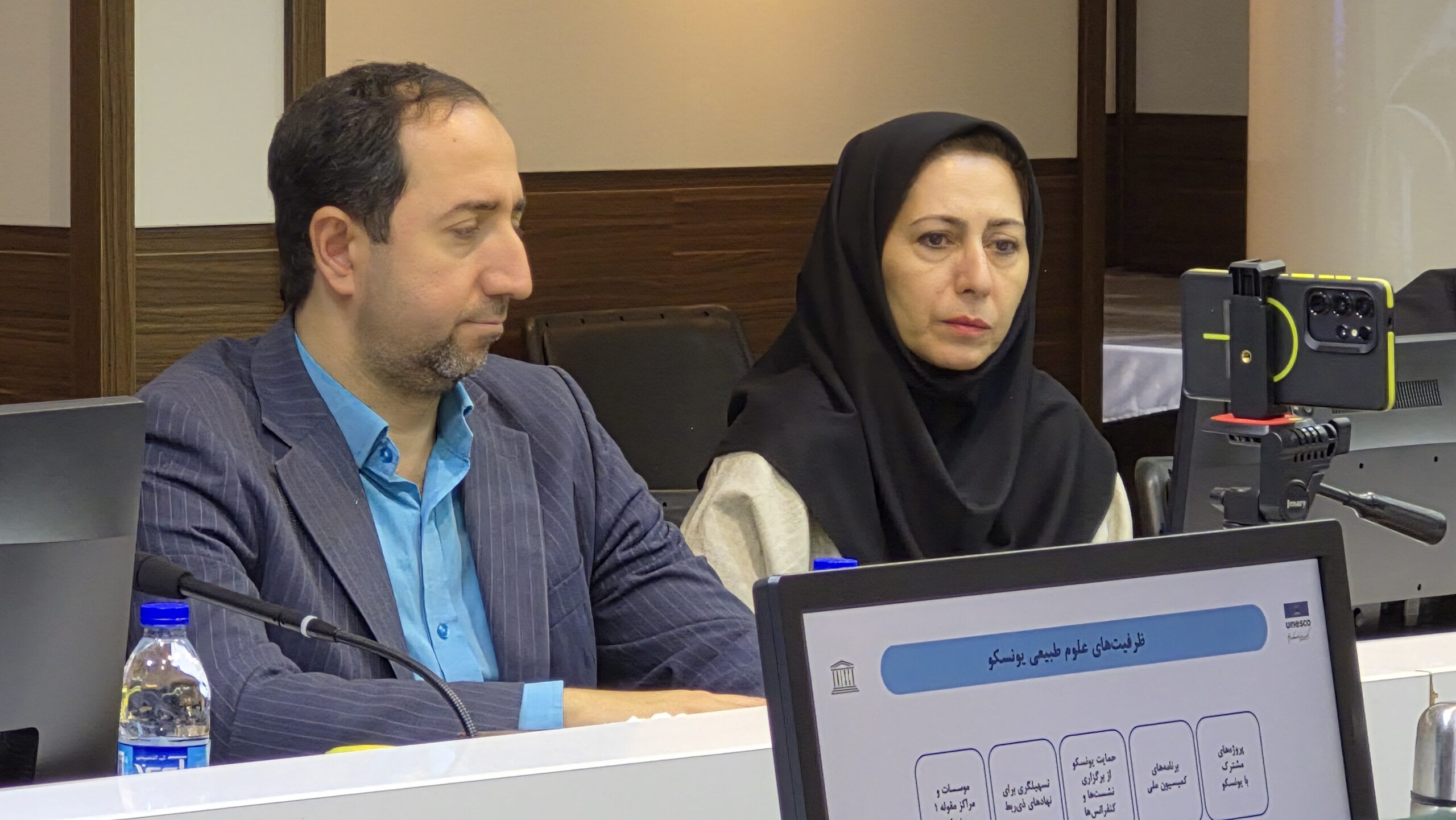
Continuing the meeting, Ms. Sahar Ahmadizadeh, Director of the Natural Sciences Department of The Iranian National Commission for UNESCO and Secretary of the National Committee for Basic Sciences, presented a report on the latest developments, plans, and activities of UNESCO’s International Basic Sciences Program. The report outlined the program’s main areas of activity and initiatives in the field of basic sciences and reviewed opportunities for the country to participate in UNESCO’s international programmes and initiatives. The Committee’s individual and institutional members were also introduced. Discussions then focused on opportunities for cooperation, the development of scientific and research activities, strengthening engagement among relevant institutions, and making effective use of the capacities of UNESCO and the International Basic Sciences Program.
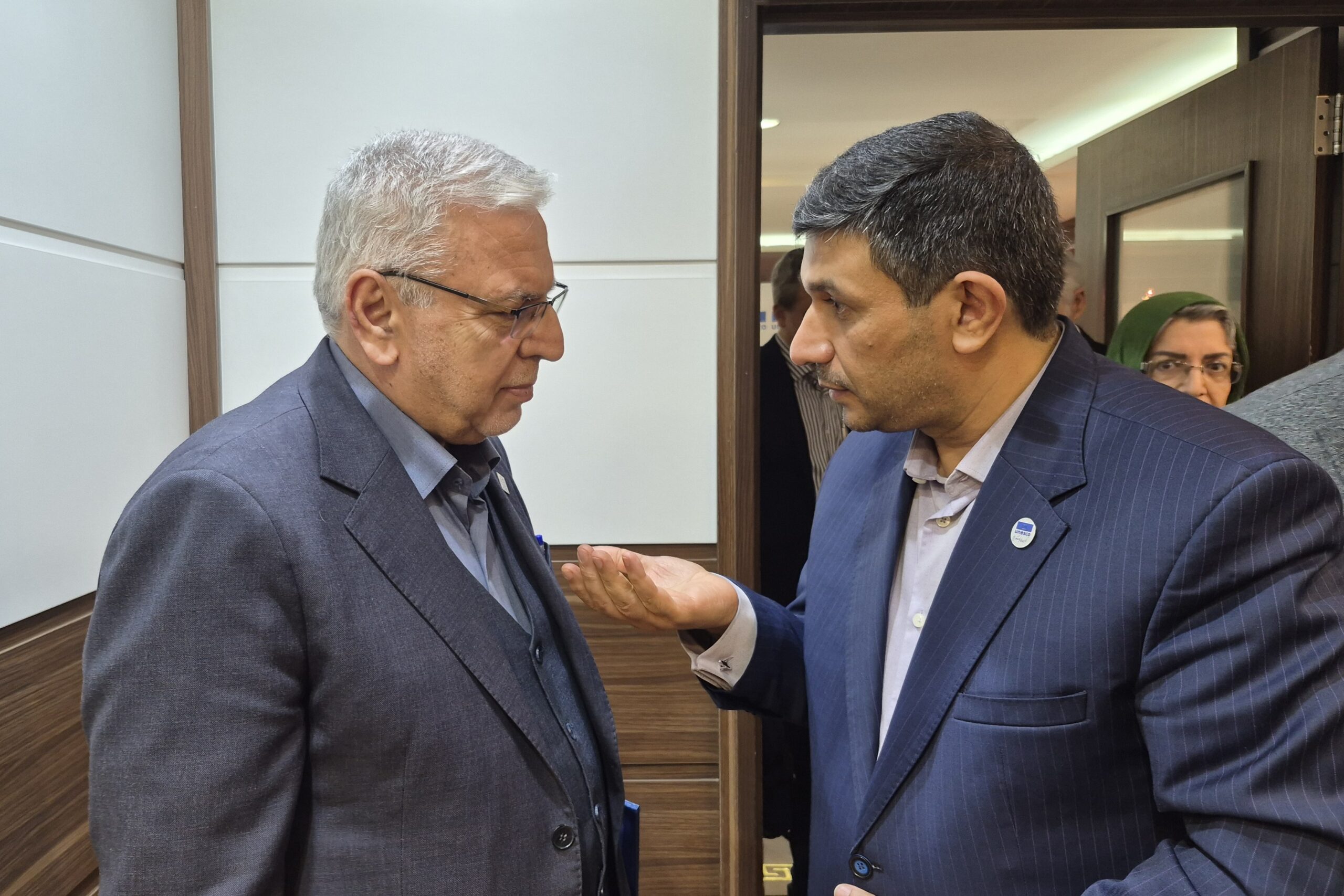
The Committee’s institutional members attending the meeting included Dr. Seyed Mehdi Abtahi, Deputy Minister for Research at the Ministry of Science, Research and Technology; Dr. Mohammad Reza Hormozi Nejad, President of the Iran National Science Foundation; Dr. Sohrab Hajizadeh, President of the Institute for Cognitive Science Studies; Dr. Ali Akbar Mousavi Movahedi, Head of the Basic Sciences Group at the Academy of Sciences; Dr. Seyed Hamid Aghaei Bakhtiari, Director of the International Center for Basic Sciences Related to Health and Human Nutrition; Dr. Mozhgan Yazdianpour, Director of the Regional Center for the Development of Science and Technology Parks and Incubators; and Mr. Seyed Mohammad Javad Seif al-Sadat, Coordinator of the National Committees.
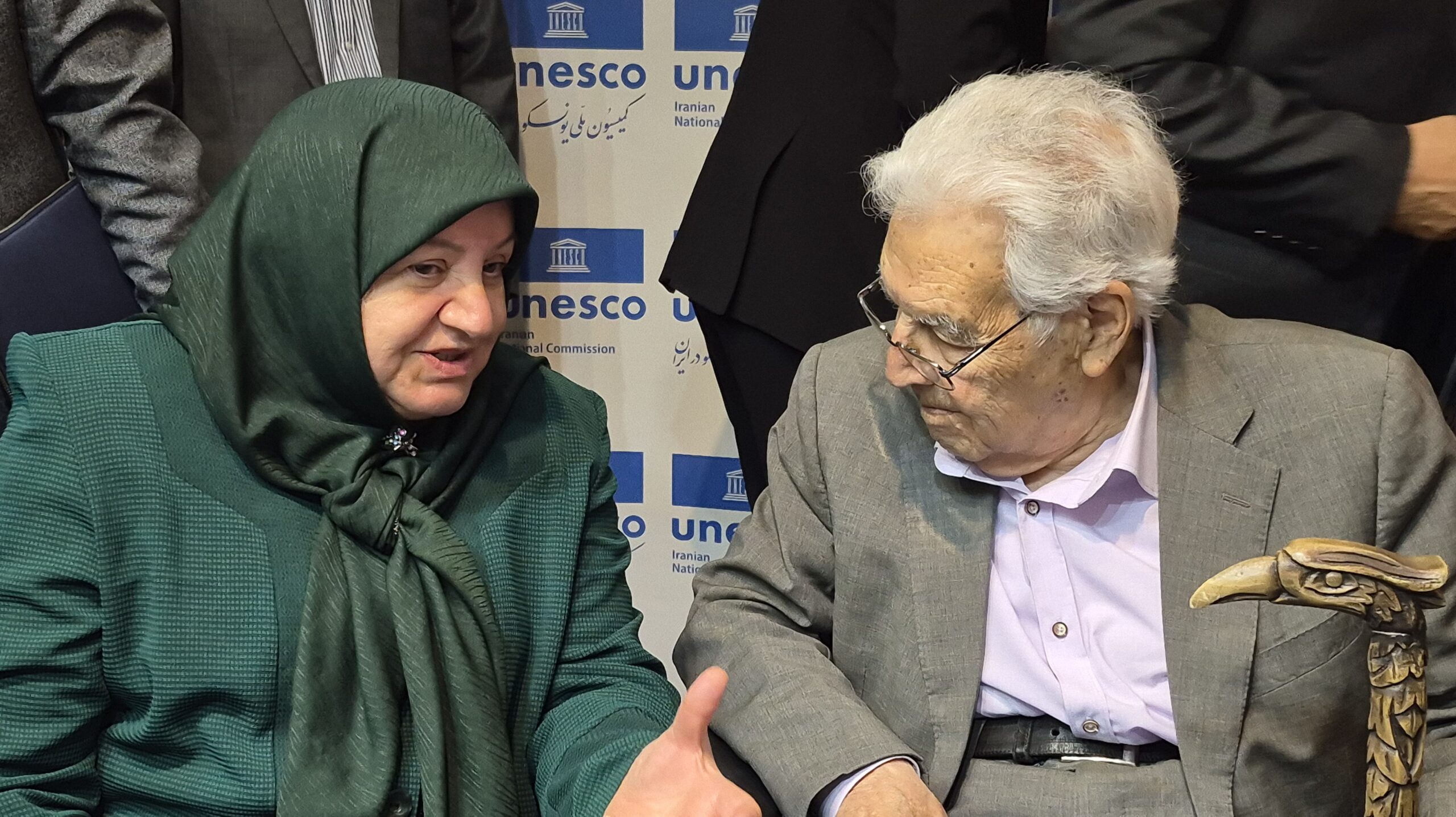
The meeting was also attended in person by Dr. Yousef Sobouti, Dr. Seyed Mahmoud Reza Aghamiri, Dr. Saadollah Nasiri Gheidari, Dr. Akram Ghadimi, Dr. Hossein Salar Amoli, Dr. Tahereh Mir Emadi, Dr. Azam Irajizad, and Dr. Khosrow Khajeh, who had been nominated by the Secretary-General as individual members of the National Committee for Basic Sciences and appointed for a two-year term by the Minister of Science, Research and Technology and the President of The Iranian National Commission for UNESCO. Dr. Somayeh Akbari and Dr. Peyman Salehi participated online.
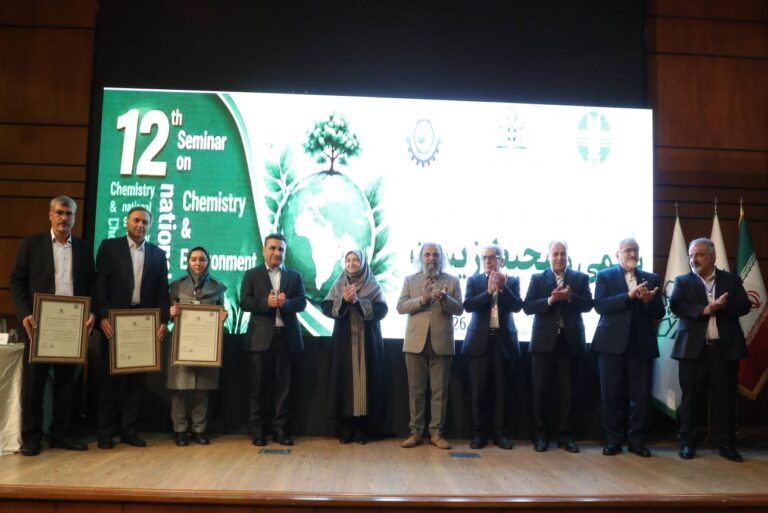
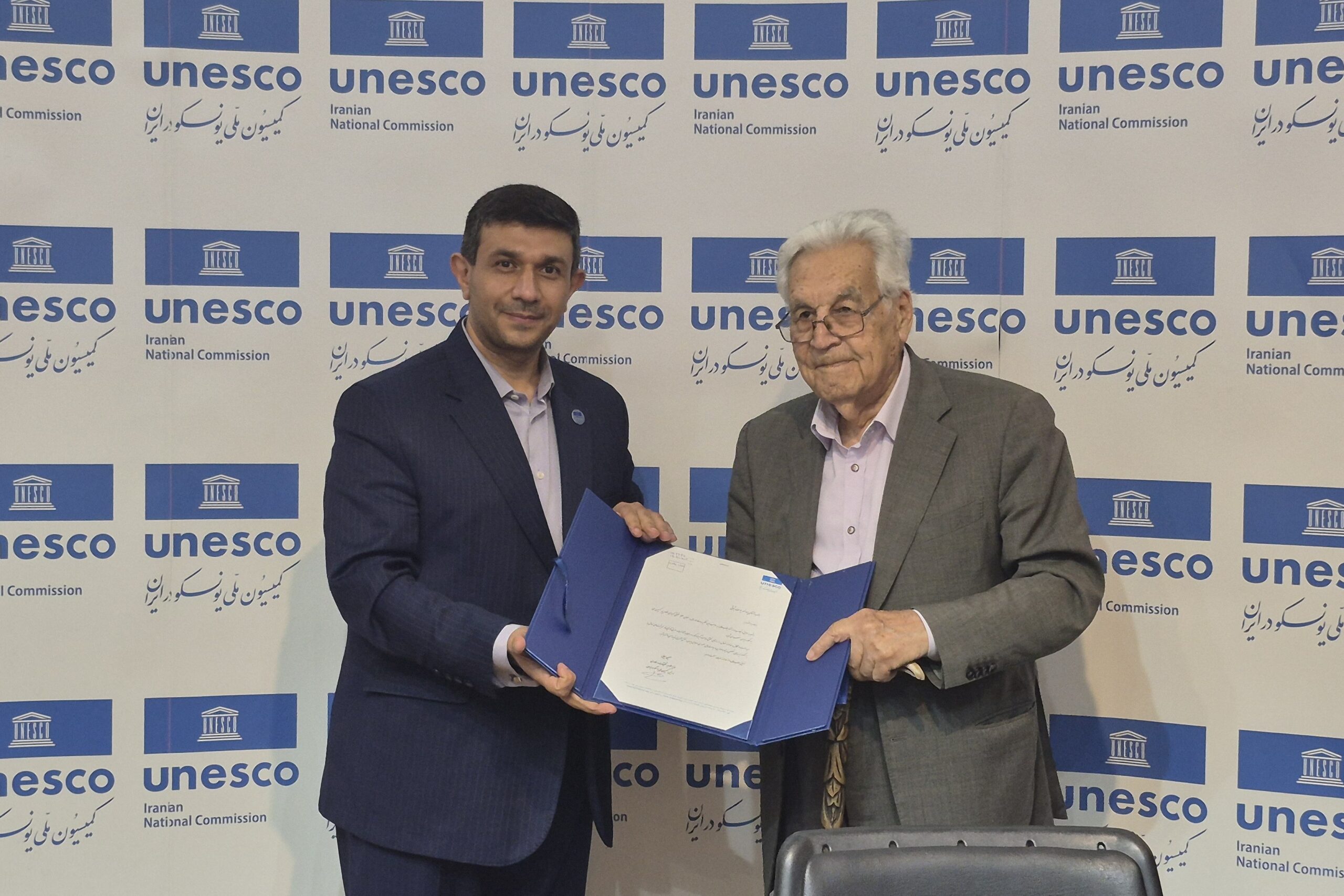
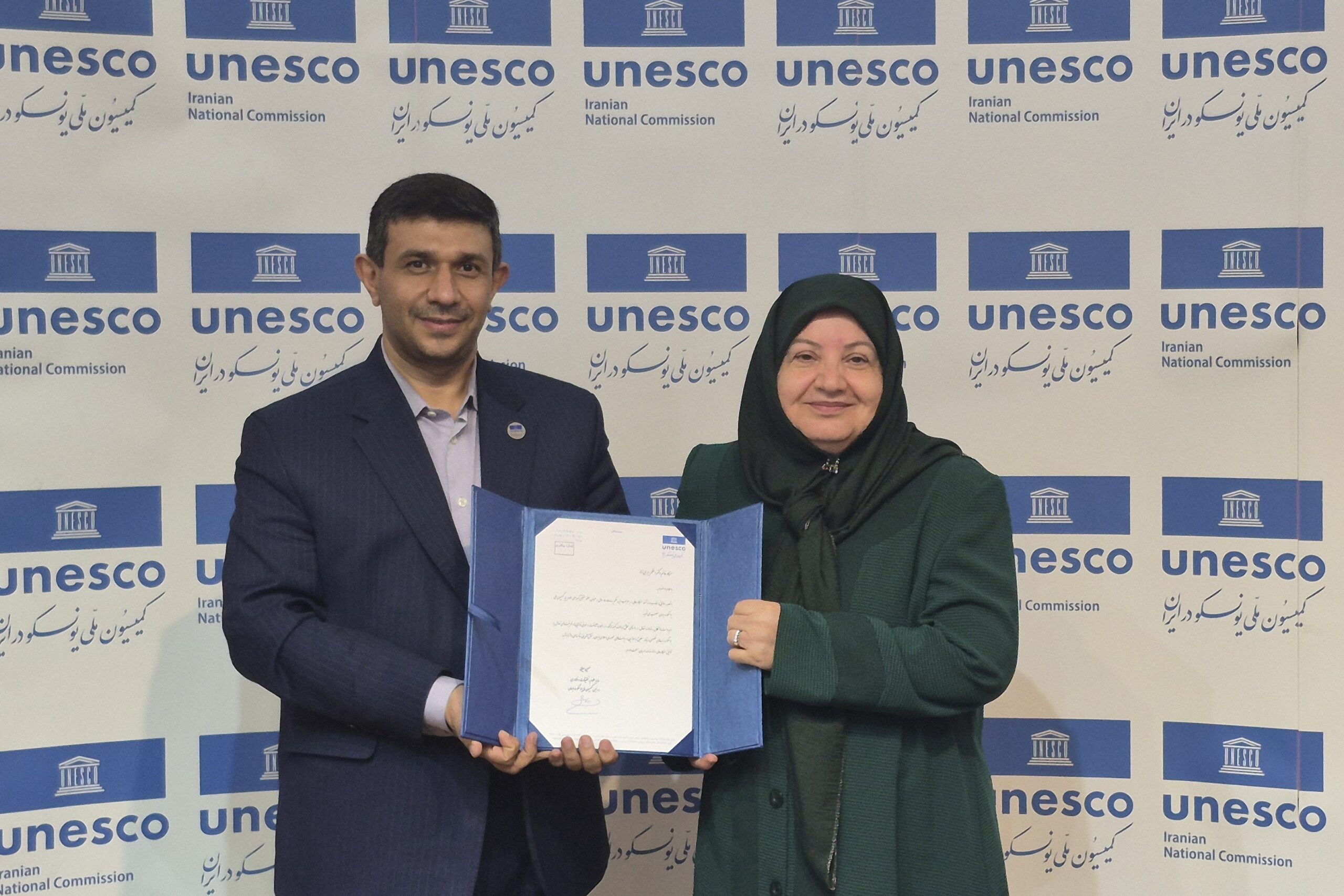
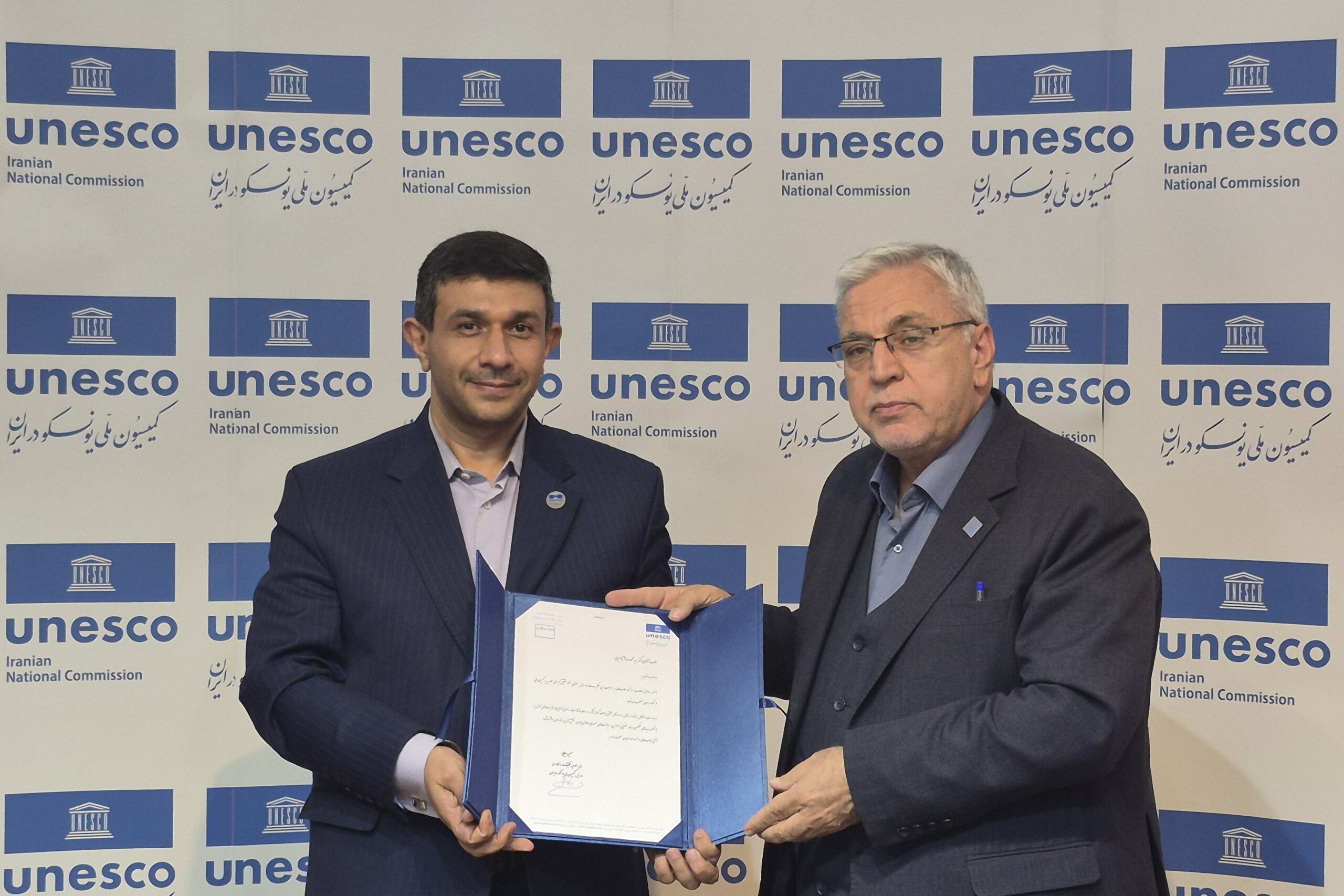
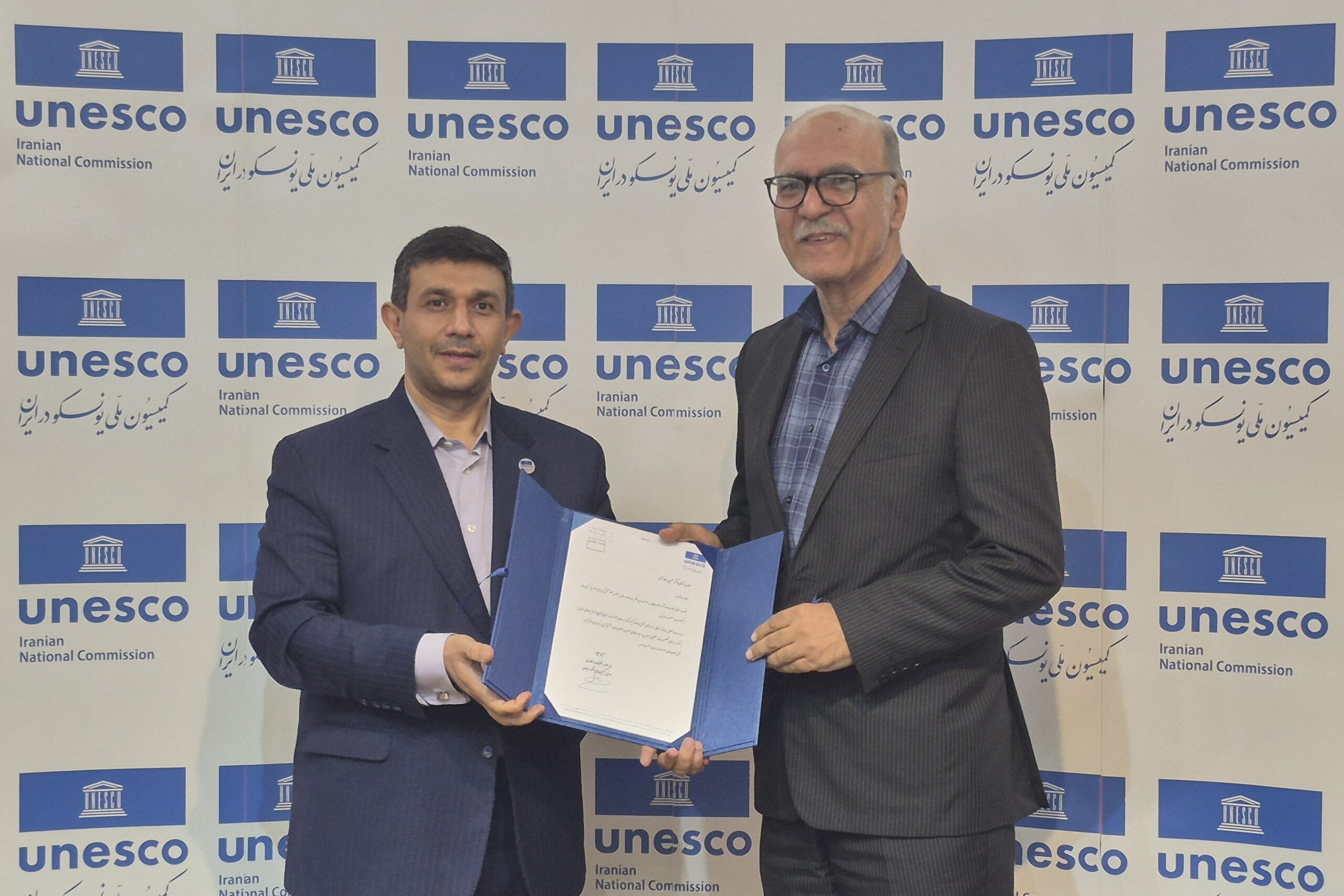
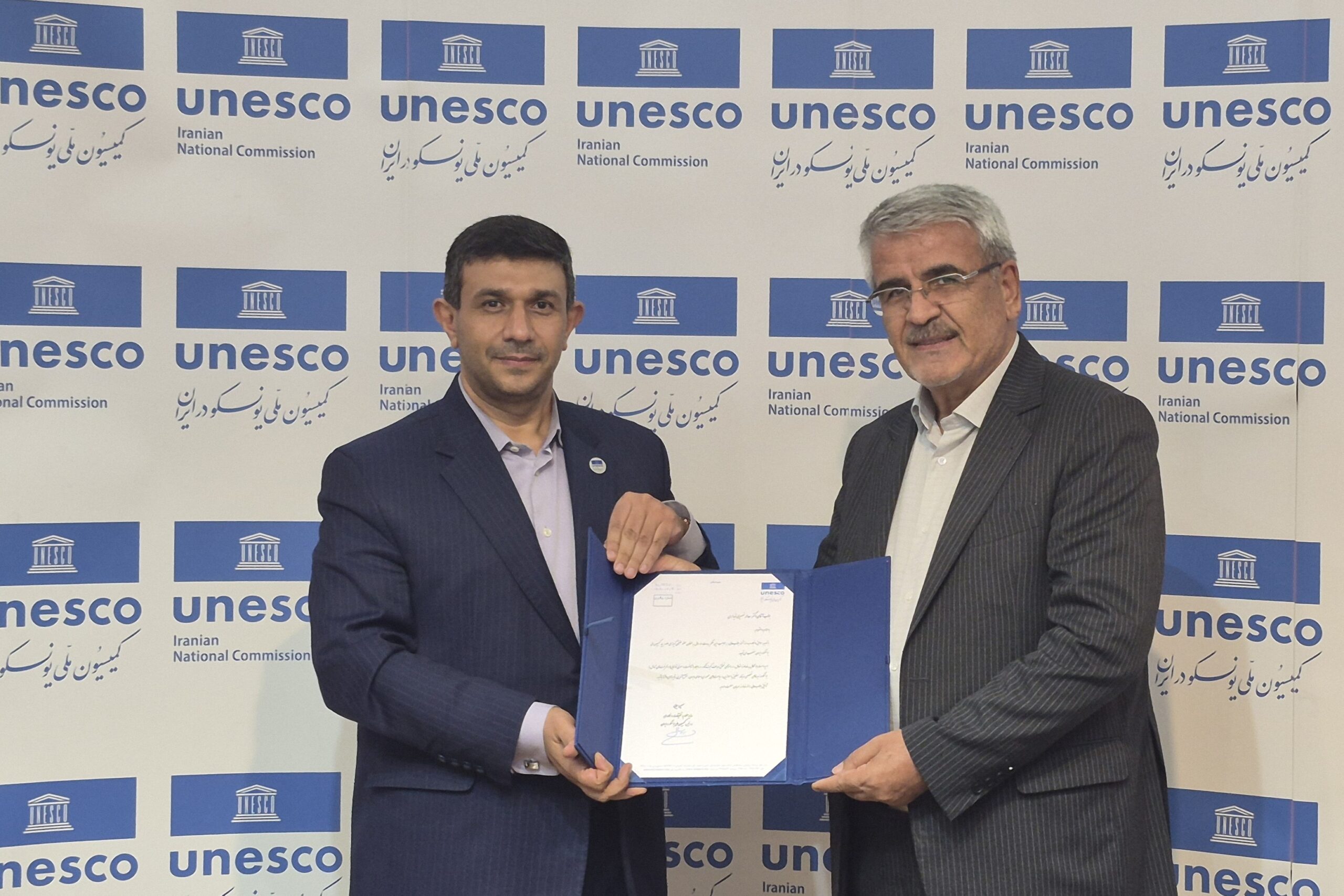
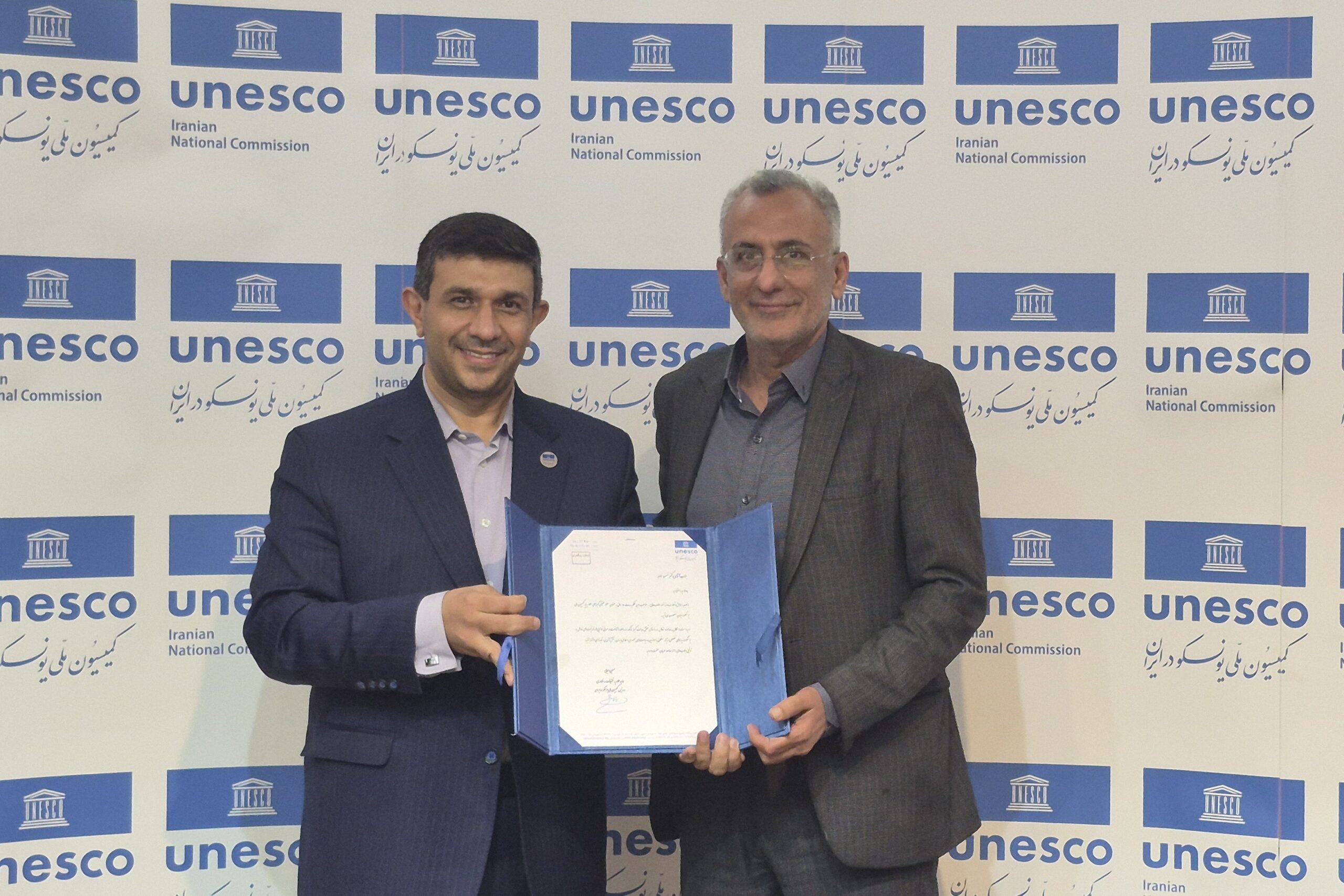
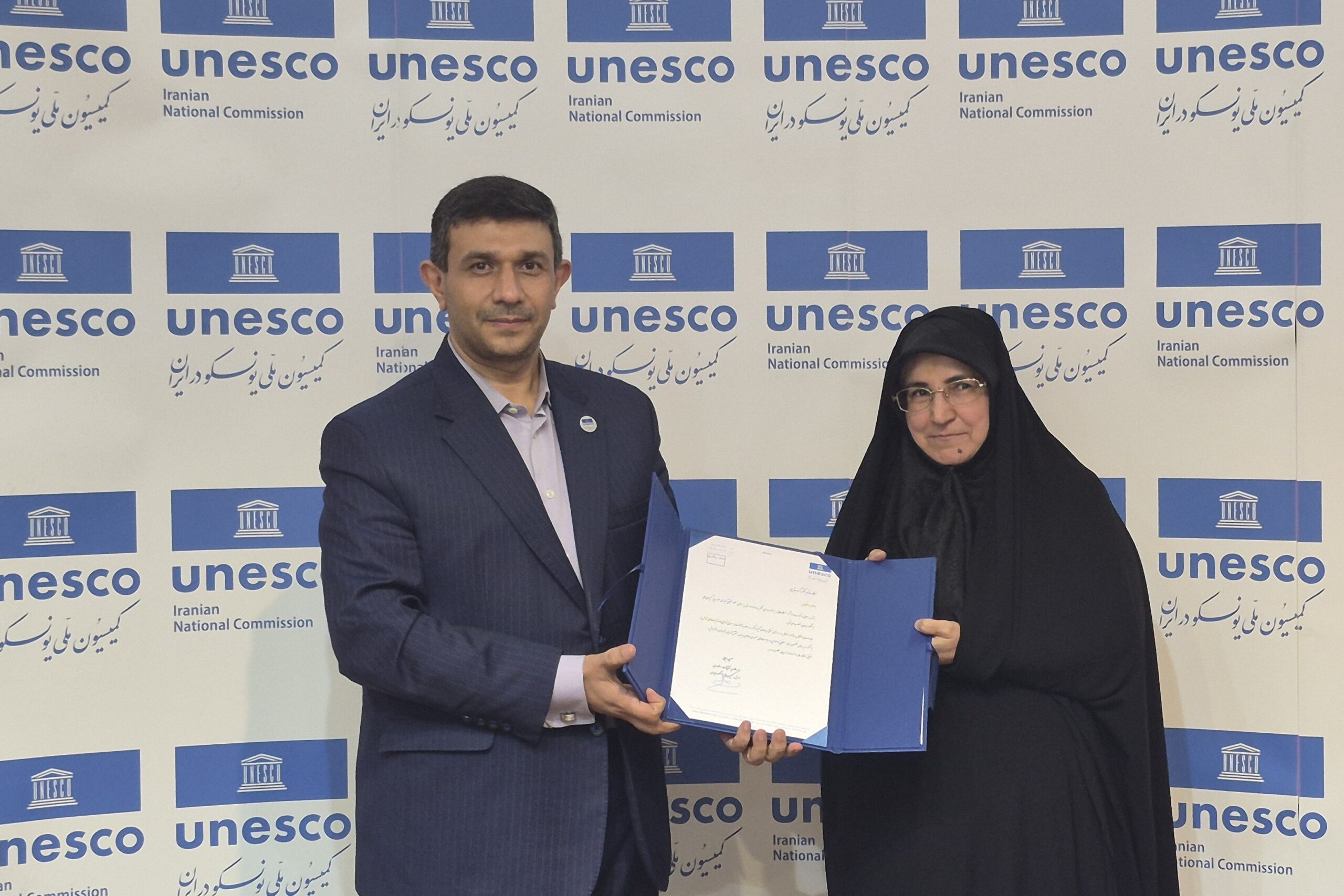
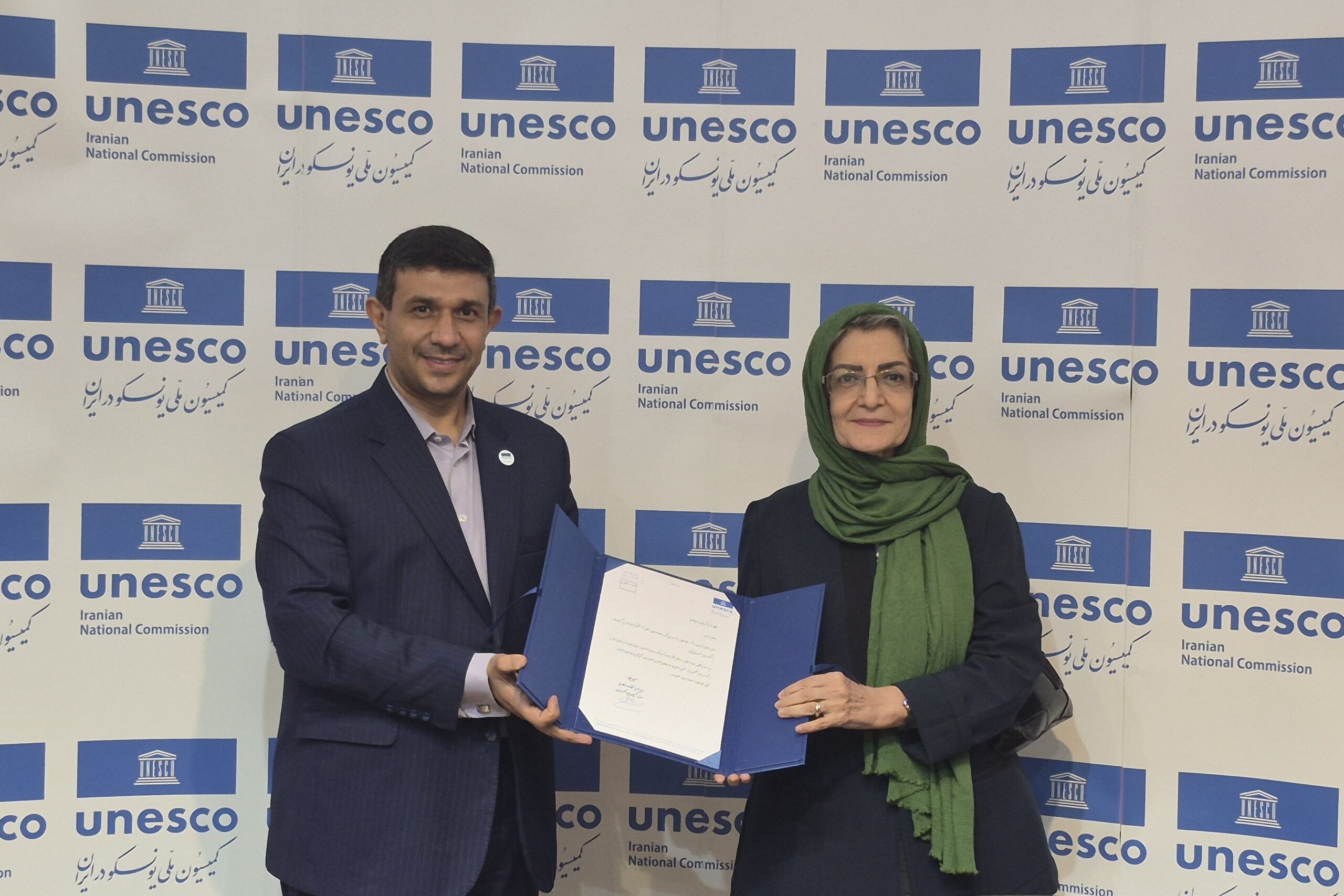
In the final part of the meeting, elections for the Committee’s Executive Board were held in accordance with the new regulations governing the specialized committees of The Iranian National Commission for UNESCO. Based on the members’ votes, Dr. Saadollah Nasiri Gheidari was elected Chair and Dr. Azam Irajizad Vice-Chair of the National Committee for Basic Sciences of The Iranian National Commission for UNESCO. In recognition of his scientific standing and academic record, Dr. Yousef Sobouti was appointed Honorary Chair of the Committee. The appointment letters for the Committee’s individual members, signed by the Minister of Science, Research and Technology, were also presented to them.
The first meeting of the National Committee for Basic Sciences marks a step towards strengthening cooperation among scientific and research institutions, drawing on the country’s specialized capacities, expanding international engagement, and making more effective use of UNESCO’s resources in the field of basic sciences. It is expected to help the Committee play a more effective role in advancing science and technology and achieving the Sustainable Development Goals.