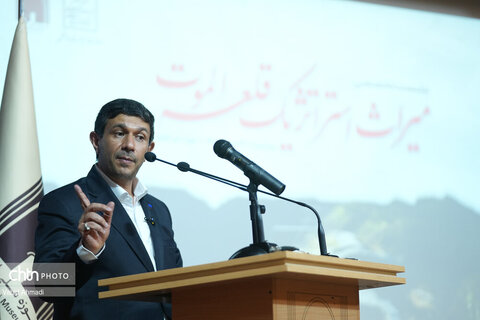
Alamut Must Be Presented to the World Through the Lens of Iranian Culture and Our Own Narrative
The Secretary-General of Iran’s National Commission for UNESCO described the inscription of “Alamut Castle and Its Associated Fortifications” on the UNESCO World Heritage List as a reflection of the potential of Iranian culture and the result of collective efforts by specialists. He emphasized that Alamut’s inscription offers an opportunity to present this heritage to the world through an Iranian perspective, drawing on history, knowledge, and research.
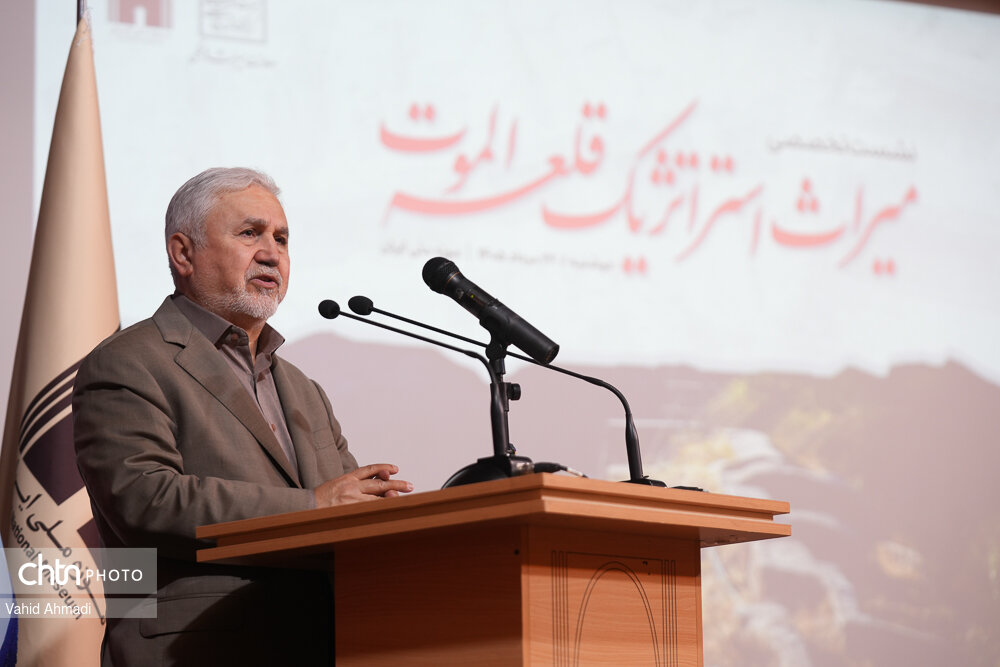
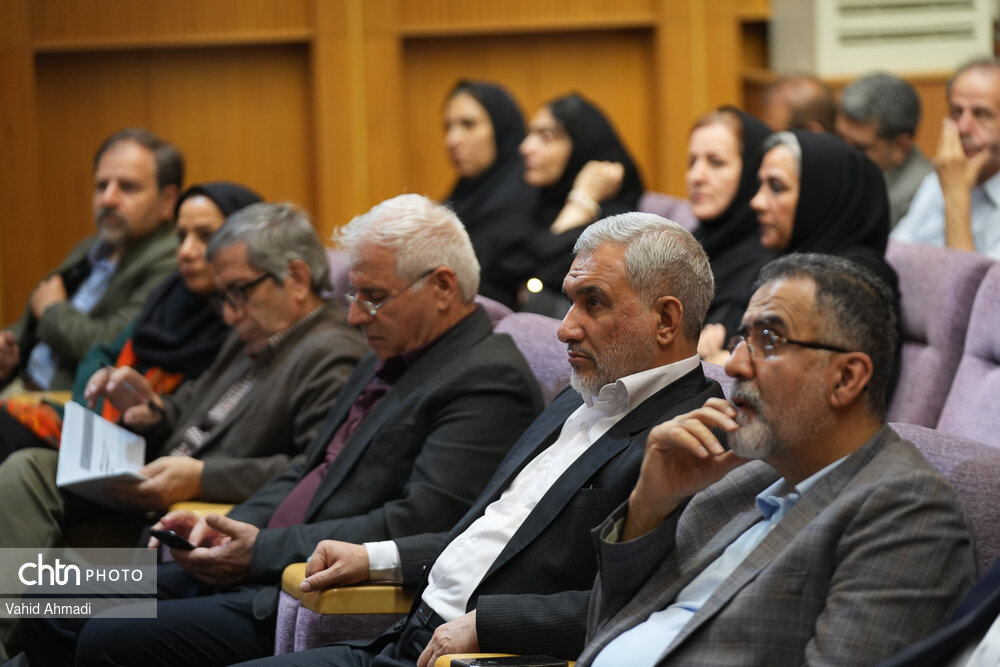
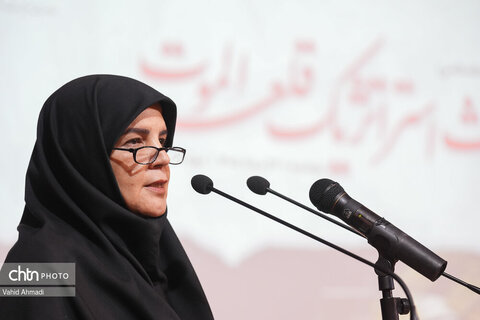
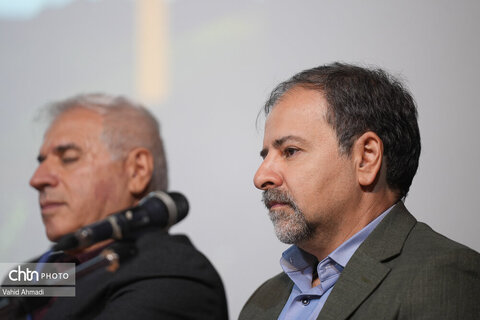
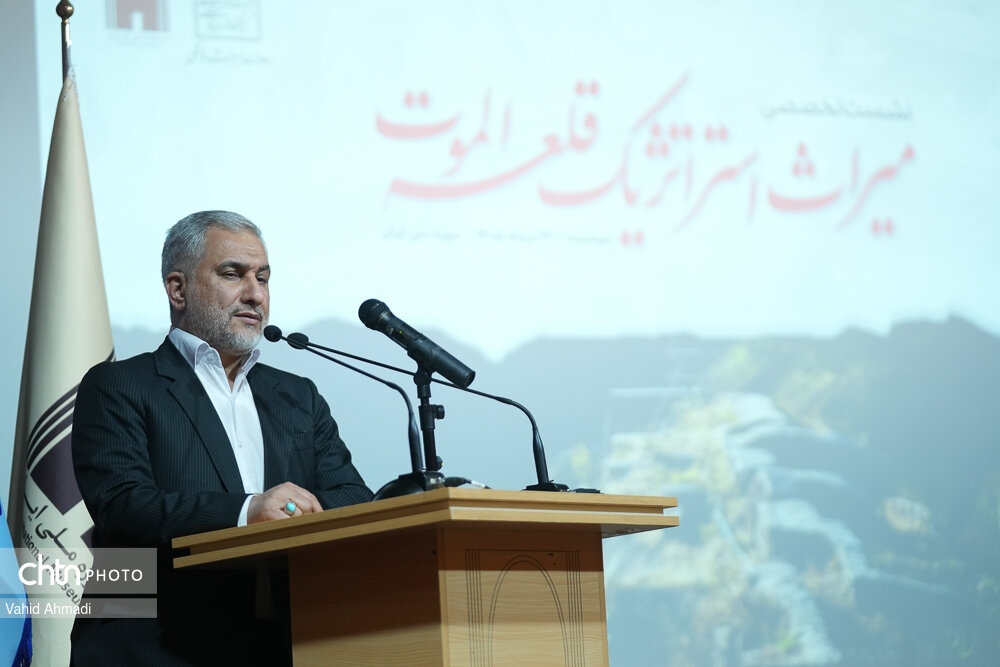
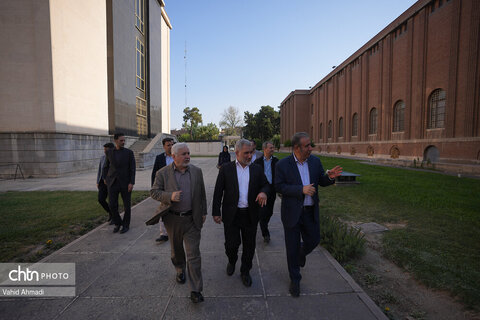
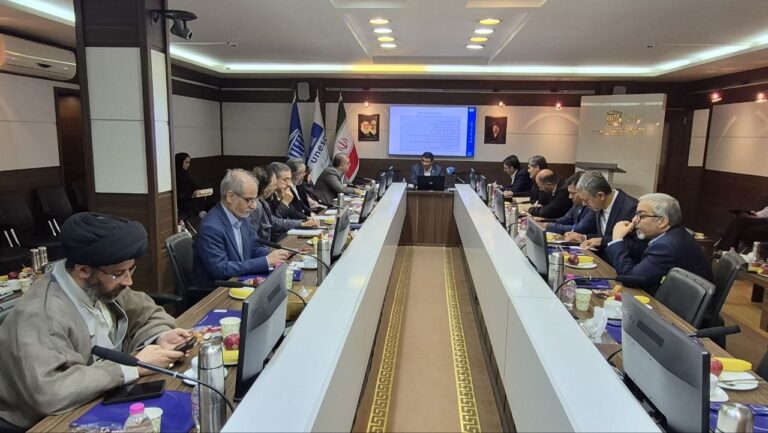
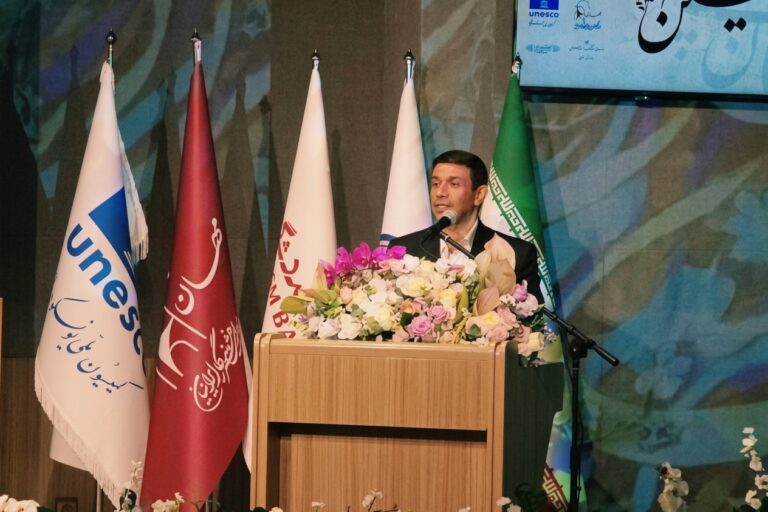
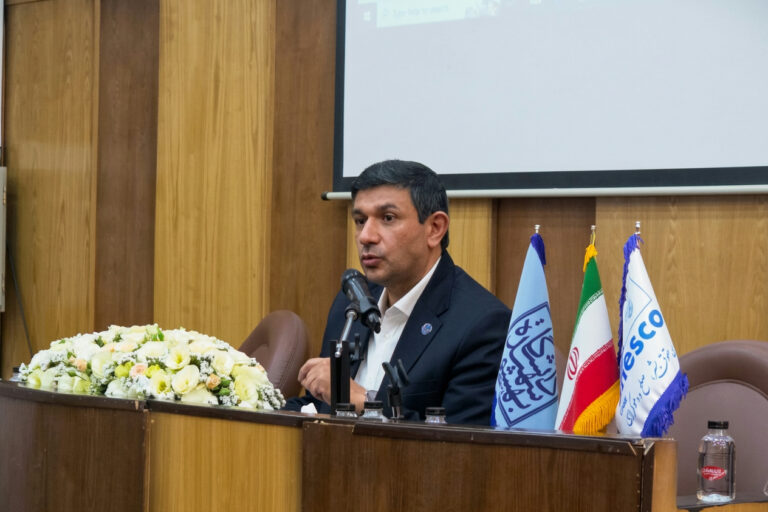
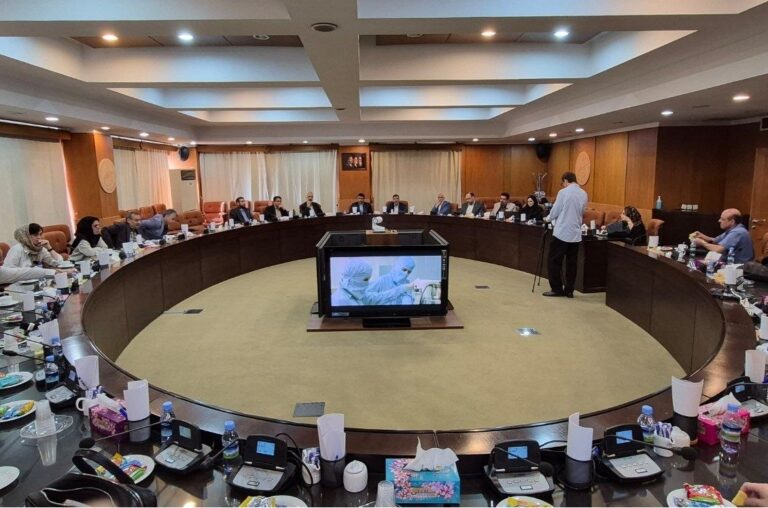
The specialized meeting “The Strategic Heritage of Alamut Castle” was held at the National Museum of Iran on Monday evening, August 17, 2026, to mark the inscription of “Alamut Castle and Its Associated Fortifications” as Iran’s 30th tangible cultural heritage property on the UNESCO World Heritage List. At the meeting, Dr. Hassan Fartousi, Secretary-General of Iran’s National Commission for UNESCO, joined a group of officials and experts in the field of cultural heritage to examine the historical, cultural, and strategic dimensions of the complex.
Alamut’s World Heritage Inscription: The Result of Synergy Across Iranian Culture
Fartousi congratulated the team on the inscription of “Alamut Castle and Its Associated Fortifications” on the UNESCO World Heritage List, describing this achievement as the result of collective efforts, coordination, and the mobilization of researchers’ and specialists’ expertise. He stated that the name and standing of Iranian culture constitute a significant foundation for Iran’s nominations on the international stage.
He added that whenever Iran’s name is mentioned at UNESCO, the country’s rich cultural and civilizational heritage comes into focus. This potential can play an important role in appropriately presenting Iran’s historical sites on the international stage.
Referring to the reaction of a UNESCO official following the inscription of Alamut on the World Heritage List, the Secretary-General of Iran’s National Commission for UNESCO said: “One of the most memorable remarks about Iran was that Iran does not simply have cultural heritage; it has a cultural treasure.”
Alamut: More Than a Historic Fortress
Emphasizing the need for a multifaceted understanding of Alamut, Fartousi stated: “This complex should not be viewed merely as a defensive heritage site. Rather, geography, governance, resource management, knowledge, and culture are interconnected within a single historical system.”
Referring to water management and agriculture in Alamut, he said: “The experience of resource management in this region demonstrates that its inhabitants were able to meet their needs through a thorough understanding of their environment and to remain resilient in the face of geographical constraints.”
He also highlighted the place of books and knowledge in Alamut’s historical structure, adding: “The presence of libraries and centers dedicated to book reproduction within the fortresses is another indication that Alamut cannot be studied solely within the framework of military and defensive architecture.”
The Secretary-General of Iran’s National Commission for UNESCO described a scholarly and cultural narrative of Alamut as one of the most important priorities following its inscription on the UNESCO World Heritage List, emphasizing: “World Heritage inscription is not the end of the journey; rather, it is an opportunity to gain a deeper understanding of this heritage and present it to the world in a manner befitting its significance.”
Fartousi said: “Drawing on historical sources, scholarly research, and an Iranian perspective, we must explain Alamut’s place in Iran’s history and civilization to global audiences and ensure that the narrative of this important chapter of Iranian history is not shaped solely from the outside or through the perspectives of others.”
He added: “Alamut exemplifies how geographical, cultural, and historical assets can be harnessed to build resilience and ensure the enduring influence of ideas. This historical experience can also serve as a subject of research and study for Iran today.”
Strategic Heritage: An Opportunity to Strengthen the Resilience of Iranian Culture
In closing, Fartousi highlighted the concept of “strategic heritage,” emphasizing: “The experience of Alamut can serve as a valuable resource for strengthening the resilience of Iranian culture, history, and geography. A proper understanding of this heritage can also pave the way for passing on its historical knowledge and experience to future generations.”
The specialized meeting “The Strategic Heritage of Alamut Castle” was held with the participation of Dr. Mohsen Esmaeili, Deputy for Strategic Affairs and Parliamentary Affairs to the President; Dr. Ali Darabi, Deputy Minister and Head of the Cultural Heritage Department; Dr. Hassan Fartousi, Secretary-General of Iran’s National Commission for UNESCO; Dr. Hojjatollah Ayubi, Head of Cultural, Sports, and Tourism Affairs at the Plan and Budget Organization of Iran; and a number of researchers and experts in the field of cultural heritage.
To watch the video of this event on the Aparat channel of Iran’s National Commission for UNESCO, click here.