Approval of the Establishment of Four UNESCO Category 2 Centres in the Field of Natural Sciences in Samarkand
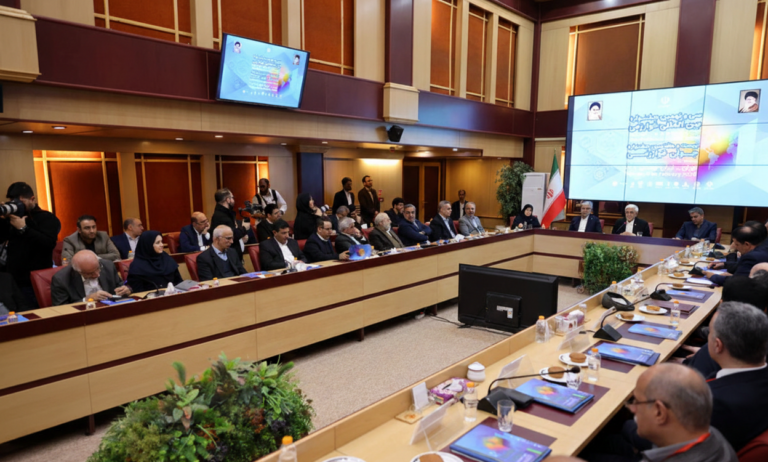
| During the 43rd session of the UNESCO General Conference in Samarkand, Member States overwhelmingly approved the establishment of four UNESCO Category 2 Centres in the field of natural sciences, a measure aimed at strengthening international scientific cooperation and advancing the Sustainable Development Goals. |
During the 43rd session of the UNESCO General Conference in Samarkand, Member States overwhelmingly approved the establishment of four UNESCO Category 2 Centres in the field of natural sciences. The new centres will begin operating under the auspices of UNESCO in Austria, Australia, South Africa, and Venezuela, each pursuing specific scientific and research objectives:
Biotechnology Centre for Training in the Production of Vegetative Seeds – Venezuela: Established in the city of Mérida to develop scientific capacities in vegetative seed production and enhance food security in Latin America.
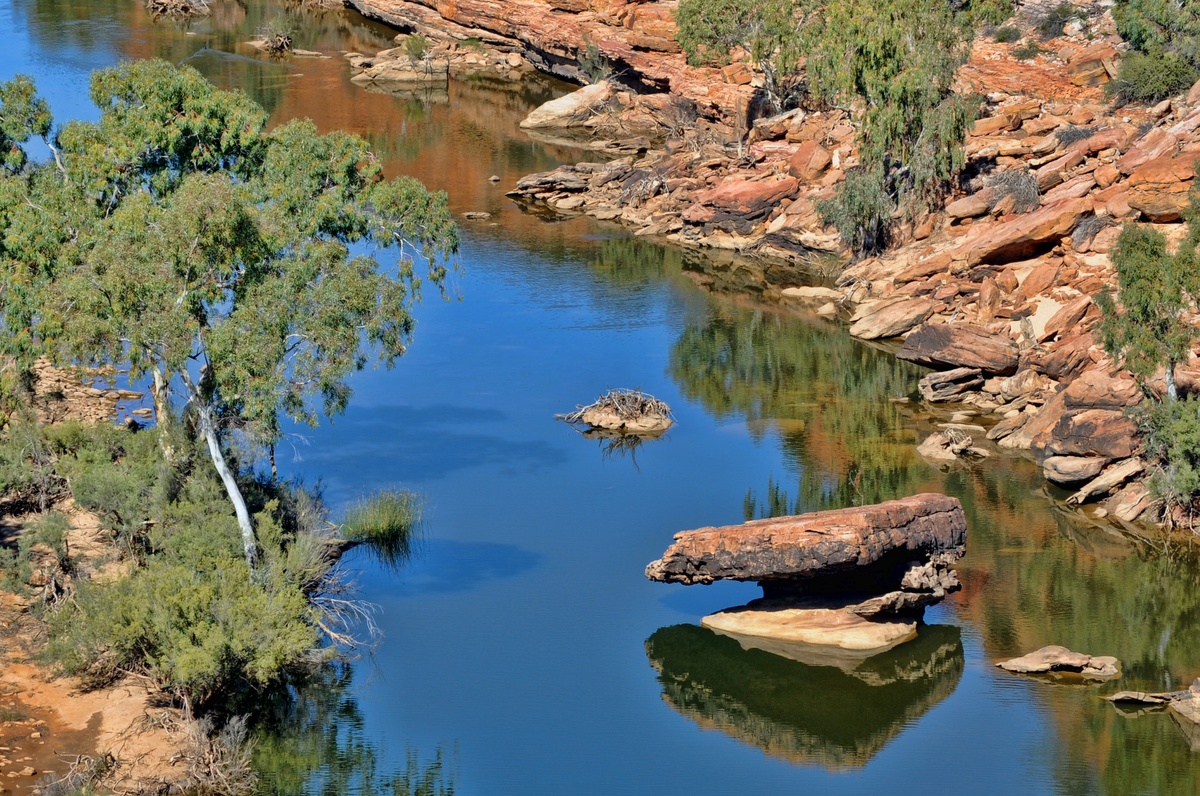
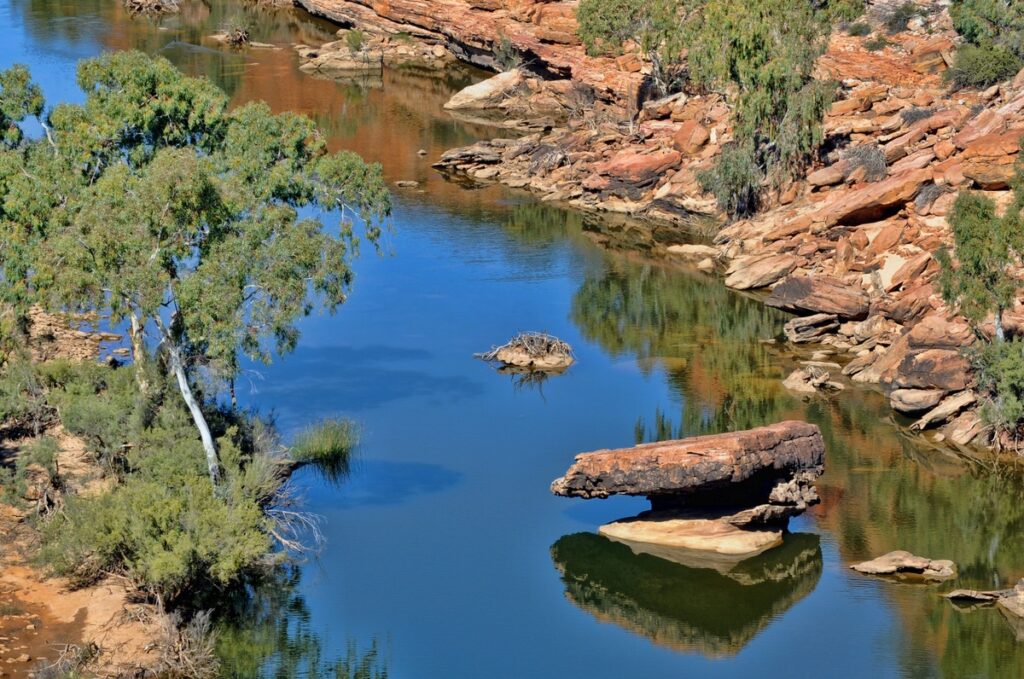
International Centre for Research and Integrated River Management – Austria: Established at the University of Natural Resources and Life Sciences, Vienna, to advance global research on integrated water resources management and the protection of river ecosystems.
African Institute of Indigenous Knowledge Systems – South Africa: Based at the University of KwaZulu-Natal in Durban, with the aim of researching and promoting indigenous knowledge systems and integrating them into modern scientific systems for sustainable development.
Australian Rivers Institute for Ecological Management of Water Resources – Australia: Established at Griffith University in Brisbane to conduct research and develop science-based policies for the sustainable management of water resources and adaptation to climate change.
The approval of these four centres marks an important step towards expanding the global network of UNESCO Category 2 Centres and strengthening international scientific cooperation in the field of natural sciences. It creates new opportunities for knowledge exchange, enhancing research capacities, and developing joint science policies.
Iran currently has eight UNESCO Category 2 Centres under UNESCO’s auspices, seven operating in the field of natural sciences and one in the field of culture. These centres were established under agreements between the Government of the Islamic Republic of Iran and UNESCO.