Iran Elected to Four Key UNESCO Committees; Expanding Iran’s Role in Legal, Bioethical, Cultural, and Social Affairs at the International Level
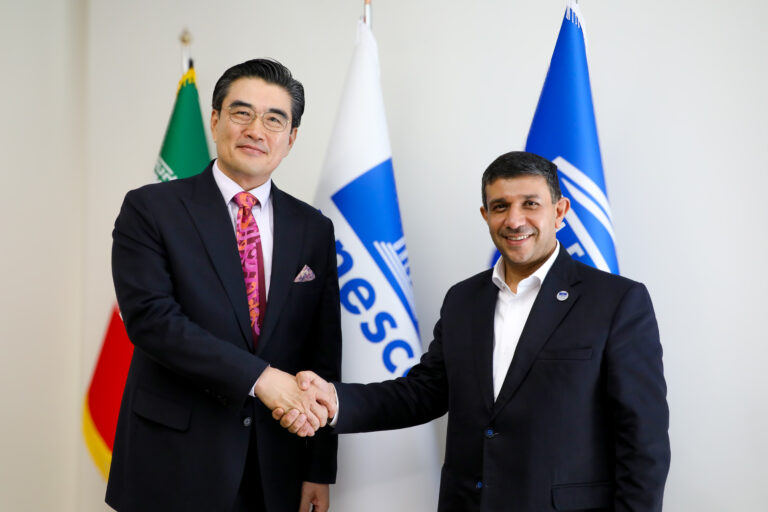
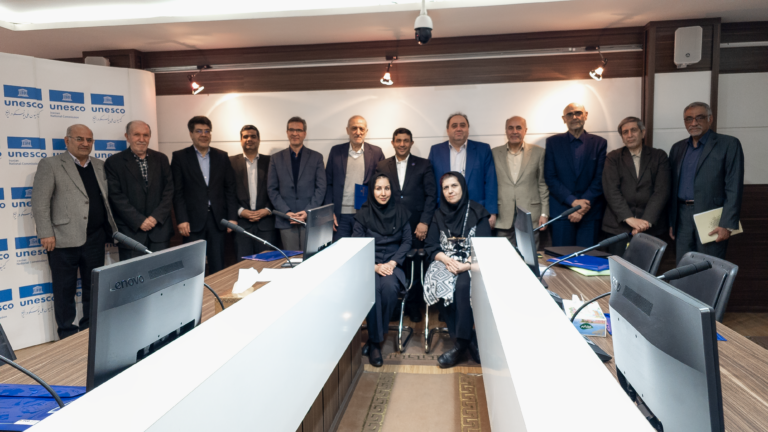
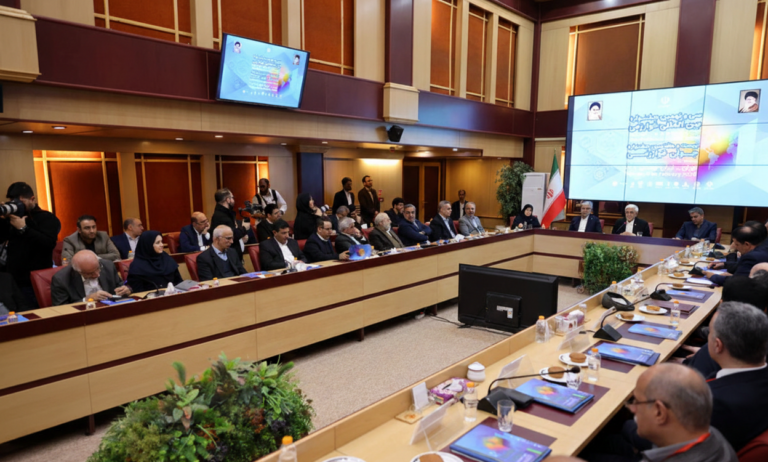
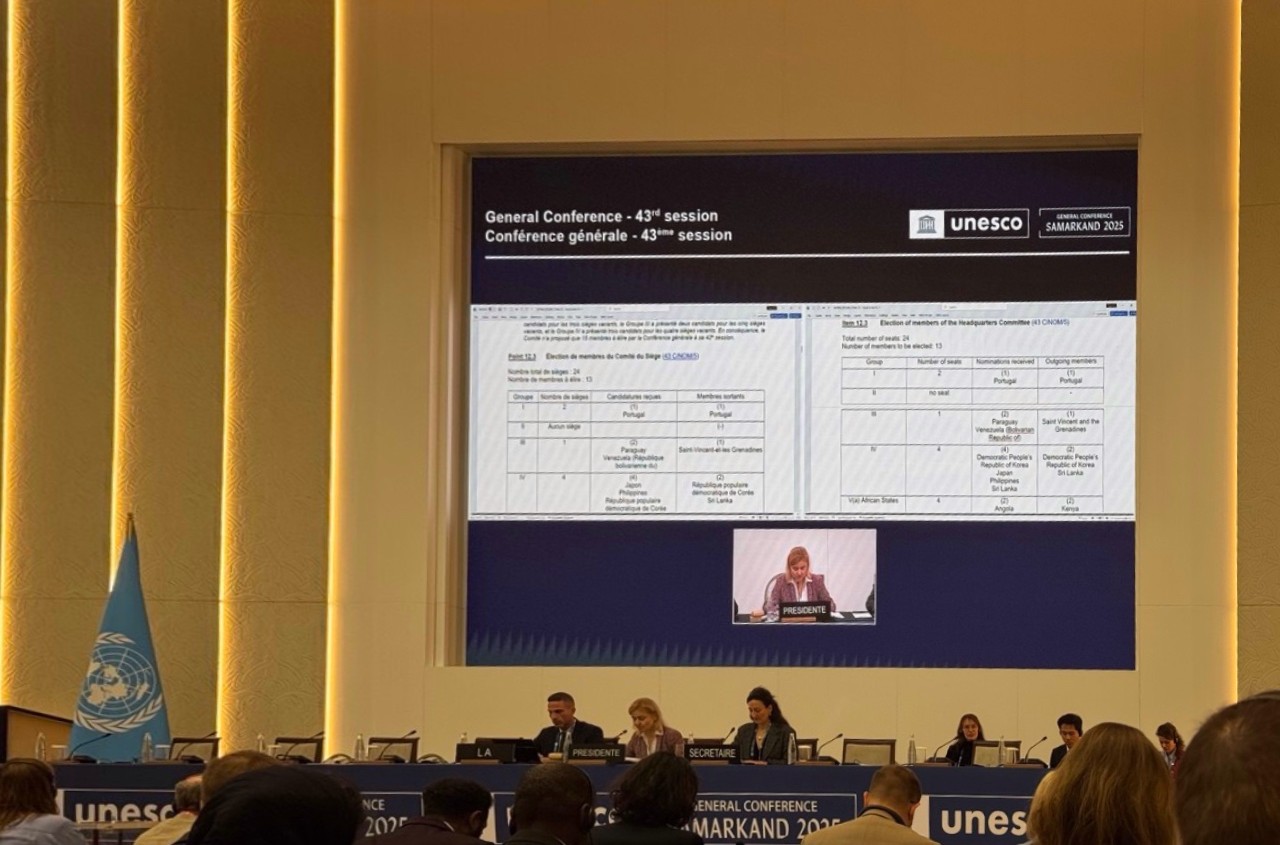
| In the final days of the 43rd session of the UNESCO General Conference in Samarkand, the Islamic Republic of Iran secured seats on several key UNESCO committees by consensus among the members. This achievement was the result of coordination among the Iranian National Commission for UNESCO, the Ministry of Foreign Affairs, Iran’s Permanent Delegation to UNESCO, and various bodies of the Organization, creating new opportunities for the country in the fields of legal affairs, bioethics, the restitution of cultural property, and the management of social transformations. |
In the final days of the UNESCO General Conference in Samarkand, during the adoption of the Conference’s final resolutions and decisions, the Islamic Republic of Iran was elected by consensus of UNESCO Member States to membership in several UNESCO committees, including the Legal Committee, the Intergovernmental Bioethics Committee, and the Intergovernmental Committee for Promoting the Return of Cultural Property to Its Countries of Origin or Its Restitution in Case of Illicit Appropriation. Iran’s membership in the Intergovernmental Committee for the Management of Social Transformations was also renewed. These outcomes followed consultations and joint coordination between the Iranian National Commission for UNESCO, the Ministry of Foreign Affairs, and the Office of the Permanent Delegation of the Islamic Republic of Iran to UNESCO, on the one hand, and various bodies of UNESCO, on the other.
The functions of these committees at the global level and the opportunities they offer our country can be summarized as follows:
UNESCO Legal Committee: A Legal Arm for Global Decision-Making
1. UNESCO Legal Committee
The Legal Committee is one of the principal bodies of the UNESCO General Conference and is convened at each session, including the 44th session of the General Conference. Its main responsibility is to examine and provide legal opinions on documents, draft resolutions, amendments to the Statutes, and legal matters relating to UNESCO’s structure and activities. The Committee’s members are generally representatives of Member States with expertise in international law, cultural law, and public law.
Membership in the Legal Committee represents a valuable opportunity for any country, as it enables direct participation in drafting and interpreting UNESCO regulations, influencing international legal decisions, and defending national interests and perspectives within the Organization’s regulatory framework. Such membership also strengthens a country’s legal capacities, expands international engagement in cultural legislation, and enhances the diplomatic standing and professional credibility of its representatives in global institutions.
Intergovernmental Bioethics Committee: Keeping Pace with Scientific Developments and Emerging Challenges
2. Intergovernmental Bioethics Committee
UNESCO’s Intergovernmental Bioethics Committee (IBC) is a body established to examine, guide, and oversee ethical issues related to the life sciences and emerging technologies, including genetics, biotechnology, organ transplantation, and human research. It operates on the basis of the Universal Declaration on Bioethics and Human Rights (2005), and its role is to advise Member States and UNESCO’s Executive Board on developing policies and ethical frameworks for the responsible use of scientific advances.
Membership in this Committee offers countries significant opportunities, including participation in developing international principles of scientific ethics, exchanging experience with leading experts worldwide, accessing the latest knowledge in bioethics, and influencing global science and technology policies. Active participation in the Committee can also help strengthen a country’s scientific and ethical standing, foster international research cooperation, and support the development of locally appropriate ethical frameworks in science and medicine.
Committee for the Return of Cultural Property: A Pathway to Restoring Historical Heritage
3. Intergovernmental Committee for Promoting the Return of Cultural Property to Its Countries of Origin or Its Restitution in Case of Illicit Appropriation
UNESCO’s Intergovernmental Committee for Promoting the Return of Cultural Property to Its Countries of Origin or Its Restitution in Case of Illicit Appropriation (ICPRCP) is a body that has been working since 1978 to support countries in recovering cultural heritage or obtaining compensation for the trafficking and illicit transfer of cultural property. Membership provides an opportunity to benefit from international cooperation and mediation, exchange experience in documenting and protecting cultural objects, and facilitate the return of historical heritage through diplomatic mechanisms. Active participation by countries in this body also helps promote cultural justice, expand cultural relations, and strengthen their standing on the global stage.
The MOST Committee: Linking Social Research with Policymaking
4. Intergovernmental Committee for the Management of Social Transformations (MOST)
UNESCO’s Intergovernmental Committee for the Management of Social Transformations (MOST) is a body that bridges social science research and government policymaking. Working with governments and research institutions, it examines and guides issues such as social justice, migration, and inequality to help translate scientific findings into practical policies. In short, the MOST Committee serves as UNESCO’s intellectual hub for connecting social knowledge with political action.
Iran’s membership in UNESCO’s Intergovernmental Committee for the Management of Social Transformations (MOST) offers an opportunity to benefit from a global network of researchers and social policymakers, access new knowledge and experience in areas such as social justice and inequality, and strengthen the use of social sciences in national decision-making. This position enables Iran to participate actively in international dialogue, attract scientific and educational cooperation, and enhance the standing of the humanities. However, the extent to which Iran benefits from this opportunity depends on how effectively it makes use of the scientific and networking opportunities offered by its membership.
To watch the exclusive interview of the Secretary-General of the Iranian National Commission for UNESCO with the Iranian Students’ News Agency (ISNA), please follow this link.