Biodiversity: Safeguarding Humanity’s Future
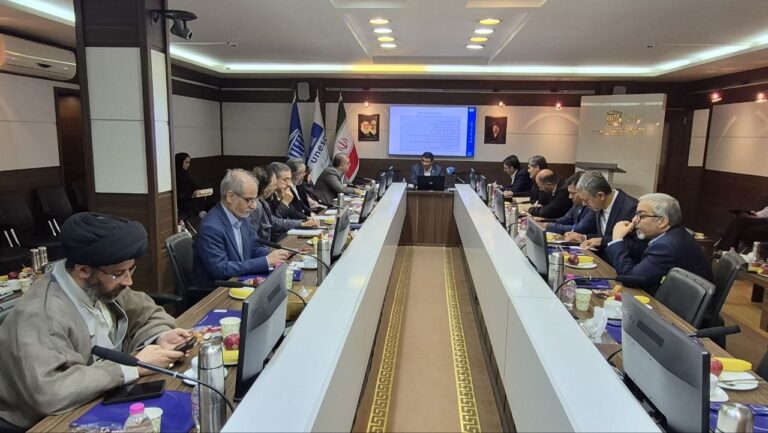
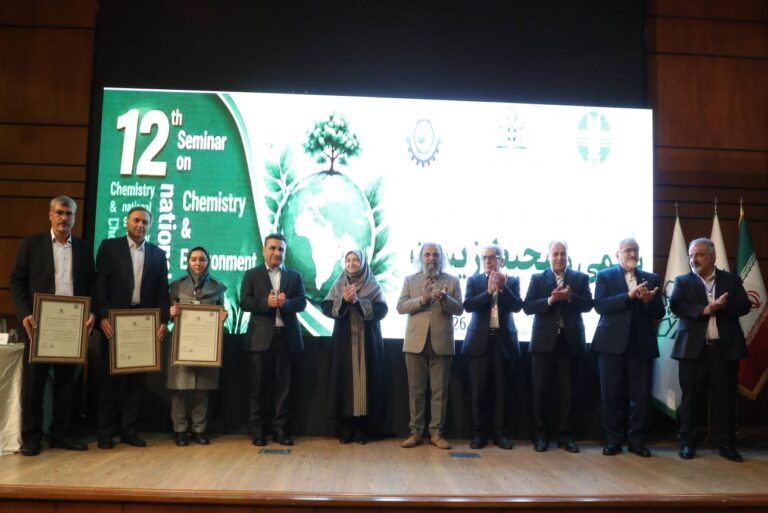
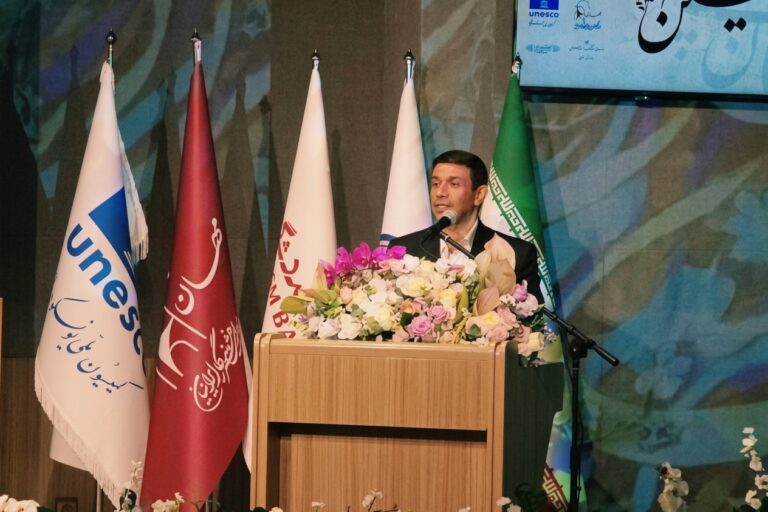
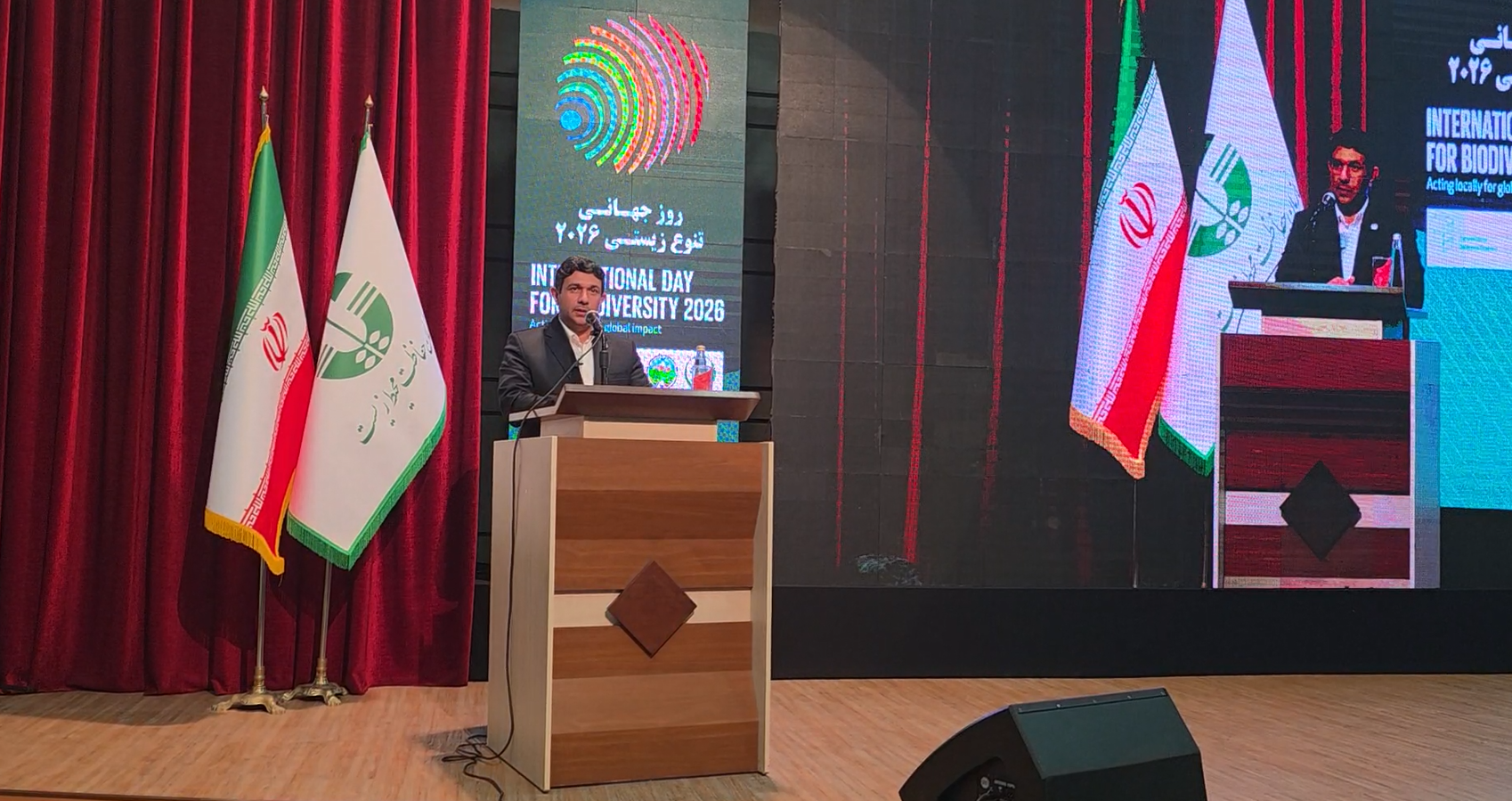
Secretary-General of Iran’s National Commission for UNESCO: Biosphere Reserves Are Living Laboratories for Sustainable Development Iran’s National Biodiversity Event was held on the morning of Saturday, 23 May 2026, in Farahabad, Sari, with the participation of Dr. Shina Ansari, Vice President of Iran and Head of the Department of Environment; Dr. Mehdi Younesi Rostami, Governor of Mazandaran Province; Dr. Hassan Fartousi, Secretary-General of Iran’s National Commission for UNESCO; Dr. Farrokh Tayrav, Representative of the Food and Agriculture Organization of the United Nations (FAO) in Iran; Ms. Aishani Madaganggoda, Acting Resident Representative of the United Nations Development Programme (UNDP) in Iran; the country’s deputies for natural environment and biodiversity; and a group of environmental experts and activists.
|
The conference, held under the slogan “National Action for Global Impact,” focused on examining the challenges facing biodiversity, ecosystem conservation, and the need to strengthen national and international cooperation to protect nature. On the sidelines of the event, the poster for the “National Biodiversity Campaign” and three newly published specialized books on environmental issues were also unveiled.
At the ceremony, Dr. Shina Ansari emphasized that biodiversity is the foundation of the country’s biological, economic, and social security. She stated that nature conservation is no longer merely an environmental issue, but is directly linked to national security, public health, and the future of the country’s development.
The Head of the Department of Environment also highlighted the role of local communities in nature conservation, adding that environmental protection goals cannot be achieved without public participation. She stressed that sustainable development can only be realized when local communities’ livelihoods, nature conservation, and economic development are considered together.
Secretary-General of Iran’s National Commission for UNESCO: The Biodiversity Crisis Threatens Humanity’s Future
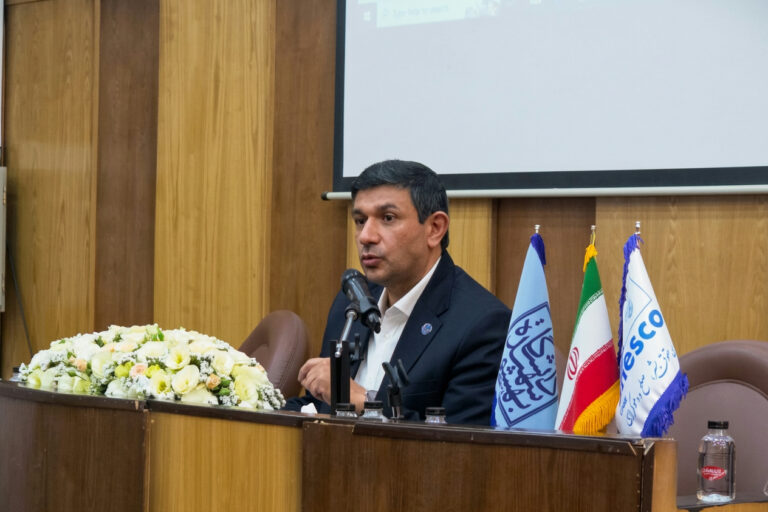
Addressing the conference, Dr. Hassan Fartousi described the biodiversity crisis as a global issue that will determine humanity’s future. He stated that the rapid loss of biodiversity, pollution, ecosystem degradation, and climate change threaten not only plant and animal species, but also food security, human health, the economy, culture, and even global peace.
Emphasizing the role of science, education, culture, and social participation in biodiversity conservation, he added that UNESCO seeks to establish a balanced, sustainable, and ethically grounded relationship between people and nature. Biodiversity conservation, he noted, cannot be achieved through the physical protection of nature alone; it also requires raising public awareness, strengthening indigenous knowledge, and expanding environmental education.
Registration of Iran’s Fourteenth Biosphere Reserve
The Secretary-General of Iran’s National Commission for UNESCO also described UNESCO’s Man and the Biosphere (MAB) Program as one of the world’s most successful initiatives for linking nature conservation with sustainable development. He referred to the registration of the Dalan Kouh–Qamishlou Biosphere Reserve as Iran’s fourteenth biosphere reserve.
According to Fartousi, this designation, which will be finalized at a meeting of the Programme’s International Coordinating Council in Paraguay, represents an important step toward protecting the country’s natural assets and promoting local sustainable development.
Describing biosphere reserves as “living laboratories for sustainable development,” Fartousi said that these areas bring together conservation, education, research, local livelihoods, and responsible tourism, and can become inspiring models at the national and regional levels.
Emphasis on National Synergy for a Sustainable Future
At the conclusion of the conference, participants stressed the need for stronger cooperation among executive bodies, universities, media organizations, non-governmental organizations, and local communities to conserve biodiversity and promote a culture of environmental responsibility, recognizing that a sustainable future for the world begins with such national actions.