Ceremony Held to Unveil Equipment and Achievements of the “Modernization of the Karaj Training Centre” Project
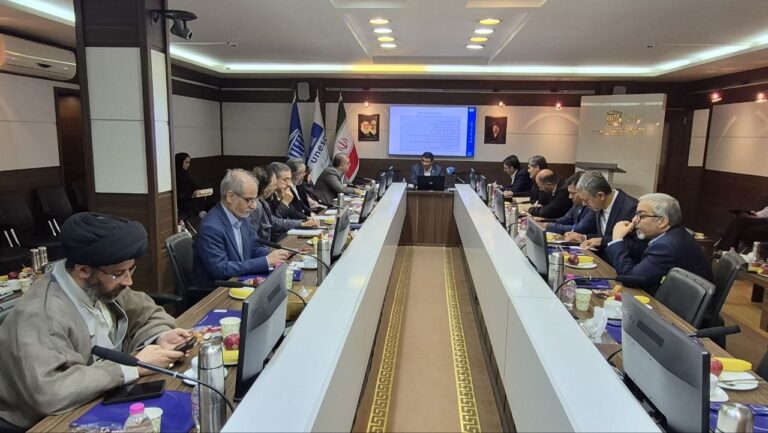
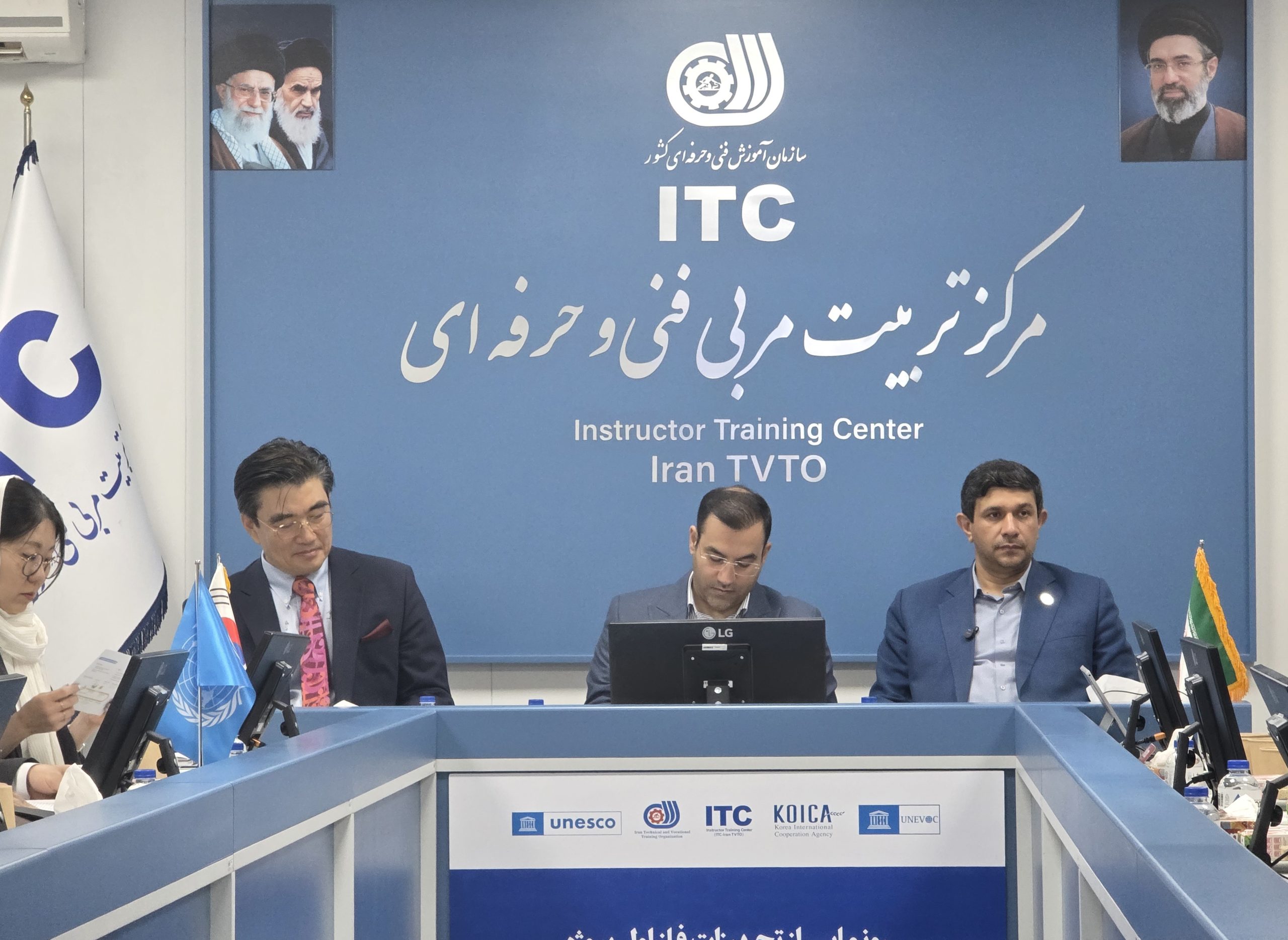
Secretary-General of Iran’s National Commission for UNESCO: Skills Development Is a Shared Pathway for Nations Toward a Sustainable Future A ceremony to unveil the equipment and achievements of a joint project involving the UNESCO International Centre for Technical and Vocational Education and Training (UNESCO-UNEVOC), Iran’s Technical and Vocational Training Organization, and the Korea International Cooperation Agency (KOICA) was held on Sunday, 24 May 2026. The event was attended by the Secretary-General of Iran’s National Commission for UNESCO, officials from Iran’s Technical and Vocational Training Organization, the UNESCO Tehran Office, the Ministry of Foreign Affairs, the Embassy of the Republic of Korea, and representatives of the Ministry of Cooperatives, Labour and Social Welfare. According to the Secretary-General of Iran’s National Commission for UNESCO, the project is a successful example of cooperation between national and international institutions to promote skills development, empower human resources, and strengthen technical and vocational education and training.
|
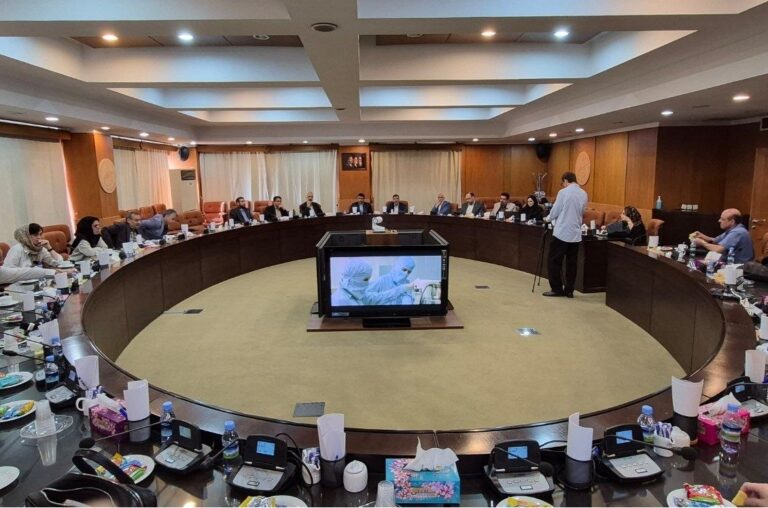
At the beginning of the ceremony, held at the Karaj Trainer Training Centre, attendees visited various departments of the centre, including automotive, electrical, welding, facilities, audiovisual, fashion and clothing, and information technology.
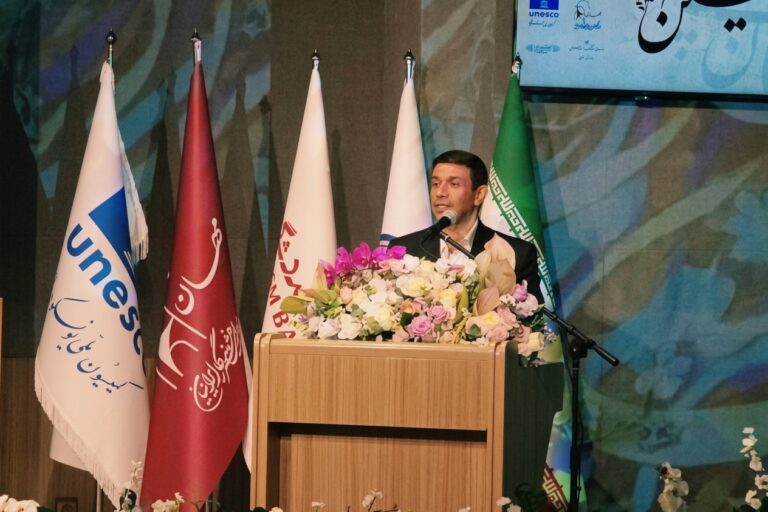
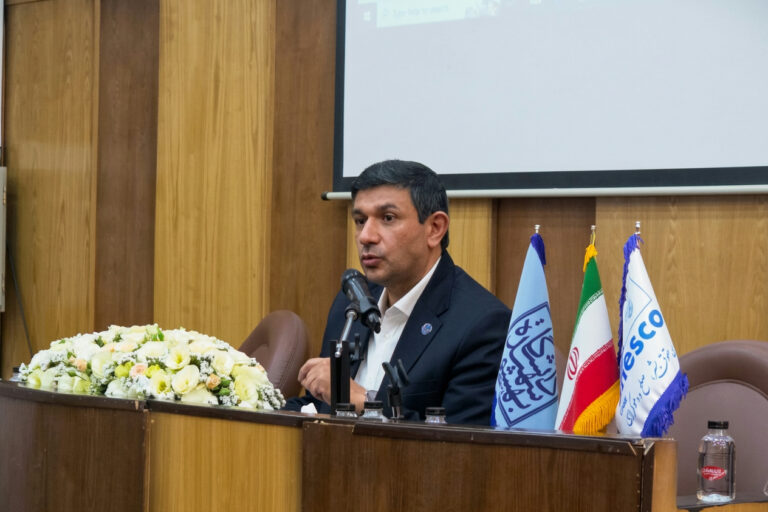
Dr. Hassan Fartousi, Secretary-General of Iran’s National Commission for UNESCO, described the project as the result of effective synergies among Iran’s Technical and Vocational Training Organization, the UNESCO International Centre for Technical and Vocational Education and Training (UNESCO-UNEVOC), the UNESCO Tehran Office, the Ministry of Foreign Affairs, Iran’s National Commission for UNESCO, and the Government of South Korea. He stated: “The outcome we are witnessing today is the product of successful teamwork and can serve as an effective model for other international cooperation initiatives.”
Referring to UNESCO’s particular focus on skills development, he added that UNESCO considers human resource development a central pillar of sustainable development and seeks to foster the personal and social advancement of people by harnessing modern technologies and skills-based training.
Education and Skills: A Bridge to Overcoming Crises
The Secretary-General of Iran’s National Commission for UNESCO also referred to the challenging regional situation and recent difficulties, stressing that the successful implementation of this project under such circumstances demonstrates that solidarity and cooperation can lead to valuable and encouraging results.
Fartousi also described the Korea International Cooperation Agency (KOICA) as a reputable institution in the field of sustainable development, adding that this cooperation is a worthy example of nations coming together through education, skills development, and human development.
Project Focuses on Empowering Trainers and Expanding Skills Training
Dr. Kourosh Jaddi-Sani, Head of Iran’s National Trainer Training Centre for Technical and Vocational Education, noted that the joint project, supported by the Korea International Cooperation Agency (KOICA) and UNESCO-UNEVOC, began in 2024 and focuses on three areas: empowering instructor-trainers, equipping training workshops, and expanding skills training opportunities for young people.
A message from Anna Paolini, Head of the UNESCO Tehran Office, was also read by Dr. Mohsen Gholami, the organization’s Education Officer. The message reaffirmed UNESCO’s full support for strengthening Iran’s technical and vocational education and training system, expanding skills development opportunities, and addressing the needs of disadvantaged groups.
Friedrich Huebler, Head of UNESCO-UNEVOC, also described the project in a video message as one of UNESCO-UNEVOC’s most important projects and emphasized its role in improving the quality of technical and vocational education and training in Iran.
During the ceremony, Kim Jun-pyo, Ambassador of the Republic of Korea to Iran, highlighted the importance of technical and vocational education in today’s world and the project’s contribution to achieving its objectives. He stated that the project would provide a foundation for further cooperation between the two countries.
Skills Development Must Not Be a Casualty of Political Challenges
In another part of the ceremony, Dr. Salman Bahrami, Project Manager of the Modernization of the Karaj Trainer Training Centre project, presented a report on its implementation. He announced that six specialized departments had been equipped, training courses had been delivered for managers, trainers, and researchers, and a skills development camp for adolescents had been held in Mashhad.
Dr. Haji-Lari, Deputy Director of the Department of International Specialized Organizations at the Ministry of Foreign Affairs, then highlighted the Ministry’s role in facilitating the project and stressed that scientific and skills development must not be affected by political challenges.
Dr. Gholamhossein Mohammadi, Head of Iran’s Technical and Vocational Training Organization and Deputy Minister of Cooperatives, Labour and Social Welfare, described the cooperation as a successful model based on the public good, goodwill, and human capital development. He stated that the project’s primary focus is on training the workforce and developing managers and trainers who will guide the future of the country’s skills development system.
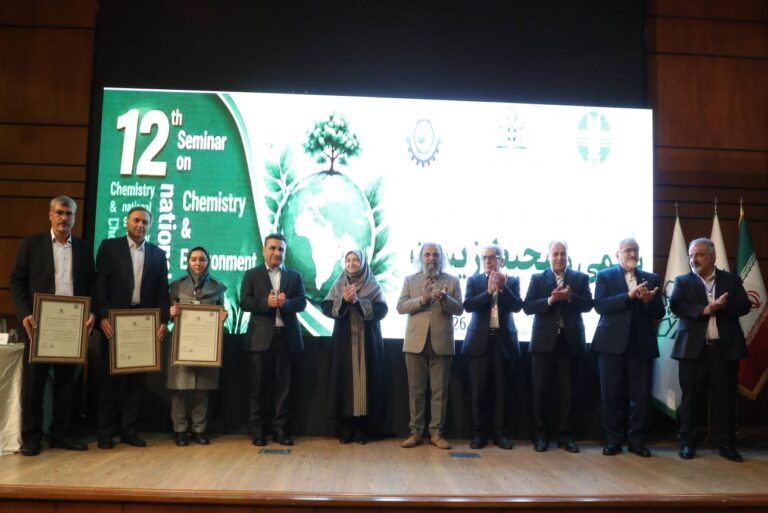
The ceremony concluded with a group photograph of the attendees.