COP17 Is Approaching: Global Focus on Land Restoration, Water and Climate Resilience with UNESCO’s Participation
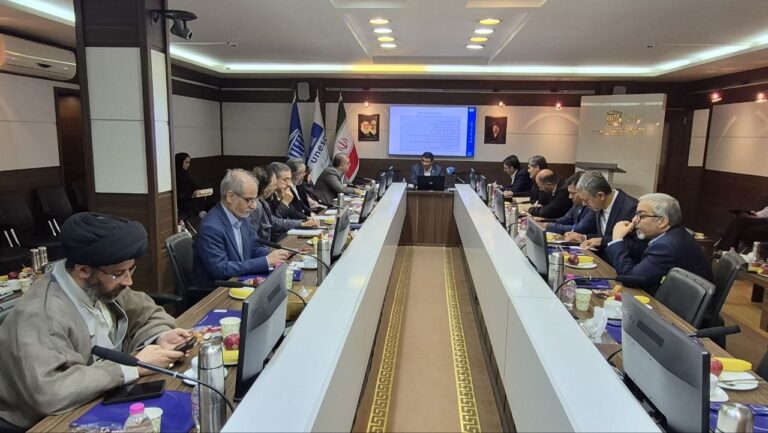
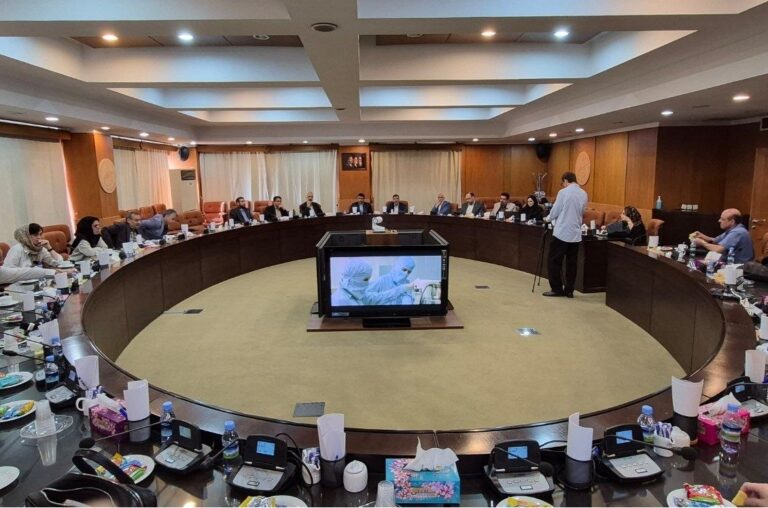
| At an information session on UNESCO’s participation in the 17th Conference of the Parties to the United Nations Convention to Combat Desertification (COP17), emphasis was placed on the role of education, science and policymaking in restoring degraded land and strengthening global cooperation to address environmental crises. The conference will be held in Ulaanbaatar, with representatives from 197 countries in attendance. |
The 17th session of the Conference of the Parties (COP17) will be held from 17 to 28 August 2026 in Ulaanbaatar, the capital of Mongolia, under the slogan “Restore Land, Restore Hope.” One of the largest global gatherings dedicated to land and the environment, the conference is expected to bring together approximately 10,000 participants, including representatives of the 197 Parties to the Convention, government leaders, private sector representatives, civil society organizations, scientists, young people, Indigenous communities, pastoralists and smallholder farmers.
Within the framework of the conference, the importance of cooperation with UNESCO in advancing education, expanding environmental literacy and strengthening the link between science and policymaking will be emphasized. By supporting scientific and educational approaches to sustainable development, UNESCO plays an important role in empowering countries to develop effective solutions to combat desertification and sustainably manage natural resources.
The session also highlighted that COP17 will focus on practical, investment-ready solutions for land restoration, water resource management and strengthening community resilience. Priorities will include strategic decision-making on rangelands and water resources, the development of nature-based solutions, finalizing future frameworks for addressing desertification and drought, exploring financing mechanisms, and strengthening multilateral cooperation.
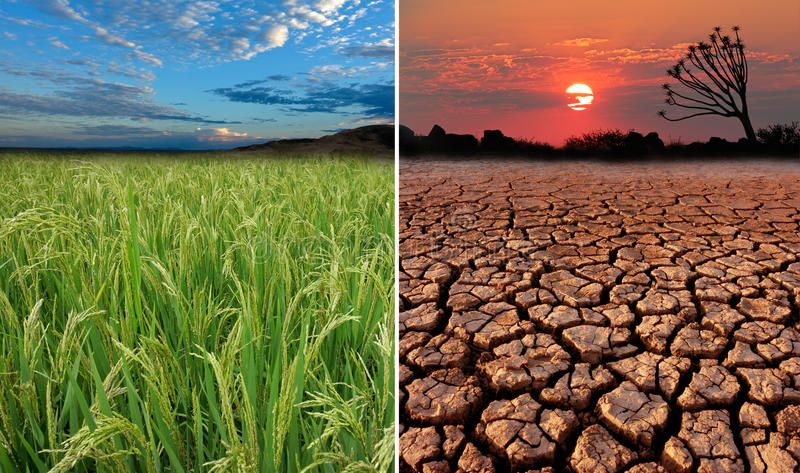
According to the reports presented, approximately 40 per cent of the world’s land is degraded, with far-reaching consequences for food security, water resources, livelihoods and economic stability. In this context, the global target of restoring 1.5 billion hectares of degraded land by 2030 was underscored. It was also noted that every dollar invested in this area could generate substantial returns of between USD 7 and USD 30, while the private sector currently accounts for only around 6 per cent of investment.
The Steppe Agenda Action was introduced as a strategic framework for aligning the three Rio Conventions, integrating projects at the landscape level and translating policies into actionable investment plans. The Global Rangelands and Pastoralists Initiative will also be presented as a ten-year program aimed at promoting sustainable rangeland management, increasing investment, raising global awareness and strengthening institutional synergies.
The session emphasized the importance of gender equality and the role of women in pastoral systems, the use of Indigenous knowledge and culture in resource management, and the protection of cultural heritage associated with pastoralism and nomadic traditions. In the field of education, the focus will be on advancing education for sustainable development through a climate-responsive approach, supporting multilingual education to preserve Indigenous knowledge, empowering local communities, and strengthening the resilience of education systems to climate change.
The conference takes on particular significance as it coincides with the International Year of Rangelands and Pastoralists, proclaimed by the United Nations General Assembly. The observance highlights the vital role of rangelands in supporting the livelihoods of approximately 500 million people and contributing to global food security.
During the two-week conference, high-level meetings, ministerial dialogues, multi-stakeholder forums and technical sessions on science, innovation, technology and finance will be held. In addition to formal negotiations, COP17 is expected to foster joint action on rangeland restoration, climate resilience, water management, food security and soil health.
COP17 in Ulaanbaatar is therefore more than a global environmental conference; it represents a potential turning point in strengthening the connections between development, human security and land restoration at the international level.