A Roadmap for “Education in Emergencies” Developed; Iranian National Commission for UNESCO Emphasizes Continuity of Learning Even Amid Crisis
| The Secretary-General of the Iranian National Commission for UNESCO, emphasizing that education is a fundamental right and a prerequisite for lasting peace, announced the development of a roadmap for “Education in Emergencies.” Based on five pillars: continuity, quality, access, safety and resilience. The initiative aims to preserve and strengthen learning opportunities for all, even under the most challenging circumstances. |
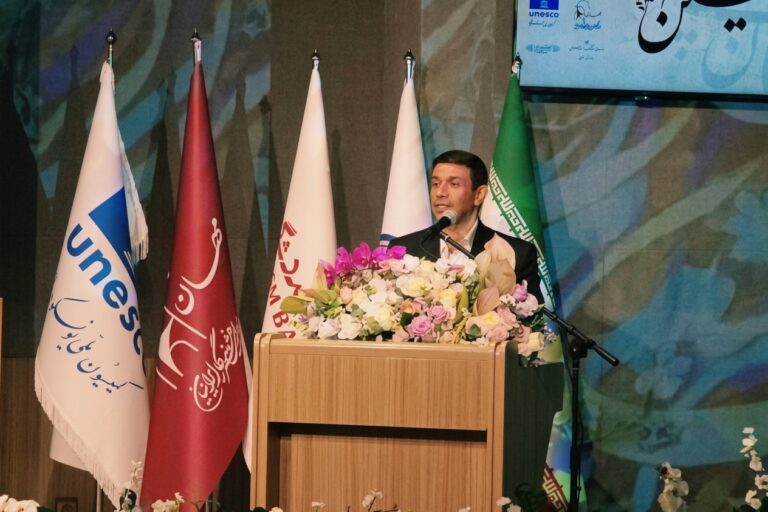
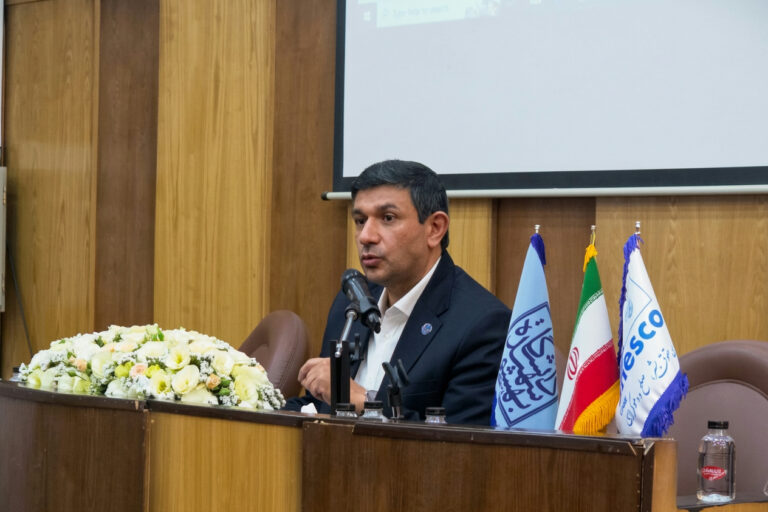
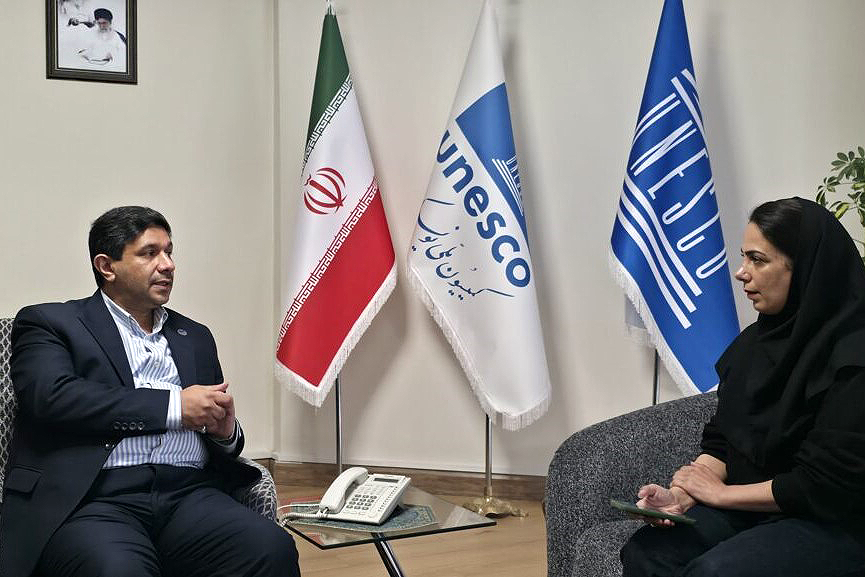
Dr. Hassan Fartousi, Secretary-General of the Iranian National Commission for UNESCO, explained in an interview with Ettelaat newspaper the publication of a roadmap for “Education in Emergencies” by the Commission. He stated: “Education” is one of UNESCO’s most important areas of activity, as access to education is one of the most fundamental human rights. Moreover, to achieve lasting peace in the world, there is a strong recommendation to promote education, since many wars stem from ignorance. The higher the level of education, the greater the possibility of establishing lasting peace.
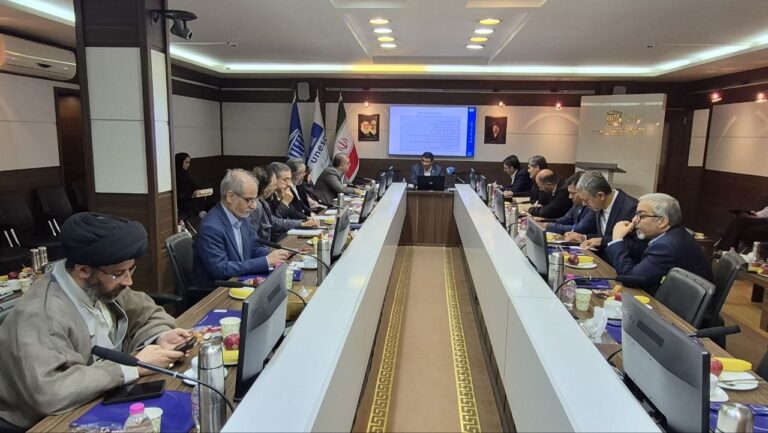
He continued: One of the responsibilities of the Education Chair at the Iranian National Commission for UNESCO is to monitor the state of education both in peacetime and in times of crisis, such as war, and to explain to society how education can remain accessible to all and maintain its quality under crisis conditions. To this end, we have a program called “Education in Times of Crisis.” My colleagues in the Commission’s Education Group, in cooperation with the Ministry of Education and the Iranian National Commission for ISESCO, have sought to present a set of international standards for education during crises.
Fartousi said: We are pursuing five main objectives in this regard. First, we aim to explain how education can continue during a crisis. We have also prepared infographics illustrating different ways to ensure continuity of education, ranging from online learning to sending books and educational materials to children, and even providing instruction in emergency relief tents. When the aim is to ensure continuity of education, responsibility no longer rests solely with schools; families, school principals, education planners and students also have roles to play. The greater the synergy among students, teachers, families and education administrators, the more effectively the quality of education can be ensured. This is the second objective of our “Education in Emergencies” program.
The Secretary-General of the Iranian National Commission for UNESCO added that another objective, inspired by the concept of educational equity, is to ensure access to education for everyone. Educational programs must be designed so that all people can benefit from education, including in crisis situations, when certain issues become more pronounced, such as displacement and the challenges of being a newcomer. Children are generally not taught how to deal with these situations and may not know how to interact with new peers in an unfamiliar environment. This challenge has many different dimensions. For example, in some communities, priority may be given to the education of one gender—boys—with the view that education is unnecessary for girls. In other cases, education may be considered a privilege reserved for certain social classes, as in feudal or landlord-peasant systems. It is UNESCO’s responsibility to reaffirm that access to education is a right for everyone.
He noted that another objective is to ensure the safety of learners, both physically and psychologically. Nothing should disrupt the learning process. During crises, families may experience stress, and efforts must be made to help restore their sense of security. Ensuring continued access to quality education strengthens people’s resilience, which is our ultimate goal. In this way, children can emerge from challenging situations stronger, better able to withstand crises and more resilient in the face of future adversity.
Adapting UNESCO Documents to the National Context
Zahra Pourhadi, Head of the Education Group at the Iranian National Commission for UNESCO, also explained the content developed on education during crises. She said: We identified five objectives and then sought to explain each one in terms of the responsibilities assigned to four groups: students, teachers, families and education administrators. So far, we have published infographics outlining the roles of these four groups in achieving the first objective, namely continuity of education. We will follow the same approach for the remaining objectives.
She added that one measure that can help ensure continuity of education is to give teachers the flexibility to remove parts of the curriculum that are unnecessary under emergency conditions, or to teach, at their discretion, content that helps strengthen children’s resilience. Students can also build stronger relationships with their peers and address their own learning gaps by seeking help from one another. Families, in turn, can support students throughout the learning process.
Pourhadi added that the Commission develops and adapts these materials to the national context by reviewing documents published by UNESCO, UNICEF and the Inter-Agency Network for Education in Emergencies (INEE). The materials are then provided to the Ministry of Education for use in its educational programs.