From the Silence of Pots to the Sound of Dialogue: Museums and Rebuilding Human Connections
At the ceremony marking International Museum Day and the 80th anniversary of the founding of ICOM, museums were presented not as repositories of historical objects, but as living spaces for dialogue, healing human divides, and rekindling empathy. In this context, “pots” became a metaphor for people today, speaking of love, separation, and the possibility of coming together once again. |
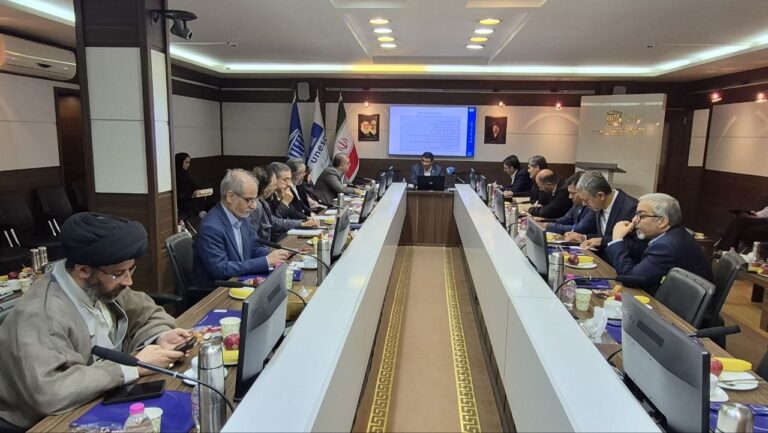
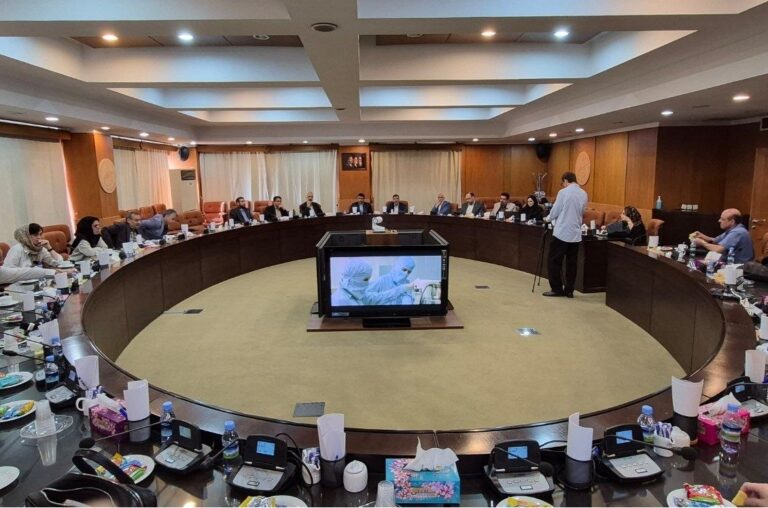
The ceremony marking International Museum Day and the 80th anniversary of the founding of ICOM was held on 18 May 2026 at the Ostad Shahnaaz Hall of the Iranian Artists Forum, attended by a number of officials, researchers, museum professionals, and cultural practitioners.
The ceremony was attended by Dr. Ali Darabi, Deputy Minister of Cultural Heritage, Tourism and Handicrafts; Dr. Hassan Fartousi, Secretary-General of the Iranian National Commission for UNESCO; Dr. Fatemeh Mohajerani, Government Spokesperson; Dr. Ahmad Mohit-Tabatabaei, President of the National Committee of Museums of Iran; Farukh Tayraov, Head of the UNESCO Office in Tehran; Engineer Seyed Mohammad Beheshti, a researcher of Iranian culture; and a number of cultural heritage practitioners.
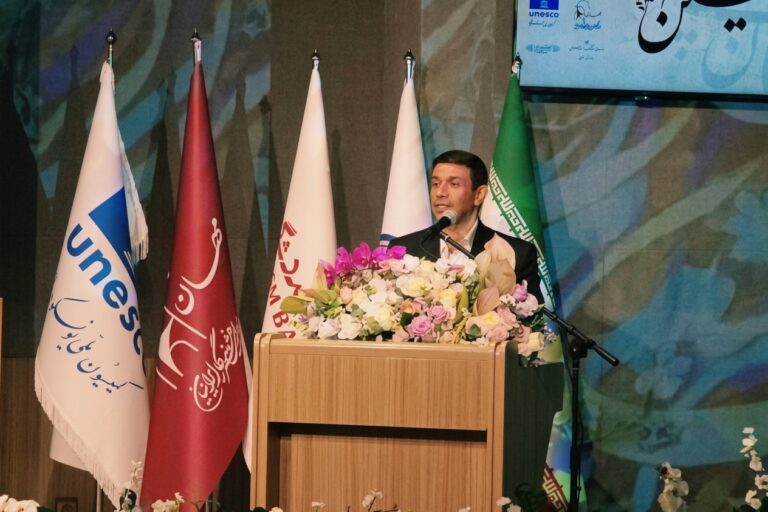
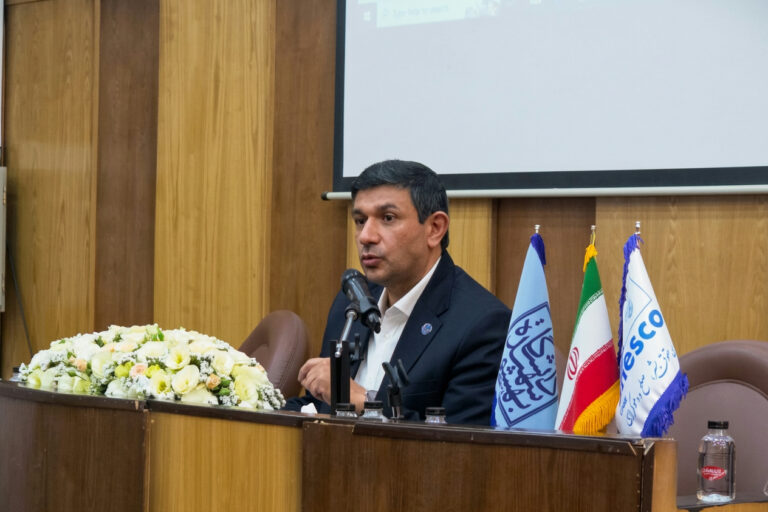
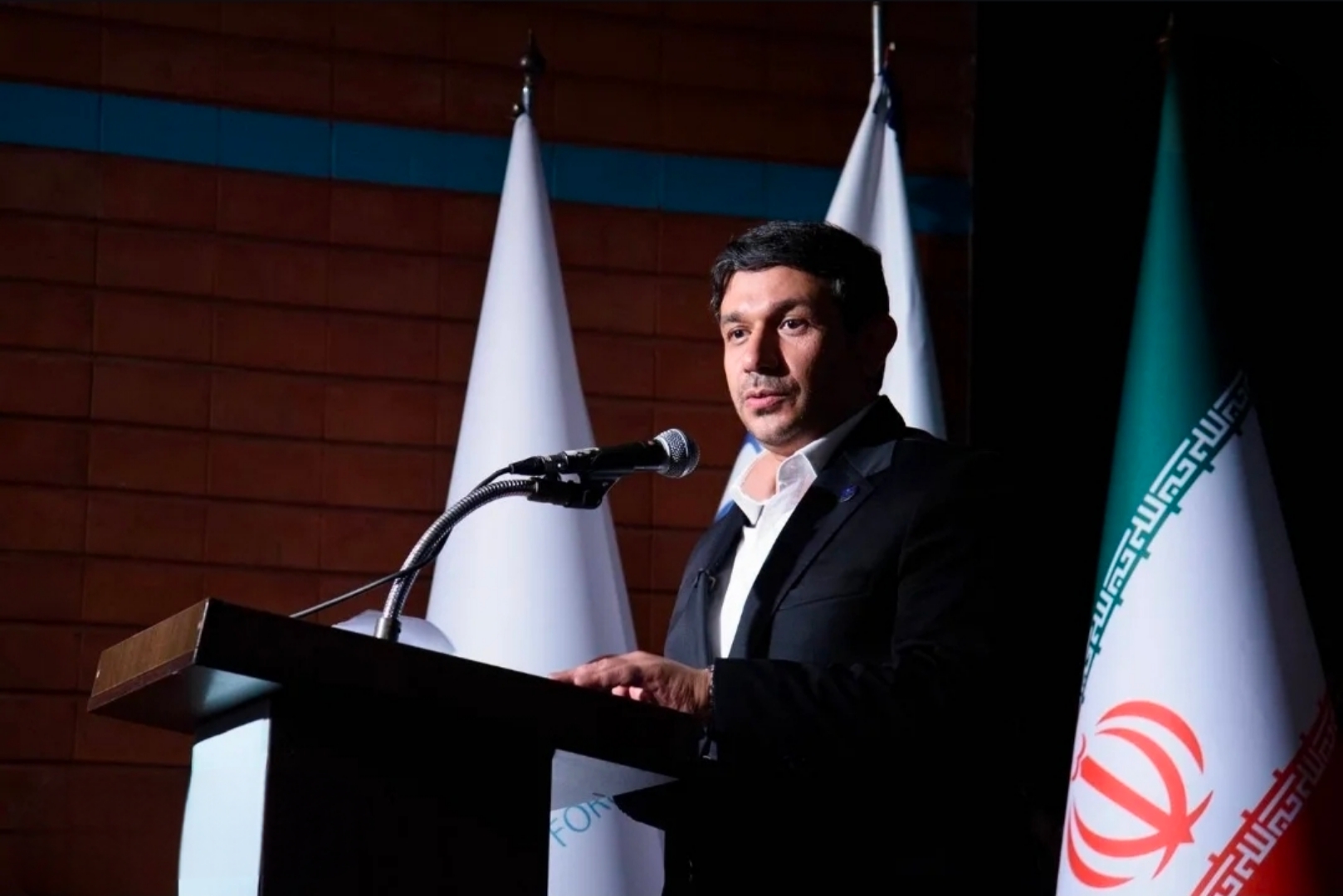
Dr. Hassan Fartousi, Secretary-General of the Iranian National Commission for UNESCO, began his remarks by expressing appreciation for those who safeguard and preserve heritage, describing them as living custodians of Iranian civilization. He noted that they have not only preserved cultural heritage but also enabled contemporary society to rediscover its identity. Referring to the tensions prevailing around the world and the threats facing fundamental human values, he observed that speaking about human connection and empathy has become increasingly difficult today, but that this is precisely why it is more essential than ever.
Lonely Human Beings in the Form of Silent Pots
Referring to the theme of International Museum Day, Fartousi compared contemporary human beings to pots that have become separated from one another: objects that once carried meaning, voice, and life but now lie scattered in silence. He described this image as a metaphor for the condition of humanity today, in which people, despite their apparent proximity to one another, have become distanced from deeper human connections.
The Museum: A Place Where Objects Speak Again
The Secretary-General of the Iranian National Commission for UNESCO described the museum not as a storage space for objects, but as a stage for dialogue—a place where silent objects can bring human stories to life. Reciting a quatrain by Omar Khayyam, he said:
“This pot, like me, was once a sorrowful lover;
It was once held captive by the tresses of a beloved.
The handle you see around its neck
Was once a hand resting around the neck of a loved one.”
According to Fartousi, within the museum, these pots emerge from silence and become storytellers of love, separation, and human connection.
Mending the World with the Gold of Dialogue
Referring to the Japanese art of kintsugi, Fartousi emphasized that just as broken pottery is repaired with gold, dialogue can transform the fractures between people in today’s world into bonds of lasting value. He stated that when dialogue takes place, people not only become less distant from one another, but the value and meaning of their human connections also deepen.
Museums: From Memory to Hope
Fartousi had previously emphasized the role of museums in fostering dialogue and empathy, stating: “In a world where people have become more distant from one another than ever before, museums can become spaces for the development of ideas, dialogue, and the restoration of human solidarity.” He described museums as living institutions capable of helping rebuild social hope and bridge the divides between people.
Emphasizing the Role of Museums in Peace and Historical Memory
During another part of the ceremony, Dr. Ali Darabi, Deputy Minister of Cultural Heritage, Tourism and Handicrafts, referred to the damage inflicted on the country’s cultural heritage during recent events and stressed the need to review approaches to governance and cultural heritage protection. Farukh Tayraov, Head of the UNESCO Office in Tehran, also described museums as spaces for dialogue and mutual understanding between generations. Dr. Ahmad Mohit-Tabatabaei, President of ICOM Iran, emphasized the importance of supporting private and specialized museums. Engineer Seyed Mohammad Beheshti, a researcher of Iranian culture, described “peace” as synonymous with “connection” in Iranian culture and emphasized the deep roots of empathy in Iran.
It is worth noting that the speakers at the ceremony included Farukh Tayraov, Head of the UNESCO Office in Tehran; Dr. Hassan Fartousi, Secretary-General of the Iranian National Commission for UNESCO; Dr. Ali Darabi, Deputy Minister of Cultural Heritage, Tourism and Handicrafts; Golnaz Gol-Sabahi, Vice-President of ICOM; Engineer Seyed Mohammad Beheshti, a researcher of Iranian culture; Dr. Ahmad Mohit-Tabatabaei, President of ICOM Iran; and Dr. Monir Khaleghi, President of the Iranian National Committee of ICOM.
The ceremony also honored individuals who had worked to safeguard museums during the war, including Dr. Hassan Fartousi, Secretary-General of the Iranian National Commission for UNESCO. Other highlights included the screening of a video message from Antonio Rodriguez, President of ICOM, and remarks by Farukh Tayraov, Head of the UNESCO Office in Tehran.
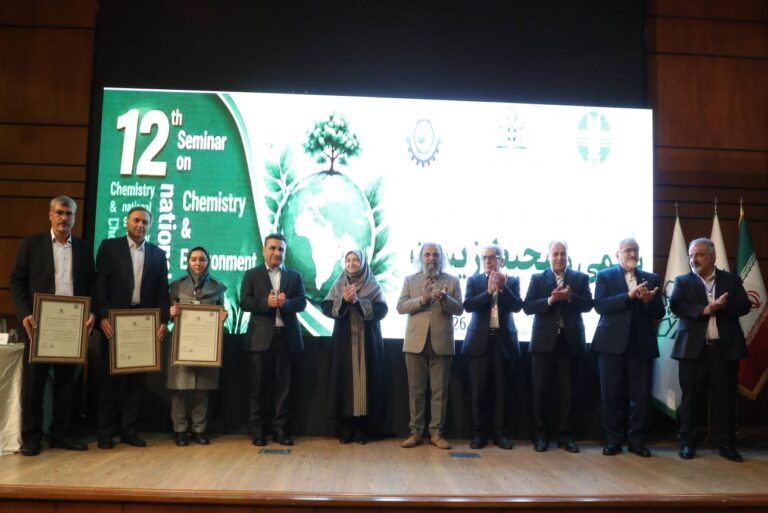
At the end of the ceremony, awards were presented and a number of museum professionals, managers, and cultural heritage and museology practitioners, including Dr. Hassan Fartousi, Secretary-General of the Iranian National Commission for UNESCO, were honored. Commemorative stamps featuring Chehel Sotoun Palace and Golestan Palace were also unveiled.