Secretary-General of the Iranian National Commission for UNESCO Visits the Forests, Range and Watershed Management Organization of Iran
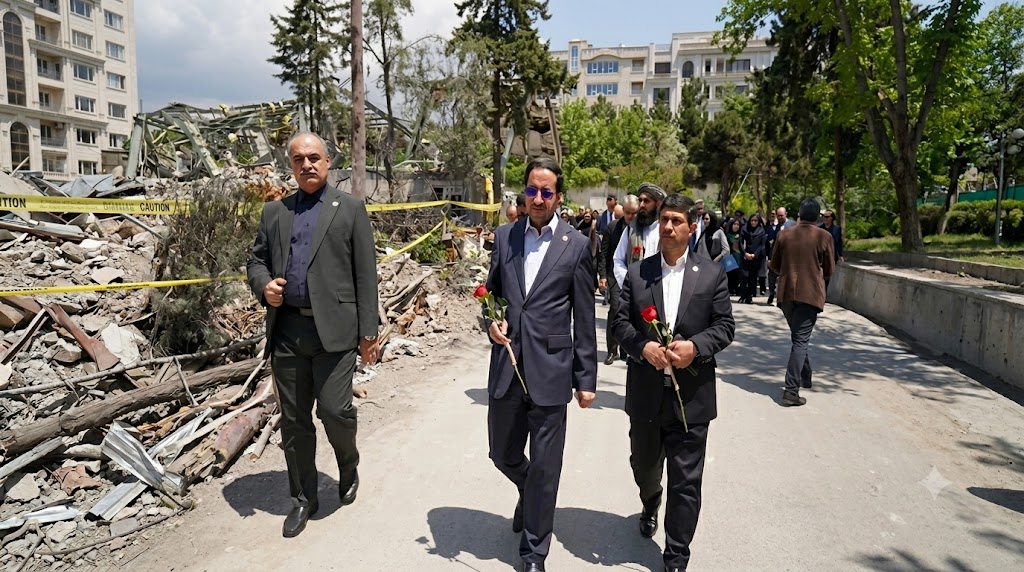
Yesterday, the Secretary-General of the Iranian National Commission for UNESCO visited the Forests, Range and Watershed Management Organization of Iran to inspect the sections damaged in recent attacks. He paid tribute to those who lost their lives in the incident and emphasized the importance of protecting scientific, cultural, and environmental institutions in accordance with international law and humanitarian principles. |
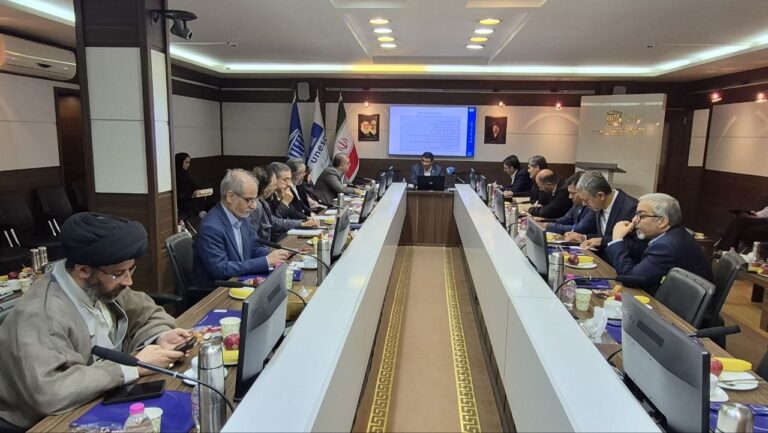
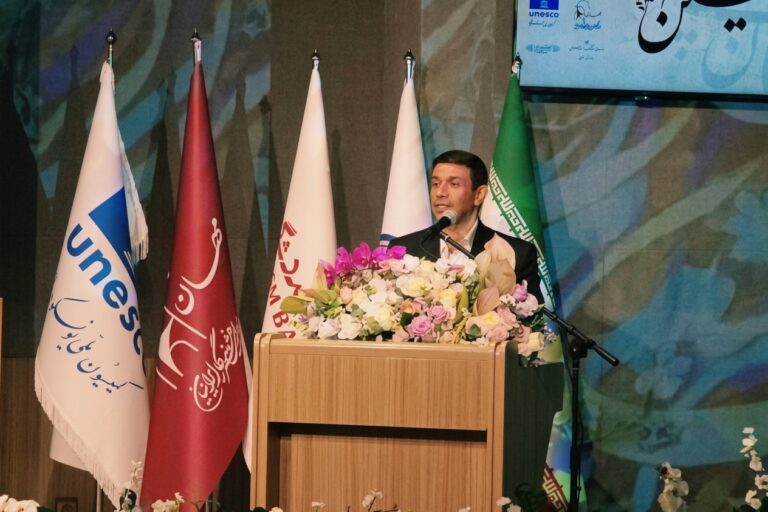
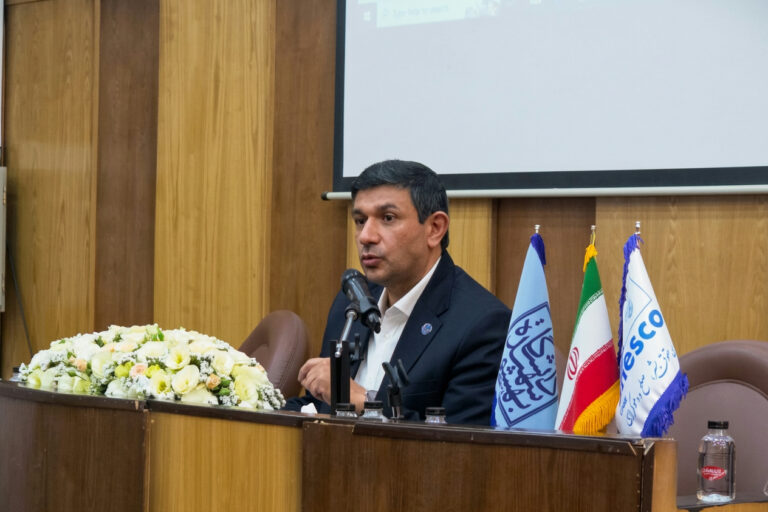
During the visit, Dr. Hassan Fartousi joined ambassadors and representatives of international organizations based in Iran who were visiting the buildings of the Forests, Range and Watershed Management Organization damaged in the US-Israeli missile attack. Paying tribute to the memory of those who lost their lives at the organization, he emphasized the need to promote peace for future generations and uphold the principles and standards of international humanitarian law. Referring to the responsibilities and mandate of UNESCO and the Iranian National Commission for UNESCO, he also stressed the efforts of these institutions to document and communicate the facts surrounding the incident and the extent of the damage caused. The Secretary-General of the Iranian National Commission for UNESCO further highlighted the damage inflicted on cultural heritage, educational facilities, and civilian communities, including schools, children, and teachers, underscoring the need to safeguard cultural heritage and educational institutions in times of crisis.
During the visit, Dr. Reza Aflahtouni, Head of the Forests, Range and Watershed Management Organization of Iran, described the US and Israeli attack on the organization as an act of “eco-terrorism,” stating: “This act not only violates national sovereignty and the Charter of the United Nations, but also poses a serious obstacle to fulfilling our shared global commitments to protecting the environment and the future of humanity.”
Referring to the destruction of parts of the administrative and educational buildings, museum, library, and Governing Council Hall of the UNESCO-affiliated International Center for Integrated Watershed Management (ICIMWB), Aflahtouni stressed that targeting a civilian scientific and environmental institution runs counter to the principles of international law, the Geneva Conventions, and the 1954 Hague Convention.
He also highlighted the Islamic Republic of Iran’s active role in sustainable land management, combating desertification, protecting the Hyrcanian Forests, and expanding international cooperation with organizations such as the United Nations Educational, Scientific and Cultural Organization (UNESCO), the United Nations Development Program (UNDP), and the Food and Agriculture Organization of the United Nations (FAO). He called on international organizations to condemn the attack and document the damage caused.