

International Day of Mathematics: Promoting Mathematics and Its Importance in the Modern World
In November 2019, at the 40th session of the UNESCO General Conference, 14 March was proclaimed International Day of Mathematics, to be observed annually. |
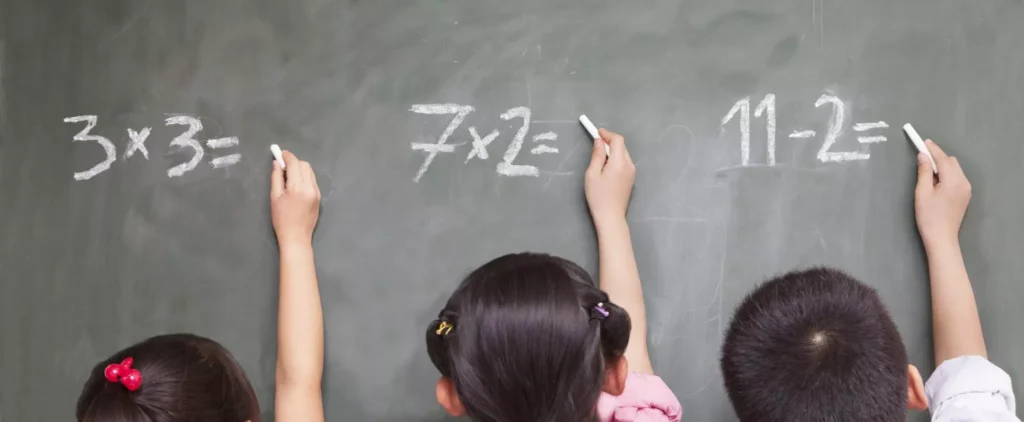
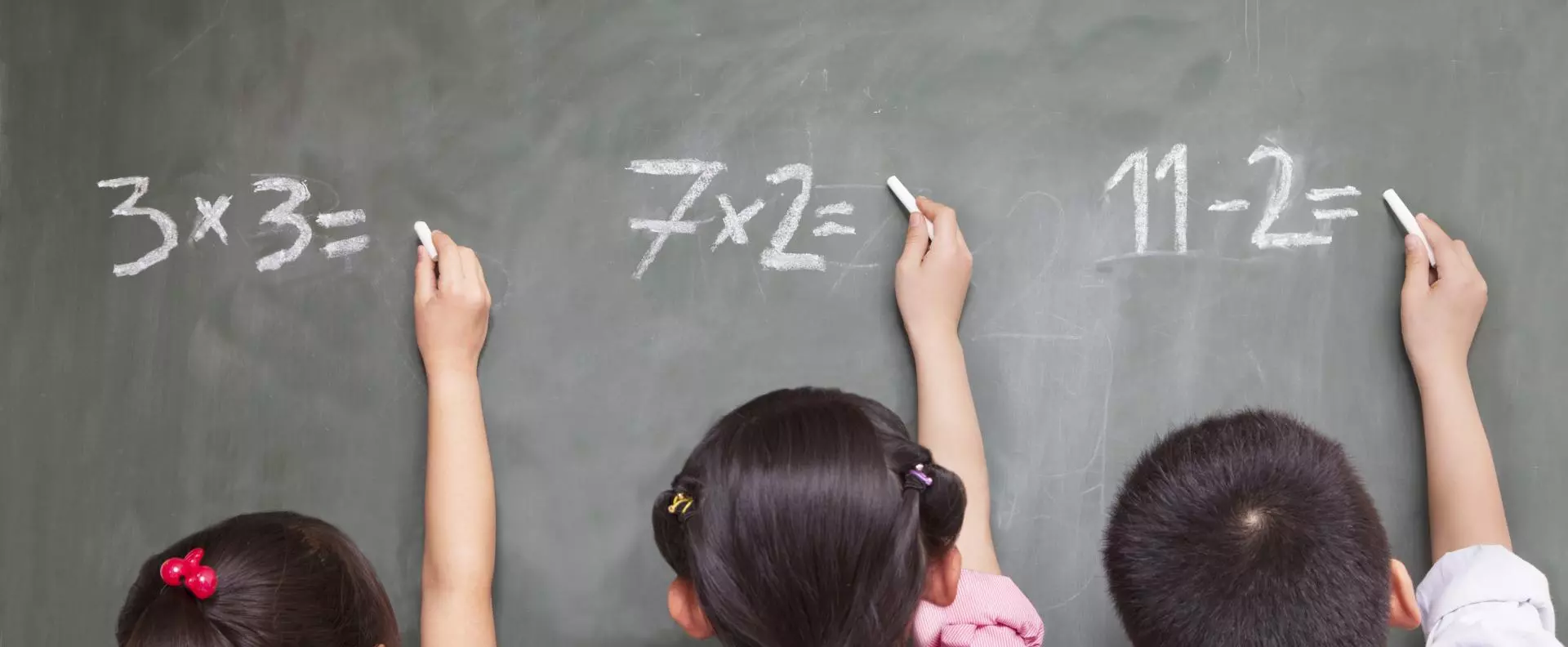
- The International Day of Mathematics provides an opportunity to raise awareness of the importance of mathematics and mathematics education in science, technology, society and sustainable development. UNESCO highlights the essential role of mathematical sciences in addressing global challenges, improving quality of life and supporting the achievement of the Sustainable Development Goals.
Some of the main objectives of the International Day of Mathematics are:
- Raising awareness among the general public and decision-makers of the importance of mathematics and its potential to contribute to development and more prosperous economic conditions.
- Emphasizing the importance of basic research in mathematical sciences as a foundation for technological advances and the effective management of society.
- Highlighting the role of mathematics in organizing modern society, including economic, financial, health and transport systems.
- Raising awareness of the role of mathematics in addressing disasters, epidemics, emerging diseases and invasive species.
- Highlighting the role of mathematics in the transition towards a sustainable economy that is compatible with the preservation of biodiversity.
- Strengthening international networking and cooperation to promote public awareness of mathematics.
Known in many countries as “Pi Day”, the International Day of Mathematics is observed on 14 March. The date was chosen because of its association with the mathematical constant π (pi), approximately 3.14. While Pi Day was already celebrated in many countries, the International Day of Mathematics broadens the focus to the full range of mathematical sciences and their relevance to society.
Mathematical sciences play a vital role in addressing a wide range of challenges. For example:
Artificial intelligence: Mathematics provides the foundation for many algorithms and models used in artificial intelligence and machine learning.
Climate change: Mathematical models help scientists understand and predict climate trends and patterns and contribute to the development of responses to climate change.
Energy and sustainable development: Mathematics is essential for improving energy efficiency, developing sustainable energy resources and reducing environmental impacts.
Improving quality of life: Applications of mathematics in areas such as health, communications and transport contribute to improving quality of life in societies around the world.
The International Day of Mathematics provides an opportunity to celebrate mathematics and highlight its importance in everyday life, scientific advancement and technological innovation. Through UNESCO’s support and global participation, the Day promotes greater understanding of the role of mathematics in addressing the challenges facing societies today.
The objectives of the International Day of Mathematics also include:
- Contributing to capacity-building in mathematics education, with particular attention to girls and children in developing countries.
- Promoting gender equality and empowering women and girls in mathematics.
- Raising awareness among the general public and decision-makers of the importance of mathematics as a tool for development and more prosperous economic conditions.
- Emphasizing the importance of basic research in mathematical sciences as a foundation for technological breakthroughs and the effective management of society.
- Highlighting the role of mathematics in organizing modern society, including economic, financial, health and transport systems.
- Raising awareness of the role of mathematics in addressing disasters, epidemics, emerging diseases and invasive species.
- Highlighting the role of mathematics in the transition towards a sustainable economy compatible with the preservation of biodiversity.
- Strengthening international networking and cooperation to promote public awareness of mathematics.