Maragheh Opens a New Chapter in Urban Diplomacy and Cultural Development by Joining the UNESCO Global Network of Learning Cities
Secretary-General of Iran’s National Commission for UNESCO: Maragheh’s Membership in the UNESCO Global Network of Learning Cities Is More Than an International Title; It Marks the Beginning of a New Chapter in the City’s Cultural, Scientific, and Social Development and Offers a Valuable Opportunity to Showcase Maragheh’s Potential and Expand Urban Diplomacy on the International Stage. The event coincides with the Day of Cultural Diplomacy and Constructive Engagement with the World, further enhancing its international significance. |
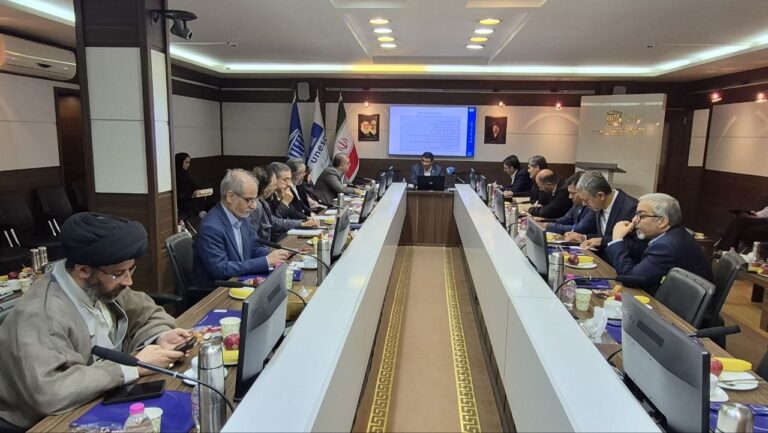
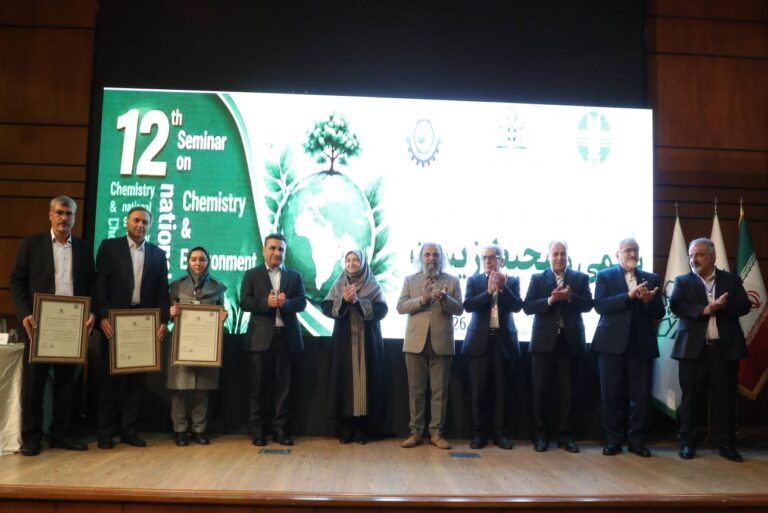
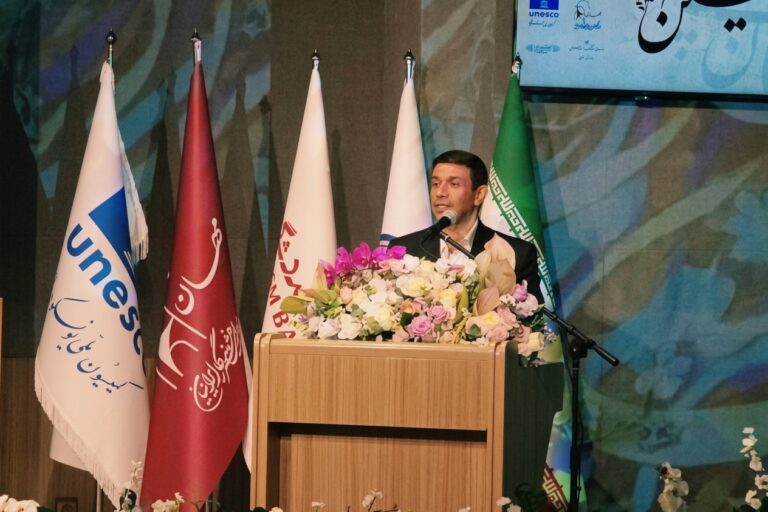
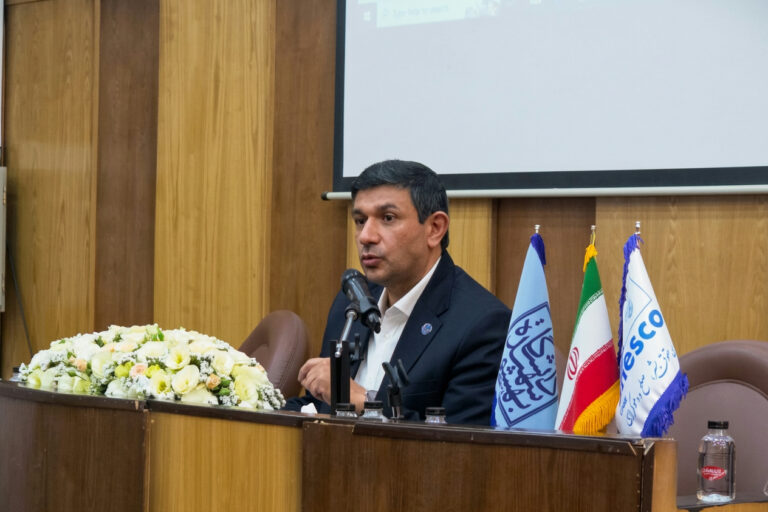
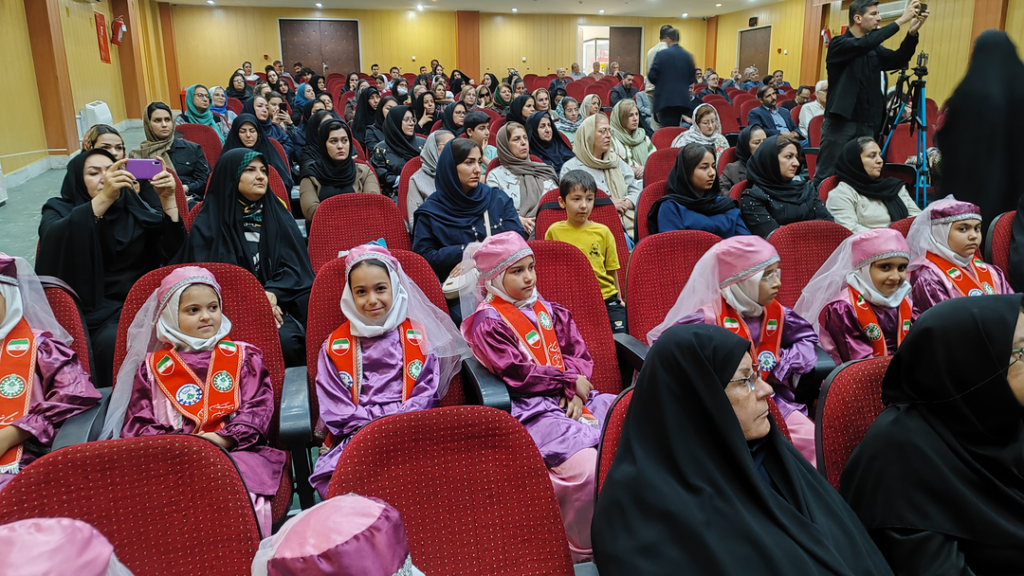
The ceremony to unveil Maragheh’s membership certificate in the UNESCO Global Network of Learning Cities was held this morning, 1 July 2026, at the Abdolghader Maraghi Hall of the Maragheh Department of Culture and Islamic Guidance. The event was attended by Dr. Hassan Fartousi, Secretary-General of Iran’s National Commission for UNESCO; Dr. Ali Amiri-Rad, Deputy Governor-General and Governor of Maragheh Special County; Dr. Shahram Marvati, Mayor of Maragheh; Hojjatoleslam val-Moslemin Javad Hajizadeh, Friday Prayer Leader of Maragheh; Dr. Saadollah Nasiri-Qeidari, President of the University of Advanced Technology and Basic Sciences in Zanjan; members of the City Council; provincial officials; academics; cultural activists; and local residents.
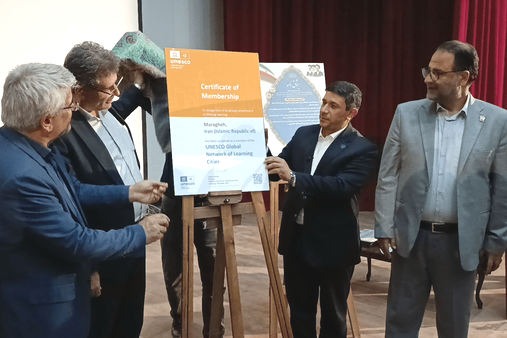
During the ceremony, Maragheh’s official membership certificate in the UNESCO Global Network of Learning Cities was unveiled. Speakers highlighted the city’s historical, cultural, scientific, and social capacities to advance lifelong learning, sustainable development, urban diplomacy, and greater social participation. They also emphasized that cultural development is like planting seeds and saplings of long-lived trees: a forward-looking undertaking that begins today but bears fruit for future generations.
Following official recognition by the UNESCO Institute for Lifelong Learning, Maragheh has joined the UNESCO Global Network of Learning Cities as one of Iran’s member cities. This international network works to promote learning throughout life, facilitate the exchange of experiences among cities, and strengthen educational, cultural, and social policies.
Maragheh on the Threshold of a New Chapter: Global Membership Coincides with the Day of Cultural Diplomacy
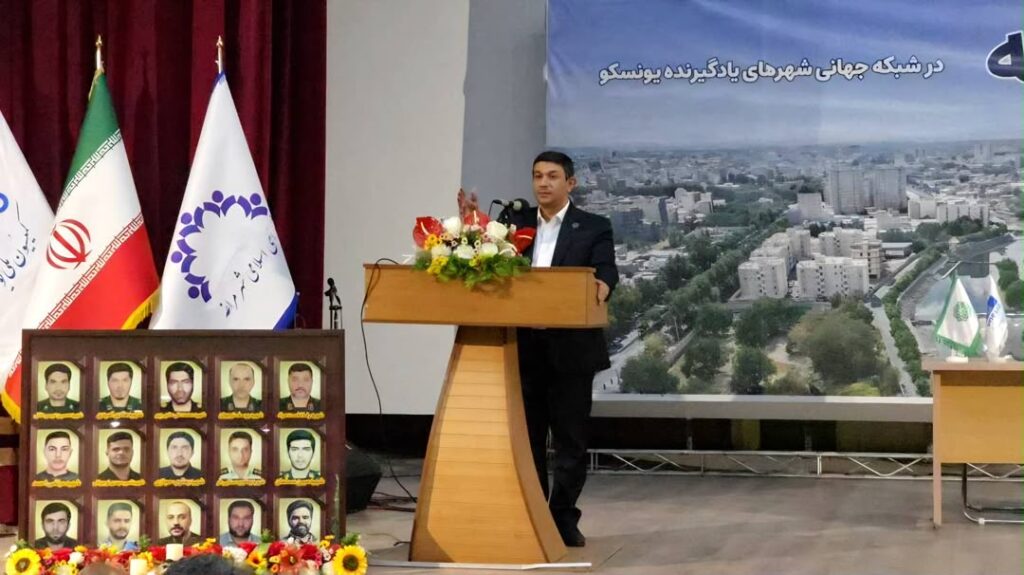
Dr. Hassan Fartousi, Secretary-General of Iran’s National Commission for UNESCO, described Maragheh’s membership in the UNESCO Global Network of Learning Cities as far more than an international title, calling it the starting point of a new phase in the development of this historic city.
Referring to the coincidence of this event with the Day of Cultural Diplomacy and Constructive Engagement with the World, he described this timing as a promising sign and stated: “Today is not merely the day on which Maragheh’s membership in the UNESCO Global Network of Learning Cities is unveiled. Its coincidence with the World Day of Cultural Diplomacy and Constructive Engagement with the World heralds the beginning of a new path towards further showcasing the city’s potential on the international stage.”
Highlighting Maragheh’s historical place in Iranian-Islamic civilization, Dr. Fartousi stated: “If Maragheh was once able to shine alongside the great scientific and cultural cities of the Islamic world, such as Cairo, Fez, Damascus, Baghdad, and other centres of civilization, this distinction is the result of the efforts and invaluable legacy of generations who laid the foundations of knowledge, culture, and civilization in this land.”
Drawing on the metaphor of ancient trees, he described cultural development as the outcome of a long-term, forward-looking vision. He added: “Just as many enduring, majestic trees are the result of the efforts of people who may never have lived to see them flourish, many cultural initiatives are also the fruit of the foresight of those who invest in future generations. Maragheh’s membership in the UNESCO Global Network of Learning Cities is of the same nature: an initiative whose benefits will become more evident in the years to come.”
Referring to the concept of “Manifest Victory” and the continuation of nations’ historical achievements, the Secretary-General of Iran’s National Commission for UNESCO noted: “Manifest Victory stems from the resistance, perseverance, and enduring historical achievements of the noble people of Iran. Any achievement that paves the way for development, solidarity, and progress can be an expression of this concept. Just as the Iranian people have achieved distinction at various points in history by relying on their solidarity, knowledge, culture, and steadfastness, Maragheh’s accession to the UNESCO Global Network of Learning Cities can also open up new horizons for the city’s future; horizons that begin today and extend to generations to come.”
Referring to Maragheh’s position among the cities participating in the network, he continued: “The number of cities in Iran that belong to the UNESCO Global Network of Learning Cities remains limited. With Maragheh’s accession today, the network has expanded in the country. This achievement also brings additional responsibility for a city situated at the heart of a region with a distinguished cultural, historical, and scientific heritage.”
Highlighting Maragheh’s strategic location in northwestern Iran, Dr. Fartousi stated: “The city is located in a region stretching from Qazvin and Zanjan to Jolfa and Bazargan, which has long been one of Iran’s important centres of culture, knowledge, and civilization. Among the cities of this region, Maragheh has succeeded in joining the UNESCO Global Network of Learning Cities by drawing on its scientific and cultural heritage. This development offers a valuable opportunity to strengthen Iran’s urban diplomacy.”
Emphasizing that urban diplomacy has become an important component of cultural and scientific relations worldwide, he added: “In the past, it was a source of pride for scholars, artists, and scientists to be associated with their cities, and cities became known around the world through their achievements. Today, cities can likewise play an active role in international engagement by drawing on their scientific, cultural, and social capacities.”
The Secretary-General of Iran’s National Commission for UNESCO described Maragheh as possessing an exceptional wealth of scientific, cultural, artistic, and historical resources. He noted: “Throughout different historical periods, the city has distinguished itself in fields such as astronomy, art, literature, music, and education. Today, drawing on this valuable heritage, it can also secure a place befitting its standing within the UNESCO Global Network of Learning Cities.”
Dr. Fartousi stressed that achieving the objectives of a learning city requires the participation of every sector of society. He stated: “A learning city is not merely a title or an administrative program; it is a social process that must encompass all the city’s capacities. Municipal authorities, universities, research centres, executive agencies, the private sector, non-governmental organizations, civil society institutions, students, and citizens must work together to enable Maragheh to become a successful model of lifelong learning.”
He added: “The learning city initiative offers a golden opportunity to foster cooperation across all sectors of society. It can strengthen public participation and lay the foundations for development rooted in knowledge, culture, creativity, and social responsibility.”
Referring to Maragheh’s distinguished musical heritage, Dr. Fartousi also announced that Iran’s National Commission for UNESCO was prepared to consider establishing the “Abdolqader Maraghi Grand National Music Prize.” He stated: “If the city’s officials provide the necessary infrastructure and commit to the long-term continuity and support of this initiative, the National Commission for UNESCO will be prepared to consider the proposal to establish the prize, paving the way for a national-level event centred on Maragheh.”
Regarding the proposal to designate Abdolqader Maraghi’s birthday as “National Music Day,” the Secretary-General of Iran’s National Commission for UNESCO explained: “This matter falls beyond the authority of the National Commission for UNESCO. However, this valuable proposal will be forwarded to the relevant authorities for consideration through the appropriate legal procedures.”
Learning Cities: A Platform for Achieving Peace and Sustainable Development
Elaborating on UNESCO’s mission, Dr. Fartousi described learning cities as one of the most important platforms for achieving lasting peace and sustainable development at the local level. He emphasized: “Lasting peace is not peace founded on inequality, discrimination, or injustice. Rather, it is peace built on justice, equality, dialogue, education, and comprehensive development. Since its establishment, the United Nations Educational, Scientific and Cultural Organization has pursued this very vision, promoting education, culture, science, and social participation as the most important instruments for achieving lasting peace.”
He added that UNESCO therefore does not limit the concept of sustainable development to economic growth alone. Instead, it promotes a model of development in which education, culture, the environment, health, social participation, and improvements in citizens’ quality of life are addressed together.
Expressing appreciation for the development-oriented vision of Maragheh’s municipal authorities, the Secretary-General stated: “What we see today in the programs and approaches of the city’s officials is simultaneous attention to different dimensions of development; from establishing economic infrastructure and improving connectivity to addressing the environment, urban health, culture, and education. All of these are among the fundamental pillars of a learning city.”
He noted: “A learning city is not simply a city with more schools, universities, or educational centres. It is a city in which all available capacities become opportunities for learning, creativity, participation, and improving citizens’ quality of life, while smart concepts are woven into the fabric of urban management and everyday life.”
Referring to plans for expanding learning city activities in Maragheh, Dr. Fartousi stated: “Fortunately, the city’s officials have developed an appropriate action plan for the future, and Iran’s National Commission for UNESCO will support its implementation within the scope of its mandate.”
He also welcomed the allocation of premises for a learning city office in Maragheh’s historic district, adding: “The Mayor of Maragheh has pledged to dedicate an office in the city’s historic district to learning city activities. The National Commission for UNESCO will also support the establishment of this office and the expansion of joint cooperation.”
Maragheh: A Model for Iran’s Cities
In another part of his remarks, the Secretary-General of Iran’s National Commission for UNESCO expressed appreciation for the efforts of local officials, experts, academics, and citizens who had contributed to Maragheh’s membership in the UNESCO Global Network of Learning Cities. He stated that this achievement was the result of the cooperation and solidarity of a group of managers, experts, cultural activists, and citizens of Maragheh, adding that such a milestone would not have been possible without their collective efforts.
He also commended the experts at Iran’s National Commission for UNESCO for their work in reviewing applications from cities seeking to join the network. He noted that numerous applications had been received from cities across the country and that, following expert assessments, Maragheh and Kermanshah had ultimately been selected for nomination to UNESCO. Both cities had successfully joined the UNESCO Global Network of Learning Cities.
Dr. Fartousi described this achievement as a symbol of Iran’s cultural and civilizational capacities, emphasizing that the accession of cities with diverse cultural backgrounds from different parts of the country to the UNESCO Global Network of Learning Cities presents a clear picture of Iran’s cultural diversity, civilizational richness, and capabilities on the international stage. He added that this achievement could pave the way for expanded cultural and scientific cooperation with cities around the world.
In conclusion, he expressed hope that, by drawing on its historical heritage, human capital, and scientific, cultural, and social capacities, Maragheh would become one of the network’s successful member cities. He added that, just as the city had once been a major centre of knowledge, culture, and civilization in Iran and the Islamic world, it could once again serve as a model for other Iranian cities in advancing lifelong learning, sustainable development, and urban diplomacy.
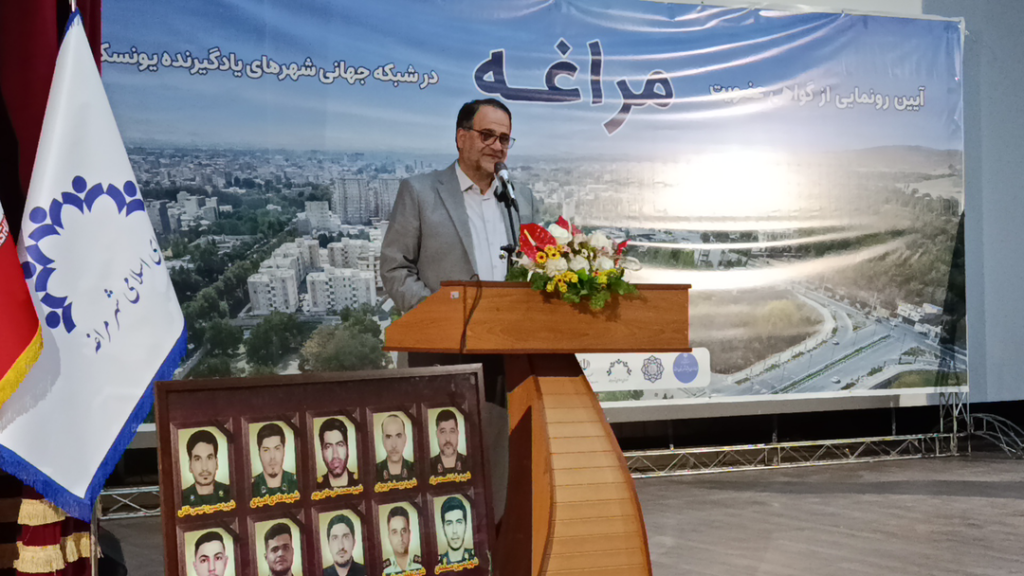
Continuing the ceremony, the Deputy Governor-General and Governor of Maragheh Special County emphasized the significance of this international achievement, describing the city’s membership in the UNESCO Global Network of Learning Cities as a new opportunity for comprehensive urban development. He stated: “Membership in the UNESCO Global Network of Learning Cities is not merely a symbolic achievement; it provides an international platform for exchanging experiences, developing innovative learning initiatives, and drawing on global capacities to advance urban development.”
Dr. Ali Amiri-Rad noted that Maragheh had previously received the “Healthy City” certificate. He added: “Today, with the unveiling of the Learning City certificate, a new chapter in Maragheh’s development begins, and the city will strive to pursue a lifelong learning approach across all sectors.”
Outlining some of the county administration’s plans to achieve the objectives of a learning city, he stated: “The establishment of themed parks, including a music park, educational parks, and the expansion of cultural centres are among the initiatives being pursued to transform all the city’s capacities into an environment for learning. Achieving these objectives will not be possible without the cooperation of executive agencies, public institutions, universities, the private sector, and public participation.”
Emphasizing the importance of revitalizing the neighbourhood-centred approach to urban development, the Governor described neighbourhoods as the link between families and society. He added that strengthening social capital and citizen participation would be among the fundamental pillars of achieving the objectives of a learning city.
Dr. Amiri-Rad also highlighted the prominent place of Abdolqader Maraghi in the history of Iranian music and proposed that 25 December, the birthday of this renowned thinker and musician, be designated as “National Music Day” in the country’s official calendar. He stated: “Art is the most enduring language through which to record history and narrate the identity of nations. Honouring distinguished cultural figures is part of the city’s cultural development.”
Later in the ceremony, Dr. Shahram Marvati, Mayor of Maragheh, expressed his satisfaction with the city’s accession to the UNESCO Global Network of Learning Cities, describing the achievement as the beginning of a new commitment for the municipal administration. He stated: “A learning city is not simply a city with schools and universities. All urban spaces must become platforms for learning, creativity, and social interaction.”
He added that Maragheh’s municipal administration would strive to create opportunities for lifelong learning for all citizens by developing themed parks, cultural centres, and educational spaces and by drawing on the city’s historical and cultural capacities.
Referring to Maragheh’s cultural heritage, the Mayor also described the city as the birthplace of distinguished scientific and artistic figures, including Abdolqader Maraghi. He emphasized that this historical legacy further increases the responsibility of today’s authorities to preserve, promote, and develop the city’s cultural potential.
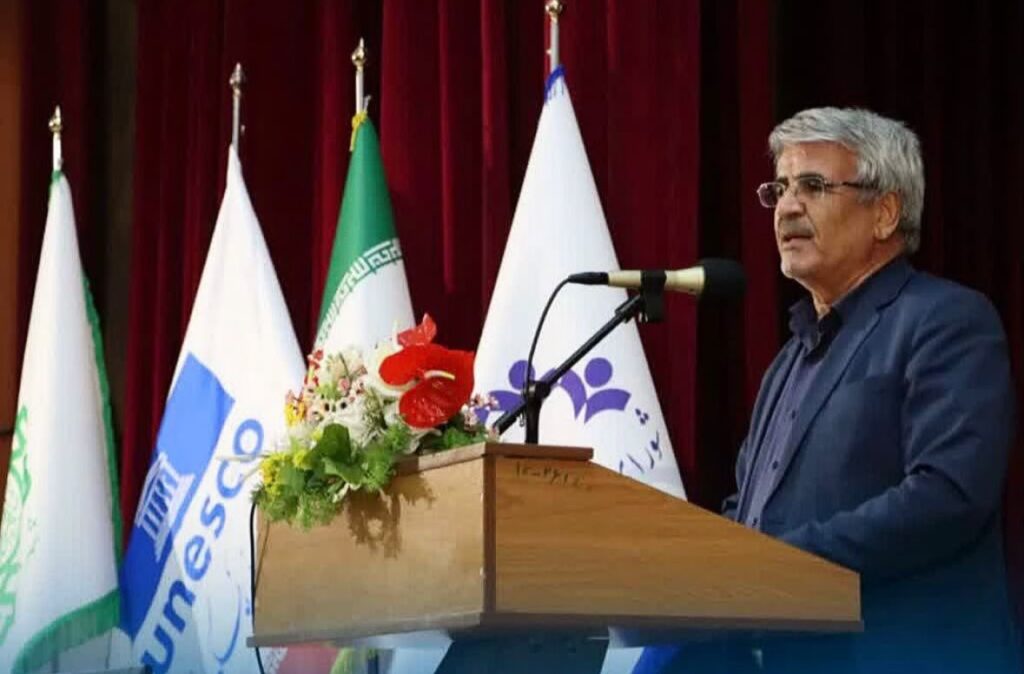
Dr. Saadollah Nasiri-Qeidari, President of the University of Advanced Technology and Basic Sciences in Zanjan, also emphasized that Maragheh’s inclusion in the UNESCO Global Network of Learning Cities marks the beginning of a new journey. He stated that sustaining this achievement requires continued efforts, public participation, and the support of officials to realize the city’s cultural, scientific, and educational potential.
Referring to Maragheh’s historical and scientific heritage, he described the city as having a long-established international standing. He added that Maragheh had long been recognized as a city of global significance because of its distinguished figures, historic observatory, and influential role in advancing astronomy. Its inclusion in the UNESCO Global Network of Learning Cities, he noted, further increases the responsibility of officials and citizens to preserve and strengthen this standing.
Dr. Nasiri-Qeidari also highlighted the historic role of the Maragheh Observatory in advancing astronomical knowledge, stating that in its time, it was one of the world’s largest and most influential scientific centres and that many prominent observatories around the world had drawn inspiration from its achievements. He expressed hope that, through the collective efforts of officials, academics, and citizens, Maragheh would make the most of its international recognition to advance scientific, cultural, and educational development.
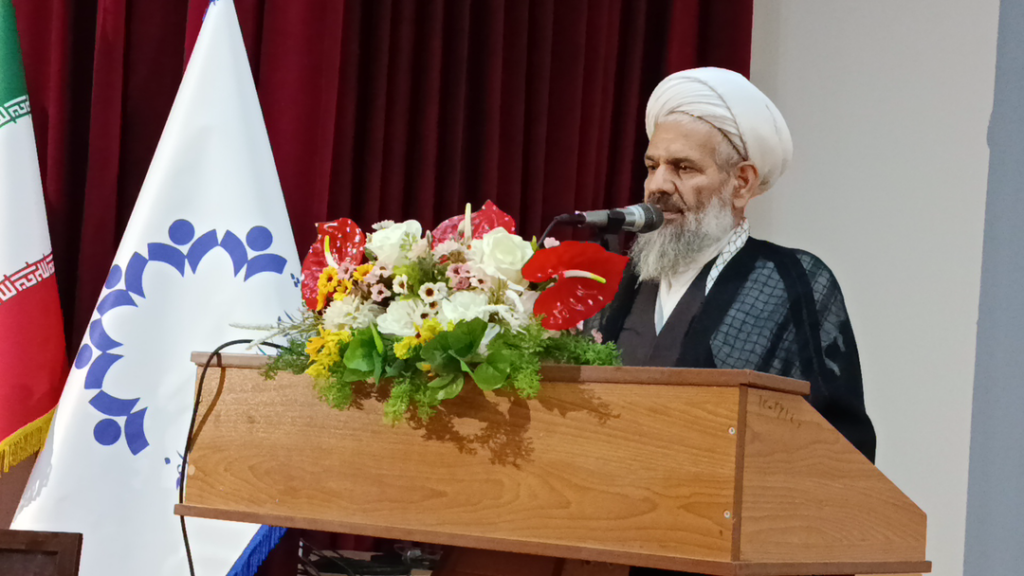
Hojjatoleslam val-Moslemin Javad Hajizadeh, Friday Prayer Leader of Maragheh, also spoke at the ceremony, highlighting the city’s historical and civilizational heritage. He stated that Maragheh had historically been a centre of science, culture, and education, and that the historic Maragheh Observatory, along with prominent scientists, poets, and literary figures such as Owhadi Maraghehi and Abdolqader Maraghi, offered clear evidence of the city’s rich cultural heritage.
He expressed hope that Maragheh’s membership in the UNESCO Global Network of Learning Cities would help further promote the city’s scientific, cultural, and historical potential at both the national and international levels.
Unveiling of the Membership Certificate and the Beginning of a New Chapter in Cooperation Between Maragheh and Iran’s National Commission for UNESCO
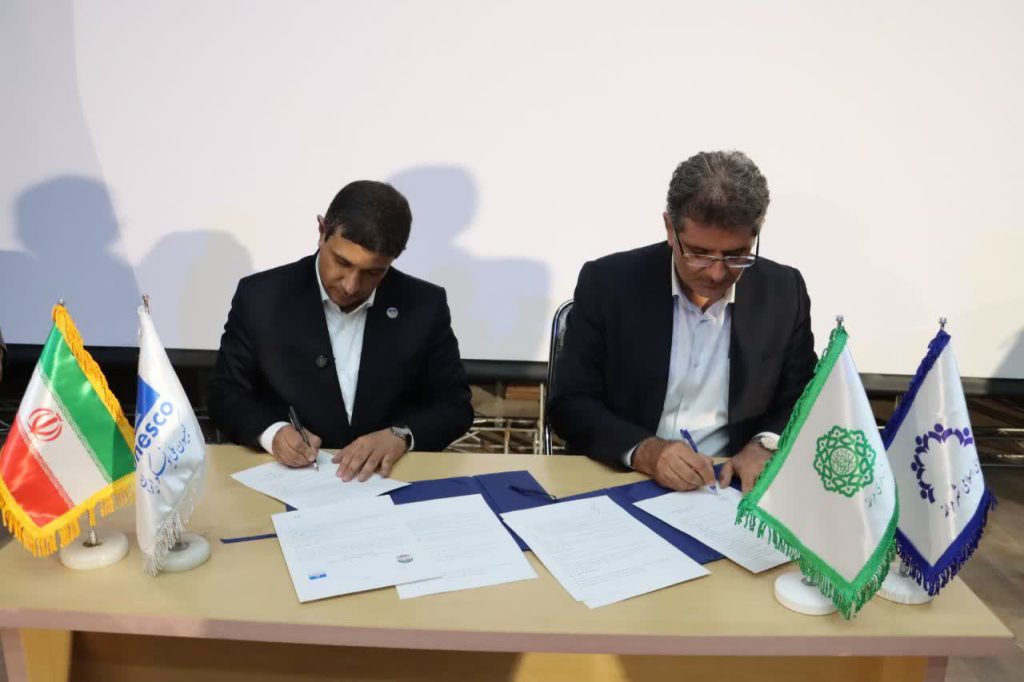
At the conclusion of the ceremony, Maragheh’s official membership certificate in the UNESCO Global Network of Learning Cities was unveiled, and a memorandum of understanding was signed between the Municipality of Maragheh and Iran’s National Commission for UNESCO.
The delegation from Iran’s National Commission for UNESCO, accompanied by local officials, also visited the Maragheh River and the city’s health trail. A tree-planting ceremony was held to plant the “Tree of Learning,” symbolizing lifelong learning, sustainable development, social responsibility, and the continuation of joint cooperation.
The ceremony conveyed a message of the beginning of a new chapter for a city that, drawing on its historical heritage and cultural assets, has embarked on a path toward global engagement, sustainable development, and a future built on education, culture, and social participation.