Specialized Meeting on International Strategies for Safeguarding the Historical Identity of Cities Held
| Secretary-General of Iran’s National Commission for UNESCO: Documentation, Legal Preparedness, and Leveraging International Capacities Are Essential to Safeguarding Cultural Heritage in Times of Crisis |
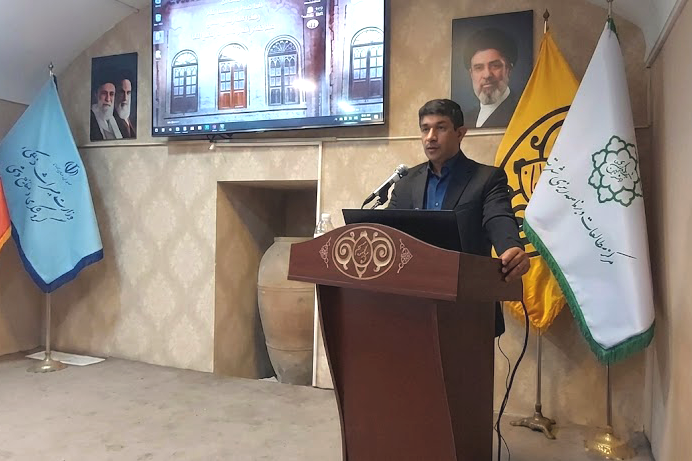
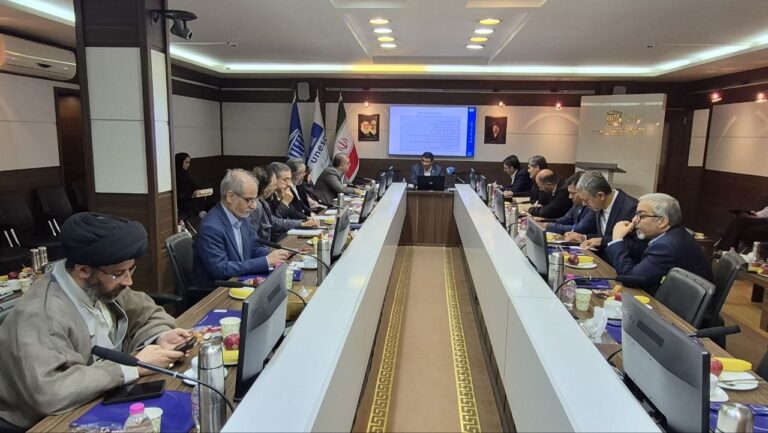
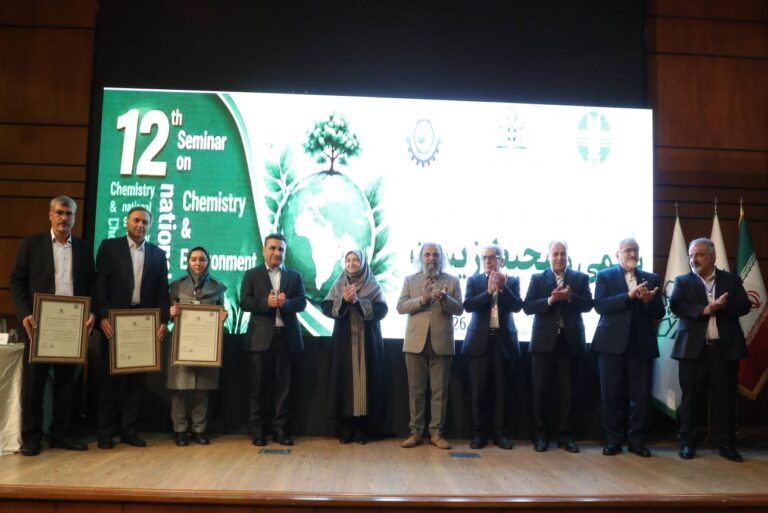
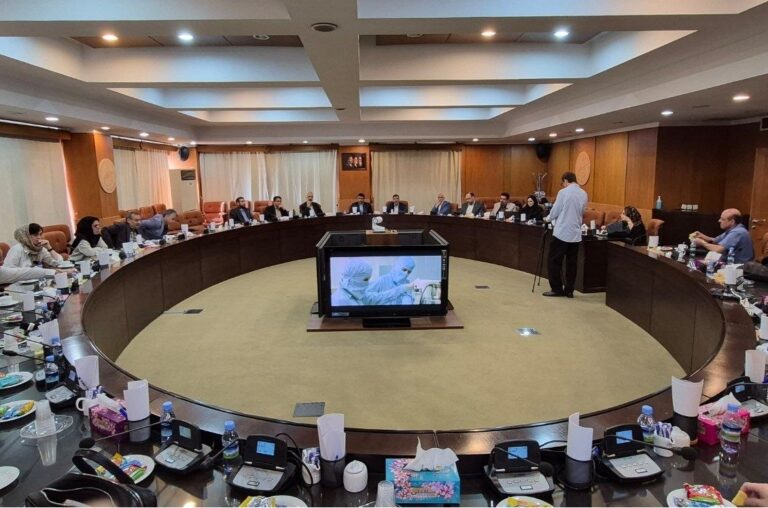
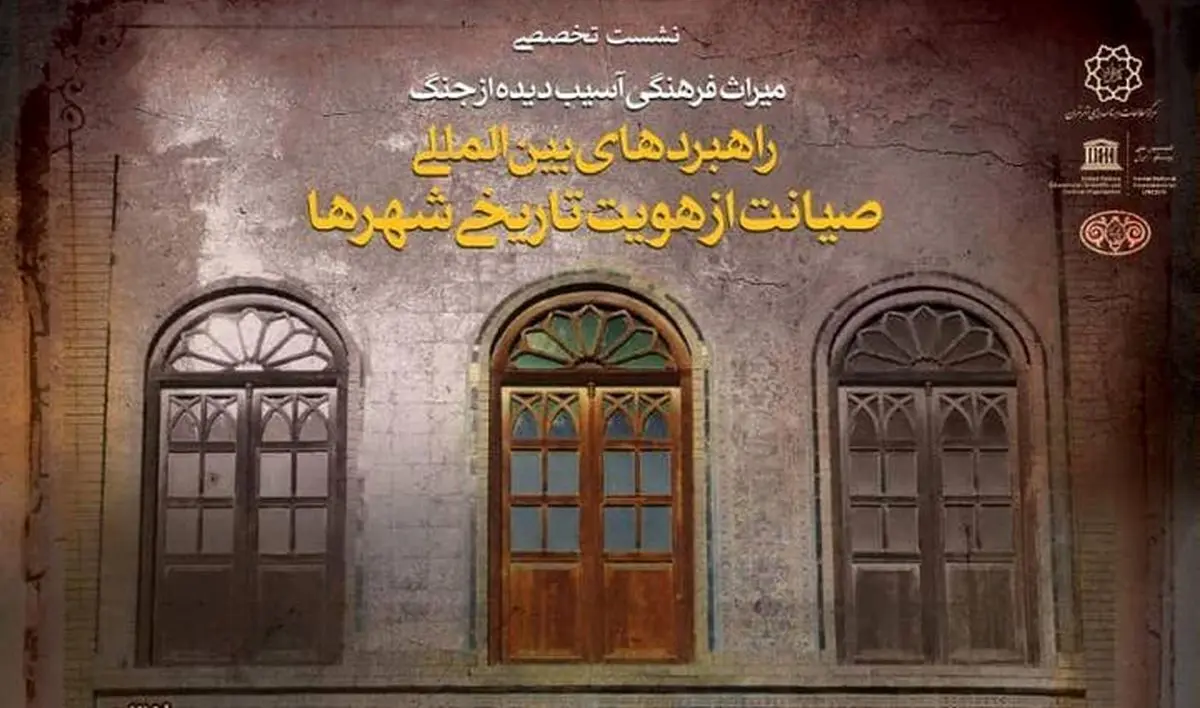
The specialized meeting entitled “Cultural Heritage Damaged in War: International Strategies for Safeguarding the Historical Identity of Cities” was held on 30 June 2026, at the initiative of the Tehran Municipality’s Center for Studies and Planning, in cooperation with the Golestan Palace complex.
At the meeting, Dr. Hassan Fartousi, Secretary-General of Iran’s National Commission for UNESCO; Dr. Ali Shamsipour, Head of the Tehran Municipality’s Center for Studies and Planning; and several faculty members from Iran University of Science and Technology and Allameh Tabataba’i University examined various aspects of cultural heritage protection in times of crisis and the use of international mechanisms.
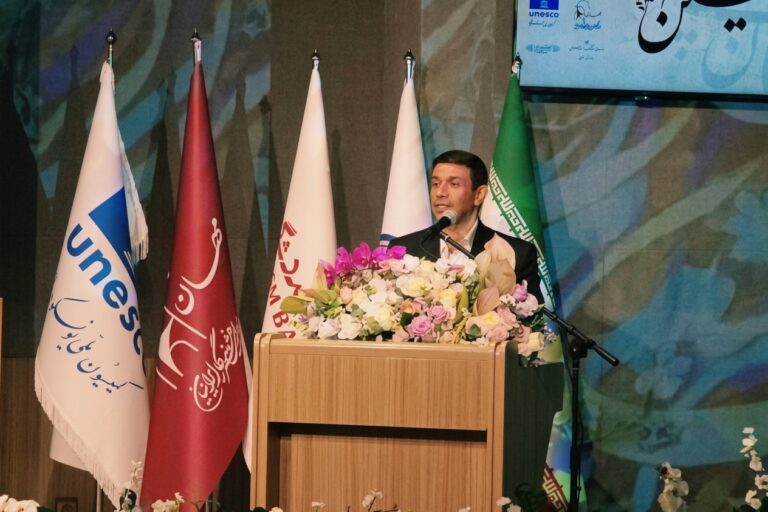
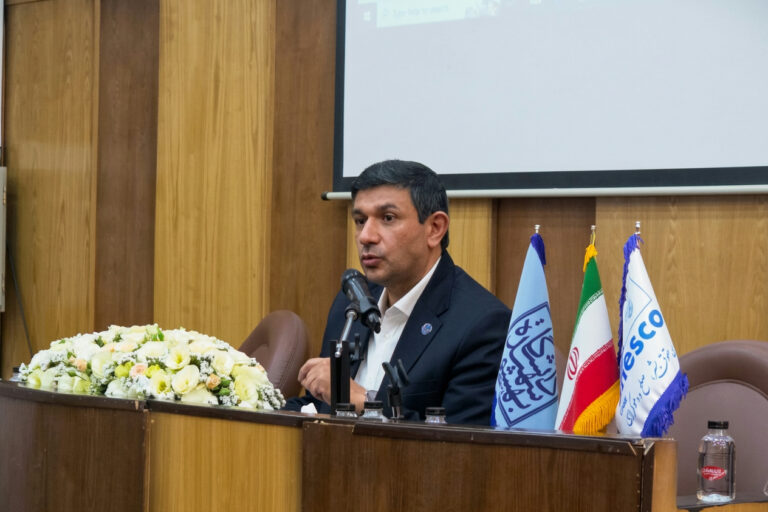
In his address, Dr. Fartousi emphasized that cultural heritage and the historical identity of cities are among the country’s most important strategic assets. He highlighted the need to strengthen documentation systems, enhance legal preparedness, and draw on the capacities of international conventions, particularly the 1954 Hague Convention and its two Protocols, to protect cultural heritage in times of crisis.
Referring to the damage inflicted on some of the country’s cultural and educational infrastructure and historical sites during the recent aggression, he stated that these incidents must be recorded accurately, systematically, and with supporting documentation, and analyzed from multiple perspectives. This would not only preserve a record of the experiences but also help strengthen the country’s cultural heritage protection system.
Documenting Damage: The First Step Towards Legal and International Follow-Up
The Secretary-General of Iran’s National Commission for UNESCO expressed appreciation for the efforts of the Ministry of Cultural Heritage, Tourism and Handicrafts, municipalities, and cultural heritage experts in assessing and documenting the damage. Referring to field visits to affected cities, he added that the National Commission for UNESCO in Iran had closely monitored the documentation of damaged sites since the onset of the crisis. Through field visits and the preparation of visual documentation, the Commission had provided some of this material to specialized international bodies.
He also announced that visual documentation prepared by Iran’s National Commission for UNESCO had been presented at a specialized meeting at UNESCO Headquarters. He noted that the visual report, presented to the Director of the World Heritage Centre, the Secretaries of relevant conventions, and UNESCO experts, had attracted the attention of the Organization’s officials as the first example of a comprehensive presentation of visual evidence documenting damage to cultural heritage during an armed conflict.
From Digital Documentation to Leveraging UNESCO Networks
Dr. Hassan Fartousi described the accurate documentation of damage as one of the most important prerequisites for effective cultural heritage protection. He stressed that recent experience had demonstrated the decisive role of comprehensive databases, before-and-after images, and documented records of historical sites in legal follow-up and the use of international mechanisms.
Referring to the registration of more than 46,000 properties on the country’s National Heritage List, he emphasized the need to develop cultural heritage data systems, complete digital documentation, and use emerging technologies to protect historical sites. He added that expanding three-dimensional documentation and leveraging UNESCO networks, including the Creative Cities and Learning Cities networks, could play an effective role in strengthening urban resilience and safeguarding the historical identity of cities.
Strengthening Legal Capacity and International Cooperation to Safeguard Cultural Heritage
The Secretary-General of Iran’s National Commission for UNESCO also described improving public authorities’ legal knowledge of international instruments and conventions related to cultural heritage protection as an unavoidable necessity. He stated that international legal frameworks, including the Hague Convention, the Geneva Conventions, and the Rome Statute, could play an effective role in preventing damage, documenting losses, pursuing legal action, and protecting cultural heritage.
He also reported that Iran’s National Commission for UNESCO had continued its consultations with UNESCO and other international organizations, adding that these discussions had paved the way for preliminary agreement on drawing on certain international support mechanisms for the restoration and reconstruction of damaged sites.
Institutional Synergy: A Necessity for Cultural Heritage Protection in Times of Crisis
In conclusion, Dr. Fartousi emphasized the need to strengthen coordination among policymaking bodies, executive agencies, and academic and specialized institutions. He identified the development of a cultural heritage protection system based on international standards—including the “Blue Shield,” “Special Protection,” and “Enhanced Protection” mechanisms under UNESCO conventions—as a key national priority in preparing for future crises.
The specialized meeting underscored the need for synergy among policymaking bodies, executive agencies, academic institutions, and international organizations. It emphasized that protecting cultural heritage in times of crisis requires a comprehensive approach based on scientific documentation, the use of international legal frameworks, and the application of emerging technologies. Participants also stressed the importance of expanding national and international cooperation, strengthening the resilience of historic cities, and safeguarding cultural identity as a cornerstone of sustainable development and the country’s cultural security.