Meeting to Examine the Technical, Legal, and International Dimensions of the World Heritage Registration of the Hoor al-Azim Wetland
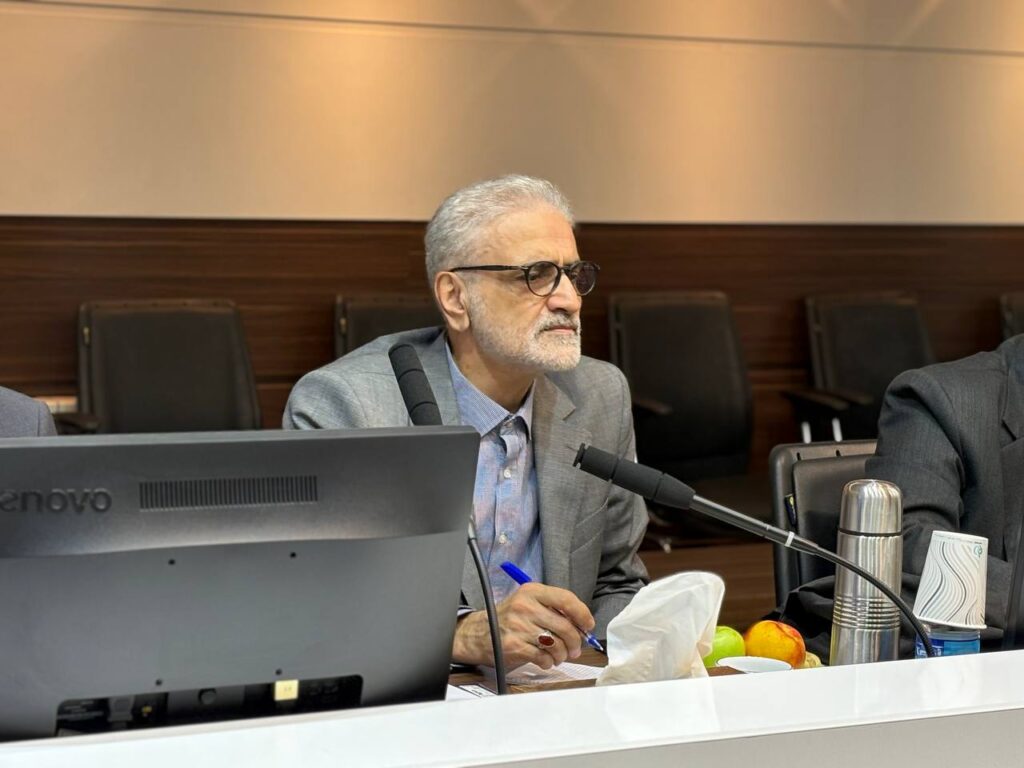
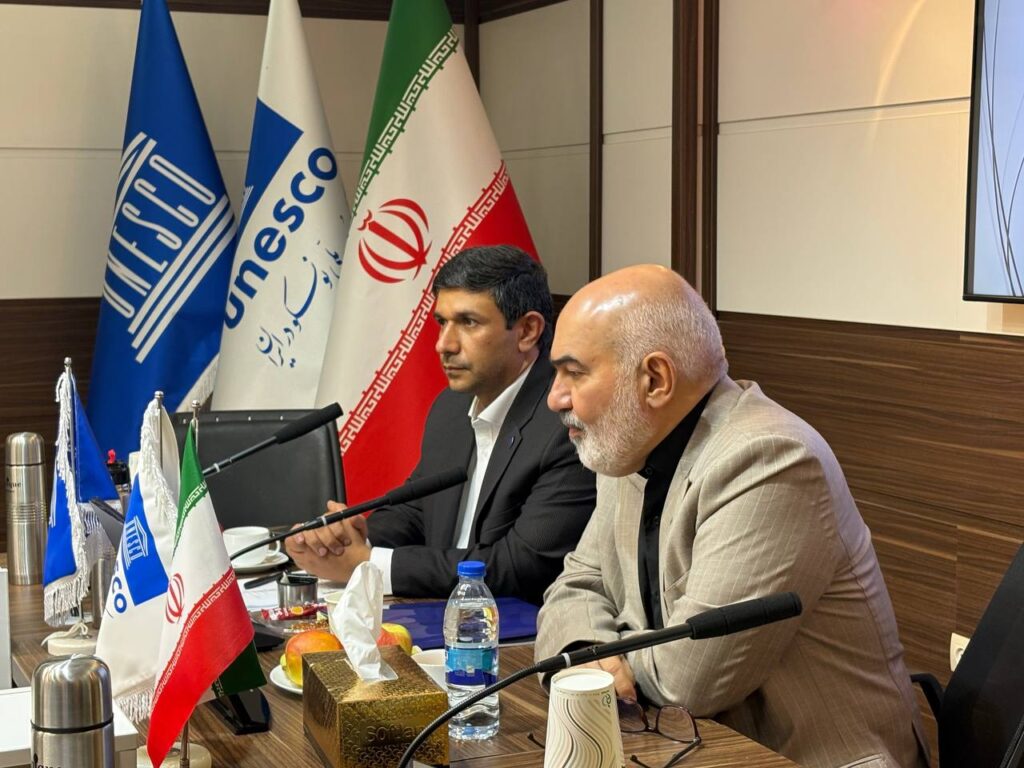
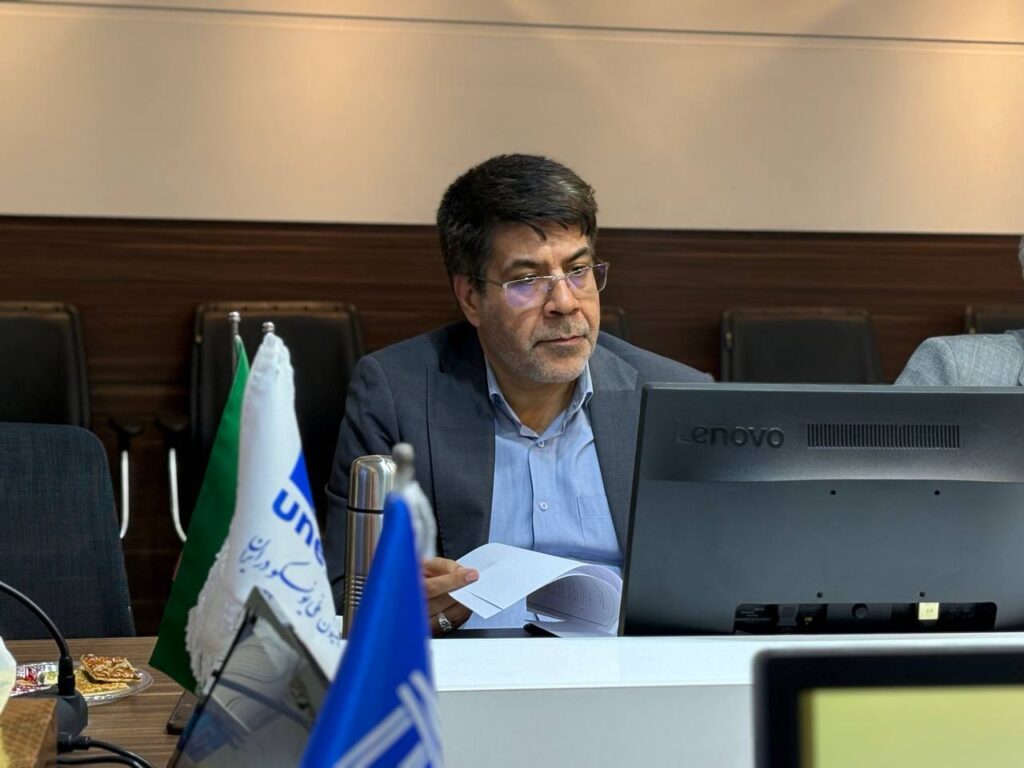
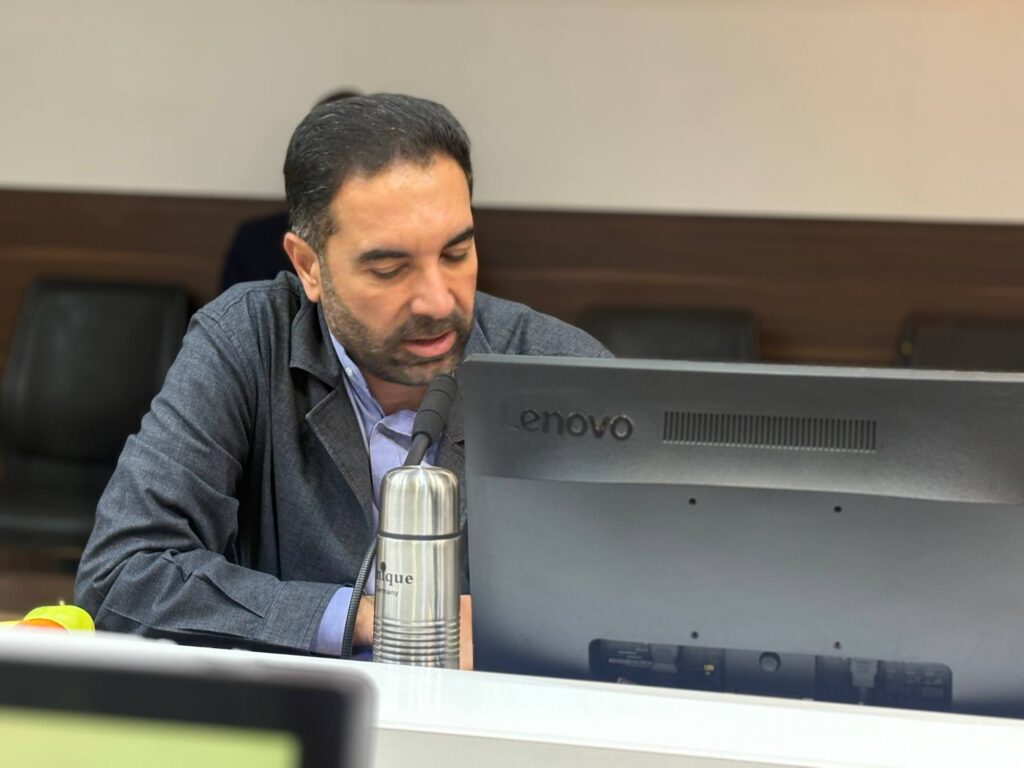
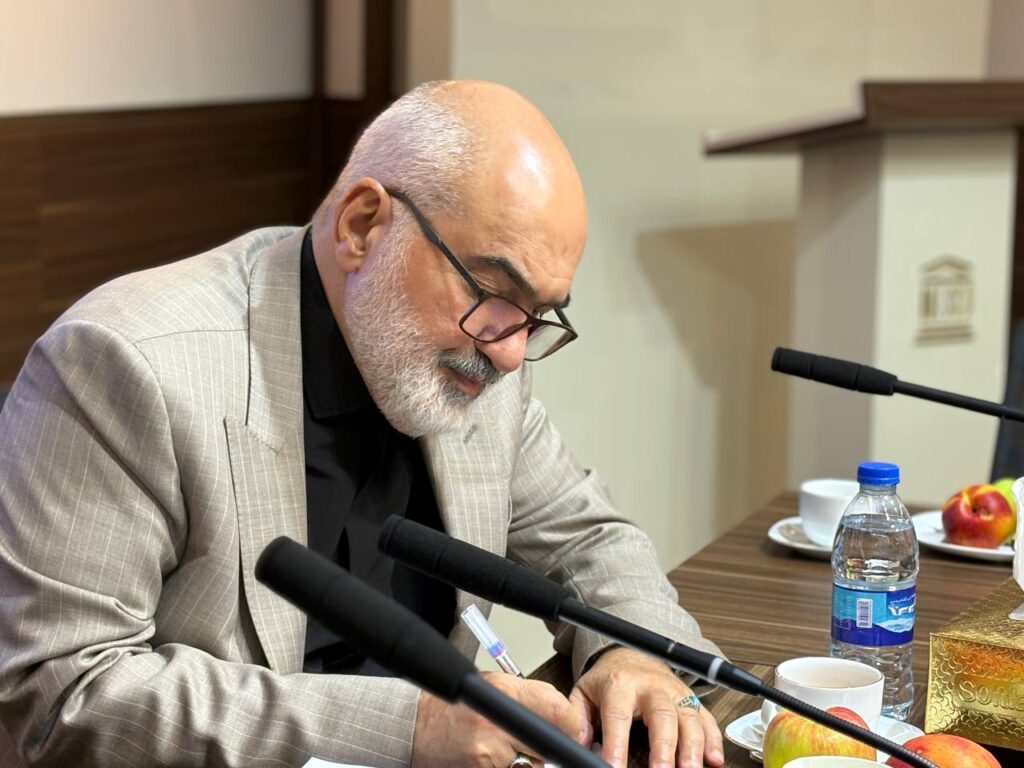
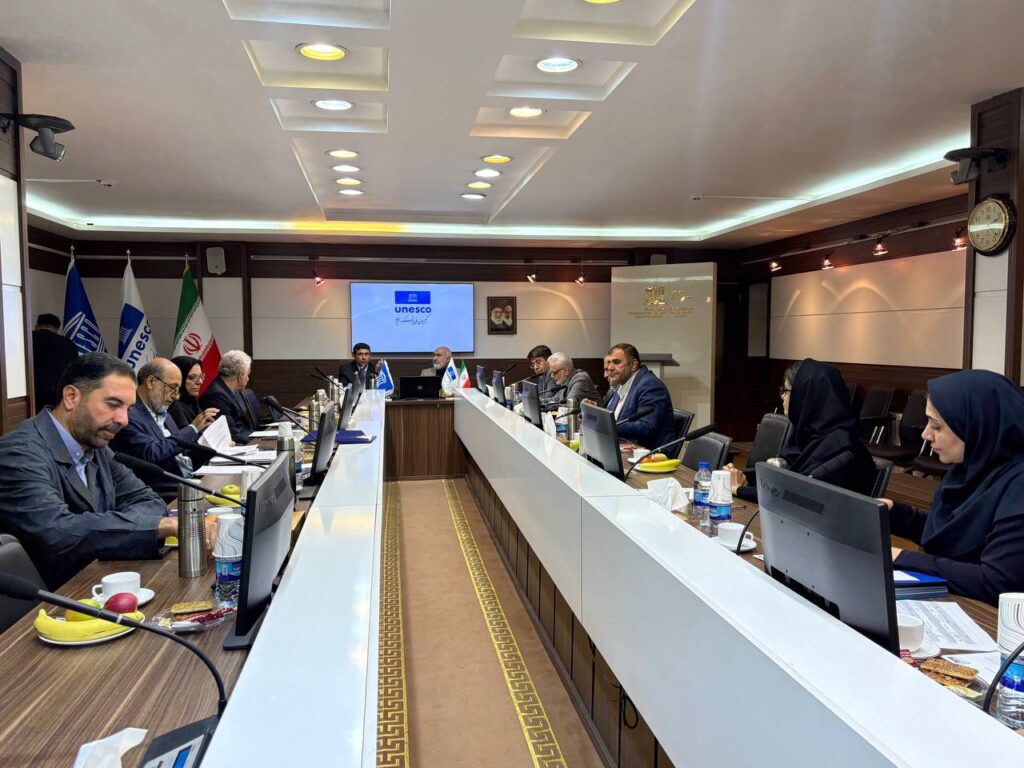
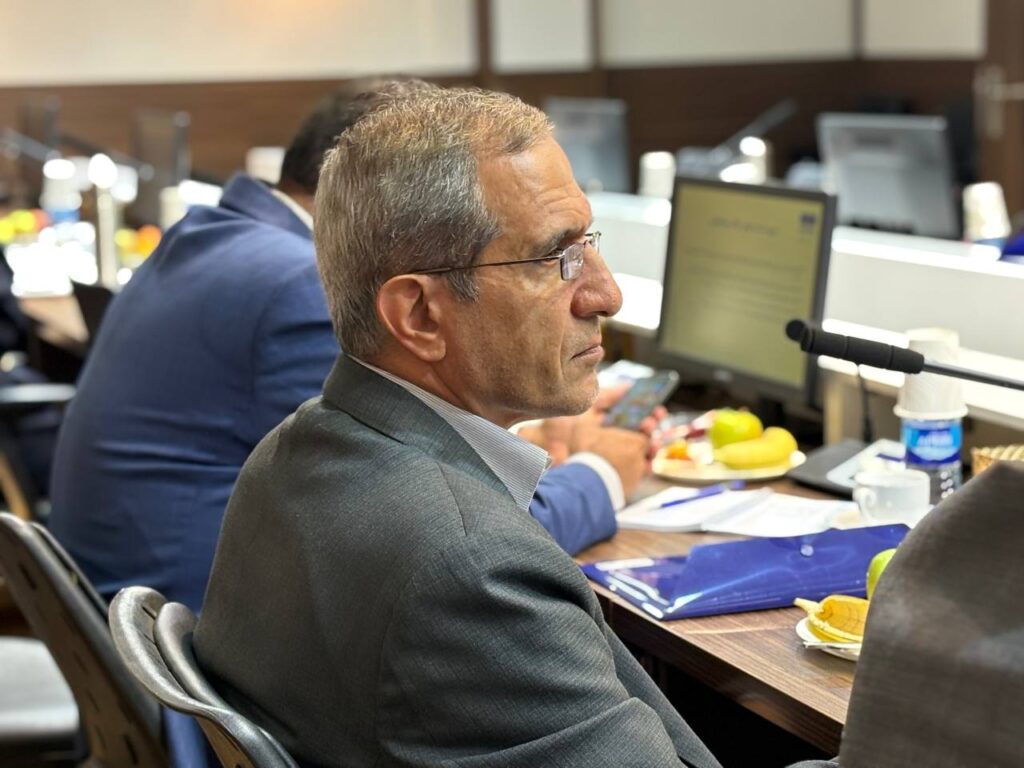
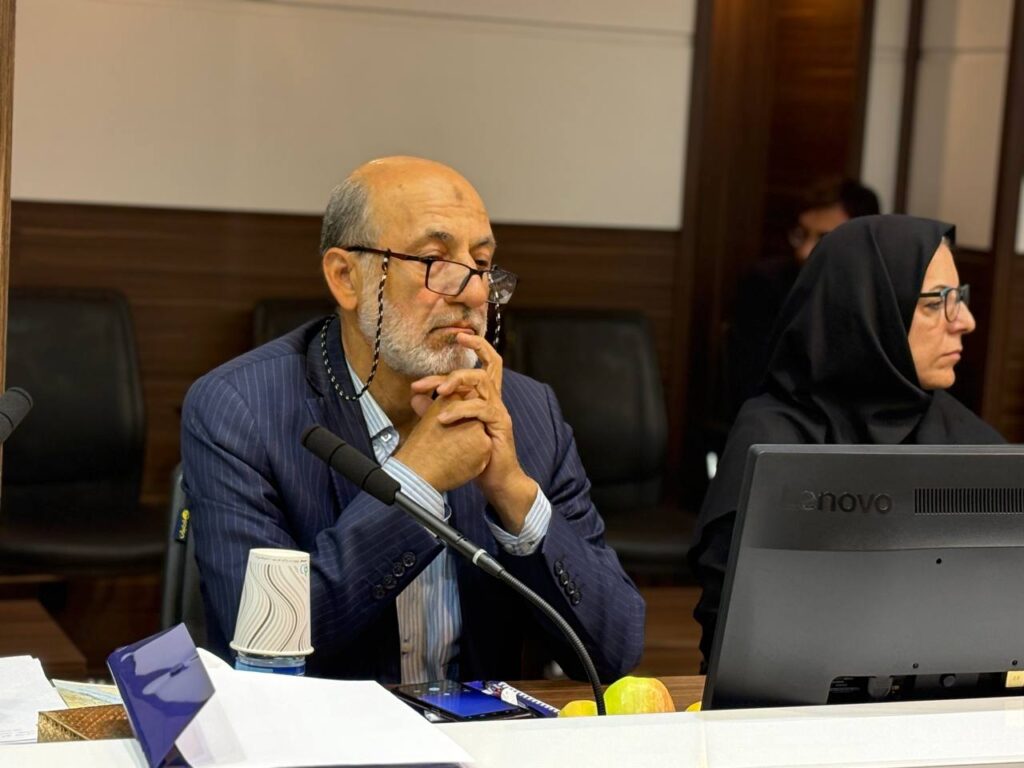
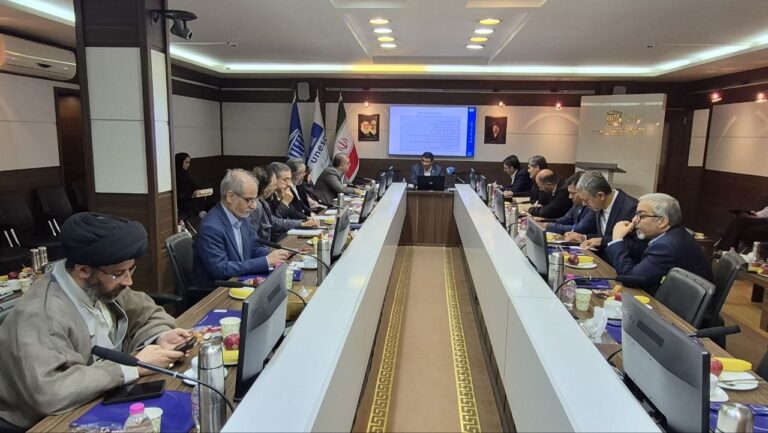
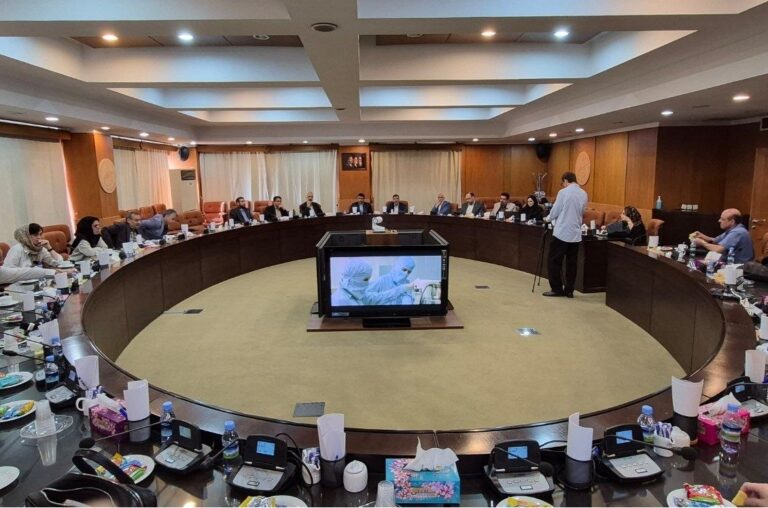
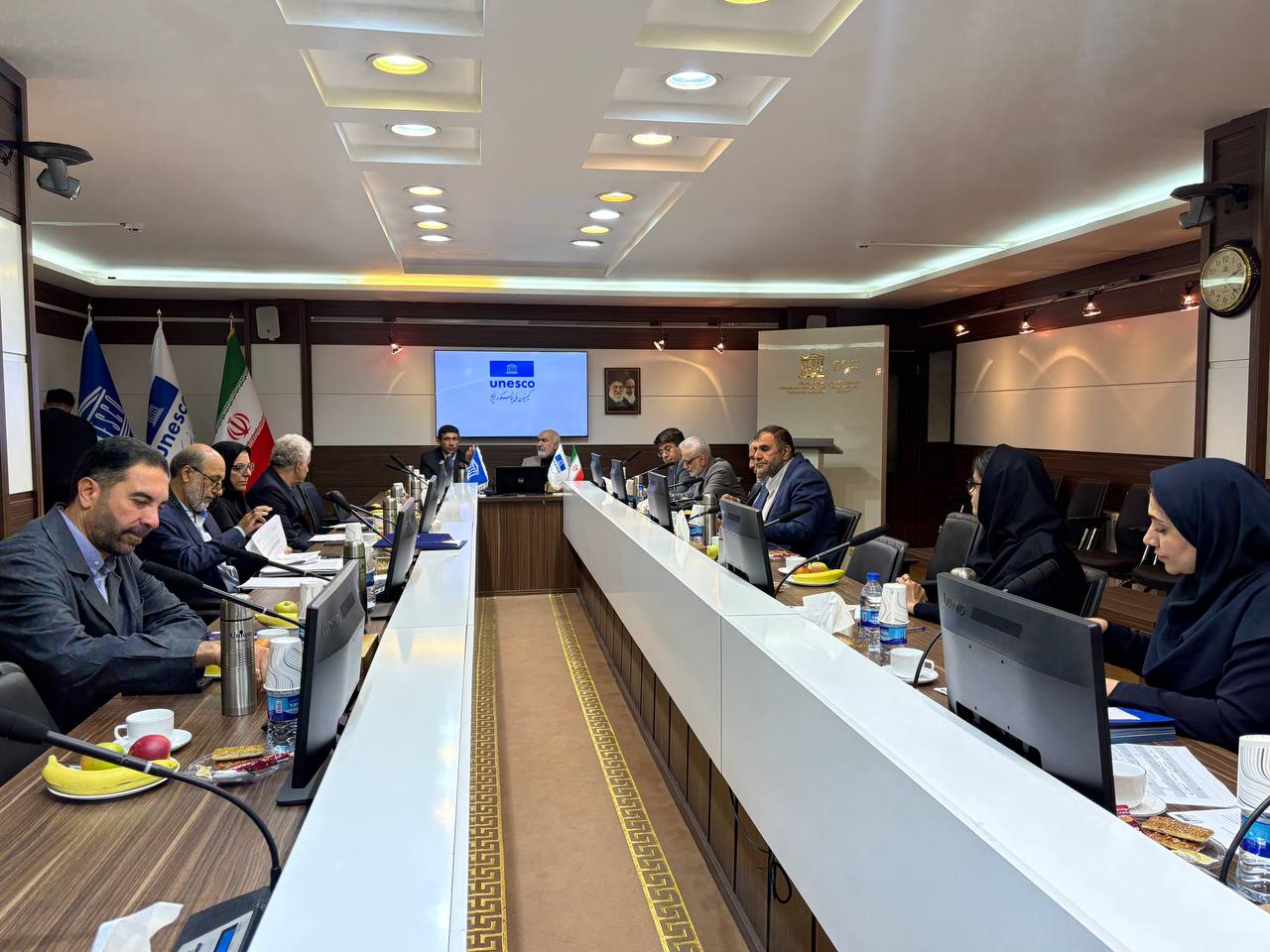
A consultative meeting to examine the various aspects of the World Heritage registration of the Hoor al-Azim Wetland was held at Iran’s National Commission for UNESCO, attended by Dr. Seyed Mohammad Reza Movahedizadeh, Governor of Khuzestan Province; Dr. Hassan Fartousi, Secretary-General of Iran’s National Commission for UNESCO; representatives of the Ministry of Foreign Affairs, the Ministry of Cultural Heritage, Tourism and Handicrafts, the Ministry of Energy, and the Ministry of Petroleum; and a number of officials and experts from relevant organizations.
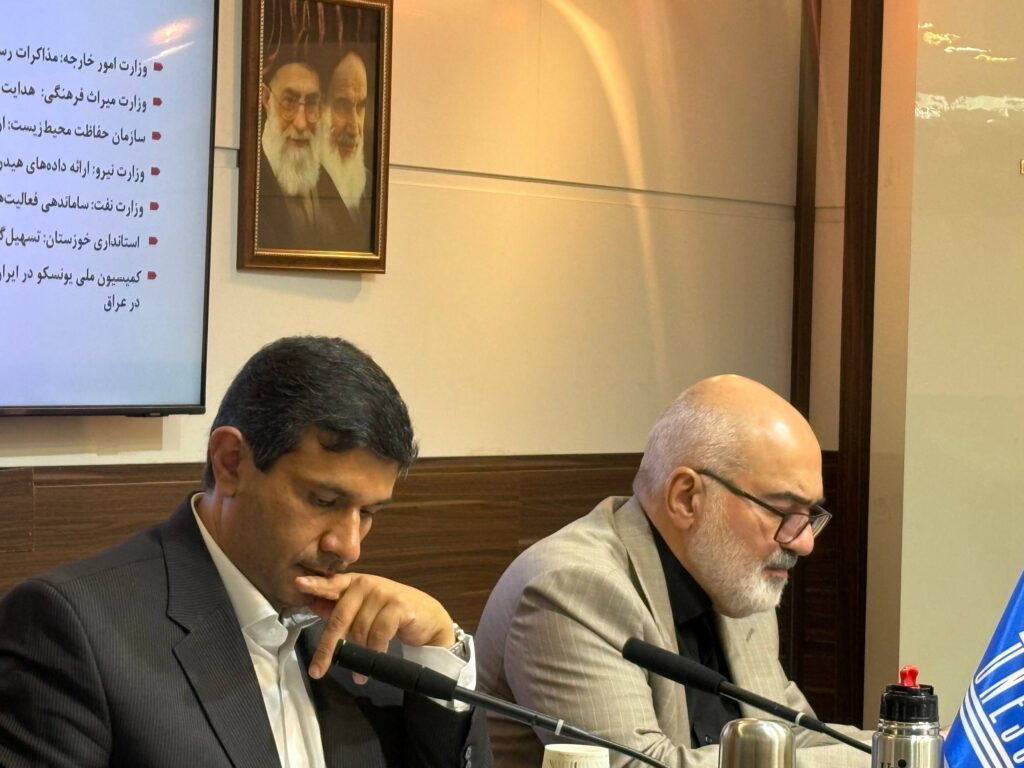
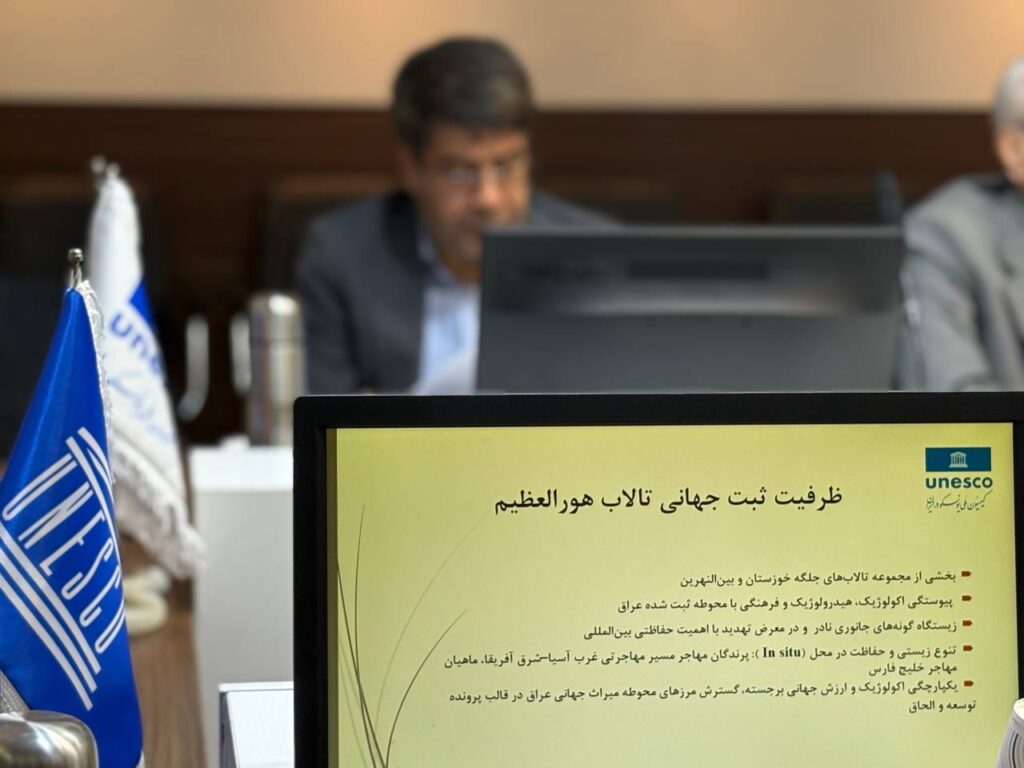
The meeting aimed to examine the technical and legal aspects of the wetland’s World Heritage registration, the benefits and obligations arising from it, and the potential for and modalities of cooperation with Iraq. At the beginning of the meeting, Iran’s National Commission for UNESCO also presented a specialized report on the Hoor al-Azim Wetland and aspects related to its World Heritage registration.
Participants also emphasized the need for coordination among specialized institutions and for simultaneous consideration of technical, legal, environmental, and diplomatic aspects. In this regard, opportunities for cooperation with Iraq and the use of international mechanisms to advance the matter and strengthen the transboundary management of the wetland were discussed and examined.
Dr. Alireza Izadi, Director-General for the Registration and Protection of Monuments and the Preservation and Restoration of Intangible and Natural Heritage at the Ministry of Cultural Heritage, Tourism and Handicrafts, highlighted the potential for the joint registration of the Hoor al-Azim Wetland with Iraq. Dr. Jabbar Vatanfada, former Director-General of the Office for Border Rivers and Shared Water Resources at the Ministry of Energy, underscored the importance of developing negotiation strategies with Iraq. Dr. Sadati-Nejad, Director-General for International Specialized Organizations at the Ministry of Foreign Affairs, emphasized the need to address environmental concerns, ensure due attention to environmental protection, and establish a negotiation task force to engage with Iraq on obligations and requirements, follow up on outstanding demands, and strengthen diplomacy in this area.
Governor of Khuzestan Province Outlines the Current Situation of the Hoor al-Azim Wetland
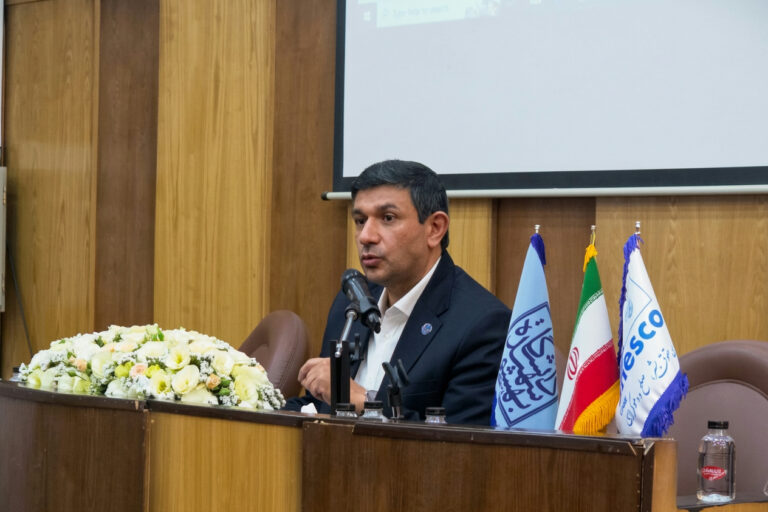
Dr. Seyed Mohammad Reza Movahedizadeh, Governor of Khuzestan Province, outlined the province’s water resources, water flows affecting the Hoor al-Azim Wetland, and the livelihood conditions of communities surrounding the wetland. He also addressed the consequences of drought and reed-bed fires and provided an account of negotiations held with Iraqi officials and measures taken to protect the wetland.
Movahedizadeh also proposed establishing a specialized working group to examine the various aspects of the Hoor al-Azim Wetland’s World Heritage registration. He also highlighted the importance of forming a negotiation task force to pursue dialogue with Iraq, examine the relevant commitments and requirements, follow up on Iran’s demands, and strengthen diplomacy on this matter.
Secretary-General of Iran’s National Commission for UNESCO Highlights Potential for Iran–Iraq Cooperation
Dr. Hassan Fartousi, Secretary-General of Iran’s National Commission for UNESCO, referring to the positive relations between Iran and Iraq, noted that incorporating the Iranian section of the Hoor al-Azim Wetland into the “Ahwar of Southern Iraq” Cultural Landscape, inscribed on UNESCO’s World Heritage List in 2016, offers significant potential for expanding cooperation between the two countries.
Emphasizing the need for a comprehensive approach to the Hoor al-Azim Wetland, he highlighted the interconnected nature of wetland conservation, water resource management, local community livelihoods, and the requirements of transboundary cooperation. He also stressed the importance of leveraging UNESCO’s capacities to facilitate the exchange of knowledge and management and technical expertise, and to strengthen mechanisms for wetland conservation.
Fartousi also emphasized the importance of taking environmental considerations into account, establishing monitoring mechanisms, and using low-risk technologies. He stressed that coordinated cooperation among domestic institutions and constructive engagement with Iraq are essential to pursuing the matter.
In conclusion, following a consensus among the relevant organizations, it was agreed that a specialized working group would be tasked with comprehensively examining the technical and legal aspects of the Hoor al-Azim Wetland’s World Heritage registration. A separate negotiation task force would also follow up on matters related to cooperation and consultations with Iraq, as well as the possibility of incorporating the Iranian section of the Hoor al-Azim Wetland into the “Ahwar of Southern Iraq” World Heritage property.
In closing, the Secretary-General of Iran’s National Commission for UNESCO stressed the need to prepare a comprehensive report on the wetland’s environmental status and natural landscape characteristics, to inform the process of examining and developing future pathways for the registration and conservation of the Hoor al-Azim Wetland.