

Message from the Director-General of UNESCO on the International Day of Women and Girls in Science: Science Must Be Inclusive and Based on the Equal Participation of Women and Men
In a message marking 11 February 2026, the International Day of Women and Girls in Science, the Director-General of the United Nations Educational, Scientific and Cultural Organization (UNESCO) emphasized that science can address the complex challenges of today’s world only when it is universal, inclusive, and based on the equal participation of women and men. According to the Director-General, excluding half of humanity from science makes it poorer and incomplete. |
The message states:
“Science is one of humanity’s most universal languages. It helps us understand the world, heal, innovate, and live together. Yet this language is still not fully shared by everyone.
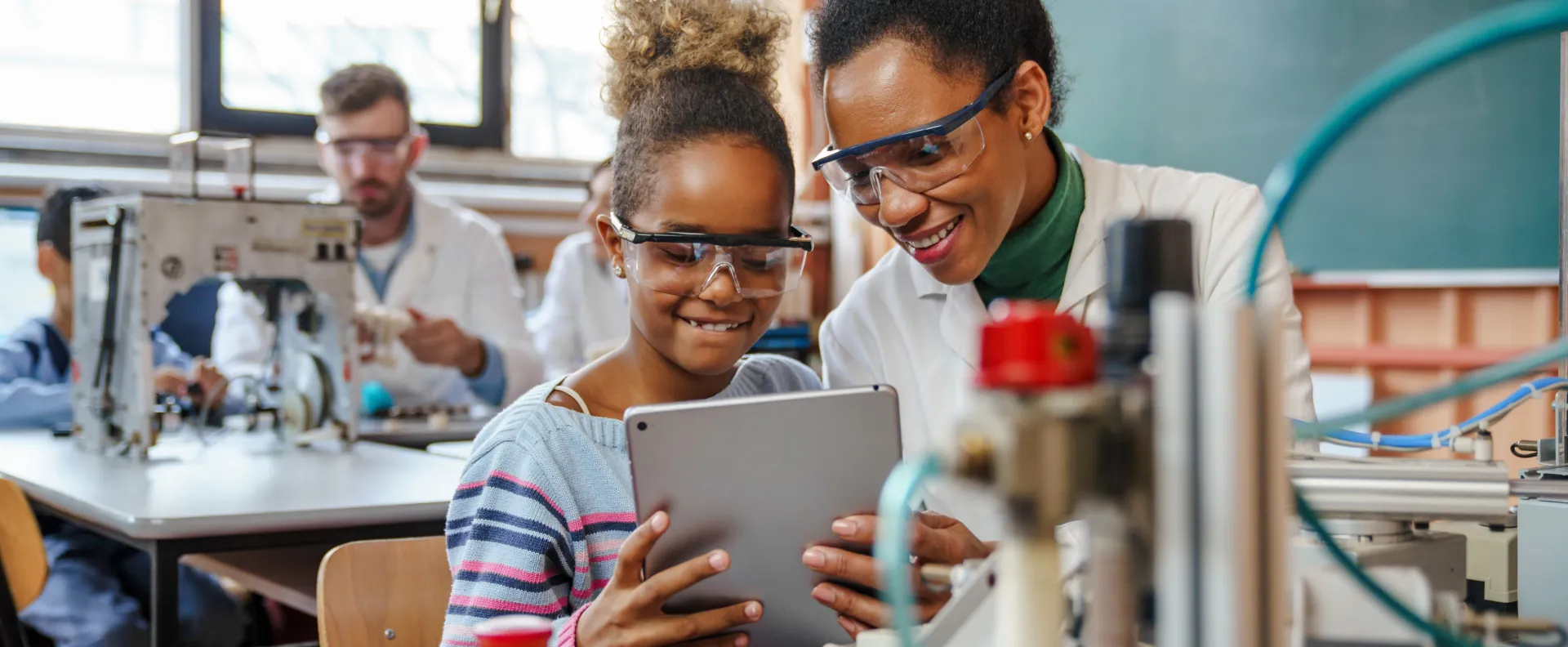
To this day, many women and girls continue to face barriers that limit their access to scientific careers. These inequalities are not the result of a lack of talent, but of a lack of equity. Science that excludes half of humanity will be impoverished and incomplete.
At UNESCO, we firmly believe that gender equality in science can be achieved through education, the visibility of inspiring role models, and the creation of environments in which everyone can learn, conduct research, and innovate freely.
To this end, our Organization supports initiatives around the world that advance the status of women scientists. The L’Oréal–UNESCO For Women in Science program plays an important role in this regard by highlighting women’s scientific excellence and supporting their research careers. Similarly, the UNESCO–Equatorial Guinea Fellowship Program for Young Women Scientists in Africa provides tangible opportunities for research and for taking on scientific and leadership roles.
Building on these efforts, this year we are launching the ‘Gender-Inclusive Scientific Institutions and Systems’ project, which aims to strengthen women’s position in research and higher education and promote more inclusive practices. This initiative is being undertaken within the framework of UNESCO’s Call to Action to Close the Gender Gap in Science and the International Decade of Sciences for Sustainable Development. It is founded on a simple belief: science that is inclusive will be more beneficial and effective for humanity.
On this International Day of Women and Girls in Science, UNESCO reiterates that scientific progress can address the challenges of our time only when it is shared, inclusive, and based on everyone’s participation.”