Safeguarding the Art of Iranian Stucco Ornamentation: The Mission of Master Motififard
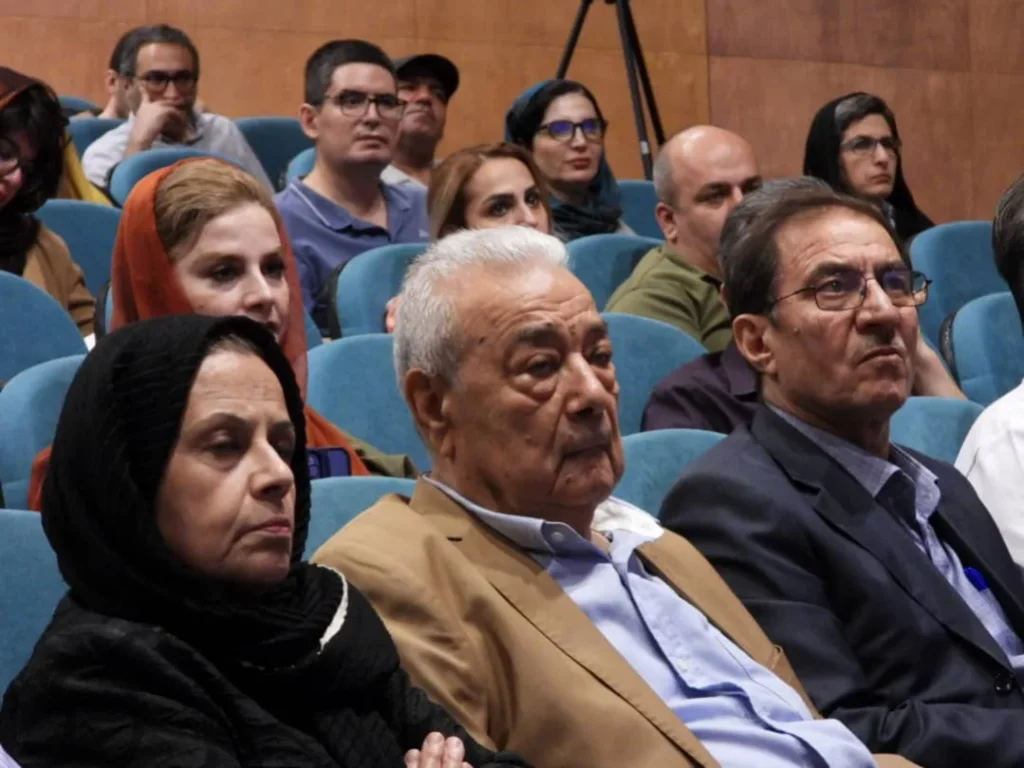
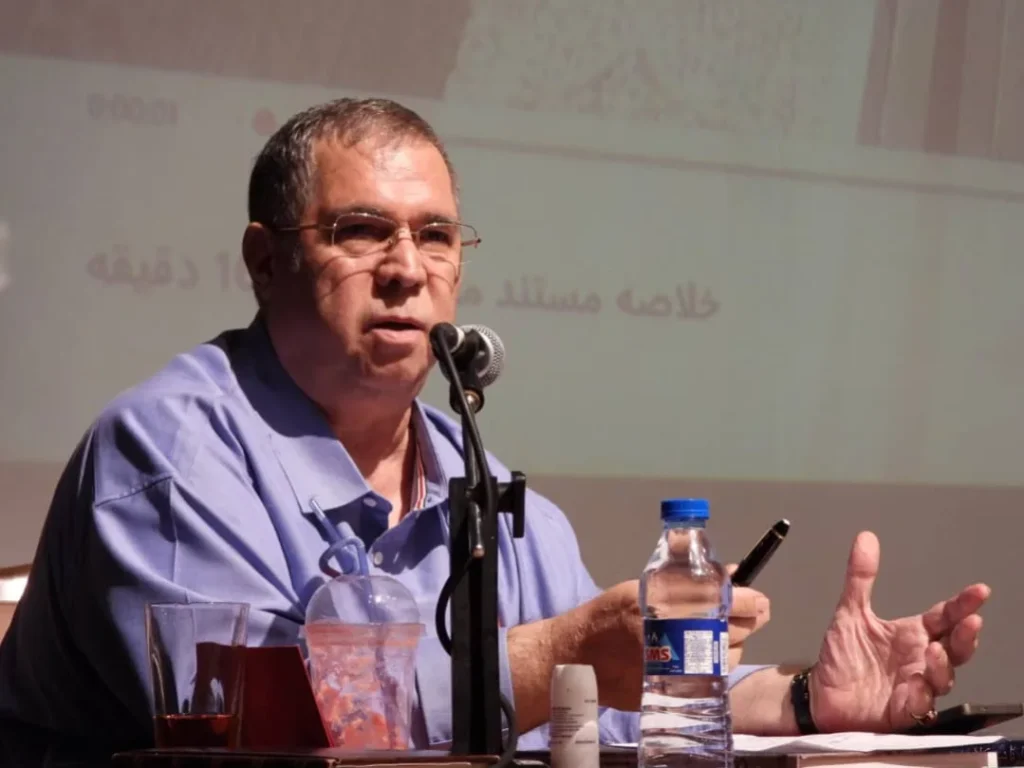
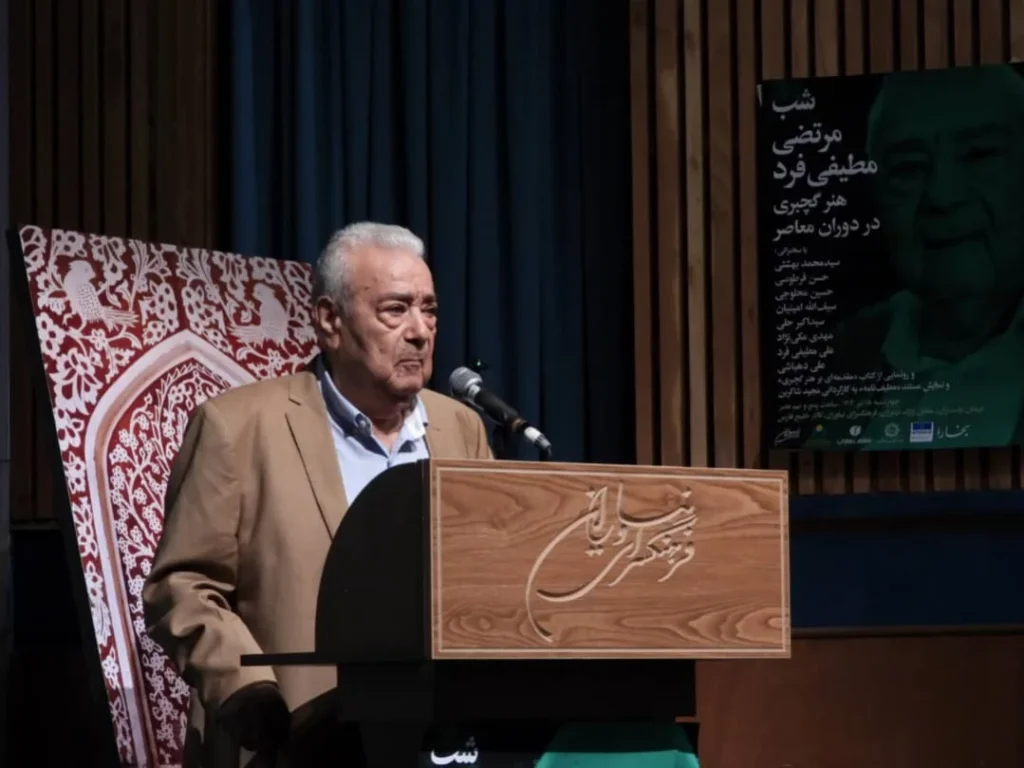
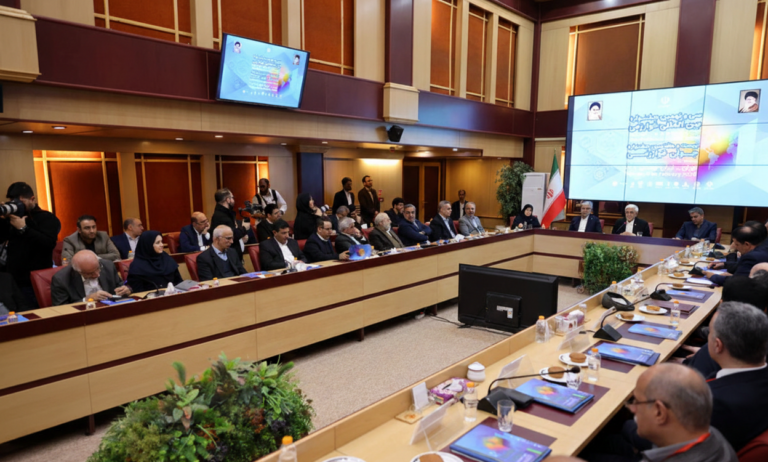
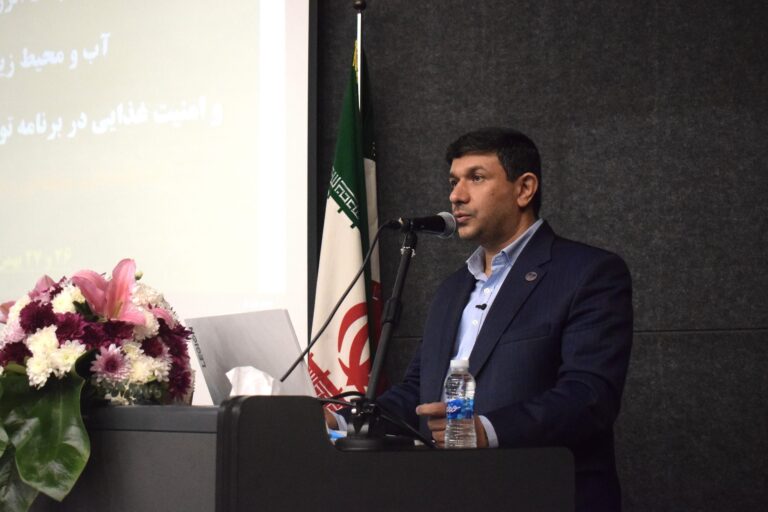
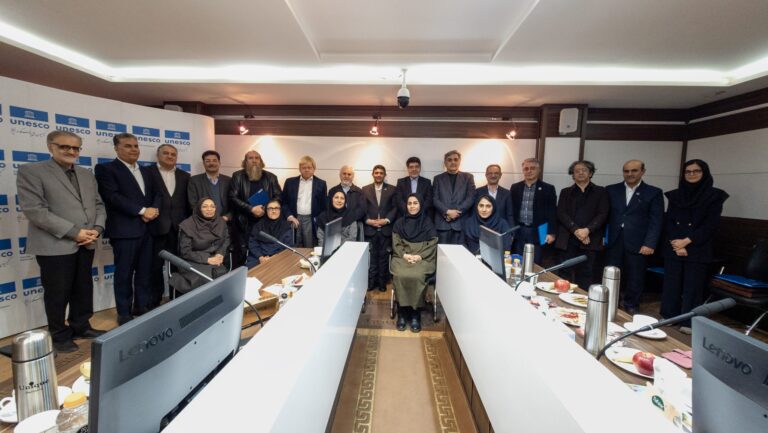
| At the ceremony honoring Master Morteza Motififard – the 864th evening in the series of events hosted by Bokhara Magazine – Dr. Hassan Fartousi, Secretary-General of the Iranian National Commission for UNESCO, emphasized the importance of safeguarding Iran’s traditional arts and Master Motififard’s role in this field. The ceremony was held on Wednesday, 9 July 2025, at the Persian Gulf Hall of Niavaran Cultural Center, with the attendance of many admirers and distinguished masters of Iran’s traditional arts. |
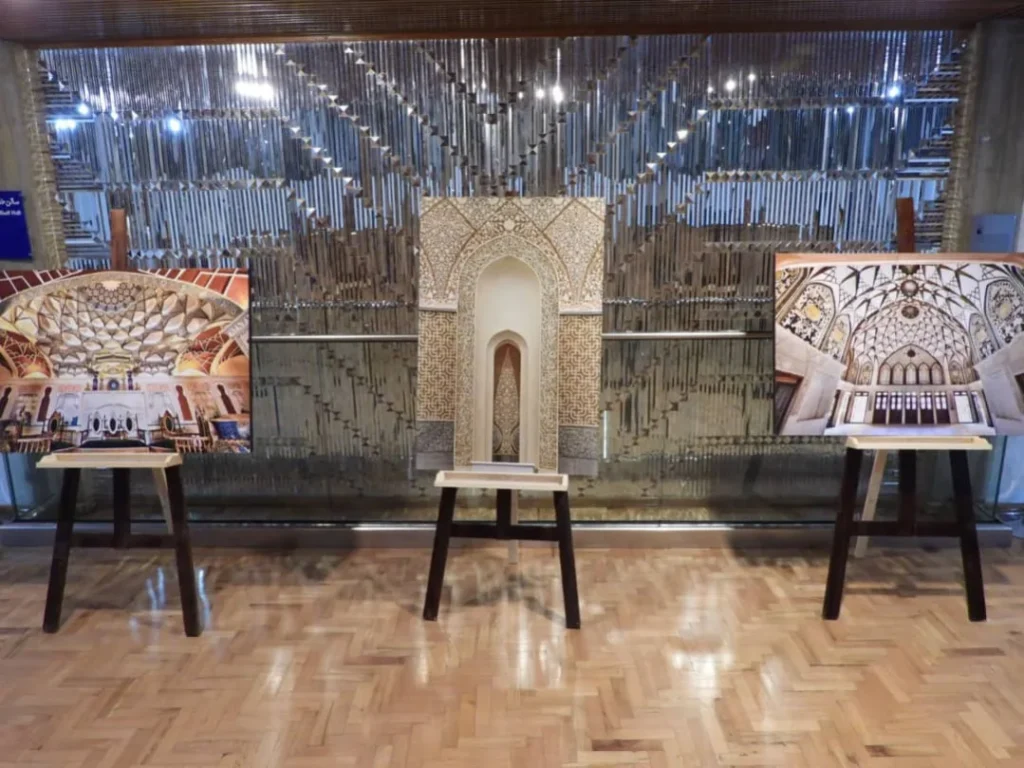
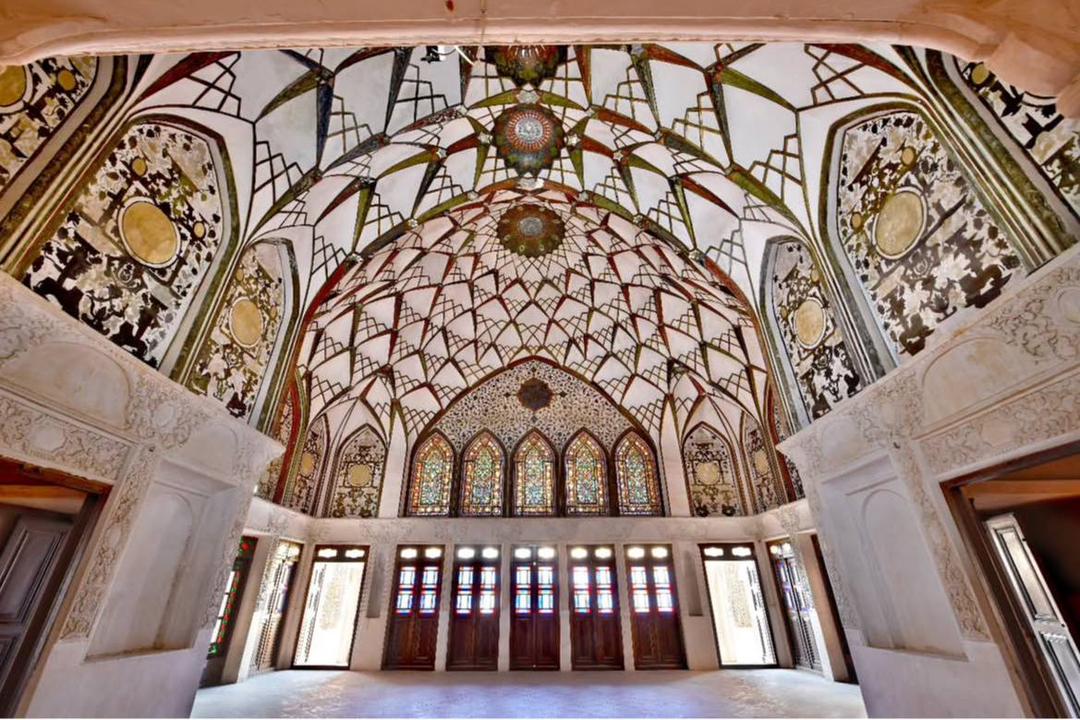
At the beginning of the ceremony, Dr. Hassan Fartousi, Secretary-General of the Iranian National Commission for UNESCO, highlighted the special place of stucco ornamentation in the history of Iranian art, stating: “If we were to imagine the diversity of Iran’s cultural heritage as a richly patterned garden filled with fragrant flowers, the art and tradition of stucco ornamentation would undoubtedly be one of the garden’s most captivating and life-enriching blossoms.”
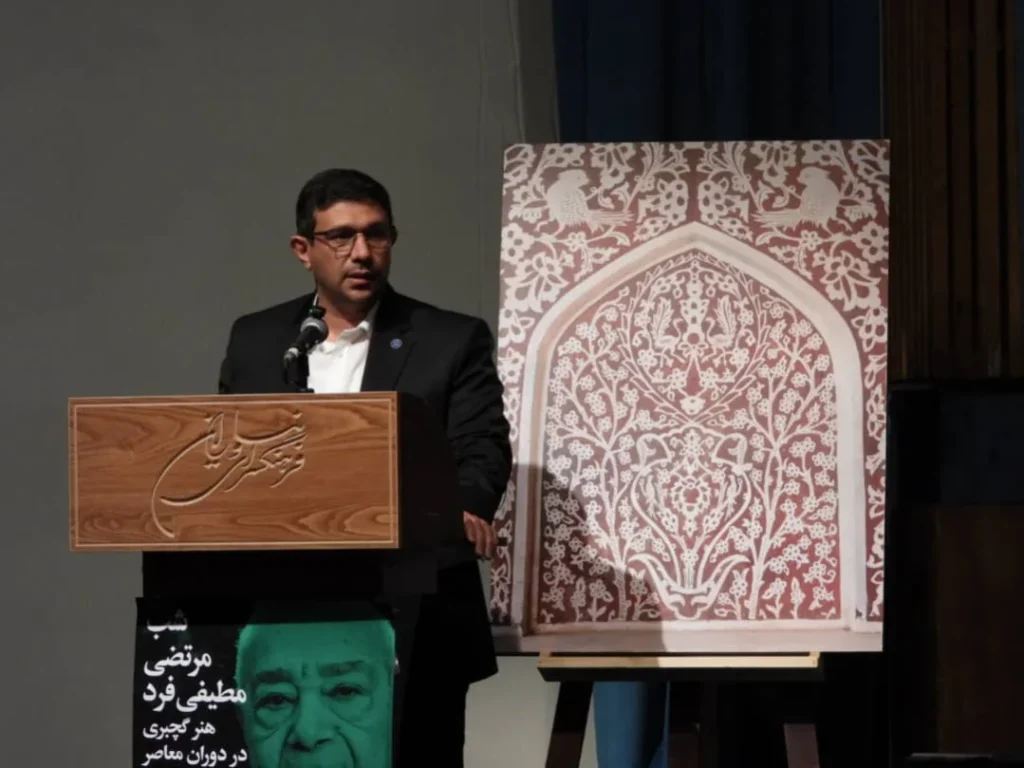
He noted that stucco ornamentation is not merely a decorative technique, but an expression of the depth of Iran’s culture and mystical meaning. He added: “It is an art because the imaginative images created by the master stucco artist flow from the pages of his heart onto the expanse of plaster, adorning its delicate surface. It is a tradition because, before laying his hands on the whiteness of plaster, the master has polished the tarnish from his soul and illuminated his thoughts.”
From the Restoration of Historic Monuments to the Preservation and Transmission of Knowledge
Dr. Fartousi went on to highlight Master Morteza Motififard’s achievements in restoring and reconstructing Iran’s historic monuments, stating: “The restoration and reconstruction of the Oljeitu Mihrab at Tabriz Jameh Mosque; the captivating muqarnas of the Arshadi House in Ardabil; the Aminabad Caravanserai in Shahreza; the Fahadan House in Yazd; the decorative ceiling patterns of Ilkhanid-era monuments in Kermanshah; the stucco ornamentation of Jameh Mosques in Tehran and Isfahan; the House of the Tabrizi Mojtahed; and dozens of enduring works throughout this land represent only a part of the invaluable contributions made by this devoted lover of Iranian art and culture.”
He also emphasized the importance of education and the transmission of knowledge in traditional arts, adding: “What is of great importance to UNESCO is the question of sustainable education. UNESCO believes that humanity must preserve the memory of its civilization. The accelerating pace of forgetting, driven by the steep trajectory of technological advancement, creates conditions for the erosion of subcultures and the diversity of cultural expressions, ultimately leading to their absorption by the dominant force of monopolistic technology.”
Recognizing Master Motififard’s Achievements in Education
Dr. Fartousi then referred to Master Motififard’s efforts to educate and train new generations of artists, stating:
“In this regard, Master Motififard’s achievement in bringing more than 250 apprentices to the level of mastery in stucco craftsmanship embodies the very concept of the sustainable development and promotion of indigenous and national knowledge. It means safeguarding an art that, alongside the other civilizational treasures of this land, has further strengthened the threads of the identity and enduring essence of Iran. It also means preventing the decline of intellect and the cultural and civilizational amnesia that threaten our admirable Iranian art.”
At the conclusion of his speech, Dr. Fartousi expressed his appreciation and gratitude to Master Morteza Motififard, stating: “The Iranian National Commission for UNESCO and I extend our heartfelt appreciation to Master Morteza Motififard, and we continually pray to the Almighty for his health, honor, and continued blessed life.”
The Secretary-General of the Iranian National Commission for UNESCO also expressed his gratitude to Engineer Malouji, who has left the revitalization of Kashan’s historic urban fabric as his legacy. He likewise paid tribute to Mr. Ali Dehbashi, who has devoted his life to the advancement of Iranian culture.