Secretary-General of Iran’s National Commission for UNESCO: Documenting War Crimes Is an Essential Step Towards Justice and Sustainable Peace
The Secretary-General of Iran’s National Commission for UNESCO emphasized the need for the systematic documentation of war crimes and human rights violations, stating that achieving lasting peace depends on justice, human dignity, dialogue and social solidarity. He added that education, science and culture are the most effective tools for preventing war and ensuring that human tragedies are not repeated. |
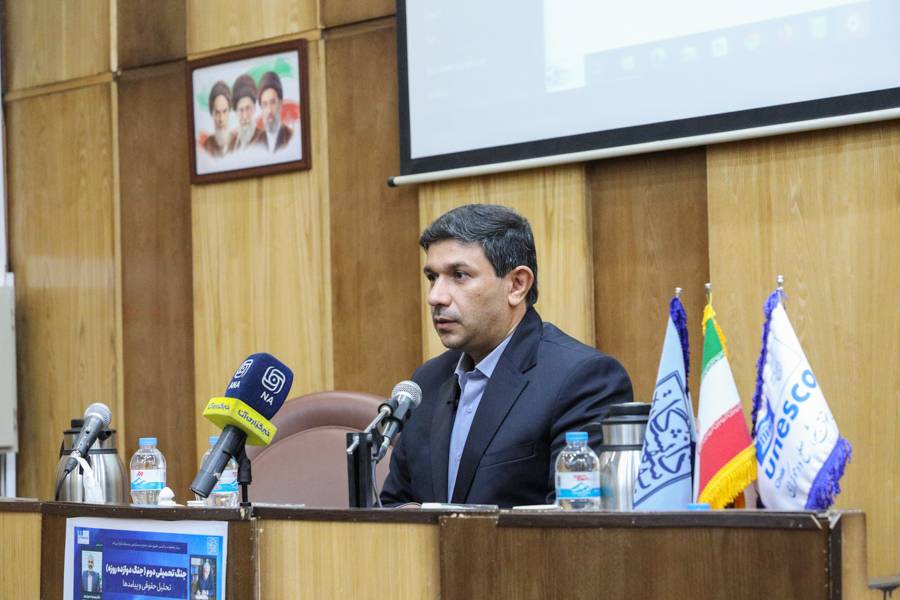
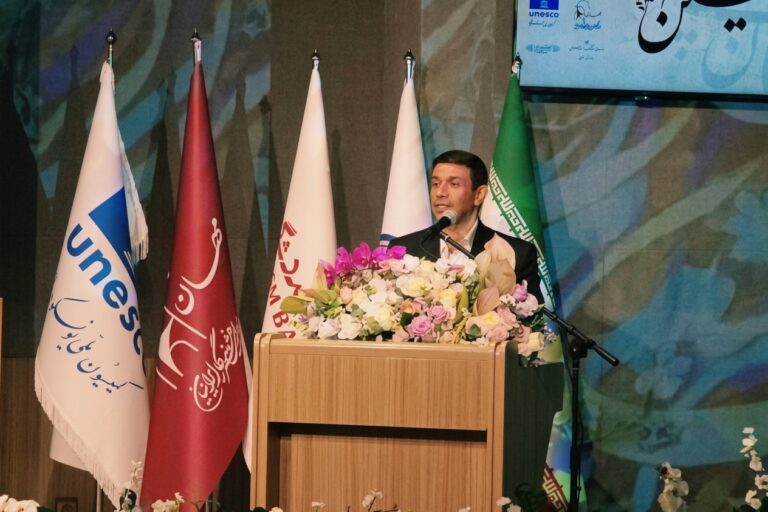
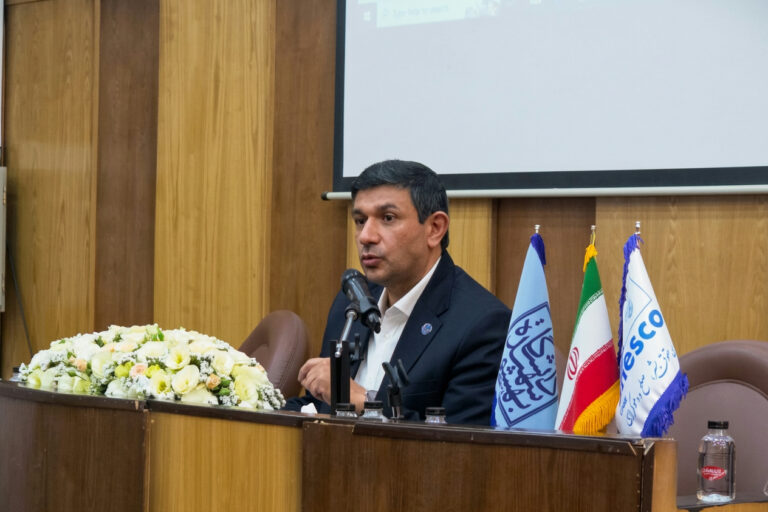
Dr. Hassan Fartousi, Secretary-General of Iran’s National Commission for UNESCO, emphasized the need for the systematic documentation of war crimes and human rights violations, stating that lasting peace means more than the absence of war; it requires justice, the promotion of human dignity, dialogue and social solidarity. From UNESCO’s perspective, human rights education, education for sustainable development and the promotion of a culture of dialogue are among the most important pathways to achieving lasting peace grounded in the dignity of nations and human beings.
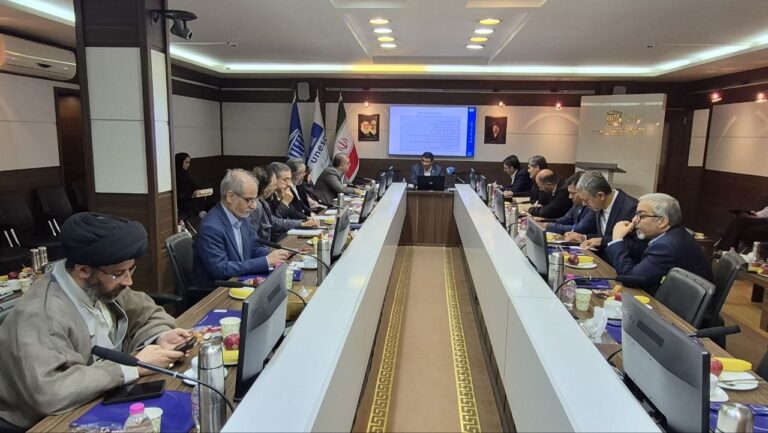
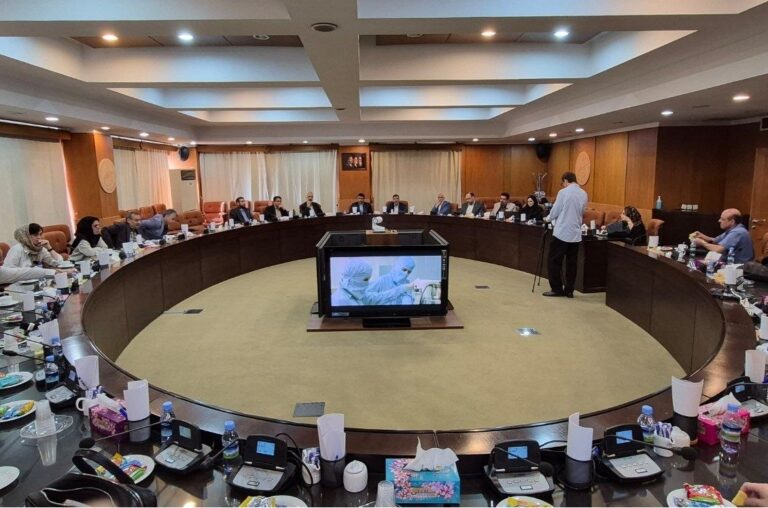
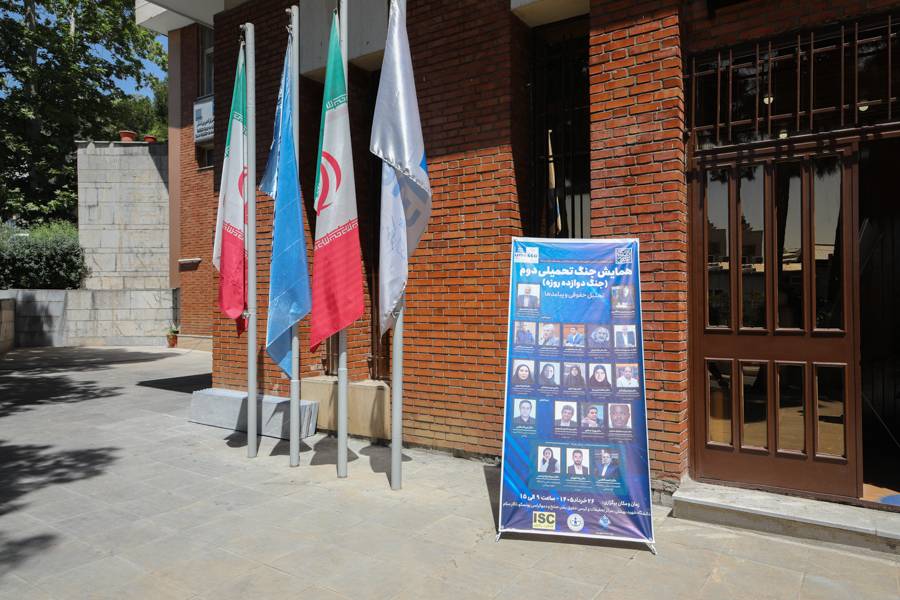
The specialized meeting entitled “The Second Imposed War (the Twelve-Day War): Legal Analysis and Consequences” was held on Tuesday, 16 June 2026, at Salam Hall, Shahid Beheshti University. Organized by the UNESCO Chair and Research Center for Human Rights, Peace and Democracy, the meeting brought together a number of professors, researchers and students.
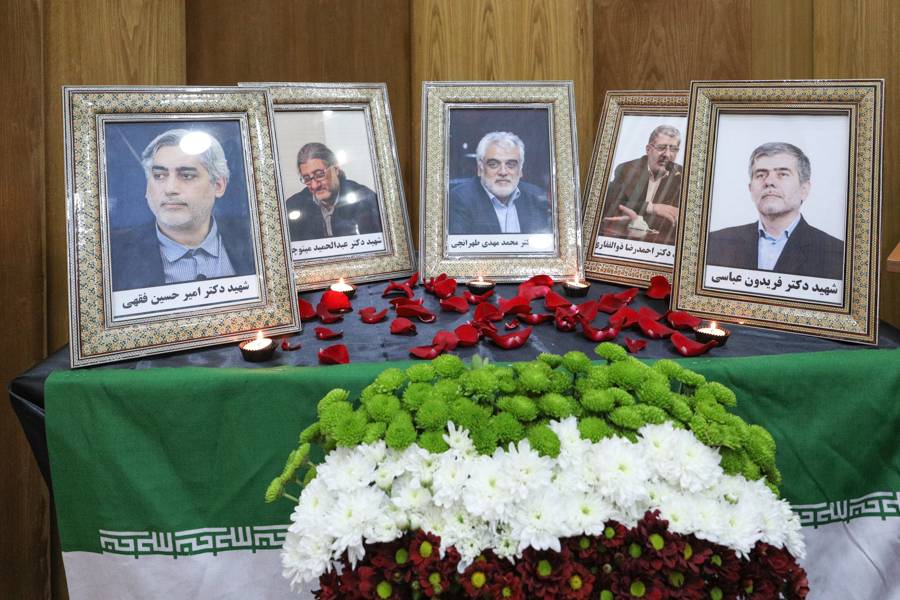
At the meeting, the Secretary-General of Iran’s National Commission for UNESCO paid tribute to the country’s martyrs, particularly its martyred scientists, describing them as symbols of resilience, commitment and Iran’s scientific progress. He emphasized the fundamental role of science, education and culture in achieving lasting peace.
Referring to the establishment of the United Nations Educational, Scientific and Cultural Organization (UNESCO) following the World Wars, he stated that human experience has demonstrated that education, science and culture are among the most effective tools for preventing war and achieving lasting peace. After examining the root causes of war, the international community concluded that strengthening educational and cultural systems could help reduce conflict, foster societal development and promote understanding among nations.
Sustainable Development Is Impossible Without Investment in Science and Culture
Emphasizing the connection between the flourishing of civilizations and the advancement of science, education and culture, Fartousi stressed that sustainable development can be achieved only through effective investment in these areas.
He also addressed the impact of sanctions on scientific and research activities, identifying restrictions on scientists’ access to scientific and research resources as one of the obstacles that can hinder countries’ scientific development.
War: A Threat to Human Rights, Education and the Development of Democracy
In another part of his remarks, the Secretary-General of Iran’s National Commission for UNESCO discussed the consequences of war for human rights, education and the development of democracy. He noted that, in addition to threatening human lives and security, war endangers the right to education and disrupts educational processes, research and scientific activities.
He identified the spread of hate speech, the weakening of dialogue among nations, damage to civil liberties and increased pressure on vulnerable groups as other consequences of war. He added that wars inflict irreparable damage on the cultural heritage and civilizational assets of nations.
Documenting War Crimes to Prevent the Recurrence of Atrocities
Fartousi emphasized the need for the systematic documentation of war crimes and human rights violations, stating that this matter is being pursued in cooperation with various institutions, including Iran’s National Commission for UNESCO, the Ministry of Foreign Affairs, the Ministry of Science, Research and Technology, the Ministry of Education, and the Ministry of Cultural Heritage, Tourism and Handicrafts, with the aim of preventing such events from recurring in the future.
He stressed that accurate, evidence-based documentation not only preserves the historical memory of nations but can also pave the way for legal accountability, the achievement of justice and the prevention of further human rights violations.
Referring to the distinction between “negative peace” and “positive peace,” the Secretary-General of Iran’s National Commission for UNESCO stated that lasting peace means more than the absence of war; it requires justice, the promotion of human dignity, dialogue and social solidarity.
He added that, from UNESCO’s perspective, human rights education, education for sustainable development and the promotion of a culture of dialogue are among the most important pathways to achieving lasting peace grounded in the dignity of nations and human beings.
Fartousi concluded by expressing hope that, through the entrenchment of a culture of peace at the global level, the foundations would be laid for greater adherence by states to international law, human rights and international humanitarian law.
Legal Dimensions of the Twelve-Day War Examined at Shahid Beheshti University
In another part of the meeting, Dr. Mehdi Sabouri-Pour, Head of the UNESCO Chair and Research Center for Human Rights, Peace and Democracy, referred to the Israeli regime’s military aggression in June 2025, describing the event as a turning point in Iran’s contemporary political history and emphasizing the need for a scientific and legal examination of its various dimensions.
He identified the examination of claims of “pre-emptive self-defense” under international law, the international humanitarian law approach to the “targeted assassination of scientists,” attacks on critical infrastructure, and the social and psychological consequences of war as the meeting’s main themes. He also described the martyrdom of university professors as an example of “scientific terrorism” targeting a nation’s development potential.
International Criminal Justice and Accountability for War Crimes
Dr. Hossein Mir Mohammad Sadeghi, a professor at the Faculty of Law of Shahid Beheshti University, also addressed the development of international criminal justice and the legal mechanisms for combating international crimes.
Explaining the jurisdiction of the International Criminal Court, he examined the four core crimes: genocide, crimes against humanity, war crimes and the crime of aggression. He also outlined various examples of aggression, attacks on civilians, the bombing of residential areas, the targeting of medical and educational facilities, and the widespread destruction of civilian property.
Mir Mohammad Sadeghi further emphasized the fundamental principles of international humanitarian law, including distinction, proportionality, military necessity and precautions in attack. He identified the development of existing legal mechanisms and the application of the principle of universal jurisdiction as important means of combating impunity for perpetrators of international crimes.
The seminar continued with four specialized sessions focusing on “Pre-emptive Self-Defense in International Practice,” “Humanitarian Law and the Assassination of Scientists,” “Attacks on Critical Infrastructure,” and “The Extra-Legal Consequences of War.” Professors and researchers examined the legal, humanitarian, social and psychological dimensions of the Twelve-Day War and its consequences.