

Secretary-General of the Iranian National Commission for UNESCO at the Ceremony Commemorating Sanandaj Week: Sanandaj Is a Symbol of Iran’s Culture, Music and Spiritual Coexistence
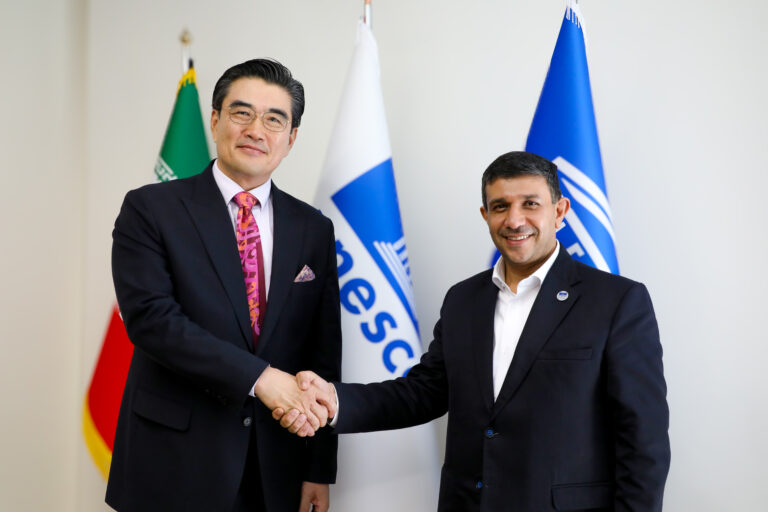
Dr. Hasan Fartousi, Secretary-General of the Iranian National Commission for UNESCO, on 26 April 2025, at the opening ceremony of the Sanandaj Week programs in Sanandaj, emphasized the cultural and spiritual grandeur of Kurdistan, describing Sanandaj as a Creative City of Music and a symbol of respect for nature, religion and spiritual joy. |
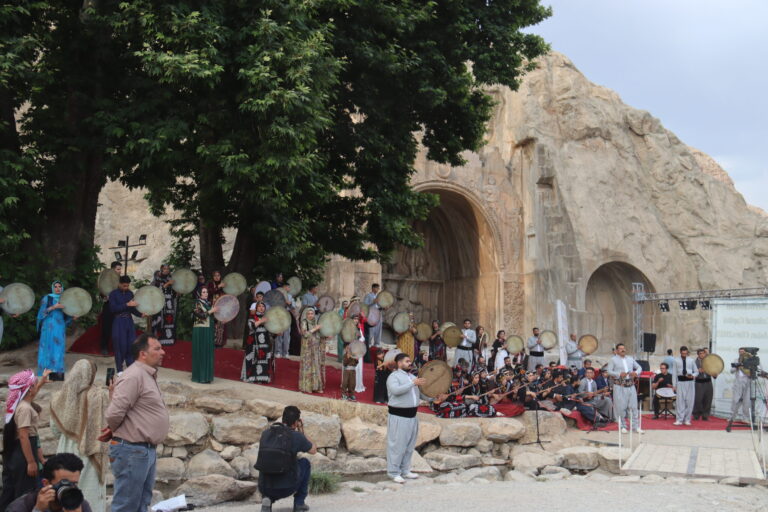
The special programs marking Sanandaj Week (Seneh Week) were held in a vibrant and cordial atmosphere, with the participation of local officials, artists and culture-loving people of Sanandaj. Dr. Hasan Fartousi, Secretary-General of the Iranian National Commission for UNESCO, attended the ceremony and described the culture, music and ancient history of the people of Kurdistan as valuable assets of Iran and the world.
Fartousi: Kurdistan, a Land of Spiritual Coexistence and Ancestral Endeavour
At the ceremony, Fartousi stated: “The grandeur of Kurdistan is not limited to music or language. The people of this region have brought joy and spirituality into their lives by cherishing nature, religion and culture. He added: The people of Kurdistan are heirs to ancestors whose determination and achievements have been witnessed by the peaks of towering mountains. They transformed difficult and inaccessible routes into passable roads and brought their culture and history to the national and global levels.”
Sanandaj: The Jewel of Iranian Music in the UNESCO Creative Cities Network
The Secretary-General of the Iranian National Commission for UNESCO also described Sanandaj’s designation as a Creative City of Music in the UNESCO Creative Cities Network as a source of pride, emphasizing: “Sanandaj’s status as a Creative City provides an opportunity for synergy with other Creative Cities around the world, with a focus on the cultural economy and tourism. The city’s authorities should undertake valuable planning to achieve its development objectives.”
Unveiling of the Andlibi Street Sign: Honouring Kurdistan’s Musical Heritage
During the ceremony, in the presence of Dr. Fartousi and a number of officials and artists, the sign for Andlibi Street was unveiled. The naming was carried out in honour of the Andlibi artistic family, a family that, through its outstanding contributions to the field of authentic Iranian mystical music, has played a prominent role in introducing the musical culture of the region to the world. Master Mohammad-Jalil Andlibi, founder of the Molana music group and pioneer of introducing the mystical daf instrument into Iranian orchestras in 1977, is one of the prominent members of this family.
A Daf Instrument was presented to the Secretary-General of the Iranian National Commission for UNESCO
As a gesture of appreciation for Dr. Fartousi’s support for indigenous culture and the arts, a daf was presented to him during the ceremony. The instrument is regarded as a symbol of the spiritual and mystical music of the Kurdistan region.
UNESCO Secretary-General Expresses Sympathy over the Shahid Rajaee Port Incident
In another part of his remarks, Fartousi expressed his sorrow over the tragic incident at Shahid Rajaee Port, describing it as a symbol of the national solidarity of Iranians and stating: “The unity of the Iranian people is an inexhaustible asset that reveals itself in all difficult circumstances.”
Unveiling of the Bust of Master Seyyed Ali-Asghar Kurdistani
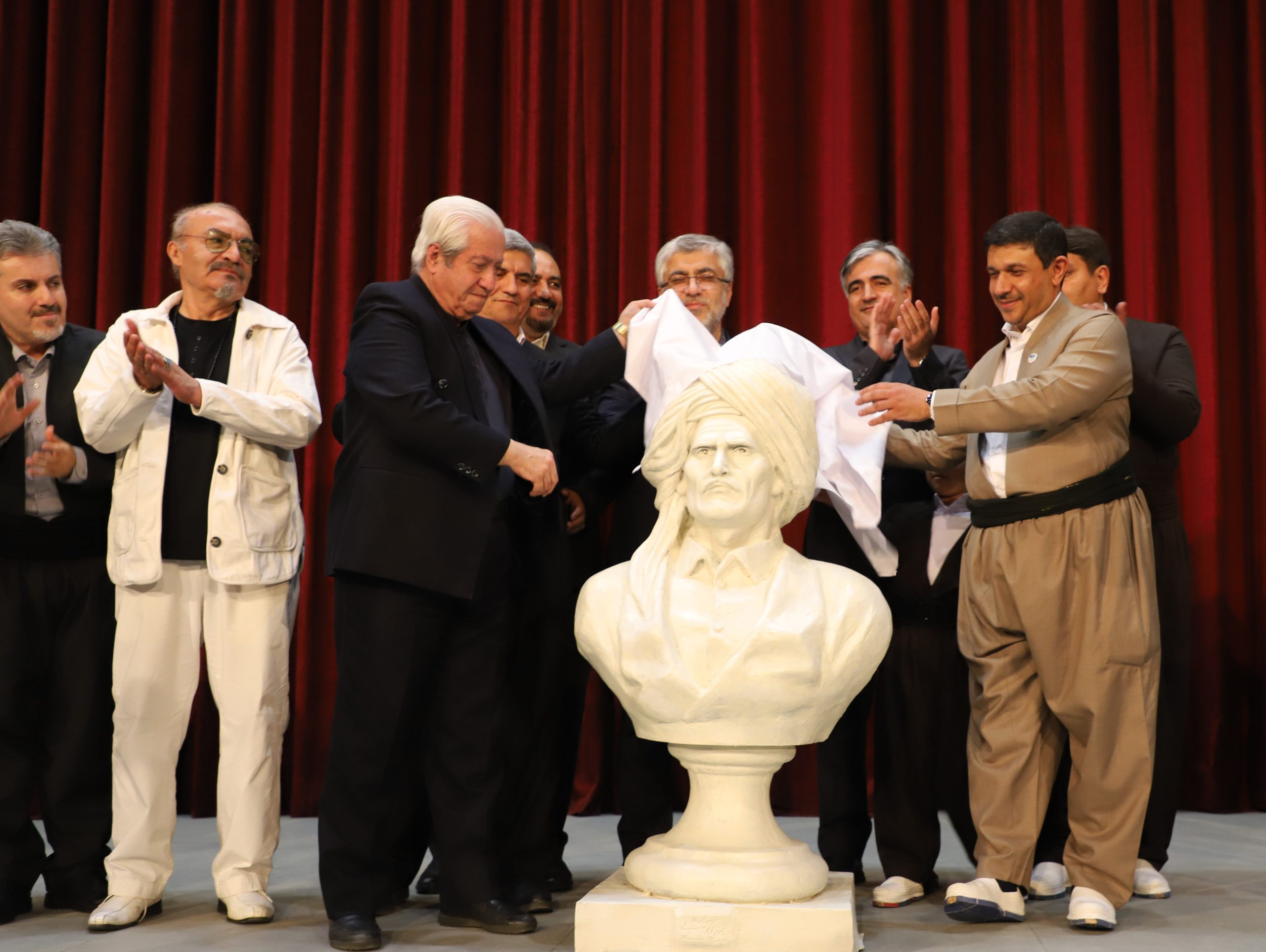
Coinciding with the opening ceremony of the special programs marking Sanandaj Week, the bust of the renowned master of Kurdish music, Seyyed Ali-Asghar Kurdistani, was unveiled in the presence of the Secretary-General of the Iranian National Commission for UNESCO and a number of provincial and municipal officials.
Seyyed Ali-Asghar Kurdistani (Baba Shahabi), born in 1871 in Salavatabad village of Sanandaj and deceased there in 1936, was one of the prominent Kurdish vocalists and masters of singing during the Qajar and early Pahlavi periods. His vocal performances are distinguished by his exceptionally wide vocal range and rapid, intricate vocal ornaments in the upper register, which gave his works a distinctive character.
This great master left a number of enduring pieces in the musical memory of the people. The family name “Kurdistani” was added to his name because of his Sanandaji origin and has remained a lasting part of the history of music in Iran and Kurdistan.
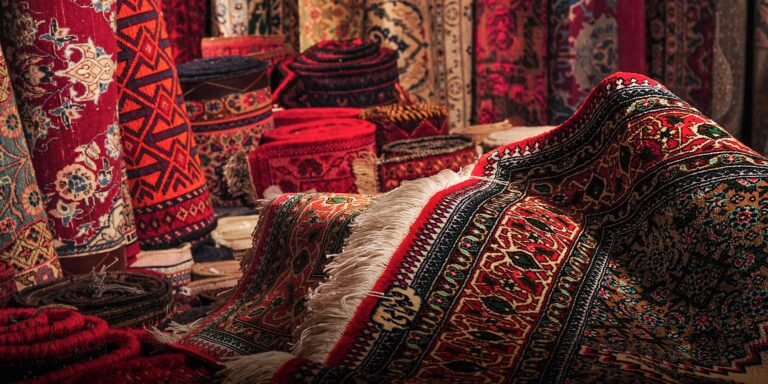
Kurdistan Handicrafts Exhibition Held at Khosrowabad Mansion
Also on the occasion of Sanandaj Week, an exhibition of Kurdistan handicrafts was inaugurated at the historic Khosrowabad Mansion in Sanandaj, in the presence of the Secretary-General of the Iranian National Commission for UNESCO, the Mayor and members of the City Council.
This cultural event provided a valuable opportunity to discover the exceptional artistry of Kurdistan’s craftspeople and to honour the region’s rich heritage.
On the sidelines of the event, the Secretary-General of the Iranian National Commission for UNESCO also visited the Kurd House of Sanandaj.
The handicrafts exhibition showcased the authenticity and culture of the people of Kurdistan and represented an effective step towards promoting handicrafts and attracting tourists to Sanandaj.
Sanandaj Day, or Seneh Day, is observed annually on 26 April, marking the anniversary of the beginning of the construction of Sanandaj by Soleyman Khan Ardalan, the Governor of Kurdistan, in 1637. In 2018, the General Council of Culture of Kurdistan Province officially recognized the day as “Seneh Day,” and the ceremony has been held annually ever since.