Secretary-General of the Iranian National Commission for UNESCO Emphasizes the Need for a Systematic Approach to Ethics in AI Development
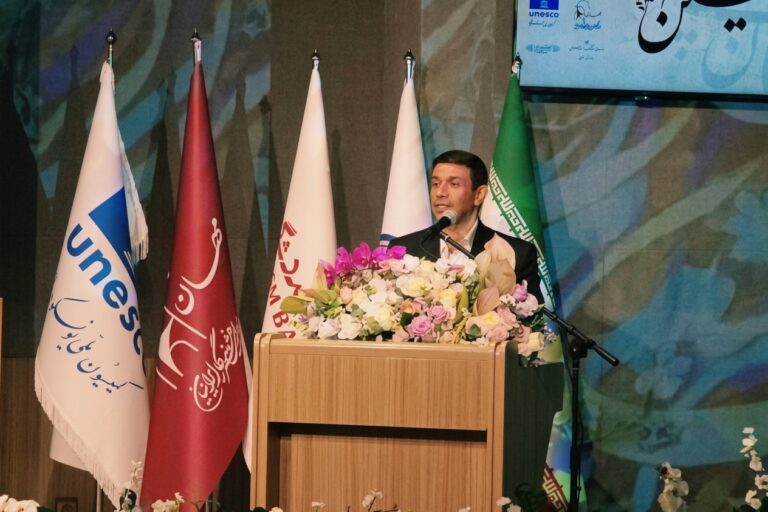
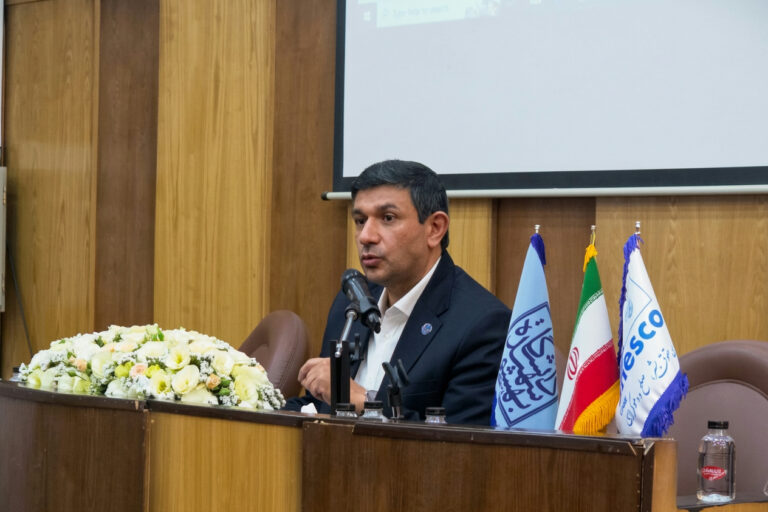
Dr. Hassan Fartousi, Secretary-General of the Iranian National Commission for UNESCO, emphasized the growing role of artificial intelligence in decision-making and governance, as well as the need to adapt global ethical principles to local contexts, during a meeting on the “Ethical Implications of Artificial Intelligence.” |
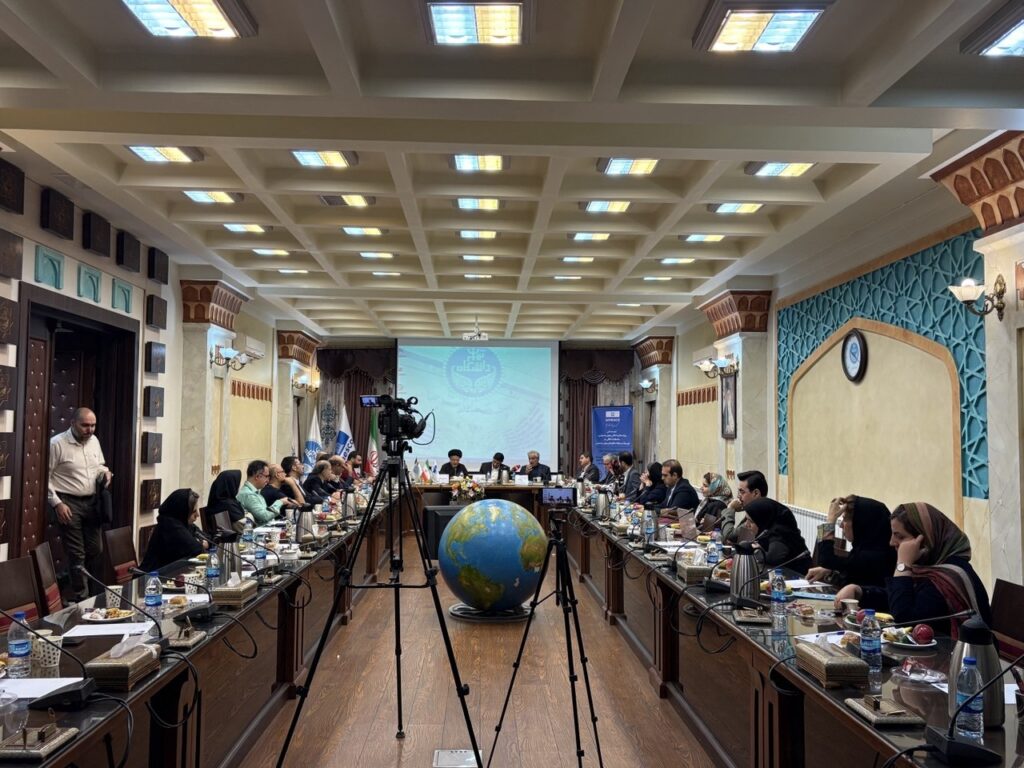
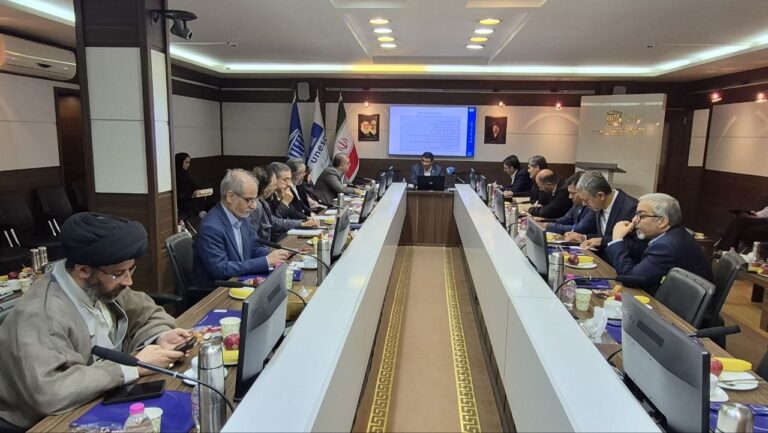
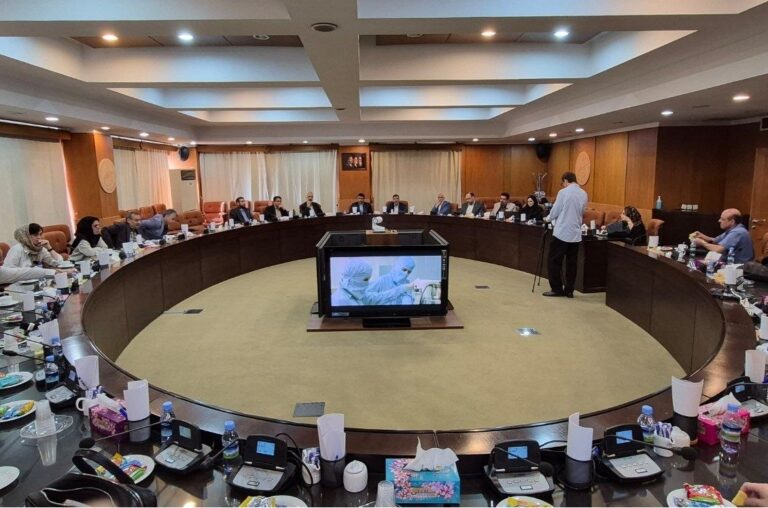
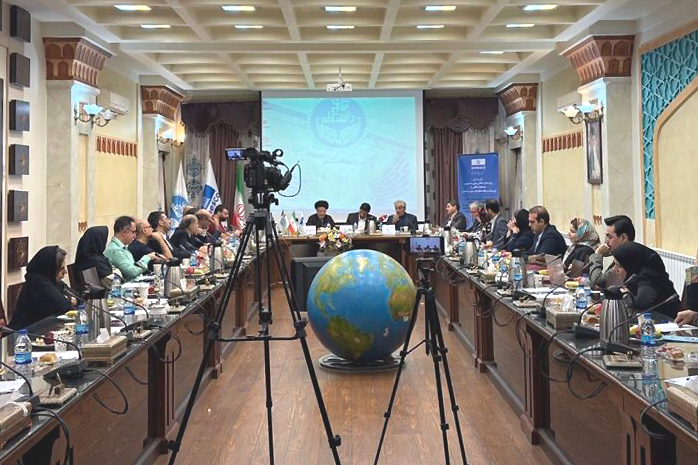
The meeting entitled “Ethical Implications of Artificial Intelligence: Ethical Considerations in the Responsible Development of AI Systems” was held on 6 May 2026 at the Mellat Hall of the Faculty of World Studies, University of Tehran. It was organized by the Iranian National Commission for UNESCO in collaboration with the UNESCO Chair on Cyberspace and Culture: Two-Space Convergence.
The primary objective of the meeting was to provide an opportunity to examine and clarify the various dimensions of UNESCO’s Recommendation on the Ethics of Artificial Intelligence, published in 2021. Two other key objectives were to strengthen national and local knowledge in this emerging field and to establish a platform for harmonizing the views and perspectives of experts from various disciplines.
The meeting featured speeches by Dr. Hassan Fartousi, Secretary-General of the Iranian National Commission for UNESCO; Dr. Saeed Reza Ameli, Dean of the Faculty of World Studies at the University of Tehran; Dr. Hamid Shahriari, Secretary-General of the World Forum for Proximity of Islamic Schools of Thought; Dr. Ali Kermanshah, faculty member of the Faculty of Management and Economics at Sharif University of Technology; Dr. Hossein Hassani of the Institute for Culture, Art and Communication; and Dr. Mohammad Sarvi Zargar, Head of the Communications Group at the Iranian National Commission for UNESCO.
At the beginning of the meeting, Dr. Hassan Fartousi welcomed the speakers and participants and highlighted the importance of emerging technologies, particularly artificial intelligence, in today’s world. He noted that rapid technological developments in AI and its expanding applications across social, cultural, media and governance domains had drawn the attention of national and international institutions to the ethical implications of this technology.
Emphasizing the transformative role of AI, he added that in recent years, artificial intelligence had evolved beyond a technological tool to become an influential element in decision-making, knowledge production and public policymaking. This development, he stressed, underscores the need for a systematic approach to ethical considerations in AI.
UNESCO’s Role in Developing Ethical Frameworks
Referring to UNESCO’s role in this field, Dr. Fartousi stated that, as a leading organization in developing international instruments on AI ethics, UNESCO plays an important role in guiding global dialogue on the responsible development of this technology. He noted that the Organization emphasizes principles such as fairness, transparency, accountability, respect for human dignity and social inclusion. Putting these principles into practice, he added, requires adapting them to national circumstances and priorities.
He further explained that UNESCO consolidated this approach in its Recommendation on the Ethics of Artificial Intelligence, published in 2021. Through this instrument, the Organization sought to establish a comprehensive framework grounded in the protection of human dignity and rights and the safeguarding of fundamental freedoms.
Emphasis on Interdisciplinary Dialogue and National Capacity-Building
In another part of his remarks, Dr. Fartousi expressed his appreciation for the collaboration with the Faculty of World Studies at the University of Tehran and the UNESCO Chair on Cyberspace and Culture: Two-Space Convergence. He stated that the Recommendation provides a platform for interdisciplinary dialogue among experts, facilitates the identification of capacities and challenges, and helps clarify the requirements and norms applicable at both national and international levels.
He added that the meeting was organized in line with the mandate of the Iranian National Commission for UNESCO, with the aim of strengthening national institutional capacity through an examination of the Recommendation by leading Iranian experts and specialists.
The other speakers subsequently presented their specialized perspectives on the subject.
Artificial Intelligence, War and the Challenge of Excluding Human Perception
Dr. Saeed Reza Ameli, Dean of the Faculty of World Studies at the University of Tehran and Chairholder of the UNESCO Chair on Cyberspace and Culture: Two-Space Convergence, delivered a presentation entitled “The Capabilities and Risks of Artificial Intelligence and Emerging Technologies, the Ethics of War and Respect for Human Beings.”
Noting that algorithms lack a human spirit, he stated that contemporary warfare had led to the “invisibility of human killings.”
Reviewing the historical relationship between technology and warfare, Dr. Ameli explained that the latest stage of this evolution had given rise to algorithm-driven warfare and computerized killing, a situation in which human sensitivity and perception were being excluded from military decision-making.
He also stressed the need to establish an “ethical lock” and ensure meaningful oversight of AI systems. He argued that if an AI system cannot determine with 99.9 per cent accuracy whether a target is civilian or non-civilian, it should not be permitted to launch an attack.
The Need to Reconsider Corporate Social Responsibility
Dr. Ali Kermanshah, faculty member of the Faculty of Management and Economics at Sharif University of Technology, delivered a presentation entitled “Ethical and Responsible Artificial Intelligence: Framing the Issue and a Preliminary Framework.”
He emphasized that AI should be examined in the context of the historical concept of corporate social responsibility.
Criticizing prevailing approaches in this field, he observed that corporate social responsibility had often been reduced to profitability and had failed to fulfil its actual commitments. He argued that, in the current era, the concept of “digital social responsibility” should serve as a basis for comprehensively advancing principles such as transparency and accountability.
Comparative Analysis of National and International Instruments
Dr. Hossein Hassani, faculty member of the Institute for Culture, Art and Communication, subsequently delivered a presentation entitled “A Comparative Ethical Analysis of Iran’s National Artificial Intelligence Document and UNESCO’s Recommendation on the Ethics of Artificial Intelligence.”
He examined areas of convergence and divergence between the two instruments, identifying human dignity, transparency, privacy, fairness, governance and the localization of ethics as key dimensions of the comparison. He noted that cultural, political and legal differences had resulted in differing definitions of artificial intelligence, which required further examination.
Philosophical Examination of Ethical Principles in Artificial Intelligence
In the final session, Dr. Hamid Shahriari, Secretary-General of the World Forum for Proximity of Islamic Schools of Thought and Head of the Organization for Researching and Composing University Textbooks in Islamic and Human Sciences (SAMT), examined UNESCO’s Recommendation on the Ethics of Artificial Intelligence from a philosophical perspective.
Emphasizing the two fundamental principles of human dignity and justice, he highlighted the need to distinguish between specific and general domains of ethics. He identified self-regulation, consideration of conscience, foresight, transparency, equality and fairness, the protection of life, health and public well-being, attention to human emotions, and the development of robust oversight mechanisms as key considerations in this field.
The full report of the meeting is available here.