Secretary-General of the Iranian National Commission for UNESCO Emphasizes Urban Branding, Peacebuilding, and Cultural Heritage Protection in Kermanshah
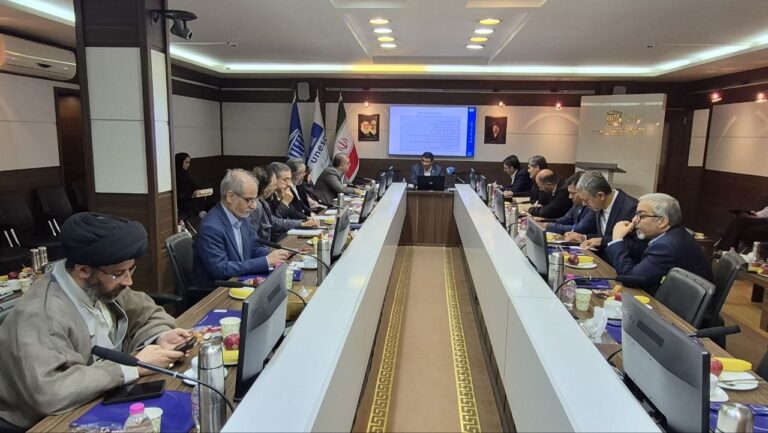
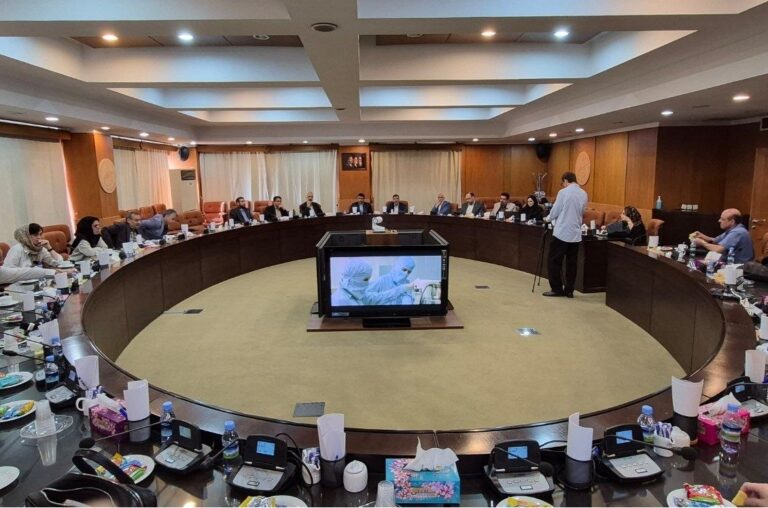
| During his visit to Kermanshah Province on 26 March 2026, following visits to damaged historical buildings, the Secretary-General of the Iranian National Commission for UNESCO emphasized the need to strengthen urban branding, peacebuilding, and cultural heritage protection at a meeting attended by the Mayor and the Acting Director-General of the Provincial Department of Cultural Heritage, Tourism and Handicrafts. |
The meeting, attended by representatives of Kermanshah Municipality, the Ministry of Cultural Heritage, Tourism and Handicrafts, and the Iranian National Commission for UNESCO, addressed topics including strengthening Kermanshah’s position within the UNESCO Creative Cities Network and the UNESCO Global Network of Learning Cities, as well as harnessing the city’s cultural, historical, and social assets to advance sustainable development.
At the beginning of the meeting, municipal and cultural heritage officials outlined their plans for upcoming cultural and artistic activities. These included a photography symposium and a food museum during the month of Muharram, an international festival of Ashura chants and melodies, Shahnameh recitation programs, theatrical performances, and the creation of artworks throughout the city. The meeting also addressed the condition of several historical buildings damaged during the war, including Kezazi High School, the Soori House, Dowlatshahi Mosque, and Biglarbeigi Tekyeh. Participants stressed the continuing need for restoration and specialized care to preserve these sites.
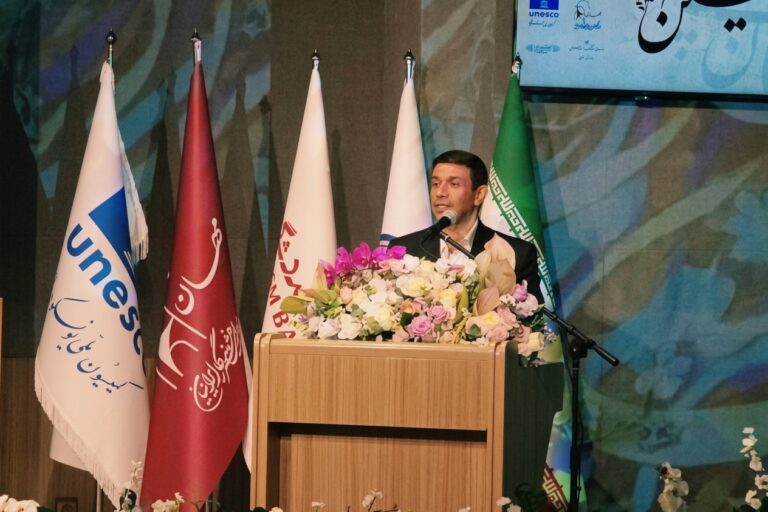
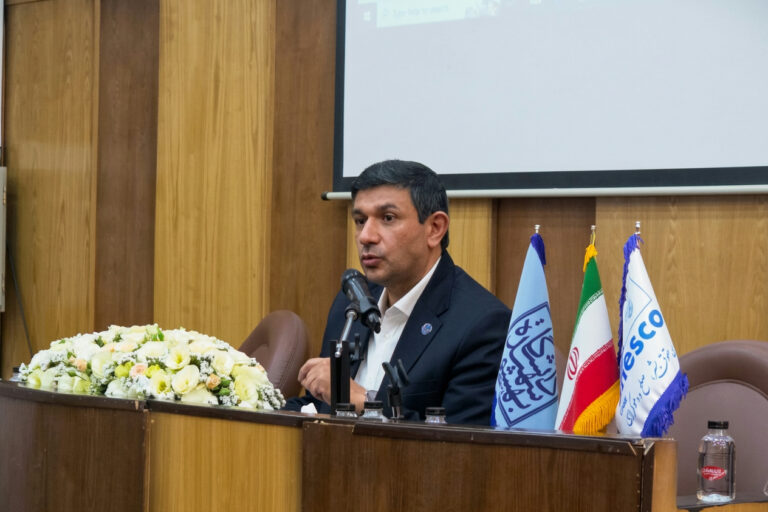
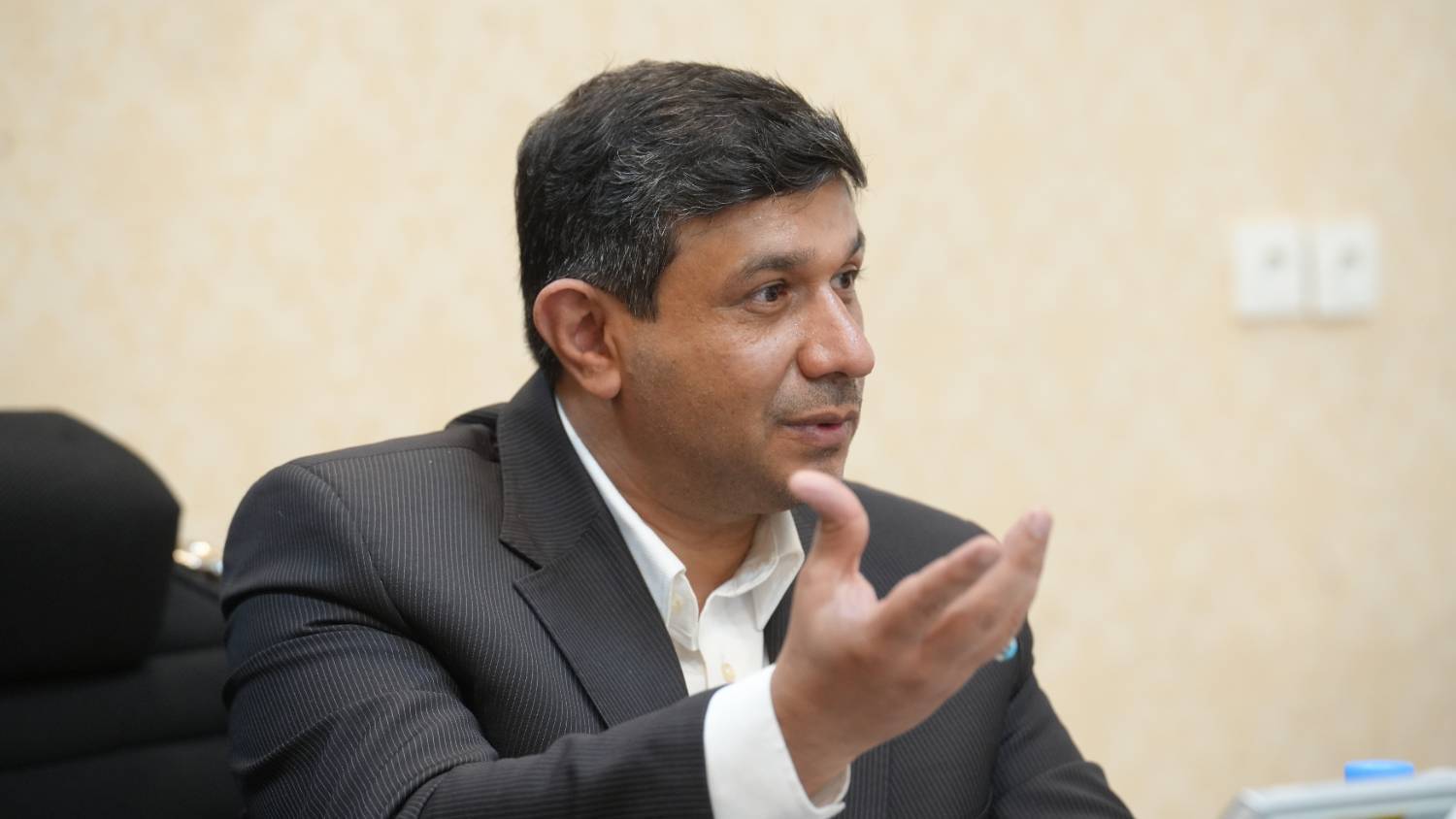
Dr. Hassan Fartousi, Secretary-General of the Iranian National Commission for UNESCO, highlighted the importance of social resilience and the role of cultural assets in strengthening national solidarity, particularly under the country’s current circumstances. Emphasizing Kermanshah’s strategic position, he described the city as having considerable potential for peacebuilding and cultural interaction, and considered its designation as a Learning City an important opportunity to promote balanced urban development.
He also stressed the need to establish platforms for dialogue and synergy among implementing institutions, describing these as essential to achieving the objectives of Creative Cities and Learning Cities.
The Secretary-General then put forward a series of practical proposals concerning urban branding, cultural heritage protection—particularly intangible cultural heritage—and the ongoing restoration of historical sites through cooperation with UNESCO. He also emphasized the importance of drawing on national and international expertise in cultural heritage, the environment, and urban management to improve the quality of heritage protection and management.
Referring to UNESCO’s approach to sustainable development, Dr. Fartousi noted that achieving sustainability requires a balance among its economic, social, and cultural dimensions. Neglecting the links between these dimensions, he warned, could undermine the sustainability of the development process.
In another part of his remarks, he highlighted Kermanshah’s role as a Learning City and identified life skills development, enhanced social resilience, crisis management, the promotion of a culture of peace, and attention to psychosocial needs—including grief counseling—as key priorities. Other priorities discussed included establishing educational entrepreneurship networks, supporting small businesses and digital-sector professionals, adopting smart approaches to urban resource management, and expanding public education on urban smart technologies.
The discussions also explored the potential of the city’s cultural and religious traditions, including a proposal to nominate the tradition of votive food offerings as intangible cultural heritage.
Dr. Bijan Moradi, Mayor of Kermanshah, also emphasized the importance of urban branding in strengthening the city’s economic and social dimensions and called for more effective use of its tourism and cultural potential. Referring to Kermanshah’s distinctive character as a city with four distinct seasons, he noted that several historical buildings had been damaged in the American–Israeli attacks. He described improving public access to these sites as an effective way to boost tourism and encourage greater public engagement with cultural spaces.
The Mayor also stressed the need to make historical and natural sites more accessible to people with disabilities, identifying the installation of facilities such as elevators at sites including Bisotun as a potential measure.
At the conclusion of the meeting, the Secretary-General of the Iranian National Commission for UNESCO underscored the importance of results-oriented dialogue among relevant institutions, guided by a problem-solving approach, describing it as a prerequisite for implementing urban development programs.