International Documentation of Damage to Kurdistan’s Cultural Heritage Begins with the Active Participation of the Iranian National Commission for UNESCO
| Following damage to several historical buildings in Kurdistan Province, the Iranian National Commission for UNESCO has begun a systematic process to document the damage in accordance with international standards. |
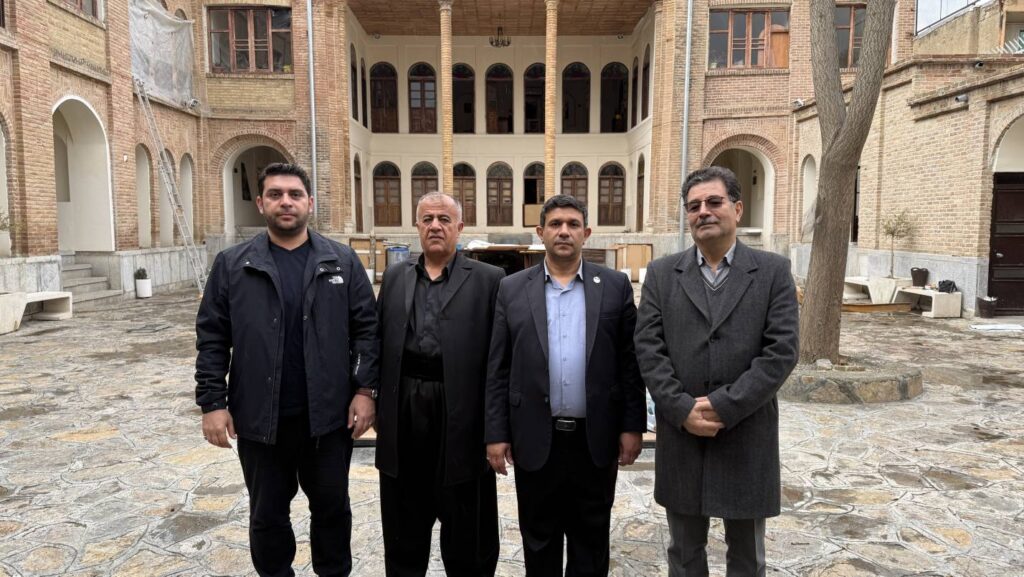
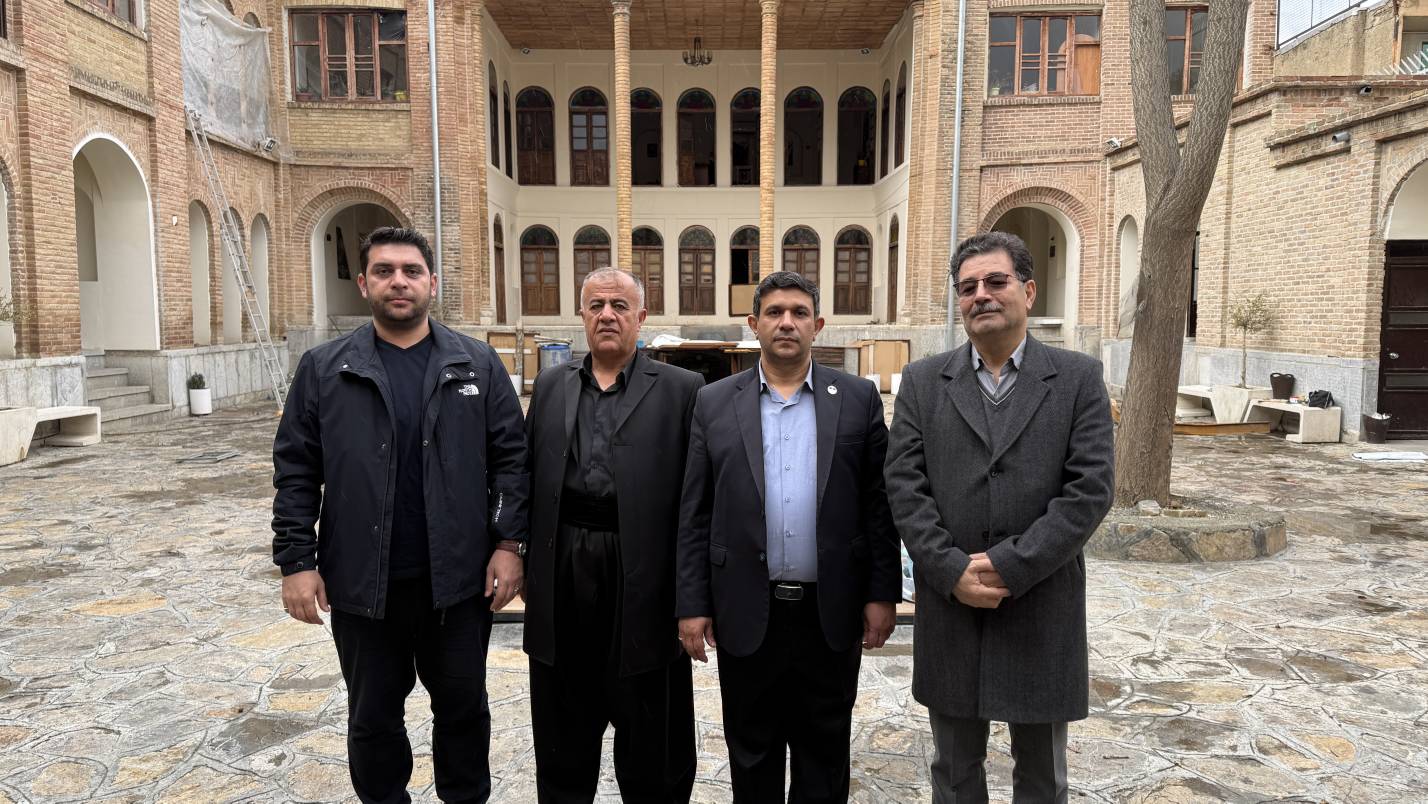
The initiative was undertaken during a field visit to Kurdistan Province by Dr. Hassan Fartousi, Secretary-General of the Iranian National Commission for UNESCO, accompanied by Dr. Mohammad Ebrahim Zarei, Head of the Research Institute of Cultural Heritage under the Ministry of Cultural Heritage, Tourism and Handicrafts and a member of the Executive Council of the Iranian National Commission for UNESCO. The visit was hosted by Dr. Talebnia, Director-General of Cultural Heritage of Kurdistan Province. Its purpose was to assess the extent of the damage and examine the technical requirements for protecting and restoring historical sites. Mr. Azizi, Head of the Kurdistan Provincial Council, along with several experts and cultural heritage enthusiasts, also took part in these assessments.
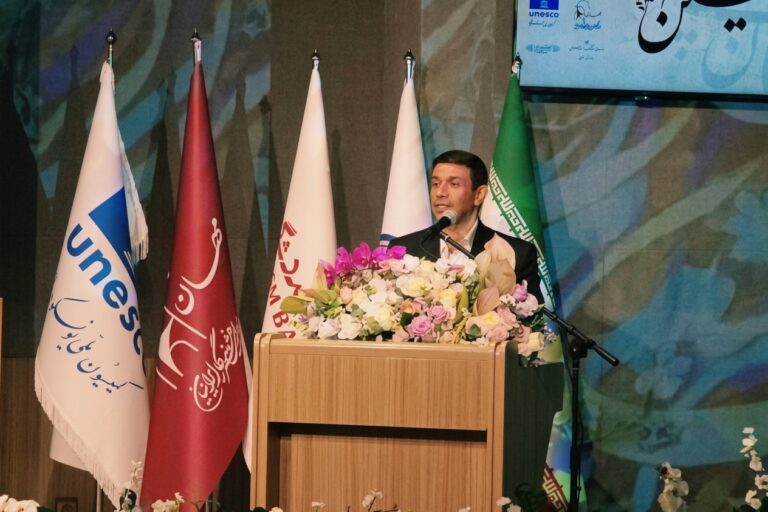
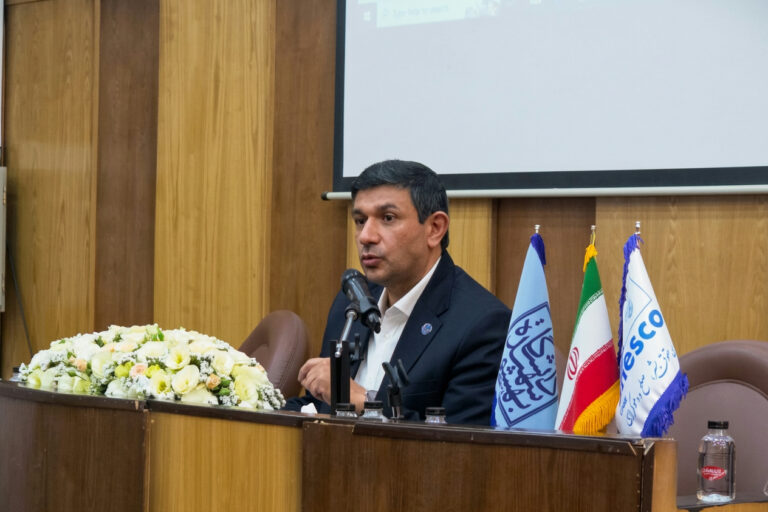
In response to media inquiries and for documentation purposes to be submitted to UNESCO, Dr. Fartousi provided explanations in three languages: Persian, English, and Arabic.
During the visit, several prominent historical sites in Sanandaj were inspected, including Khosroabad Mansion, Asef Mansion (Kurd House), the Archaeology Museum, and Malek al-Tojjar Mansion. Expert reports indicate that elements of the architectural and decorative features of these sites, including sash windows, stucco work, mirror work, and inscriptions, have been damaged.
Field assessments at Khosroabad Mansion, one of the region’s most prominent historical buildings, dating back more than two centuries, indicate that some of the damage resulted from an explosion in the vicinity of the complex. This has led to the destruction or damage of sash windows and certain structural elements, increasing the need for specialized restoration work.
Several registered buildings in Sanandaj’s historic urban fabric, including Pir Omar Shrine, the Motesel House, the Mojtahedi House, and Amin al-Islam House, have also sustained damage due to their proximity to the affected areas. Specialized teams are undertaking detailed assessments of these sites.
During the visit, provincial officials and cultural heritage experts presented technical reports on the extent of the damage, secondary risks, and restoration needs. These findings will serve as the basis for a comprehensive report to be used within relevant international mechanisms for cultural heritage protection.
The Iranian National Commission for UNESCO has stated that this documentation process aims to strengthen international cooperation, draw on specialized expertise, and facilitate protective and rehabilitation measures. This approach is aligned with UNESCO’s principles and mandate to safeguard cultural heritage and promote scientific and cultural cooperation among countries.