Secretary-General of the Iranian National Commission for UNESCO: Women Are the Guardians of Intangible Cultural Heritage and the Architects of the Future
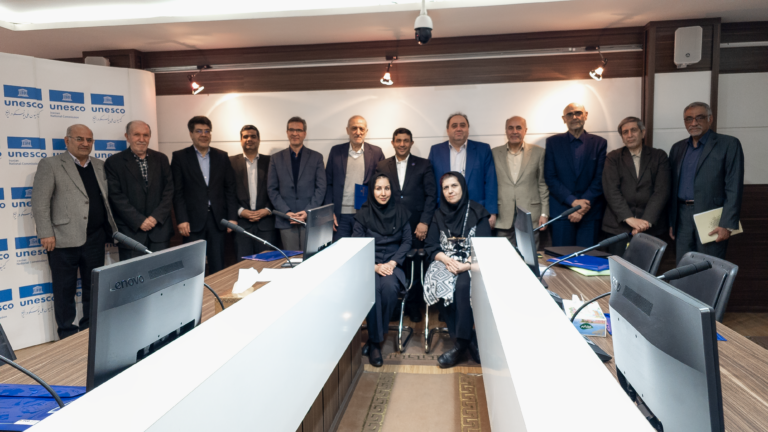
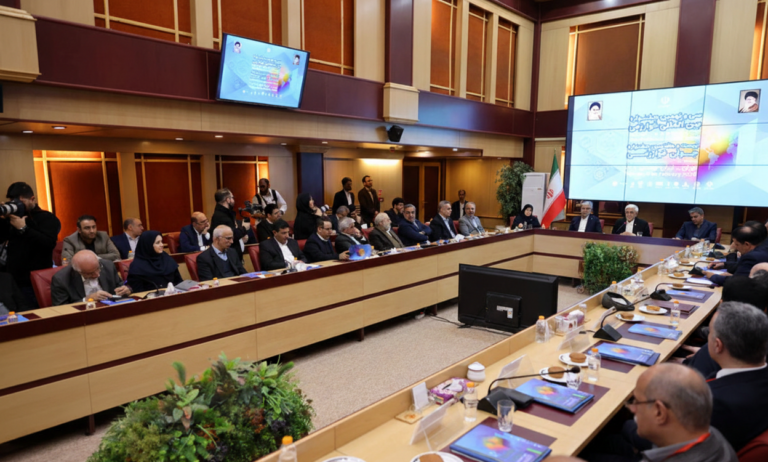
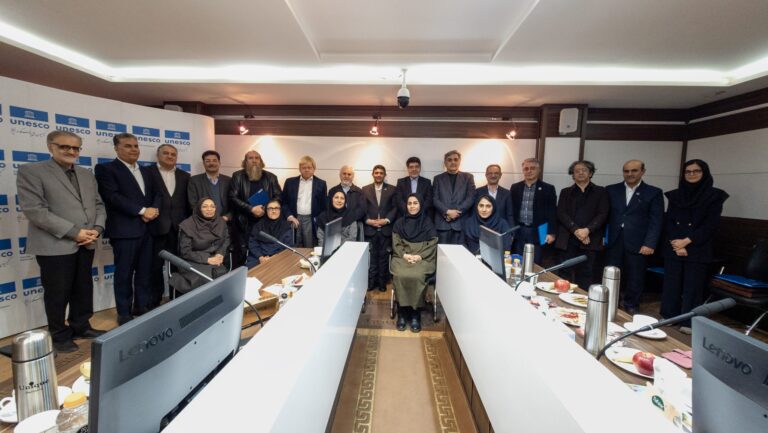
At the specialized meeting on “Developing Entrepreneurial Skills among Nomadic Women as Bearers of Intangible Cultural Heritage,” the Secretary-General of the Iranian National Commission for UNESCO emphasized the pivotal role of women in safeguarding culture, stating that nomadic women not only keep the heritage of the past alive but also shape the cultural and economic future of their communities. The meeting was held at Fajr Hall of the Ministry of Cultural Heritage, Tourism and Handicrafts, with the participation of the Minister of Cultural Heritage, national and international figures, and cultural experts. |
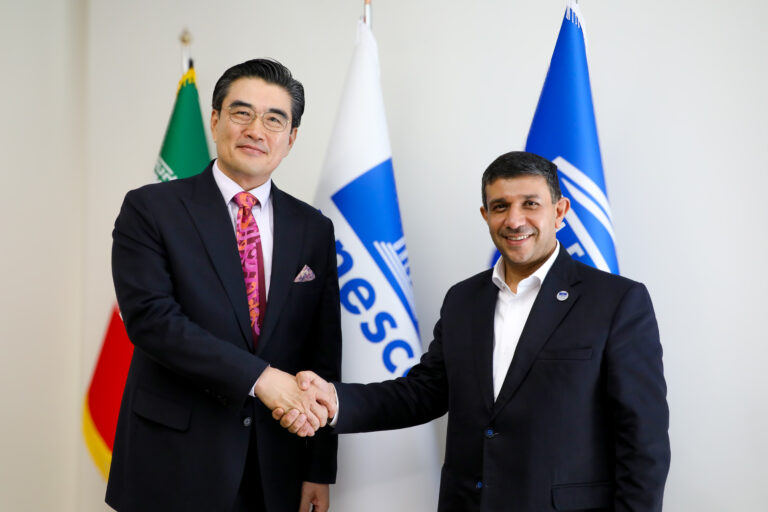
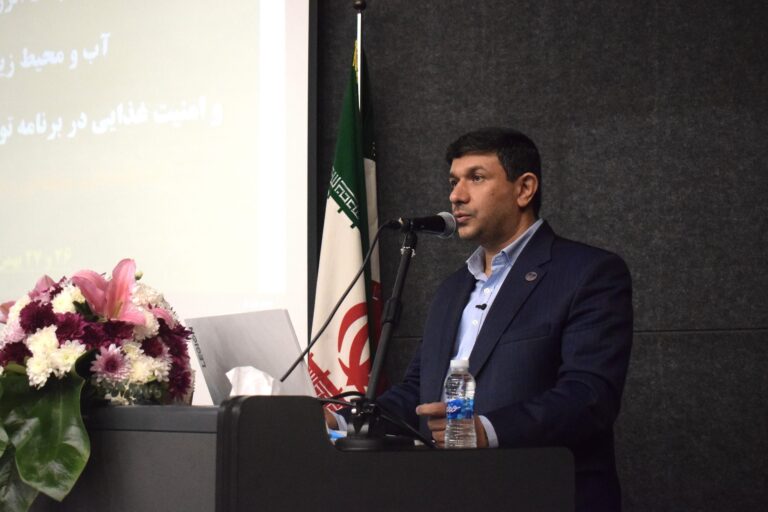
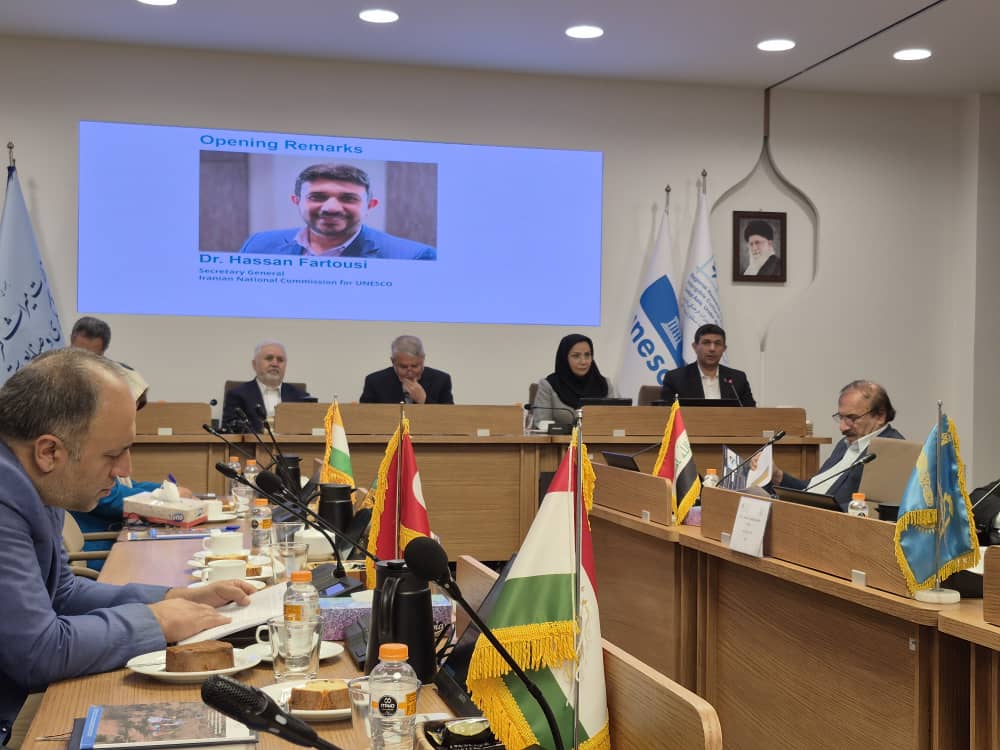
The specialized meeting entitled “Developing Entrepreneurial Skills among Nomadic Women as Bearers of Intangible Cultural Heritage, with an Emphasis on Achieving Sustainable Livelihoods in Central and Western Asia” was held on 17 November at Fajr Hall of the Ministry of Cultural Heritage, Tourism and Handicrafts, with the participation of Dr. Seyed Reza Salehi-Amiri, Minister of Cultural Heritage, Tourism and Handicrafts, and a number of national and international figures. At the meeting, Dr. Hassan Fartousi, Secretary-General of the Iranian National Commission for UNESCO, emphasized the role of women in safeguarding and developing intangible cultural heritage.
Highlighting the importance of linking intangible cultural heritage with the creative economy, he noted that nomadic women are not only guardians of the past but also architects of their communities’ cultural and economic future. The Secretary-General underscored the Iranian National Commission for UNESCO’s role in encouraging and coordinating efforts to support women’s education, production, marketing, and sustainable entrepreneurship. He added that respect for culture, the environment, and the nomadic way of life must remain central to these efforts.
He also stressed the need for multilateral cooperation and the establishment of a regional value chain to empower women who are bearers of intangible cultural heritage. He expressed his appreciation for the activities of the Regional Centre for the Safeguarding of Intangible Cultural Heritage in West and Central Asia, based in Tehran and operating under the auspices of UNESCO.
Other speakers at the opening session of the international meeting included Dr. Seyed Reza Salehi-Amiri, Minister of Cultural Heritage, Tourism and Handicrafts; Dr. Ali Darabi, Deputy Minister for Cultural Heritage; Dr. Atousa Momeni, Head of the Tehran Intangible Cultural Heritage Centre; Ms. Fumiko Ohinata, Secretary of the 2003 UNESCO Convention; and Dr. Jahanbakhsh Mirzavand, Head of the Organization for Nomadic Affairs of the Islamic Republic of Iran.