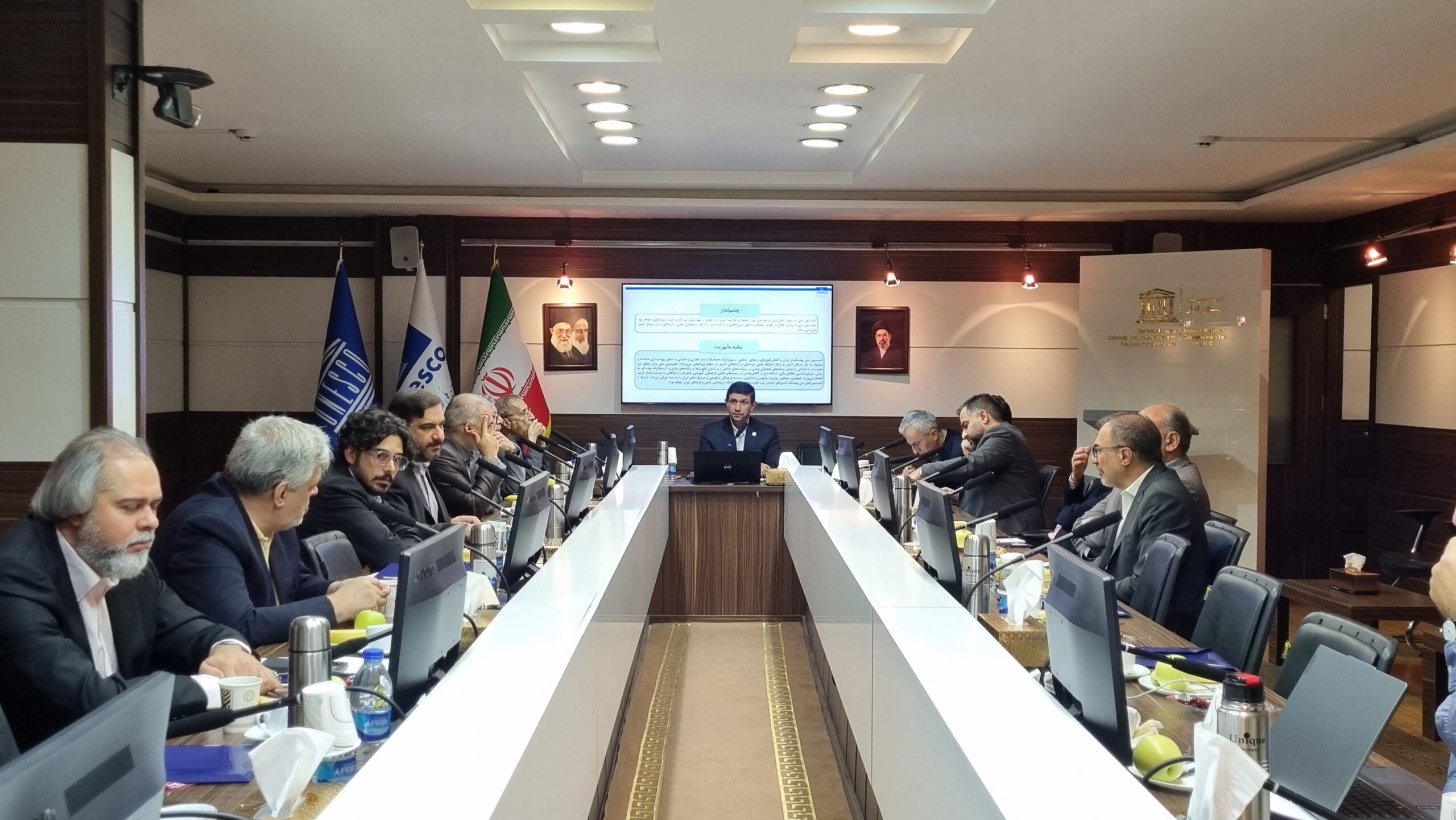
The First Meeting of the National Committee for Communications and Media of Iran’s National Commission for UNESCO Held
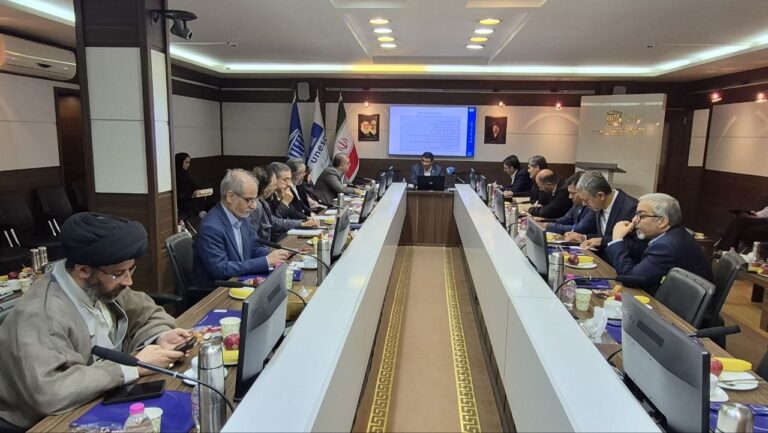
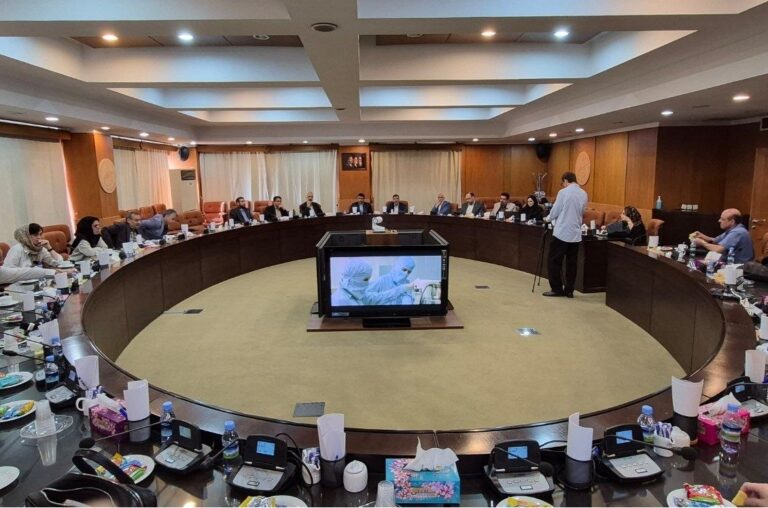
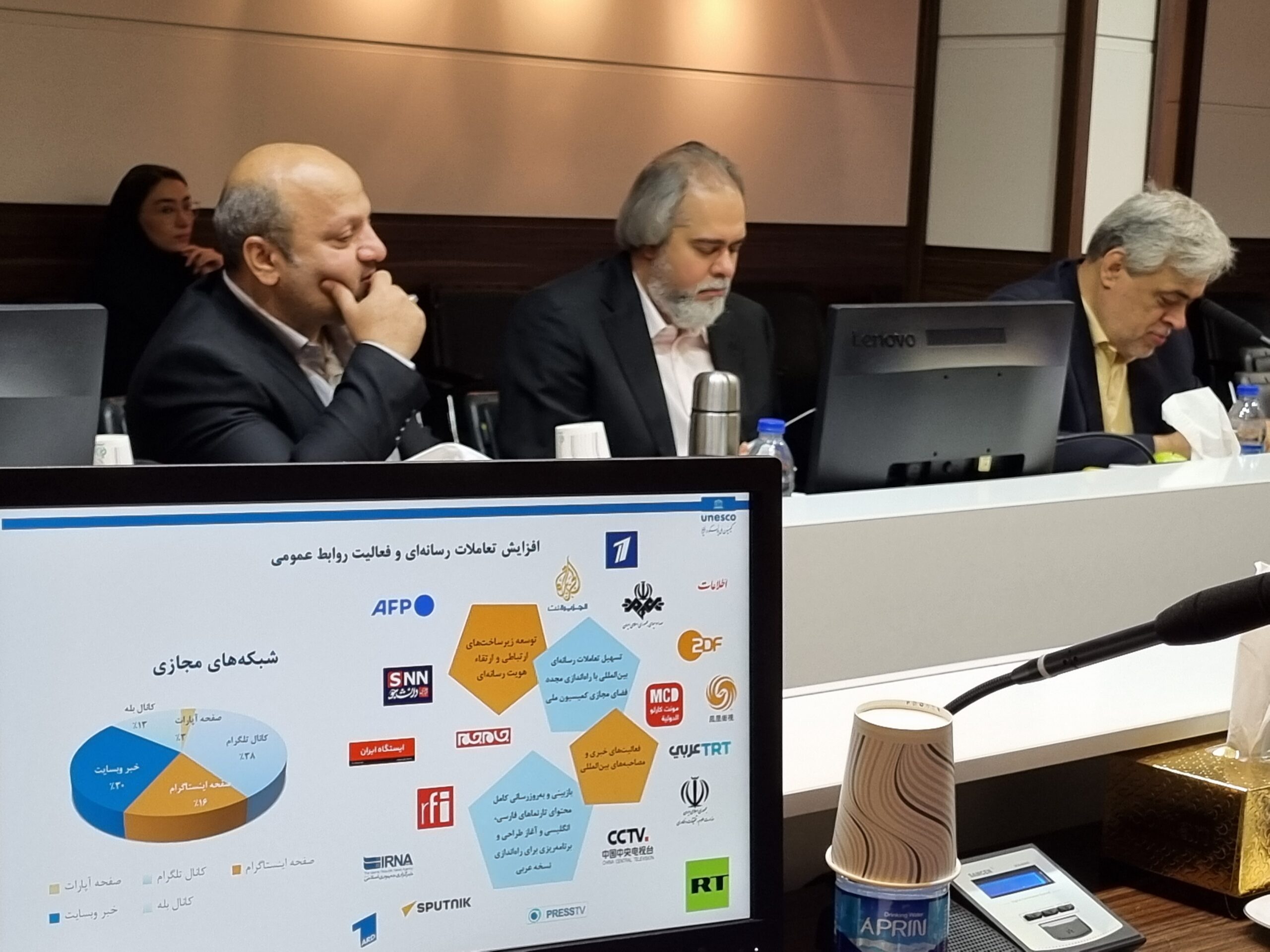
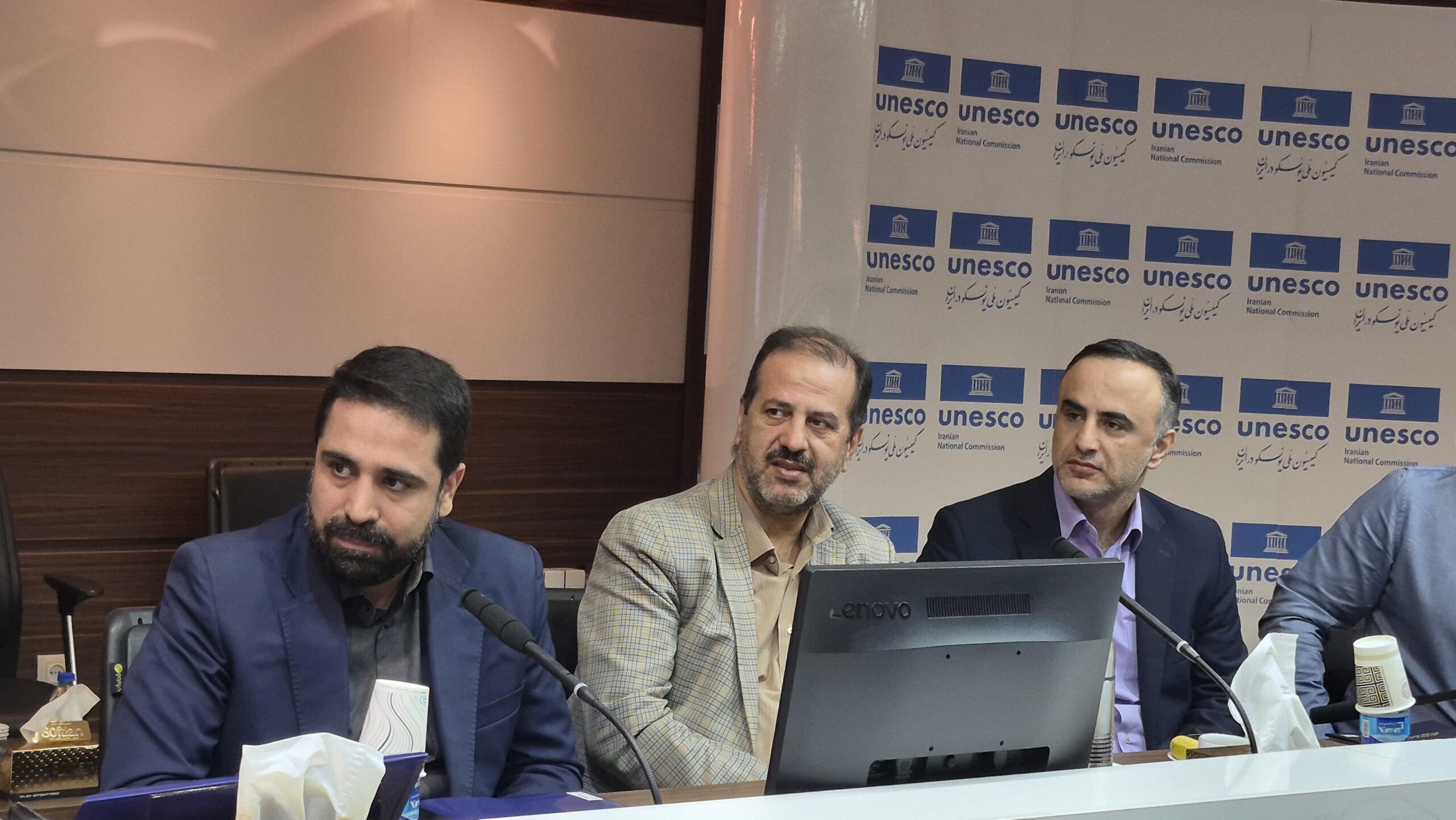
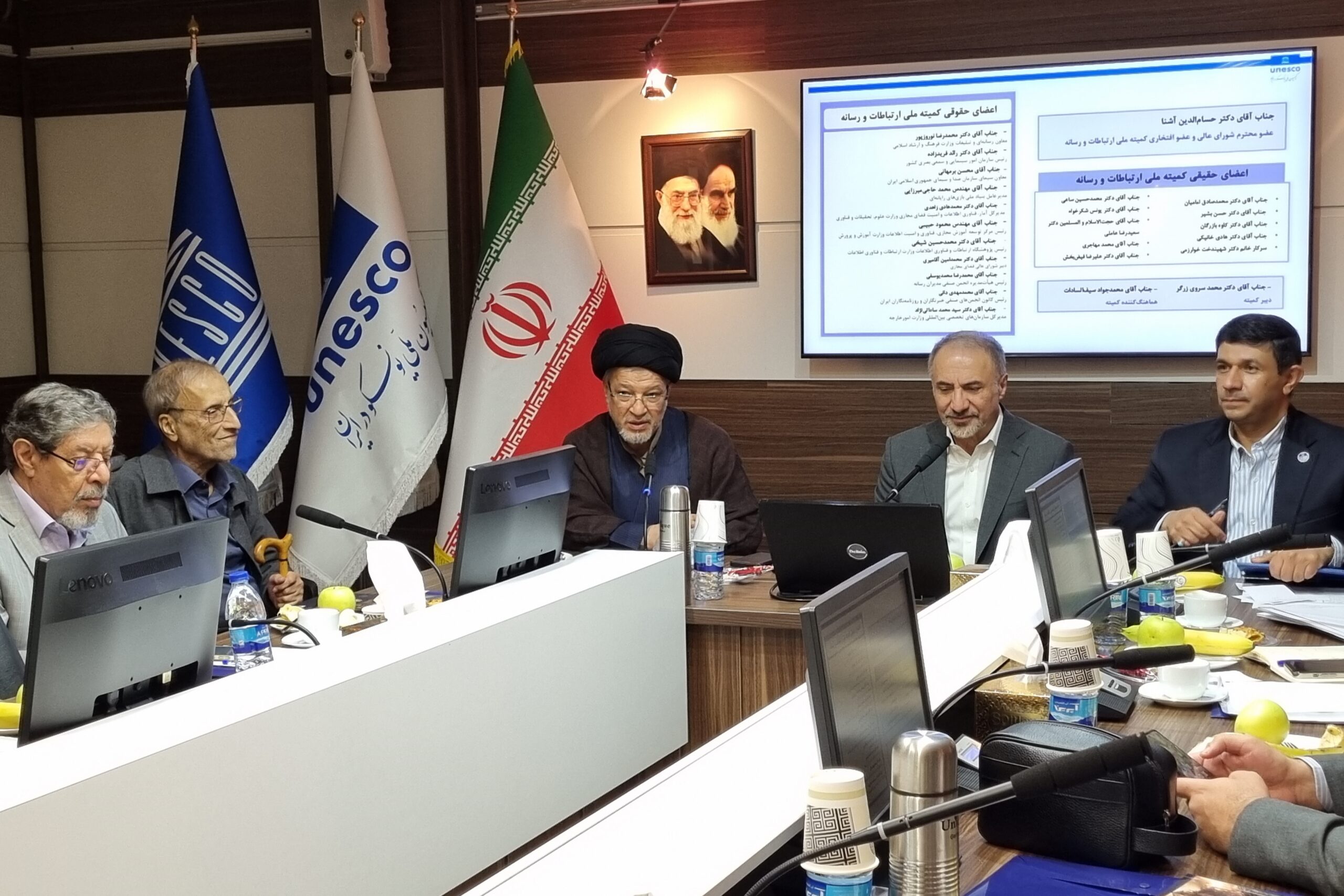
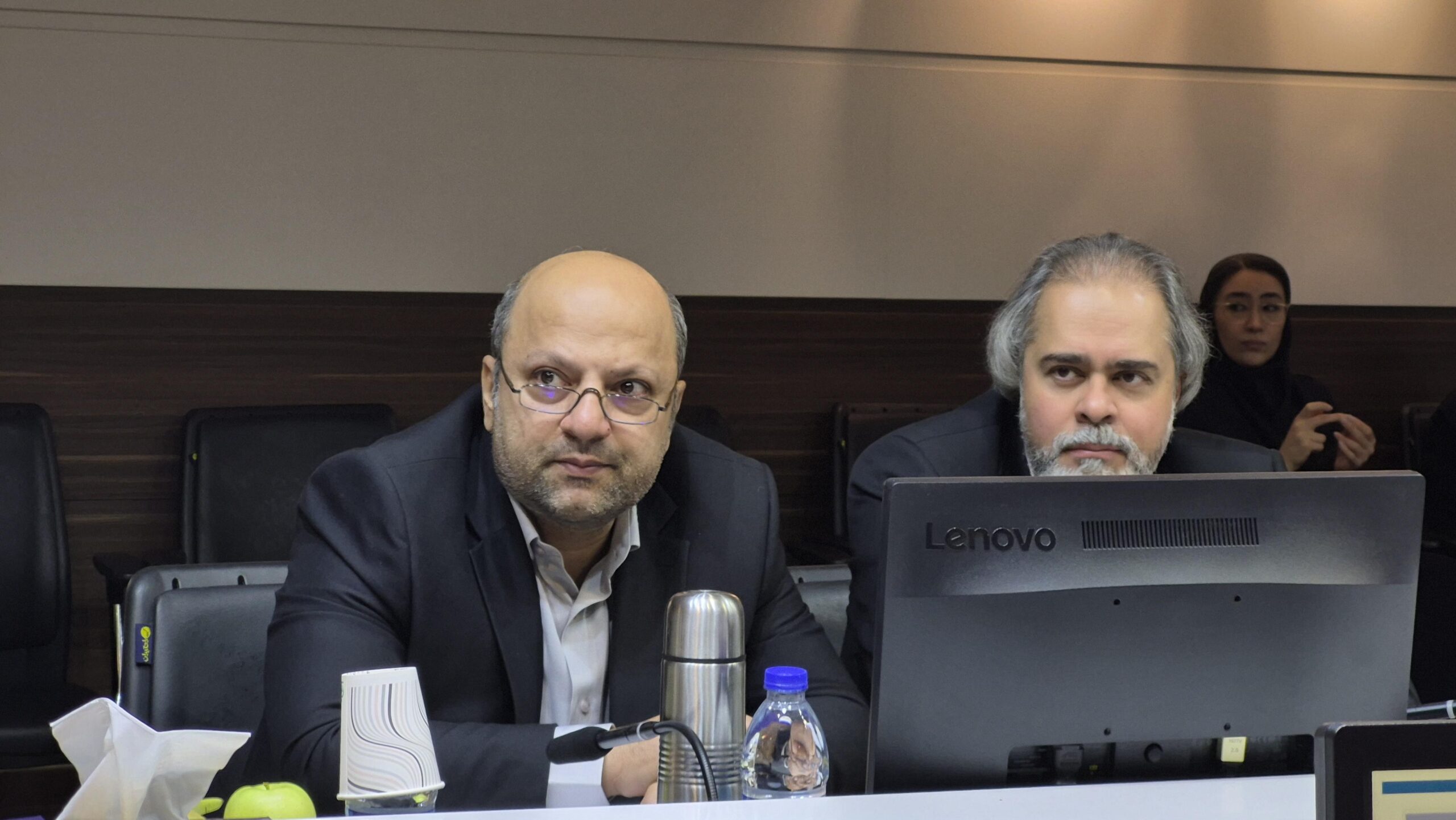
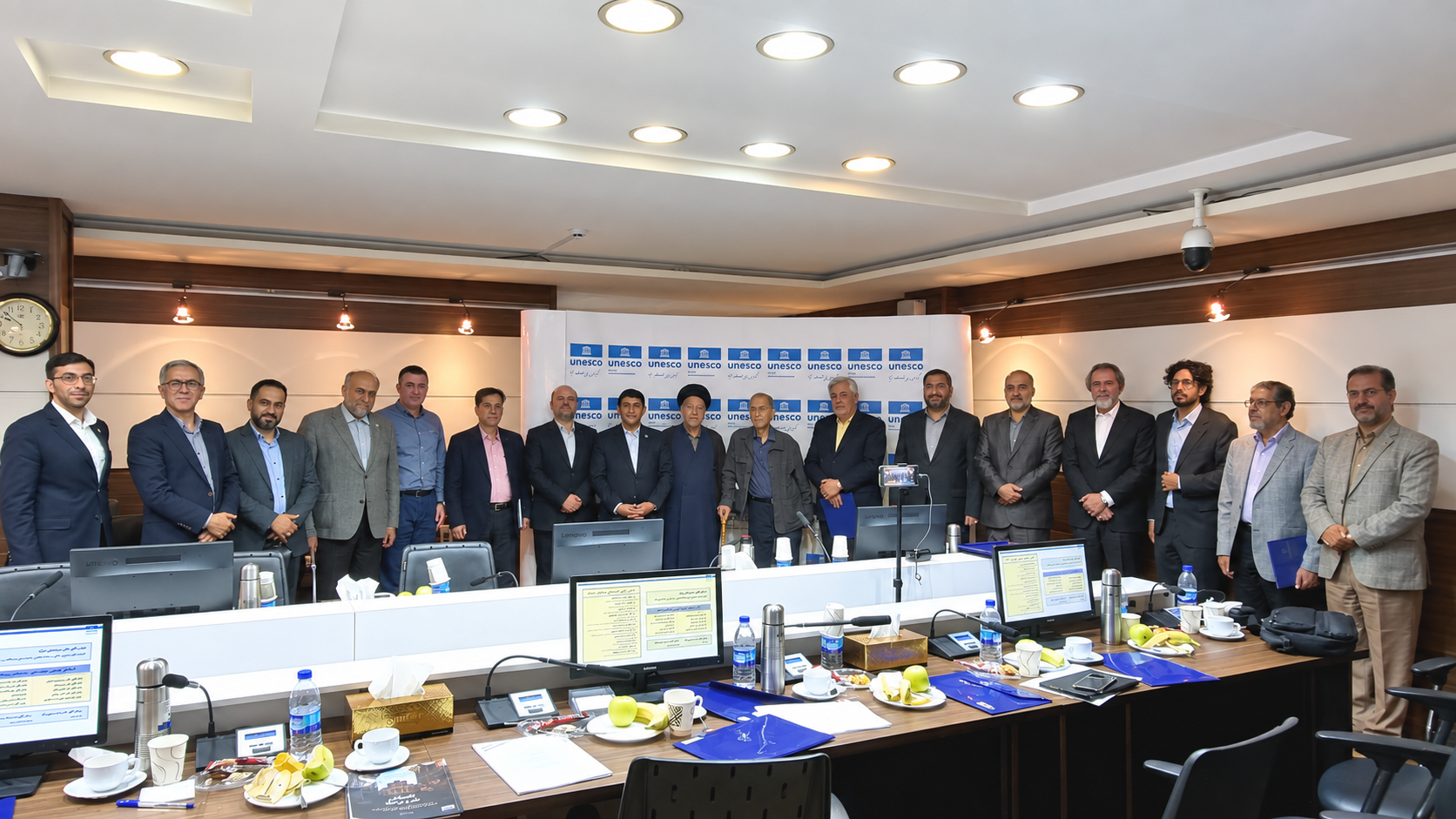
The first meeting of the National Committee for Communications and Media of Iran’s National Commission for UNESCO was held on 21 September 2026 at the Commission’s premises, as part of the new phase of activities of its specialized committees, with the participation of the Committee’s individual and institutional members.
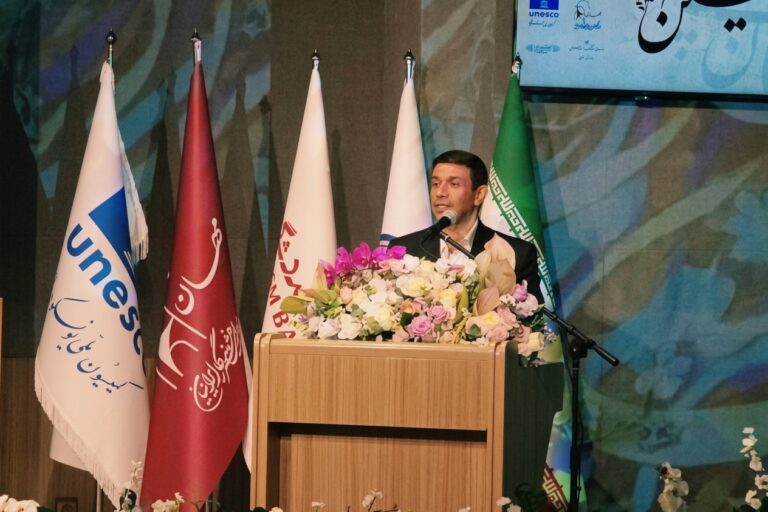
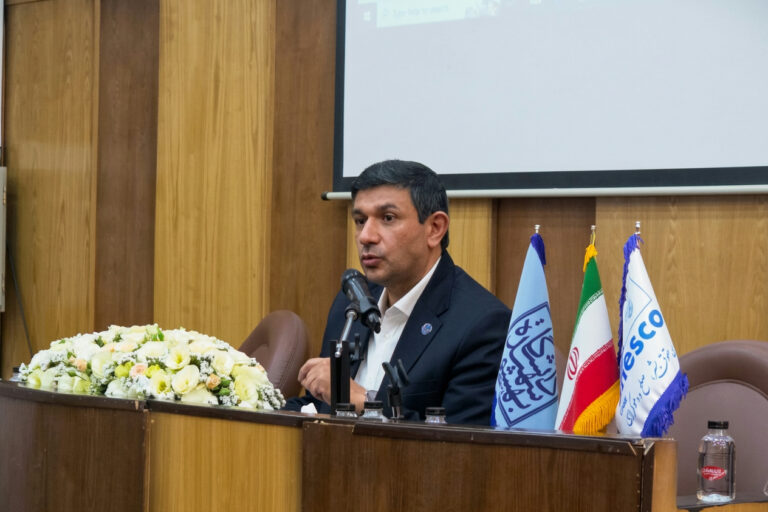
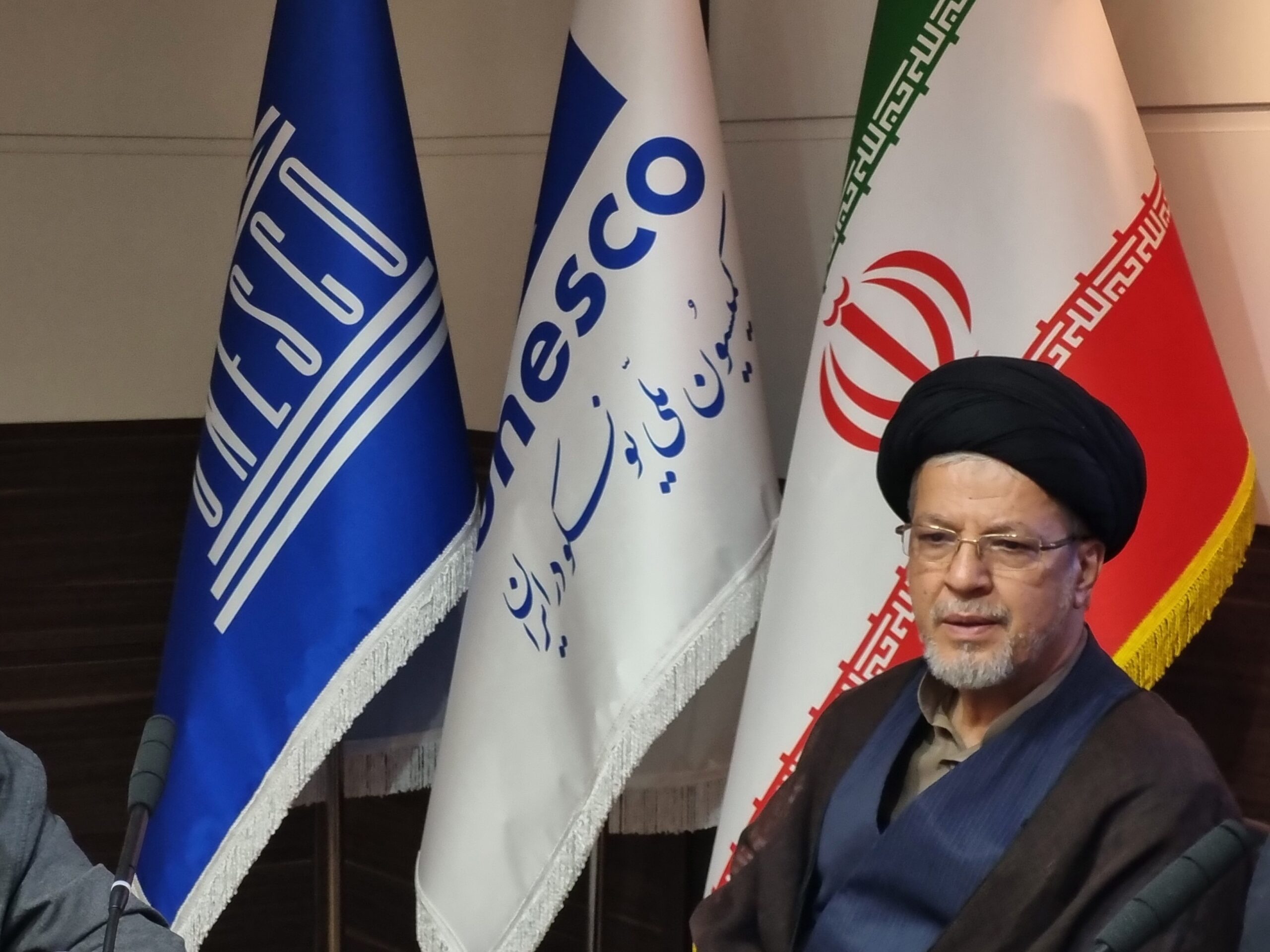
At the beginning of the meeting, Dr. Hassan Fartousi, Secretary-General of Iran’s National Commission for UNESCO, welcomed the Committee members and described the launch of the National Committee for Communications and Media as an important step towards strengthening national coordination, expanding cross-sectoral cooperation and making effective use of UNESCO’s capacities in the fields of communication, information and media. He emphasized that the Committee’s activities could provide an appropriate framework for making greater use of UNESCO’s documents, programs, experience and specialized networks in these fields.
Dr. Fartousi went on to underscore the need to address the ethical dimensions of emerging technologies and to draw on UNESCO’s capacities in this area. The Secretary-General also identified the promotion of freedom of expression, the safety of journalists, the media and communications ecosystem, and the enhancement of the resilience of the communications and media system as key areas of UNESCO’s focus in the fields of communication and information. He stressed the importance of aligning the Committee’s activities with the country’s priority needs and challenges. The meeting also included an overview of the National Committee for Communications and Media’s role and mandate within the activities of the National Commission for UNESCO in the fields of communication and information.
Dr. Fartousi also outlined the structure, mandates and programs of Iran’s National Commission for UNESCO. Explaining the role of specialized committees in advancing UNESCO’s objectives and programs, he familiarized the participants with the new regulations governing the committees’ activities, their implementation mechanisms, the duties and responsibilities of members, and the procedures for developing and following up on committee programs.
The Committee’s individual and institutional members were then introduced. Participants exchanged views on opportunities for cooperation among executive bodies, academic and research centers, universities, media organizations and professional associations, as well as on ways to draw on UNESCO’s capacities to advance the Committee’s future programs.
In the final part of the meeting, elections were held for the Committee’s executive board in accordance with the new regulations governing the specialized committees of Iran’s National Commission for UNESCO. Based on the votes cast by the members present, Hojjatoleslam Dr. Saeed Reza Ameli was elected Chair, and Dr. Alireza Feyzbakhsh was elected Vice-Chair of the National Committee for Communications and Media of Iran’s National Commission for UNESCO.
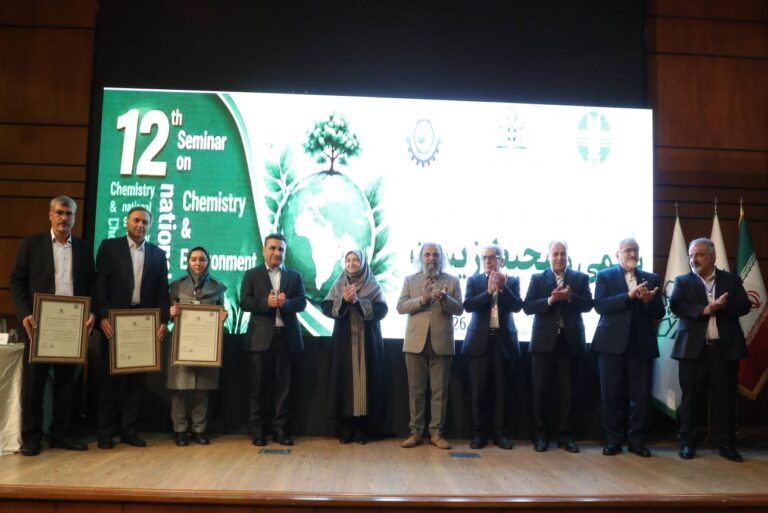
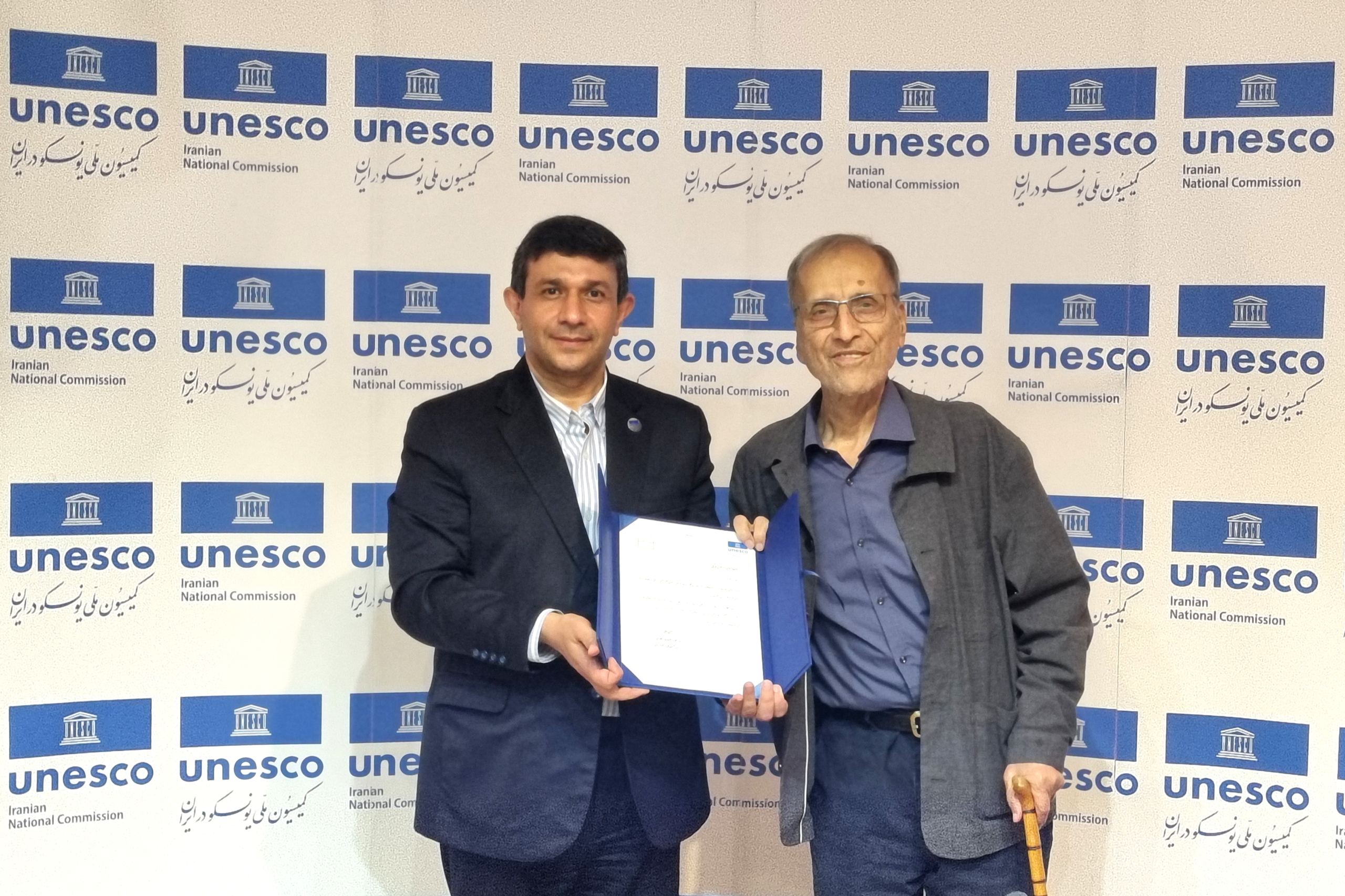
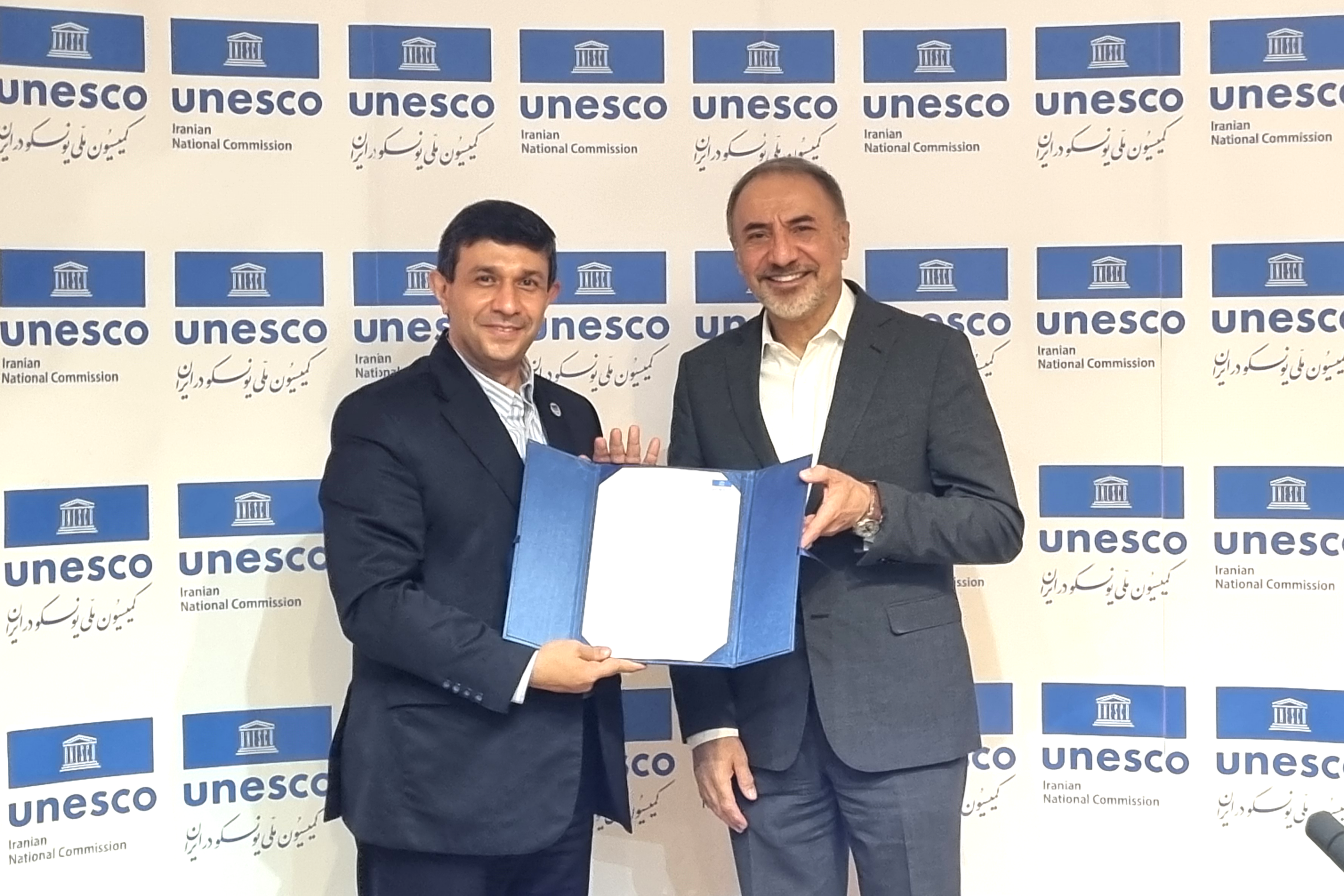
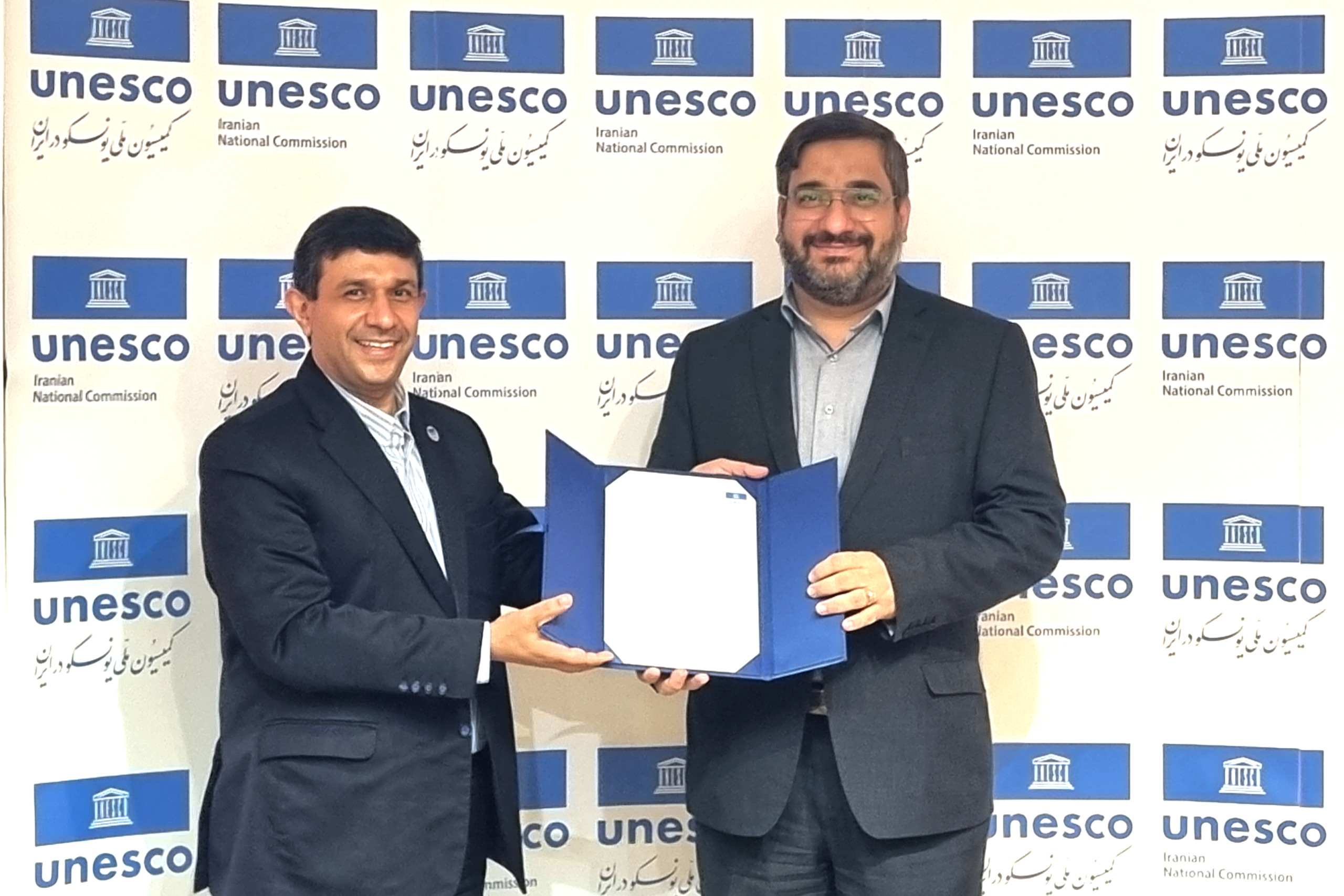
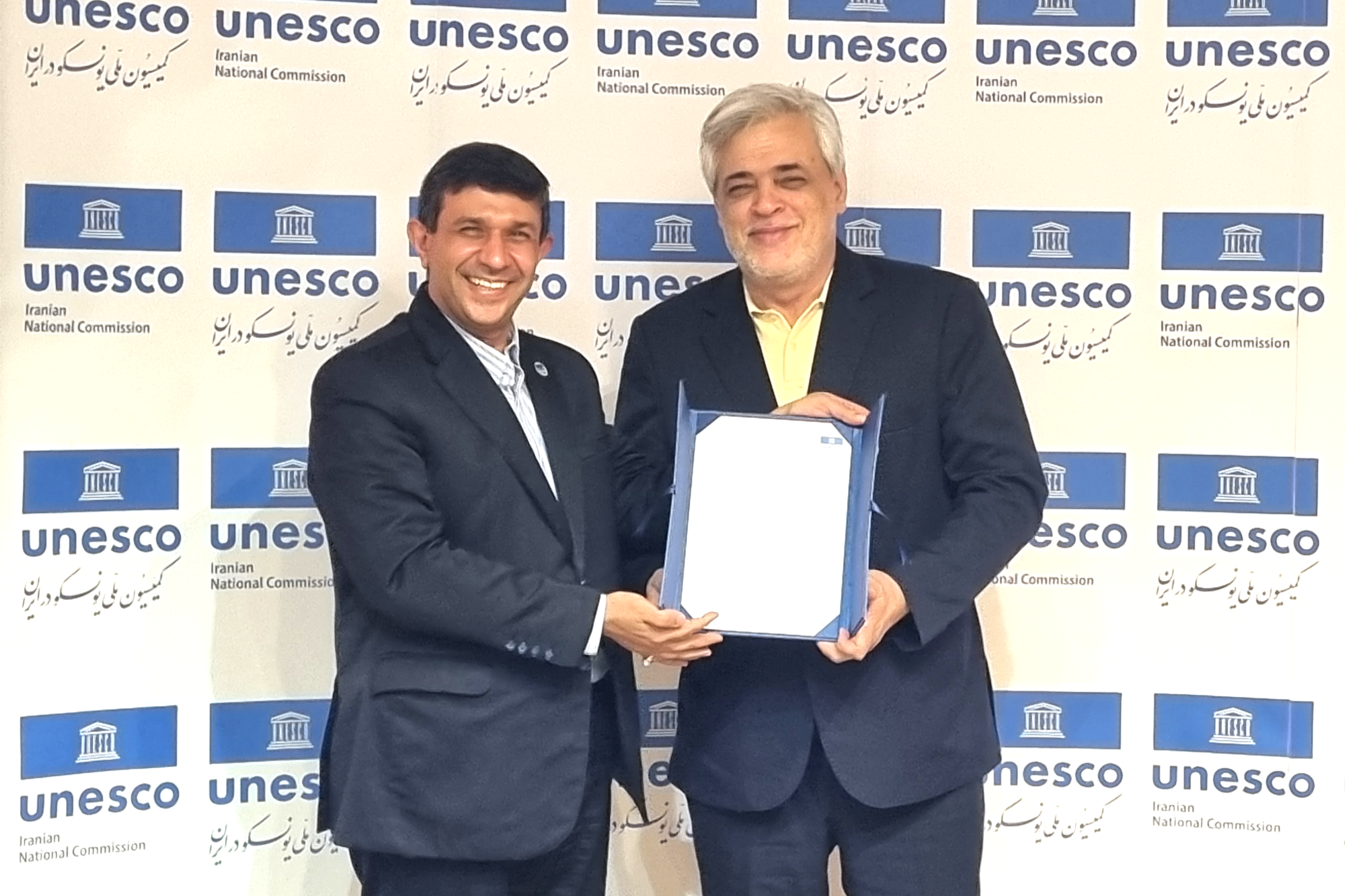
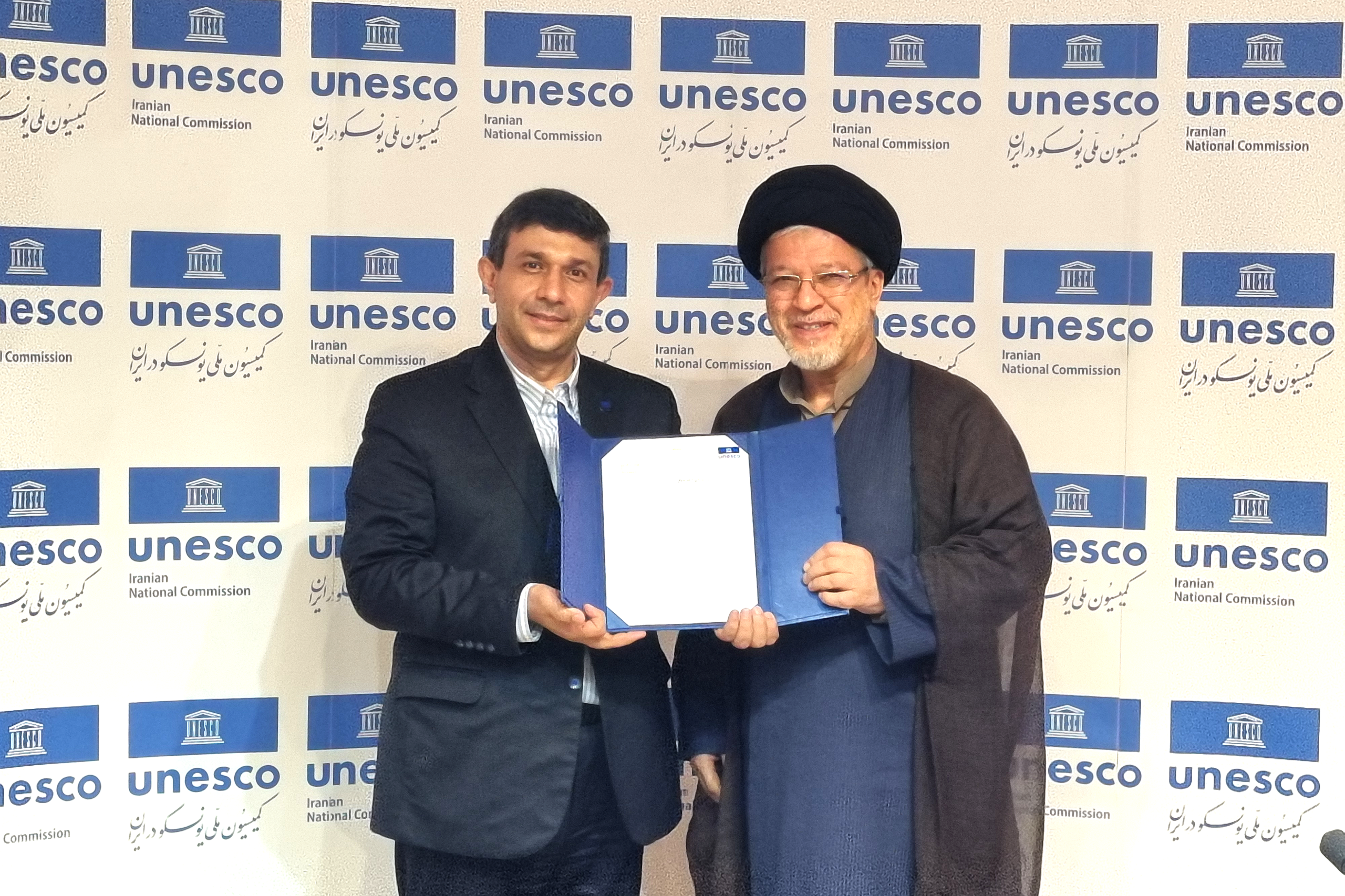
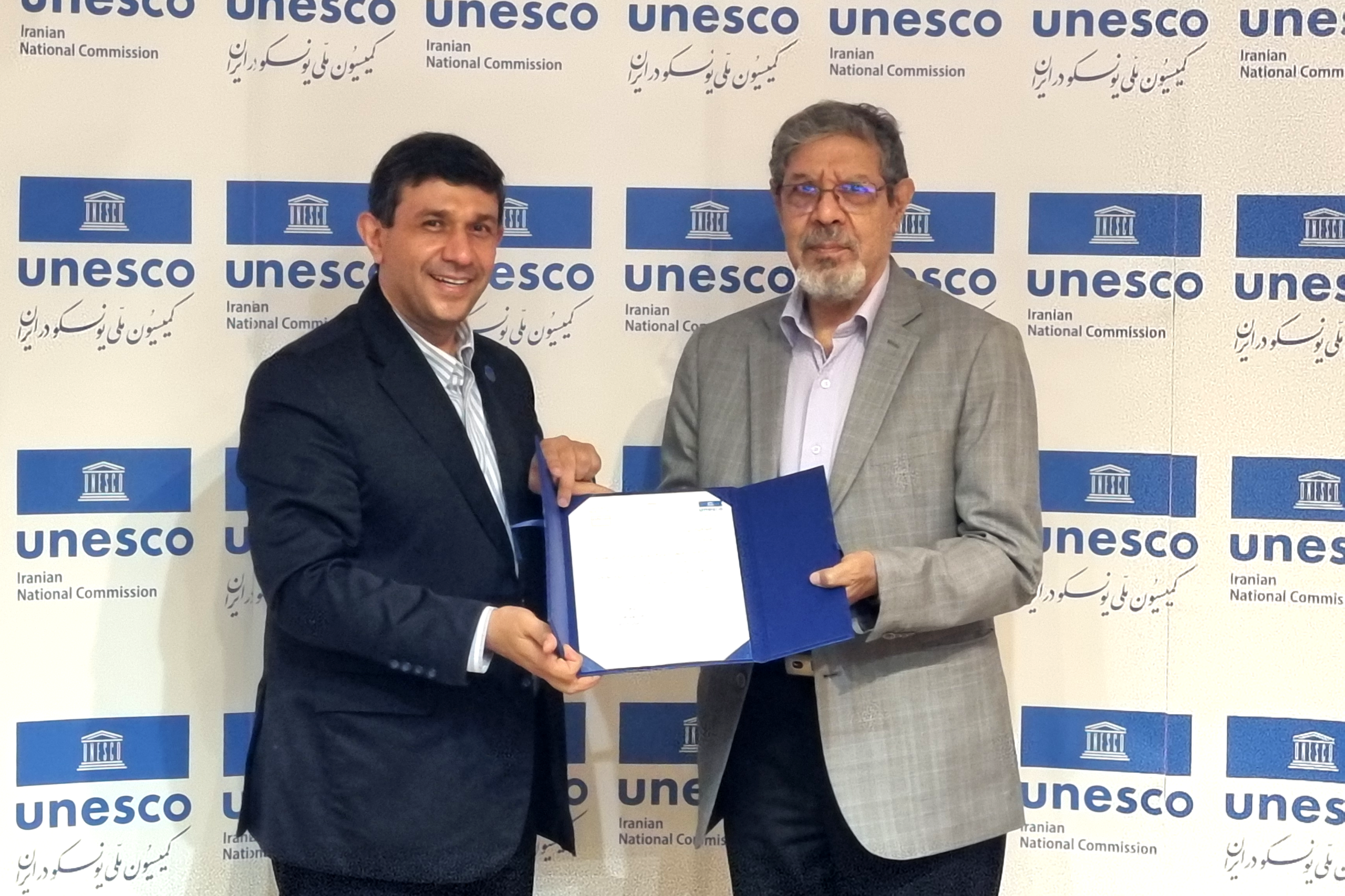
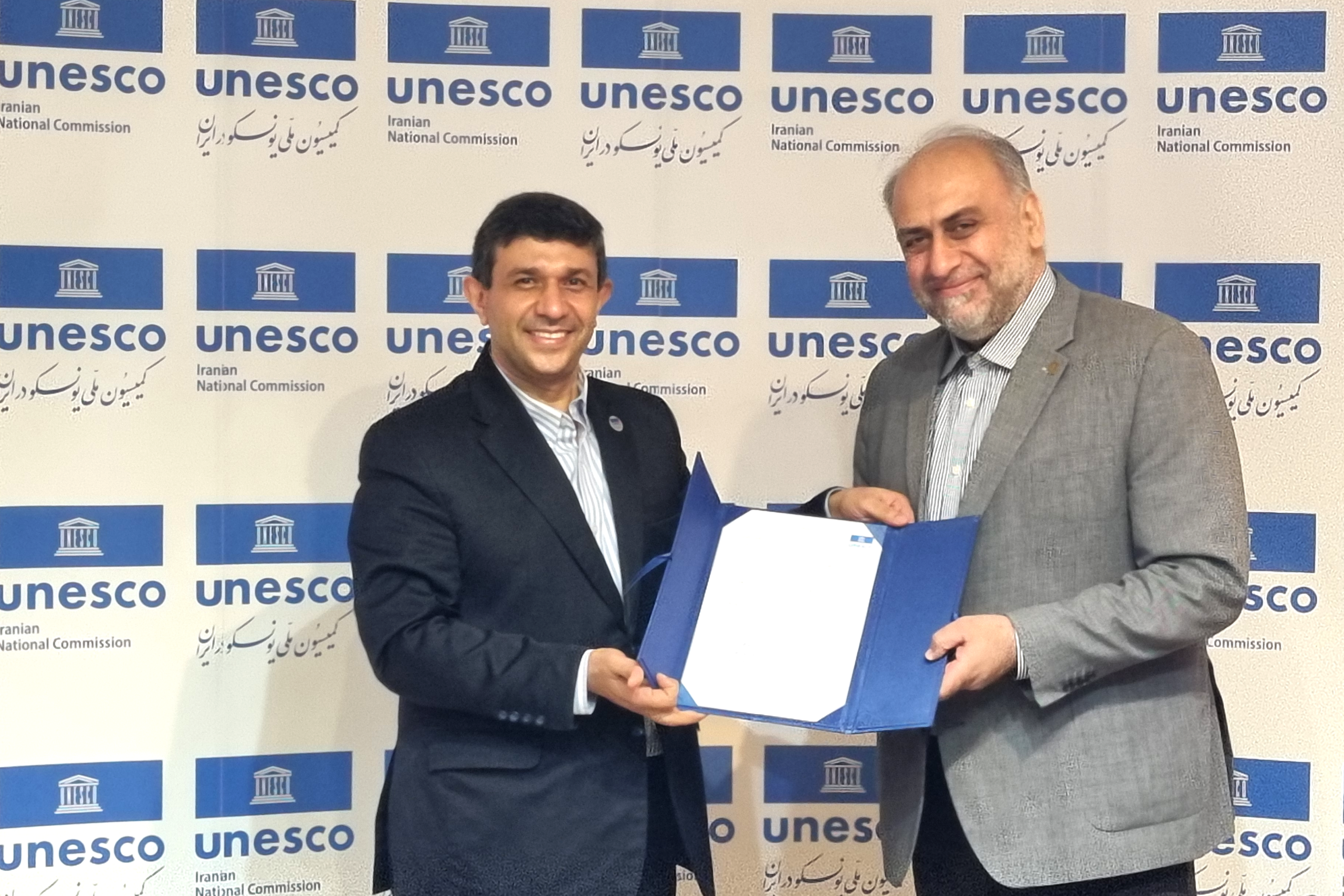
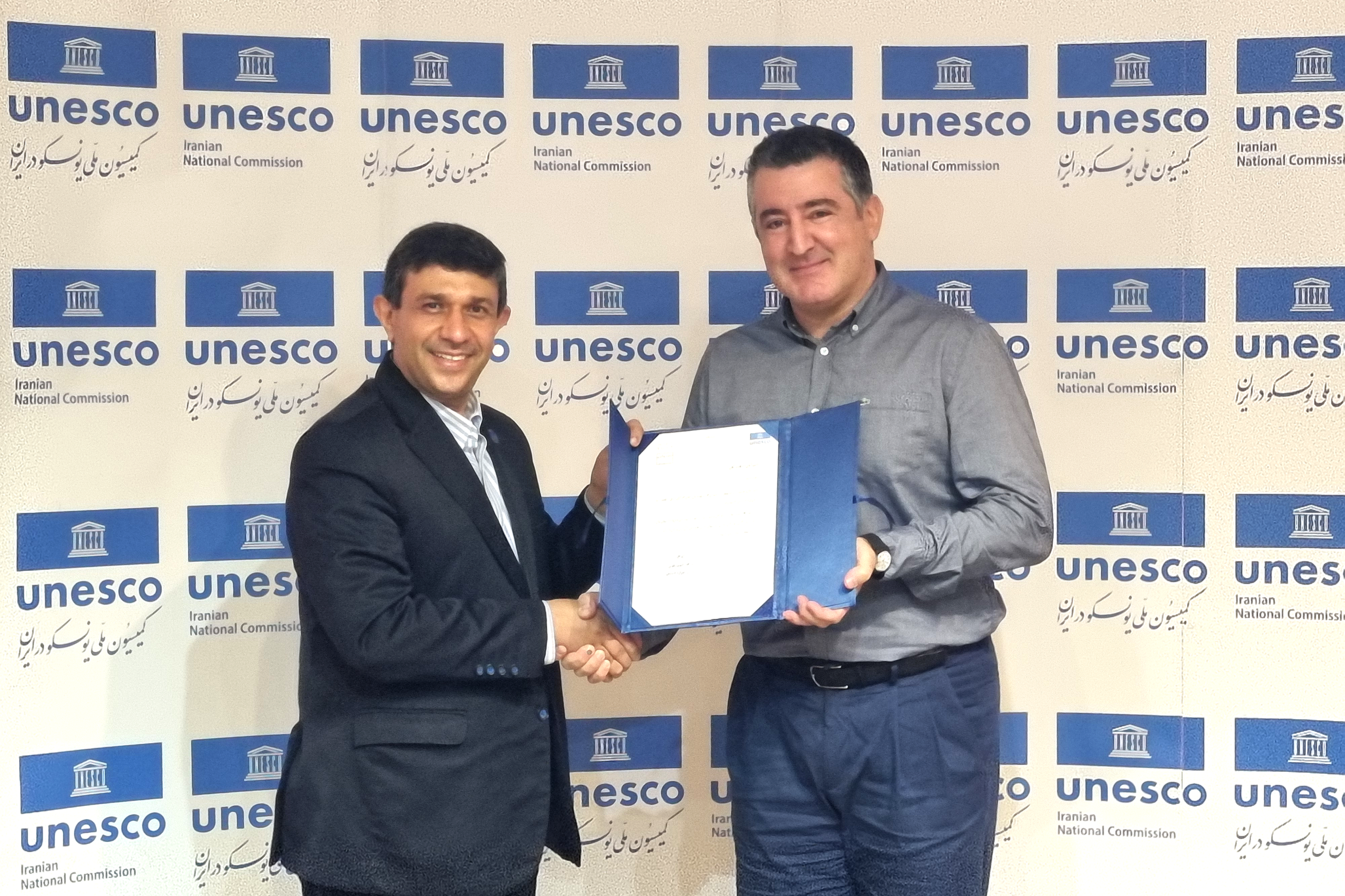
At the conclusion of the meeting, appointment certificates were also presented to the Committee’s individual members, who had been appointed upon the proposal of the Secretary-General and with the approval of the Minister of Science, Research and Technology, in his capacity as President of Iran’s National Commission for UNESCO. The importance of the members’ active participation and of drawing on their academic, executive and professional capacities in developing and implementing the Committee’s future programs was also emphasized.