The First Term of the National Committee for Education Begins with an Emphasis on Educational Equity
| The first meeting of the National Education Committee under the new term of the Iranian National Commission for UNESCO was held with the participation of academics, experts, and senior representatives of executive bodies. During the meeting, the Secretary-General of the Iranian National Commission for UNESCO outlined the Commission’s new approaches, emphasizing the strengthening of Iran’s national leadership in education, science, and culture, the revitalization of networks, and the enhancement of Iran’s role in international engagement. |
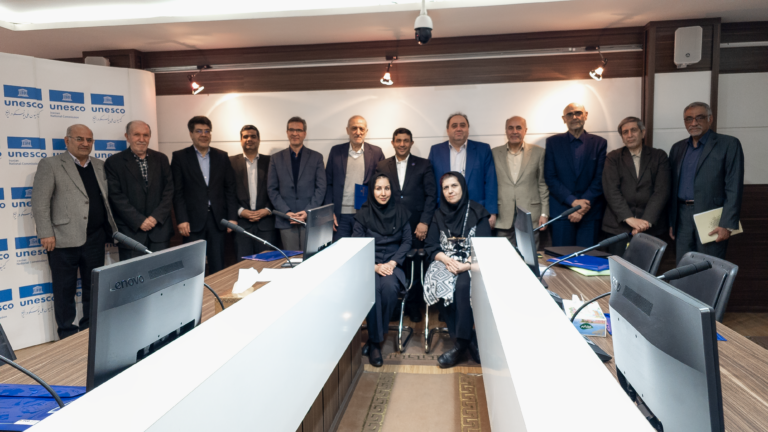
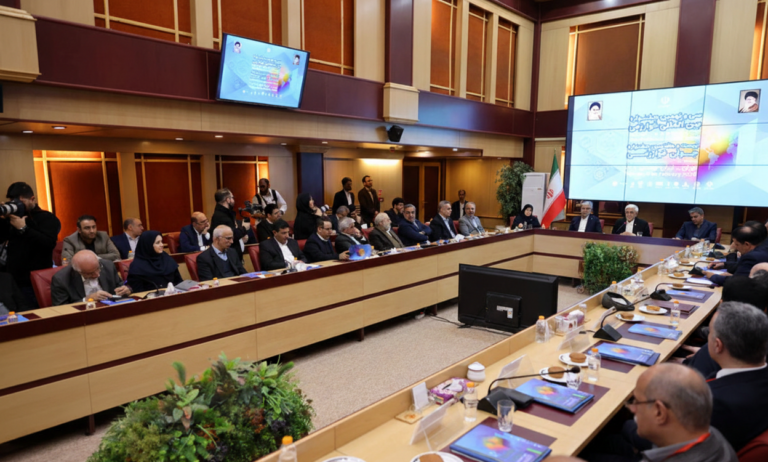
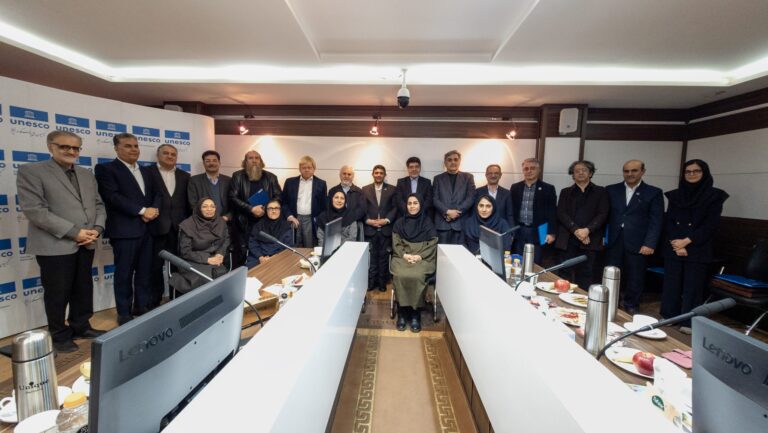
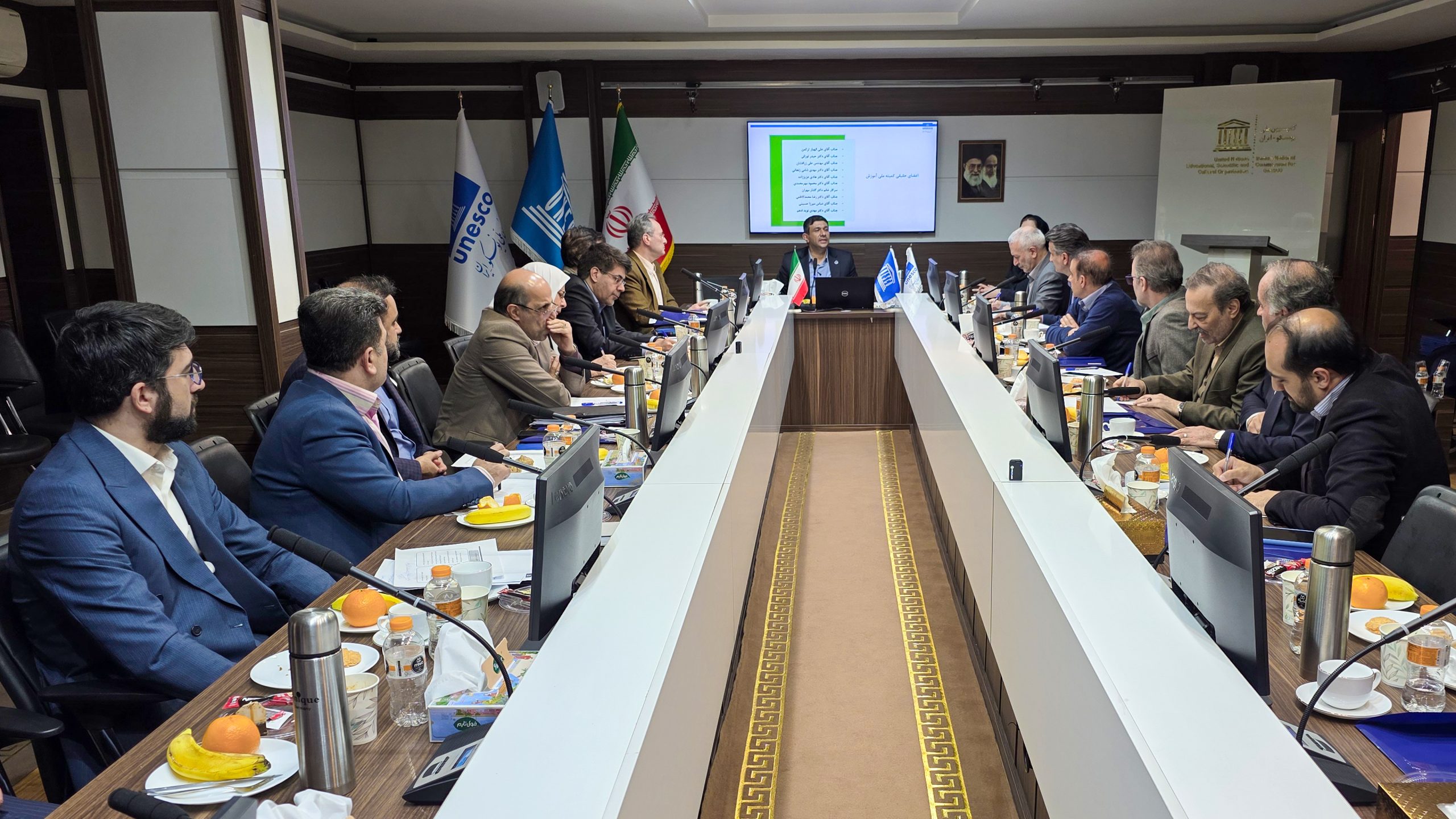
The first meeting of the National Education Committee, held as part of the new term of activities of the specialized committees of the Iranian National Commission for UNESCO, took place on 17 February 2026 at the Commission’s conference hall, with the participation of prominent academic figures, executive officials, and education policymakers.
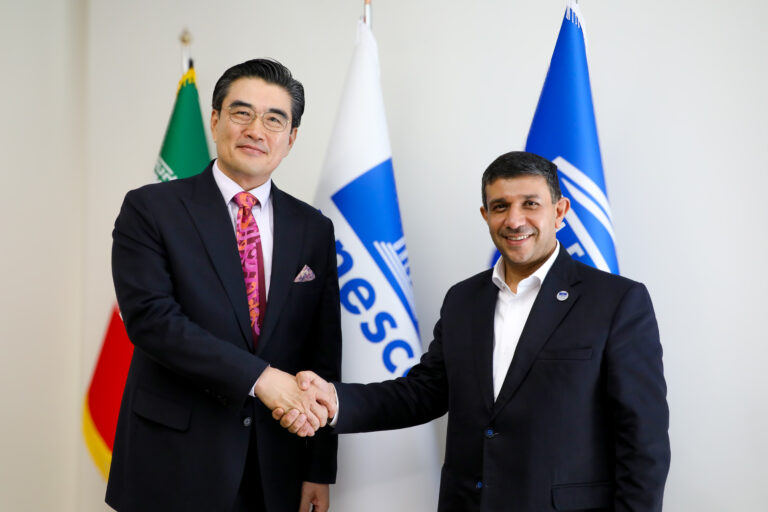
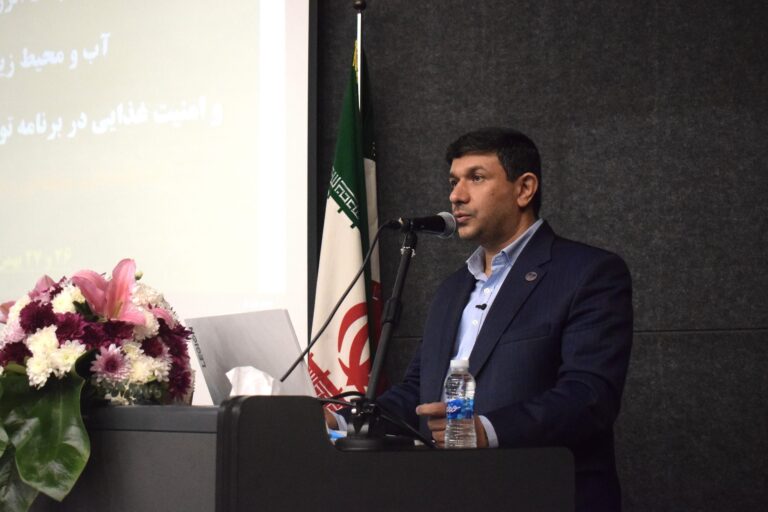
At the meeting, Dr. Hassan Fartousi, Secretary-General of the Iranian National Commission for UNESCO, emphasized the need to reactivate the National Committees after years of inactivity. He stated that the committees should become active intellectual and advisory bodies for the Commission and fulfill their role in addressing the country’s development challenges through clearly defined agendas, specialized membership, and focused meetings.
Restoring National Leadership and Focusing on Strategic Priorities
Referring to the assessment of past interruptions in the activities of some committees, the Secretary-General emphasized that the composition of membership, the participation of distinguished individual experts, and the development of a clear agenda were three key factors in ensuring the committees’ effectiveness. “Our intention is to hold fewer meetings while ensuring that their outcomes are more precise and practical,” he stated.
He continued by outlining four proposed priorities for the National Education Committee in 2026: educational equity, with a focus on women, disadvantaged regions, and persons with special needs; advancing digital education and leveraging emerging technologies; education for sustainable development, with an emphasis on education in emergencies and the link between education and employment; and assessing the feasibility of revitalizing the UNESCO Associated Schools Network while strengthening Iran’s participation in the global network.
Dr. Fartousi stressed that these priorities constituted an initial roadmap and added that their review and further development, with input from the members of the National Education Committee, would be addressed at future meetings.
Strengthening International Engagement
Referring to enhanced engagement with Iran’s Permanent Delegation in Paris and the Ministry of Foreign Affairs, the Secretary-General stated: “In this new term, we have sought to strengthen international confidence in the National Commission through a sound understanding of the international context and institutional synergy, and to reflect the country’s scientific and educational activities across UNESCO’s network of 193 Member States.”
Dr. Fartousi also announced the revival of Payam-e UNESCO magazine after more than a decade of interruption. He noted that ten issues had so far been prepared for electronic publication and explained that the Commission’s new publishing policy was based on translating UNESCO’s outstanding works, supporting publications aligned with the Organization’s standards, and co-publishing with specialized institutions.
Announcement of the Adoption of the New Regulations of the National Education Committee
During the meeting, the new regulations of the National Education Committee were presented pursuant to Articles 15 and 16 of the Statute of the Iranian National Commission for UNESCO. Under these regulations, the National Education Committee serves as one of the Commission’s specialized committees, with objectives including examining national and international capacities and opportunities in education, building capacity and specialized networks, maximizing the use of UNESCO programs at the national level, and providing advisory opinions to the Secretary-General of the Commission.
Under the approved structure, the Committee consists of up to 20 members: ten institutional members and ten individual members. It meets an average of three times a year. The Chair and Vice-Chair are elected by the members for one-year terms, while final approval of the Committee’s resolutions rests with the Secretary-General of the Iranian National Commission for UNESCO.
Emphasizing the Committee’s Advisory Role
In his concluding remarks, the Secretary-General stressed: “The National Commission is an advisory body, but its advice must be effective, knowledge-based, and directed towards transferring the positive experiences of the Islamic Republic of Iran into international frameworks. We act as facilitators and coordinators, and the National Commission for UNESCO will support any standards-based initiative that has an active implementing body.”
The first meeting of the National Education Committee can be viewed as a step towards redefining Iran’s role in global education and advancing towards an equitable, innovative, and forward-looking education system.
It is worth noting that, under the approved regulations of the National Education Committee, its institutional members comprise Ali Darvishi, Head of General and Skills-Based Education Affairs at the Plan and Budget Organization; Ali Khorsandi Taskouh, Head of the Institute for Research and Planning in Higher Education at the Ministry of Science, Research and Technology; Hadi Kiadeliri, Deputy for Education and Public Participation at the Department of Environment of Iran; Ali Latifi, Head of the Organization for Educational Research and Planning at the Ministry of Education; Seyed Mohammad Sadati-Nejad, Director-General of Specialized International Organizations at the Ministry of Foreign Affairs; Seyed Mostafa Azarkish, Deputy Minister of Education for Secondary Education; Abdolreza Fooladvand, Deputy Minister and Head of the Literacy Movement Organization; Mohammad Salimi, Head of the Center for International Affairs and Overseas Schools; Gholamhossein Mohammadi, Deputy Minister and Head of the Technical and Vocational Training Organization; and Alireza Biglari, Director-General for International Cooperation at the Ministry of Health and Medical Education.
The individual members, appointed for two-year terms in accordance with the regulations, are Mahmoud Mehrmohammadi, Golnar Mehran, Reza Mohammad Kazemi, Abbas Mirza Hosseini, Mehdi Navid-Adham, Ali Allahyar Turkman, Heydar Tourani, Ali Zare’ Zadeh, Mehdi Shami Zanjani, and Hadi Aziz-Zadeh.
In the final part of the meeting, elections for the Committee’s executive board were held in accordance with the new regulations. Based on the members’ votes, Dr. Hadi Aziz-Zadeh was elected Chair and Mohammad Salimi was elected Vice-Chair of the National Education Committee. The Committee appointment certificates, signed by the Minister of Science, Research and Technology and President of the Iranian National Commission for UNESCO, were also presented to the members.