UNESCO Must Strengthen Mechanisms to Support Scientists
The Secretary-General of Iran’s National Commission for UNESCO called at UNESCO Headquarters for the development of an emergency protocol and stronger protection for scientists through the advancement and adoption of an appropriate resolution in times of crisis. |
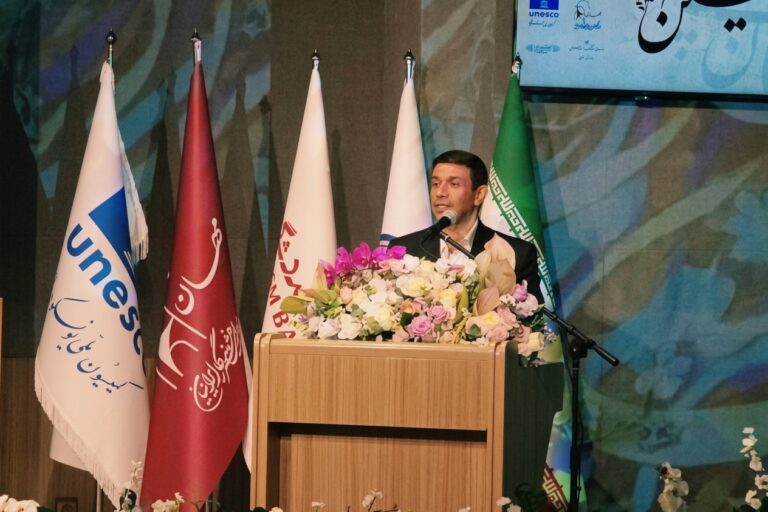
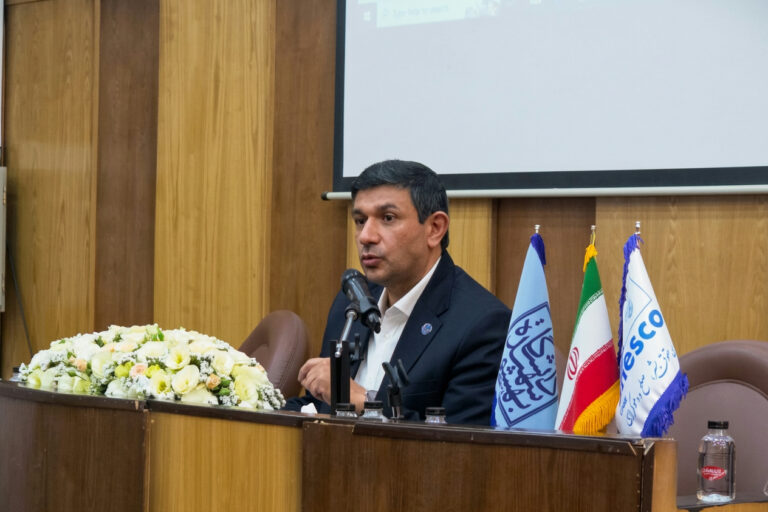
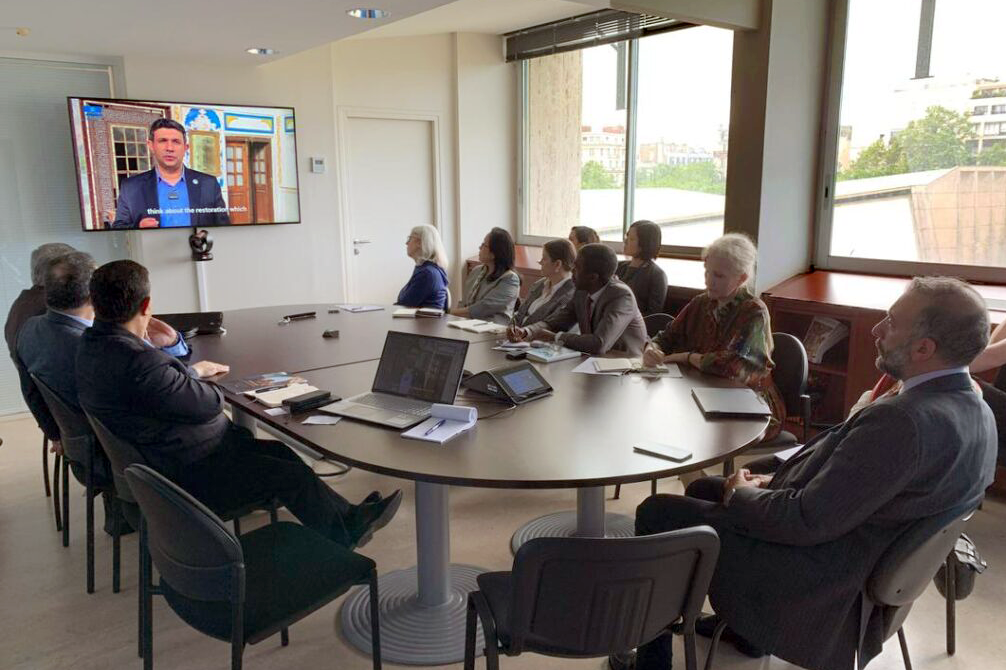
Dr. Hassan Fartousi, Secretary-General of Iran’s National Commission for UNESCO, called for the development of emergency protocols, stronger declarations and resolutions to ensure the safety and protection of scientists, emphasizing the need to strengthen mechanisms for supporting them in times of crisis and war. He made these remarks at the second Policy Dialogue on “Freedom and Safety of Scientists,” held at UNESCO Headquarters in Paris from 7 to 10 June 2026.
According to the Public Relations Office of Iran’s National Commission for UNESCO, Dr. Fartousi stressed the need to review existing instruments for protecting the freedom and safety of scientists, stating: “Now is the time to take another look and strengthen our instruments concerning the safety and freedom of scientists. Particularly in such critical circumstances and during wartime, we need to formulate clear declarations and perhaps resolutions to establish scientific institutions as zones of peace and safety, and to recognize scientists as protected individuals who can work in safety.”
Referring to UNESCO’s experience in educating and protecting journalists, he added: “Fortunately, within our organization, UNESCO, we have valuable experience in educating and protecting journalists. By drawing on the relevant experiences and resolutions in this field, we can take appropriate action to protect the well-being, safety and freedom of scientists.”
The Secretary-General of Iran’s National Commission for UNESCO also proposed developing specific guidelines or a protocol for emergency situations within the UNESCO framework. He stated: “We should have a set of emergency guidelines or a protocol that clarifies how the process could work. I believe this is an issue that we must all consider so that it can be given an appropriate place within UNESCO and we can establish and consolidate these guidelines on the basis of ‘soft law.’”
He continued: “Since this issue concerns emergency situations and saving human lives, there is also a need for a form of ‘hard law’ that incorporates binding legal obligations.”
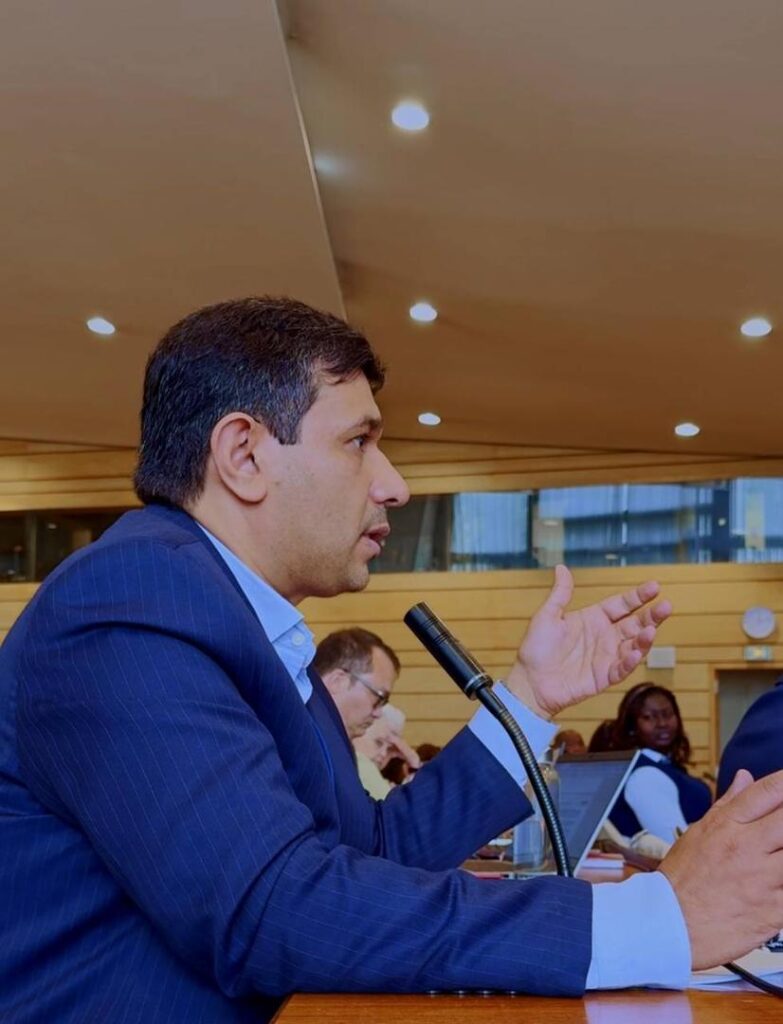
Dr. Fartousi continued by posing a question to the participants: “In your view, what outcome could we achieve and propose to the relevant bodies, including the Executive Board and other bodies, intergovernmental committees and Member States, to help strengthen these instruments? More specifically, what practical, step-by-step measures do you believe are needed to achieve this level of protection?”
These questions and proposals were raised as part of the expert discussions at the second Policy Dialogue on “Freedom and Safety of Scientists,” held at UNESCO Headquarters in Paris. The meeting focused on examining ways to strengthen academic freedom, support scientists and establish effective mechanisms to protect them in critical and high-risk situations.