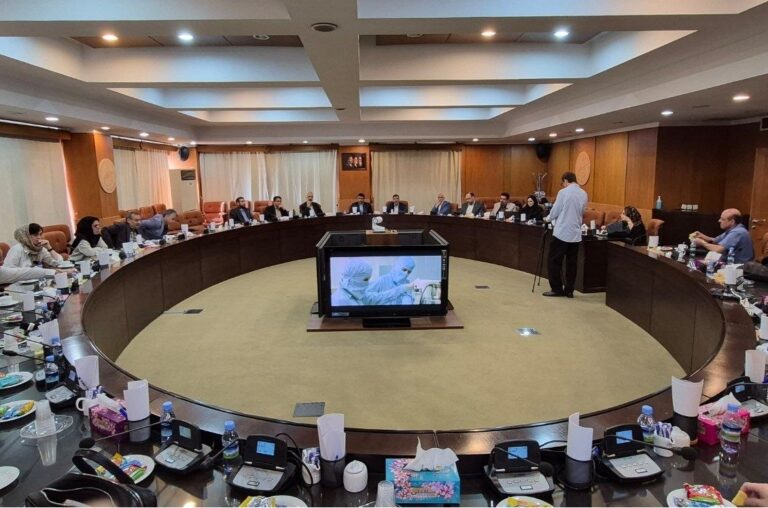
Visit by the Secretary-General of the Iranian National Commission for UNESCO to the Sa’dabad Cultural-Historical Complex Following Recent American–Israeli Attacks
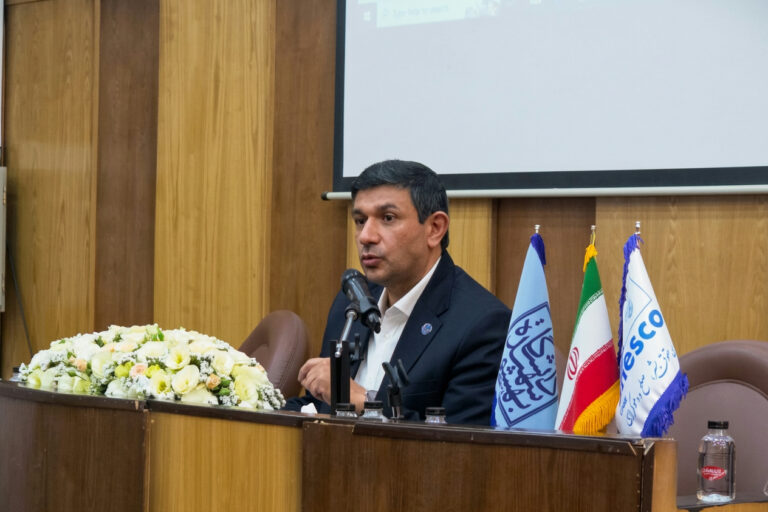
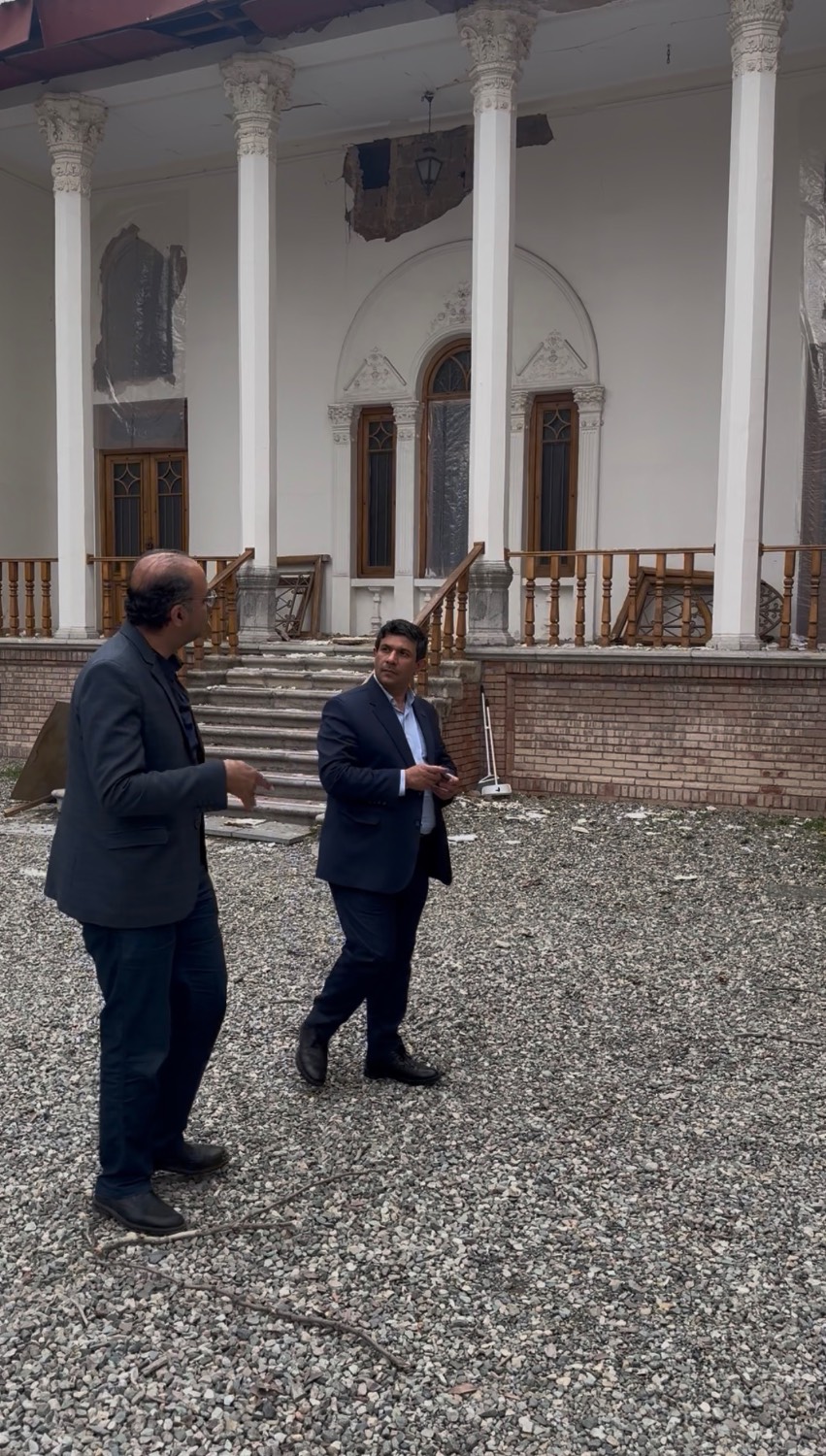
| Following the attack on the Sa’dabad Cultural-Historical Complex in the early hours of Tuesday, 17 March 2026, the complex’s historic buildings sustained significant damage. Yesterday, 23 March 2026, Dr. Hassan Fartousi, Secretary-General of the Iranian National Commission for UNESCO, visited the complex to document the damage and report it to UNESCO. |
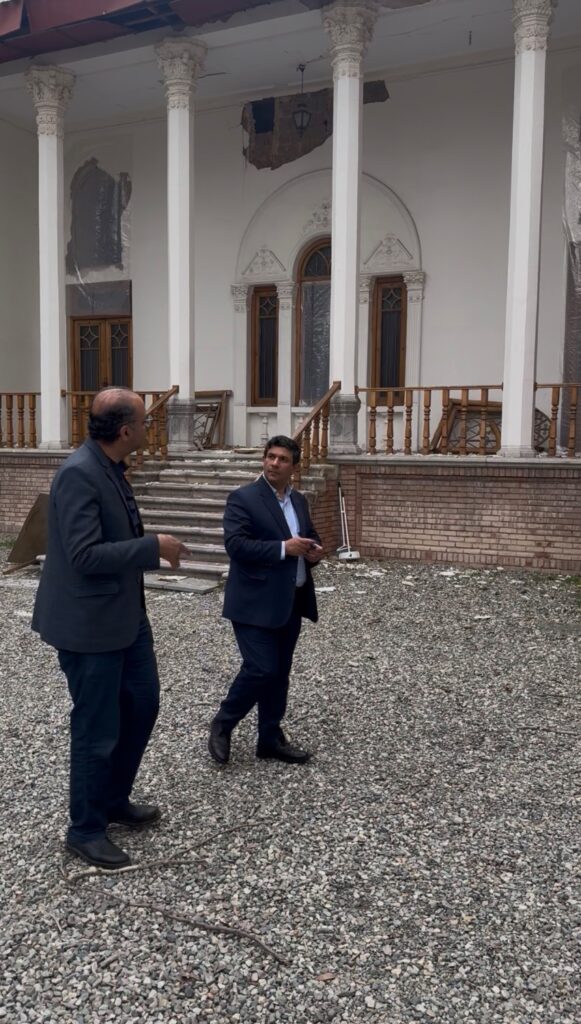
In the early hours of Tuesday, 17 March 2026, the Sa’dabad Cultural-Historical Complex, the largest cultural and historical complex in Iran, came under attack. Multiple explosions and the resulting shrapnel caused considerable damage to the complex’s historic buildings. The attack occurred despite the complex’s compliance with national and international protection standards and the display of the Blue Shield emblem.
Details of the Damage
The damage to Sa’dabad’s historic buildings, which comprise approximately 100 buildings of various sizes and 15 palace museums and museums, has been extensive. The main forms of damage include shattered windows, damage to walls and roofs, damage to interior decorations, the dislodging of wooden doors and windows, and damage to tiled and metal roofs.
Damage to Palaces Near the Site of the Incident
The damage to three palaces near the site of the incident has been particularly severe. These are the Green Palace Museum, the oldest palace in the complex, dating back more than a century and housing a unique collection of traditional Iranian arts; Vali Mansion, the oldest section of the complex, dating to the mid-Qajar period; and the Omidvar Brothers Museum, the only museum of travel and exploration in Iran. In some cases, structural damage has also been observed.
Other museums and buildings have also sustained serious damage, including the Museum of Fine Arts, the Nation’s Palace Museum, the Master Farshchian Museum, the Royal Dishes Museum, the Royal Clothing Museum, the Royal Weapons Museum, Bahman Palace, the Behzad Museum, the Public Relations Office, the library building, and the Darband ticket office. The damage to the remaining 12 museums and approximately 85 other buildings of various sizes includes shattered windows, roof damage, dislodged doors and windows, and damage to tiled and metal roofs.
Condition of Historical Objects
Fortunately, historical objects and artifacts had been transferred to secure storage facilities, and no damage to these collections has been reported to date. They remain safe.
The Sa’dabad Cultural-Historical Complex houses approximately 200,000 historical objects, making its collection comparable in scale to the collections of 15 of the country’s major museums. The complex welcomes approximately two million domestic and international visitors annually and holds exceptional historical, cultural, and artistic value.
Over the past two years, approximately 90 percent of the problems affecting the complex’s buildings had been addressed, reflecting the special attention given to the restoration and protection of historic sites by the 13th administration. Dr. Fartousi’s visit to the complex and the documentation of the damage constitute an important step towards pursuing the matter through international channels and seeking redress for the losses incurred.