Women Athletes with Disabilities in Iran: Lived Experiences, Resilience, and Equal Opportunities
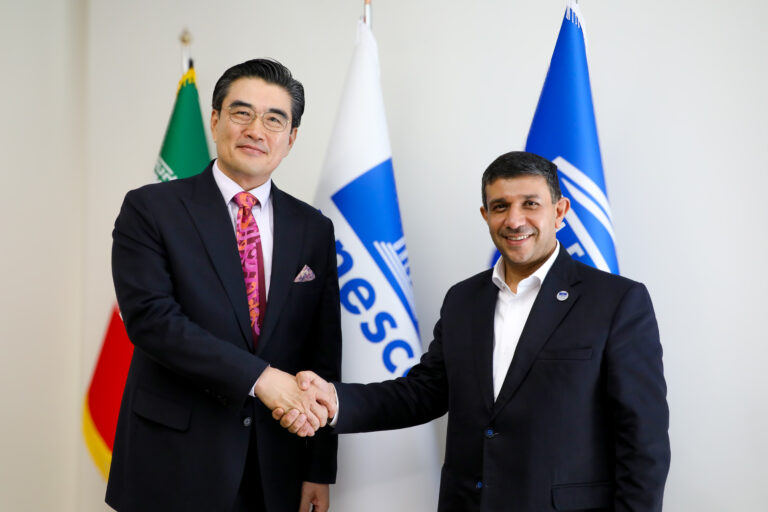
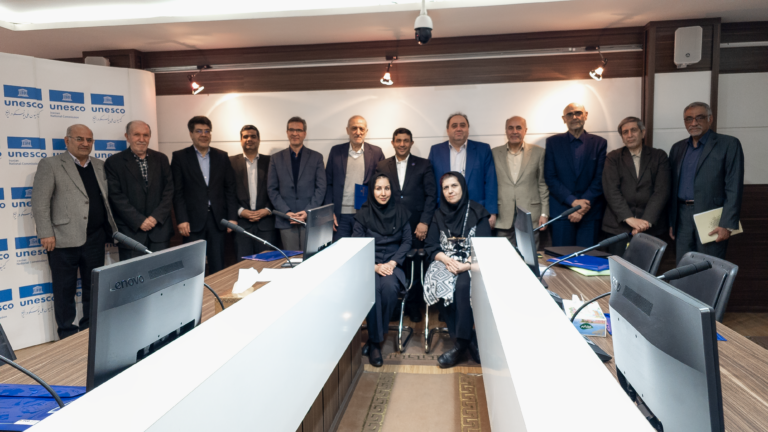
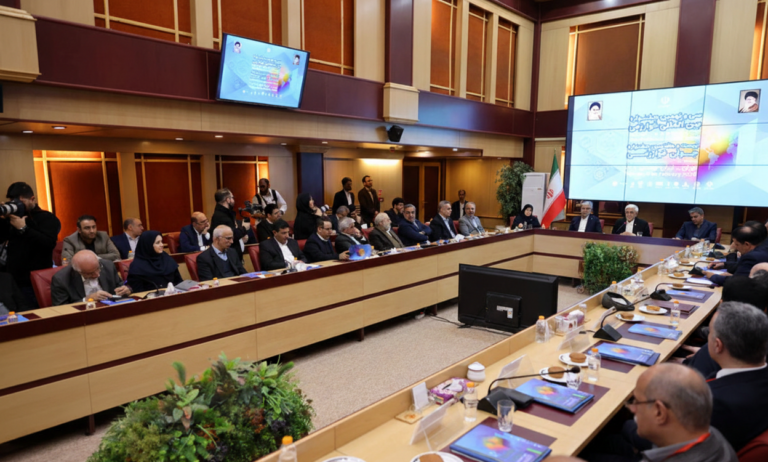
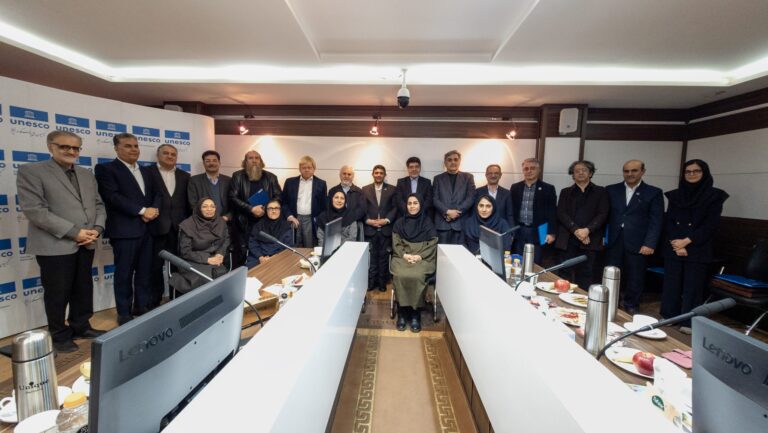
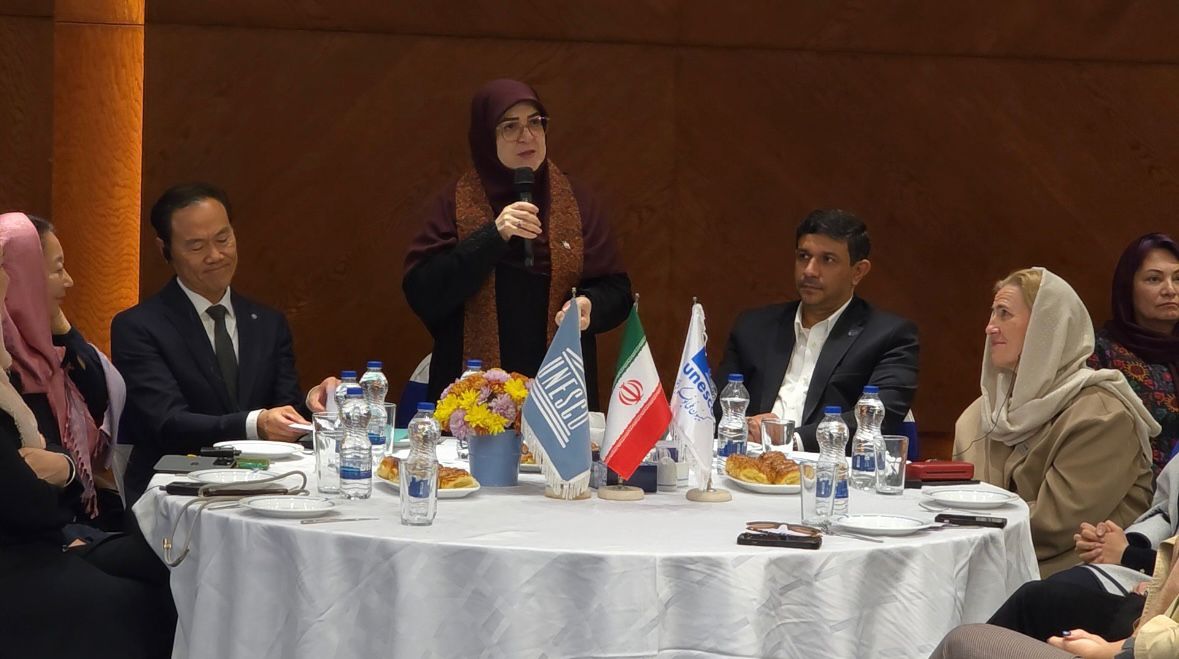
A gathering on the lived experiences of women athletes with disabilities was held today, Wednesday, 17 December 2025, at Sadaf Hall of the Homa Hotel in Tehran. Organized by the Iranian National Commission for UNESCO, the UNESCO Tehran Office, and organizations of persons with disabilities, the event was attended by Dr. Hassan Fartousi, Secretary-General of the Iranian National Commission for UNESCO; Dr. Fatemeh Mohajerani, Government Spokesperson; Yang Srang, Head of the UNESCO Tehran Office; and Dorina Jitaru, UNICEF Representative in Iran. It provided an opportunity to hear firsthand accounts from women and girls with disabilities and their families. |
Women Athletes with Disabilities: Lived Experiences, Resilience, and Equal Opportunities in Iran
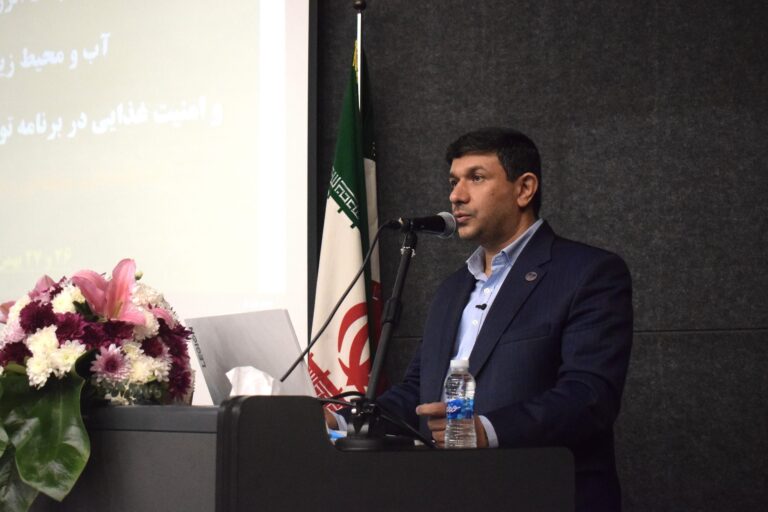
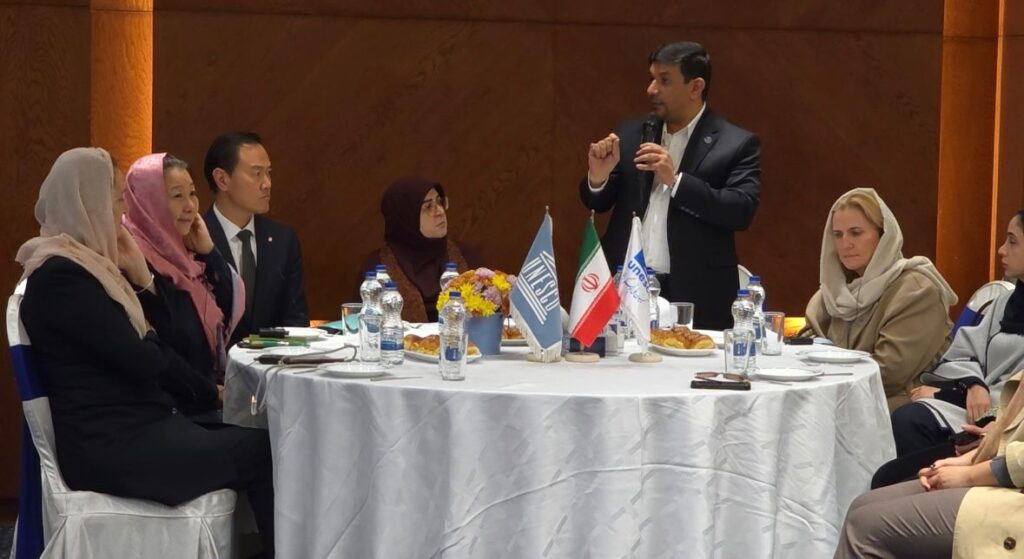
At the opening of the gathering, which focused on the lived experiences of women athletes with disabilities and brought together representatives of national and international institutions, persons with disabilities and their families, and social activists, Dr. Hassan Fartousi, Secretary-General of the Iranian National Commission for UNESCO, emphasized the need to embrace differences, avoid discriminatory attitudes, and uphold human dignity at every level of society.
Expressing his appreciation for the presence of guests, representatives of international agencies and civil society organizations, and colleagues from the UNESCO Tehran Office and the Iranian National Commission for UNESCO, Dr. Fartousi also commended the role of the National Paralympic Committee of the Islamic Republic of Iran and the Ministry of Science’s Institute of Physical Education and Sport Sciences in leading the specialized panels at the gathering.
Dr. Fartousi stated that being human is inseparable from imperfection and vulnerability, and that no human being is entirely free from these characteristics. He added that dividing people into those who “have” and those who “do not have” in terms of physical and mental abilities reflects a superficial outlook. What distinguishes people from one another, he explained, is their determination to live consciously and humanely.
Drawing on aspects of his own lived experience, the Secretary-General of the Iranian National Commission for UNESCO emphasized the value of the present moment, conscious living, and a deeper understanding of humanity. He stated: “What matters today is our choice to live with our circumstances as they are, rather than waiting for a perfect situation in life that may never come.”
In another part of his remarks, Dr. Fartousi addressed the social responsibilities of decision-makers and executive bodies, calling for greater attention to public accessibility, the adaptation of buildings to the needs of persons with disabilities, and the provision of communication services for people with diverse needs, including sign language translation specialists. He described these measures as part of the genuine commitment to social justice.
Referring to an example of artistic creation by people with hearing impairments, Dr. Fartousi also stressed that differences in perception and experience should not be viewed as deficiencies, but rather as opportunities to enrich society’s cultural and human understanding and to draw on that richness.
Emphasizing the presence and support of media professionals, he highlighted the media’s important role in amplifying the voices of underrepresented groups and promoting a humane, inclusive, and equitable outlook in society. He expressed hope that such dialogues would strengthen social solidarity and mutual understanding.
Embracing Differences and Empowering Women with Disabilities
Dr. Fatemeh Mohajerani, Government Spokesperson, then praised the professional delivery of the event and thanked the capable moderator, who was herself a person with a disability. She said: “I would like to thank the highly capable moderator, who opened the gathering so effectively and helped shape the course of the discussion.”
Dr. Mohajerani drew attention to a circumstance over which people generally have no control: the conditions into which they are born. She noted that people do not choose where they are born, which country they are born in, their appearance, or their circumstances. These are matters beyond their control and may be considered part of their fate. What remains within their control, she emphasized, is the course of their lives.
Referring to Friedrich Nietzsche’s statement, “He who has a why to live can bear almost any how,” the Government Spokesperson stressed that this idea is particularly relevant to people who live with differences and limitations.
Dr. Mohajerani continued that persons with disabilities may face severe limitations, particularly when they are both women and persons with disabilities. This combination creates multiple and overlapping challenges for women with disabilities, placing a significantly heavier burden on them than on others. “As women, we understand what it truly means to be a minority in many fields, particularly in management. When disability is added to this, the limitations increase cumulatively,” she said.
She also emphasized the importance of hearing the stories of people who have managed to break through the boundaries of limitation and transform themselves from a marginalized group perceived as incapable into one recognized for its abilities. She added: “These dear individuals have repeatedly faced judgmental attitudes, fallen down, and risen again. Hearing their experiences is not only instructive; it also reminds us that we should not simply feel pity for persons with disabilities. Instead, we must recognize their abilities and help them realize their full potential.”
Dr. Mohajerani further explained that successful persons with disabilities had first accepted their circumstances, moved beyond denial, and then explored their inner strengths to shape their own paths towards growth. One of the defining characteristics of people who have achieved great success under difficult circumstances, she noted, is their ability to acknowledge their reality and identify and draw on their inner capabilities.
In closing, Dr. Mohajerani expressed pride in the achievements of Iranian girls in various fields of sports, art, and science. “We are proud to live in a country whose capable girls have made outstanding contributions across many disciplines,” she said.
She also emphasized the need to cooperate with international institutions to exchange experiences between Iran and other countries, adding that the world would become a better place when differences are recognized and individual abilities respected.
Lived Experiences of Women Athletes with Disabilities: Connecting the Global Message of Inclusion with Everyday Life
Yang Srang, Head of the UNESCO Tehran Office, addressed representatives of government institutions, international organizations, civil society, athletes, and other guests, stating: “Today’s focus on the lived experiences of women athletes with disabilities connects the global message of inclusion with everyday life. Women with disabilities face complex barriers arising from gender, disability, and social expectations. Inclusive sports gives meaning to empowerment, representation, and equal opportunities.”
He added that UNESCO works through its programs to remove barriers and combat discrimination. Inclusion, he emphasized, is not merely a principle but a fundamental value that must run through all programs, including education, culture, sports, and crisis management. Listening to lived experiences is essential because policies and programs are effective when they are informed by the voices of the people they are intended to serve.
Yang Srang also referred to an experience at the unveiling of the National Guidelines for Earthquake Preparedness, Response, and Recovery for Children with Disabilities. He said the initiative demonstrated a serious commitment to inclusive crisis management and underscored the importance of beginning inclusion at an early age.
The Role of Organizations of Persons with Disabilities in Shaping Inclusive Policies and Programs
Dorina Jitaru, UNICEF Representative in Iran, stated that the gathering was not merely a celebration of sporting achievements, but also a recognition of the profound experiences of women and girls with disabilities and their families. In Iran and around the world, she noted, women and girls with disabilities face numerous barriers to participation. However, with the leadership of organizations of persons with disabilities, they are able to demonstrate their talents, leadership, and voices.
She added that sports fosters a sense of belonging, nurtures identity, and opens pathways to education, employment, and fuller participation in society. Organizations of persons with disabilities play a vital role in shaping inclusive policies and programs and amplifying the voices of those who are often unheard.
Two Specialized Panels on Athletes’ and Families’ Experiences: Challenges, Support, and Moments of Success
Two specialized panels were subsequently held, focusing on athletes’ experiences and family perspectives.
The first panel, moderated by Dr. Mahboubeh Khallouq, Chair of the Board of Directors and Managing Director of the Borna Charity Association, featured remarks by Masoud Ashrafi, adviser to the National Paralympic Committee. The discussion addressed pathways into sports, experiences of discrimination, support needs, and moments of success.
The second panel, moderated by Dr. Fariba Mohammadi, Head of the Institute of Physical Education and Sport Sciences at the Ministry of Science, featured remarks by Dr. Bahar Azar, an activist in the field of disability. It focused on social challenges, cultural pressures, support policies, and ways to strengthen family and community support.
Persons with disabilities then shared their lived experiences, followed by a question-and-answer session and the screening of a video clip.
Emphasizing Social Responsibility and the Empowerment of Persons with Disabilities
At the conclusion of the gathering, the Secretary-General of the Iranian National Commission for UNESCO highlighted the importance of recognizing sustained and impactful efforts to empower persons with disabilities. Emphasizing that every successful individual present owed much to those who had served as coaches and supporters behind the scenes, he stated: “These individuals who have achieved success may initially have had abilities in other fields, but they chose to become teachers and coaches and to help others along this path.”
He also commended those who had created suitable environments and opportunities for persons with disabilities, expressing particular appreciation for civil society organizations and charitable institutions working in this area.
Dr. Fartousi further thanked the media for their role in highlighting this movement and fostering public dialogue, adding: “You are the ones who convey these messages to society and help disseminate them more widely.”
He expressed his gratitude to all those who had supported the event, including colleagues from UNESCO and the Iranian National Commission for UNESCO. “We thank all our colleagues who took part in this program. Through your support and oversight, you enabled us to organize this event with confidence and peace of mind,” he said.
A Better World through a More Inclusive Society
Yang Srang, Head of the UNESCO Tehran Office, concluded by expressing his admiration for the gathering and its impact on participants, highlighting the importance of building a more inclusive society for persons with disabilities. He said: “You joined us in a simple yet powerful way, and this taught us all a great deal about how adaptable and resilient persons with disabilities are.”
He continued: “On behalf of UNESCO, we will continue our efforts to build a more inclusive society in Iran and around the world. If we live in a world where persons with disabilities are overlooked, we have yet to achieve a true understanding of humanity.”
At the end of the gathering, attendees were invited to visit an exhibition showcasing the works and experiences of persons with disabilities and to recognize those whose efforts had enriched the program.
Iran and UNESCO’s Commitment to Equal Opportunities for Persons with Disabilities
It is worth noting that, at UNESCO’s 43rd General Conference in Samarkand in November 2025, Iran’s commitment to implementing national programs aligned with UNESCO’s strategy for creating equal opportunities for persons with disabilities was emphasized. The stated objective was to ensure the full participation of persons with disabilities, including those with physical and intellectual disabilities, in society and to provide them with equal opportunities to grow and thrive.
The Islamic Republic of Iran is also developing a national program focused on promoting equal opportunities for persons with disabilities in sports, culture, and public awareness.
To watch a video clip of the gathering, click here.