

Advancing Scientific and Cultural Diplomacy: A Key Objective of the National Commission for UNESCO
On the occasion of Rasht Week, the first and largest exhibition of cafés, restaurants and related industries was inaugurated on 18 December 2024 at the permanent exhibition centre of Gilan International Fairgrounds. The opening ceremony was attended by Dr Hasan Fartousi, Secretary-General of the Iranian National Commission for UNESCO; Mohammad-Hassan Ranjbaran, Adviser to the Minister of Foreign Affairs; Hadi Hagh-Shenas, Governor-General of Gilan Province; Rahim Shoqi, Mayor of Rasht; Mohammad-Hossein Vaseq Kargarniya, Chair of the Islamic City Council of Rasht, and members of the Council; Kim Jun-pyo, Ambassador of the Republic of Korea; Khairi Omar, Ambassador of Malaysia; Nurdin Mohamed, Ambassador of Sri Lanka; Horvath Christian, Consul of Romania; Saad Khan, Head of the Cultural Centre; Jasur Rajabov, Director of Tourism at the Economic Cooperation Organization (ECO) in Tehran; Mohammad Jafari Malek, Head of the Cultural Coordination Centre of the Asia Cooperation Dialogue; Ali Yarmohammadi, Representative for South and Southeast Asia; Hamidreza Gholamzadeh, Secretary-General of the Asian Mayors Forum; and a number of provincial and municipal officials. The exhibition continued for three days.
The exhibition featured modern café and restaurant equipment, related handicrafts, innovations in gastronomy, local products and handicrafts across various booths.
The event was held with the aim of introducing the capacities and capabilities of the café, restaurant and related industries, promoting gastronomy culture, and consolidating Rasht’s position as Iran’s first UNESCO Creative City of Gastronomy.
Dr Hadi Hagh-Shenas, Governor-General of Gilan Province, expressed his satisfaction at the opening of the largest exhibition of cafés, restaurants and related industries in Rasht and said: “I welcome and congratulate all the ambassadors of foreign countries attending this exhibition, and I hope that we will be able to introduce Gilan’s capacities to them.”
Referring to Gilan’s considerable potential in ecotourism, he said: “Water, air and soil are three very important elements of life. In Gilan, rainfall is one and a half times the global average, and we should make the most of this opportunity.”
The Governor-General of Gilan identified introducing the province’s capacities in various fields as one of the objectives of holding the exhibition, adding that the exhibition was organized to showcase the province’s capabilities, foster links between producers and traders, and promote familiarity with marketing principles.
A wide range of food-industry stakeholders participated in the event, including associations and unions representing restaurants, cafés, coffee shops and traditional restaurants, as well as businesses and industries related to restaurant and café furniture design, food products, kitchen equipment and supplies, food and beverage vendors, software and accounting service providers for food-sector businesses, disposable products, financial services, protein products, spices, dairy products, coffee and other related sectors.
In addition to exhibitors participating through exhibition booths, the Rasht Café and Restaurant Exhibition featured a variety of cultural programs, including competitions, specialized meetings and training workshops, with the participation of prominent figures and leading national and provincial judges from the food and beverage industry.
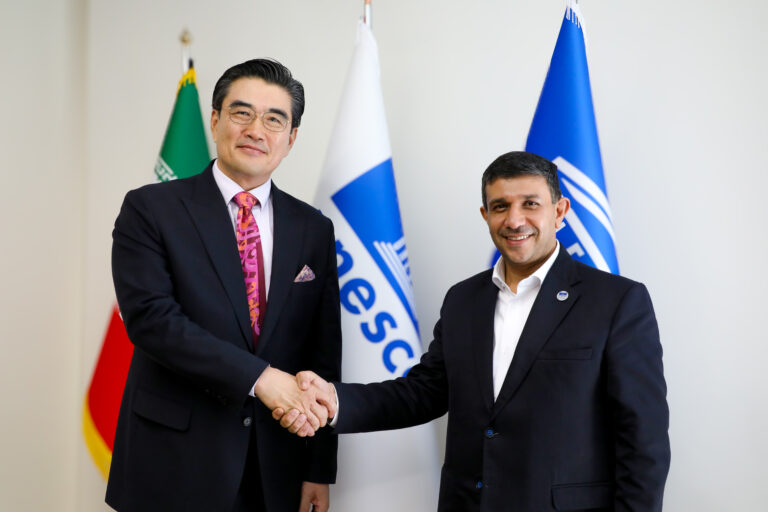
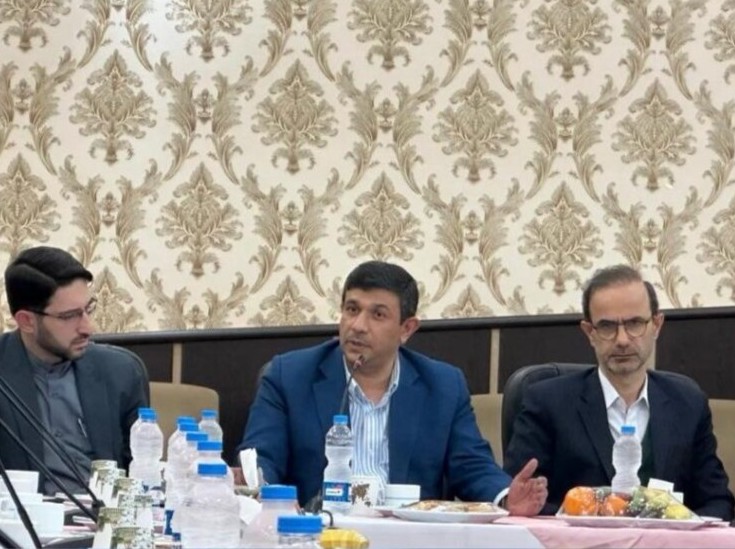
On the sidelines of the opening ceremony, during a meeting between foreign ambassadors, the Mayor of Rasht and the Secretary-General of the Iranian National Commission for UNESCO, Dr. Hasan Fartousi, Secretary-General of the National Commission, highlighted the importance of preserving cultural diversity and local traditions and emphasized the vital role of the UNESCO Creative Cities Network in promoting these objectives.
He stated: “The Iranian National Commission for UNESCO stands fully ready to support Creative Cities, their cultural projects and initiatives, and to pursue the necessary cooperation with UNESCO and other national and international institutions. Our aim is to ensure that Iran’s rich and diverse cultural heritage is not only effectively preserved, but also recognized and promoted at the global level.”
Dr. Fartousi also emphasized the important role of the National Commission in facilitating and coordinating relations between national organizations and UNESCO, noting that one of the key objectives of the organization is to advance scientific and cultural diplomacy.
He stated that, with the aim of strengthening and expanding international cooperation, the National Commission continuously seeks to create opportunities for dialogue and cultural and scientific exchange among different countries through UNESCO programs and initiatives.
The Secretary-General of the Iranian National Commission for UNESCO concluded by emphasizing that cultural diplomacy is particularly important at a time when the world is facing numerous challenges and can play an effective role in strengthening global understanding and solidarity.
The exhibition featured modern café and restaurant equipment, related handicrafts, innovations in gastronomy, local products and handicrafts across various booths.
The event was held with the aim of introducing the capacities and capabilities of the café, restaurant and related industries, promoting gastronomy culture, and consolidating Rasht’s position as Iran’s first UNESCO Creative City of Gastronomy.
Dr Hadi Hagh-Shenas, Governor-General of Gilan Province, expressed his satisfaction at the opening of the largest exhibition of cafés, restaurants and related industries in Rasht and said: “I welcome and congratulate all the ambassadors of foreign countries attending this exhibition, and I hope that we will be able to introduce Gilan’s capacities to them.”
Referring to Gilan’s considerable potential in ecotourism, he said: “Water, air and soil are three very important elements of life. In Gilan, rainfall is one and a half times the global average, and we should make the most of this opportunity.”
The Governor-General of Gilan identified introducing the province’s capacities in various fields as one of the objectives of holding the exhibition, adding that the exhibition was organized to showcase the province’s capabilities, foster links between producers and traders, and promote familiarity with marketing principles.
A wide range of food-industry stakeholders participated in the event, including associations and unions representing restaurants, cafés, coffee shops and traditional restaurants, as well as businesses and industries related to restaurant and café furniture design, food products, kitchen equipment and supplies, food and beverage vendors, software and accounting service providers for food-sector businesses, disposable products, financial services, protein products, spices, dairy products, coffee and other related sectors.
In addition to exhibitors participating through exhibition booths, the Rasht Café and Restaurant Exhibition featured a variety of cultural programs, including competitions, specialized meetings and training workshops, with the participation of prominent figures and leading national and provincial judges from the food and beverage industry.
On the sidelines of the opening ceremony, during a meeting between foreign ambassadors, the Mayor of Rasht and the Secretary-General of the Iranian National Commission for UNESCO, Dr. Hasan Fartousi, Secretary-General of the National Commission, highlighted the importance of preserving cultural diversity and local traditions and emphasized the vital role of the UNESCO Creative Cities Network in promoting these objectives.
He stated: “The Iranian National Commission for UNESCO stands fully ready to support Creative Cities, their cultural projects and initiatives, and to pursue the necessary cooperation with UNESCO and other national and international institutions. Our aim is to ensure that Iran’s rich and diverse cultural heritage is not only effectively preserved, but also recognized and promoted at the global level.”
Dr. Fartousi also emphasized the important role of the National Commission in facilitating and coordinating relations between national organizations and UNESCO, noting that one of the key objectives of the organization is to advance scientific and cultural diplomacy.
He stated that, with the aim of strengthening and expanding international cooperation, the National Commission continuously seeks to create opportunities for dialogue and cultural and scientific exchange among different countries through UNESCO programs and initiatives.
The Secretary-General of the Iranian National Commission for UNESCO concluded by emphasizing that cultural diplomacy is particularly important at a time when the world is facing numerous challenges and can play an effective role in strengthening global understanding and solidarity.
Tags