Iran’s Voice of Architecture, Peace and Creativity to the World
| Secretary-General of the Iranian National Commission for UNESCO: “When people decide to live by the concept of creation, that is when creativity comes to fruition.” |

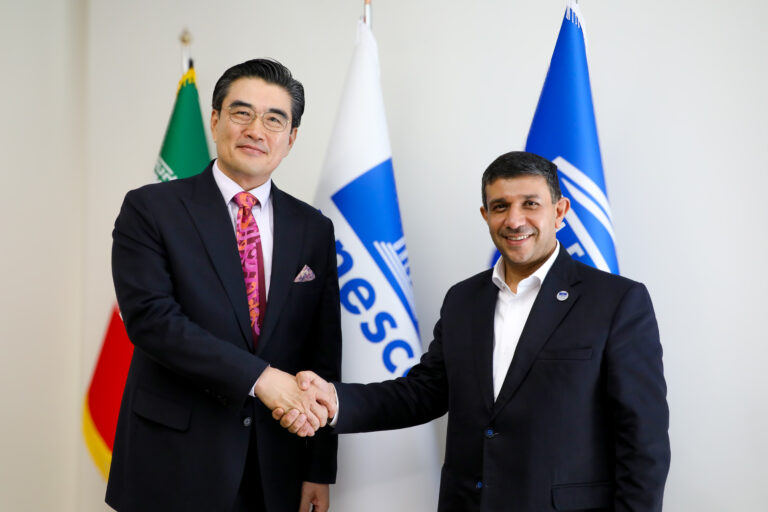
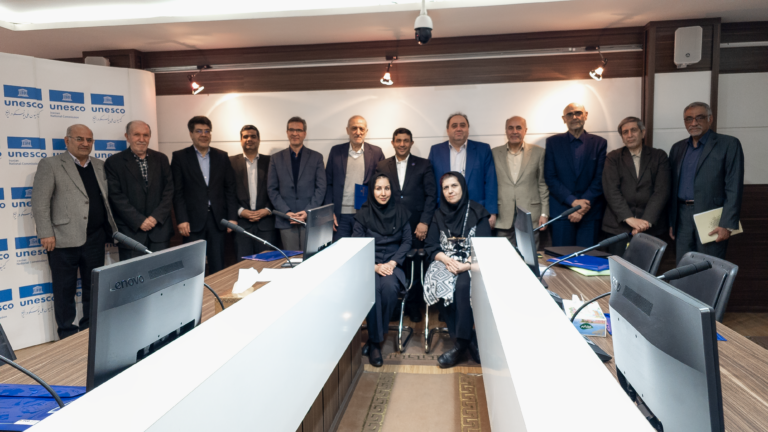
Dr. Hasan Fartousi, Secretary-General of the Iranian National Commission for UNESCO, and his delegation participated in events and meetings with cultural, artistic and tourism managers and stakeholders in Kashan and visited the city’s historic buildings from 27 to 29 May.
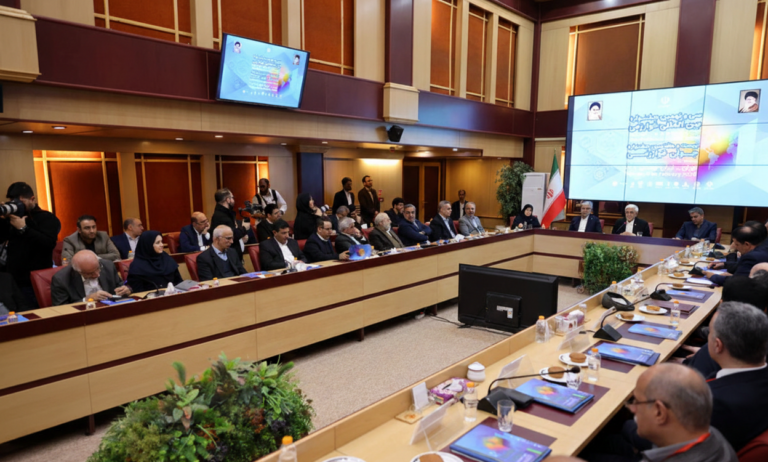
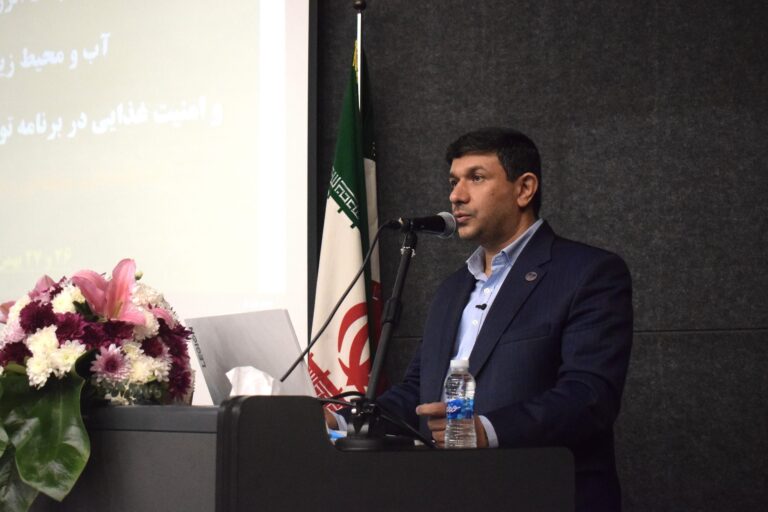
On the first day, during his visit to the historic city, Dr. Fartousi attended the meeting entitled “Kashan and a Global Mission,” held at Saraye Ameriha Hotel with the participation of municipal officials, cultural activists and prominent architects. He emphasized that Kashan is a city that has not only sustained its existence throughout its long history but has also experienced periods of remarkable growth and vitality. These characteristics are reflected in its architecture and urban landscape, but their roots lie in the spirit of its people and their ancestors.
He continued: “A semi-desert region that has remained so vibrant and dynamic is a testament to people who love life. When a city becomes a city of poets and scholars, it has internalized the meaning of life.”
Emphasizing the connection between creativity and the way the people of Kashan live, the Secretary-General of the Iranian National Commission for UNESCO stated: “When people decide to live by the concept of creation, that is when creativity comes to fruition.”
Noting that Kashan had joined the UNESCO Global Network of Learning Cities before seeking membership in the UNESCO Creative Cities Network, he explained that the city’s smart infrastructure, extensive educational environment, and large number of universities, students, professors, vocational instructors and trainees all demonstrate its considerable capacity for learning.
Dr. Fartousi added: “Kashan is not only a learning city; it also has the capacity to teach the world. Its global mission has always been inherent in its very nature, and it does not need to wait for its inclusion in the Creative Cities Network to fulfil that mission.”
Referring to the city’s historical and cultural heritage, he said: “This city has continued to thrive with dignity throughout its history and has nurtured generations of devoted individuals; not only for Kashan or Iran, but for a world that thirsts for authenticity and for a concept such as peace. In Kashan, peace has historically manifested itself in the coexistence of religions and ethnic groups.”
Highlighting the different dimensions of Kashan’s identity, Dr. Fartousi noted that the city is not only a symbol of architecture and learning but has also maintained its standing in the cultural industries, trade and commerce throughout history. It is also a cradle of both tangible and intangible heritage.
He further stated that Kashan has a strong capacity to embrace cultural diversity. “It is this generous spirit that has embraced figures ranging from Mohtasham Kashani to Sohrab Sepehri and presented them to the global community. The ability of the people of Kashan to adapt to nature reflects a profound culture rooted in the very spirit of the city’s inhabitants. Our privilege in being part of this gathering today stems from that same generous spirit.”
Architectural Diversity in Kashan: An Opportunity to Present Iran’s Heritage to the World
Addressing the role of the National Commission in this process, the Secretary-General said: “One of our main responsibilities is to document the technical intricacies of architecture and the city’s other capacities. The competition to present Kashan to UNESCO has not been an easy one. Our colleagues at the National Commission for UNESCO conducted their assessments with great care, and we are pleased that Kashan was ultimately selected as a candidate. We hope that this architectural diversity will provide an opportunity to introduce the city to the world.”
Praising Kashan’s strong sense of social responsibility, Dr. Fartousi stated: “This is a land of philanthropists, artists, carpet weavers and people who have made social responsibility part of their way of life.”
Kashan: A Model of Collaboration among Citizens, Elites and Architecture
The Governor of Kashan County, speaking at the meeting “Kashan and a Global Mission” in the presence of the Secretary-General of the Iranian National Commission for UNESCO, highlighted the region’s civic and intellectual capacities and described Kashan as a symbol of the synergy between civilization, culture and creativity in architecture.
Mojtaba Raei, referring to the region’s demographic characteristics and urban and rural fabric, described Kashan as the birthplace of more than 1,000 scientific, religious, artistic and literary figures. He stated that the ancient Sialk Hills, dating back more than 7,500 years, the 1,000-hectare historic urban fabric and more than 1,700 identified historic sites constitute the city’s civilizational foundation.
He added that the inscription of Fin Garden on the World Heritage List, the Qalishuyan ritual, and the traditional skills of carpet weaving and textile production are clear evidence of Kashan’s international standing in culture and heritage.
Tourism: A Development Priority for the County
Emphasizing the county’s development-oriented approach, the Governor of Kashan identified tourism as one of its strategic priorities. He stated that the increase in the average length of tourists’ stays from 1.8 to 2.7 days in the current year demonstrated a significant rise in public interest in Kashan as a tourist destination.
Experts, Citizens and Historic Houses
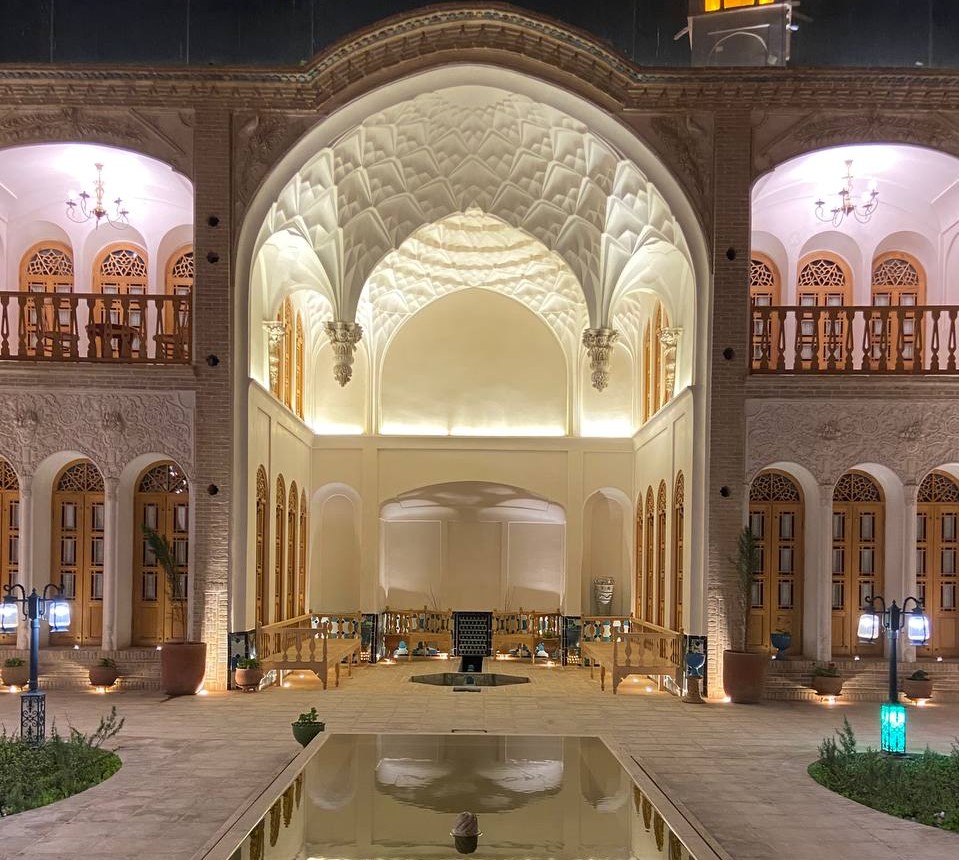
Referring to the preservation and restoration of historic houses through the direct participation of citizens and experts, Raei stated that approximately 350 houses had so far been fully restored. The sunken courtyards, stained-glass windows, stucco designs and mirror-work decorations of these houses showcase the artistic sensibility and craftsmanship of Kashan’s architects.
He also referred to the organization of the Iran Architecture Congress in Kashan, describing it as evidence of the city’s exceptional potential in architecture.
Public Participation in Sustainable Development
Emphasizing the pivotal role of citizens in the county’s development, Raei added that more than 167 officially registered non-governmental organizations, licensed by the Governor’s Office, were active in the cultural, social and tourism sectors. Philanthropists had also played a leading role in advancing public projects through extensive contributions to infrastructure development. On 22 May alone, the construction of 16 educational facilities, funded by philanthropists at a cost exceeding 1.2 trillion Rials, was inaugurated.
Referring to the goal of joining the UNESCO Creative Cities Network in the field of architecture, the Governor stated: “We must use this opportunity to strengthen public participation. The presence of more than 50 university-level institutions and 20,000 students represents a valuable resource for fostering architectural creativity in the region.”
Kashan: A Living Museum of Creativity and Civilization
Speaking at the meeting “Kashan and a Global Mission” in the presence of the Secretary-General of the Iranian National Commission for UNESCO, the Mayor of Kashan referred to efforts to secure international recognition for the city in the field of architecture. He stated that Kashan could be regarded as a living museum of architecture, distinguished from other cities on the Central Iranian Plateau by the creativity of its people in producing exceptional works.
Abolfazl Sarouqian described Kashan’s 7,000-year history as evidence of the region’s ancient civilization. He stated that the city represents a living example of constructive interaction between human beings and nature, having harnessed indigenous knowledge, art and creativity in support of sustainable development.
Intelligent Architecture: Responding to a Harsh Climate
Emphasizing that Kashan’s architecture combines art, science, creativity and responses to climatic needs, Sarouqian referred to examples such as Kashan’s Jameh Mosque, Fin Garden and Sultan Amir Ahmad Bathhouse, describing them as expressions of artistic engineering and human coexistence with nature.
He praised the efforts of architects, artists and investors to restore the city’s historic urban fabric, adding that the revitalization of historic streets and neighborhoods through the participation of citizens and government institutions had strengthened a sense of belonging and collective pride while contributing to sustainable development.
Creativity: A Driving Force for Sustainable Development
Referring to the process of Kashan’s application to join the UNESCO Creative Cities Network in the field of architecture, the Mayor stated that creativity could serve as a central pillar of cities’ cultural, economic and social development. He described architecture as highly effective in attracting tourists and generating employment in areas such as tourism, hospitality and handicrafts.
Sarouqian also highlighted the creativity of past architects in designing features such as cisterns, windcatchers, central courtyards and sunken gardens to address the region’s hot, dry climate, describing these structures as treasures for future generations.
In conclusion, he described Kashan’s membership in the UNESCO Creative Cities Network not merely as a national honour but as a global responsibility to preserve, develop and make informed use of its cultural heritage. He expressed hope that this process, like the international recognition of Kashan’s traditional textile heritage, would pave the way for the city’s cultural, social and economic flourishing.
It should be noted that Eng. Saeed Talaei, Head of the Kashan Engineering Organization; Master Hajj Seyed Akbar Helli, a Kashan-based architect; and Eng. Hossein Mahallouji, President of the Kashan Cultural Foundation, also attended the meeting. Mahallouji praised the presence and efforts of the Secretary-General of the Iranian National Commission for UNESCO and emphasized his perseverance in advancing Kashan’s application to join the UNESCO Creative Cities Network.
Following the meeting, the Secretary-General of the Iranian National Commission for UNESCO and his delegation visited the historic Ameriha House, emphasizing the connection between architectural creativity and the way the people of Kashan live; a way of life that reflects a community that has woven architecture into the fabric of everyday existence.
The National Commission for UNESCO: A Platform for New Legal and Cultural Dialogue
On the second day of the Secretary-General’s visit, Dr. Fartousi, accompanied by a group of managers and experts from the National Commission, Eng. Hossein Mahallouji and Eng. Reza Nanaakar, Chief Executive Officer of Ayatollah Yathrebi Super-Specialty Hospital, visited various departments of the hospital.
After touring the emergency department, operating rooms, diagnostic facilities and cancer treatment centres, he commended the high level of free medical services provided by the institution. He stated: “This institution does not have the feel of an ordinary hospital.” He added that, at a time when many healthcare facilities were struggling with economic challenges, the hospital stood out as a model in the field of healthcare by providing free services.
Praising the provision of free medical care to people from different social backgrounds and emphasizing the importance of upgrading healthcare infrastructure at the regional level, the Secretary-General described Yathrebi Hospital as a successful example of integrating knowledge, technology and human commitment in healthcare. He also expressed the National Commission’s readiness to expand cooperation in health, education and sustainable development.
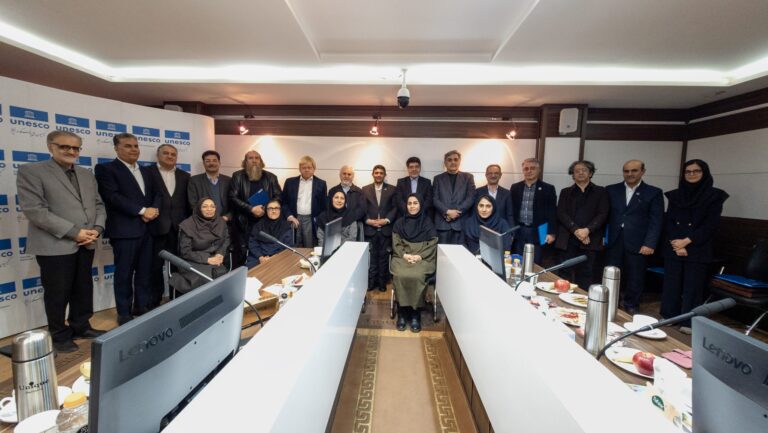
A subsequent meeting was attended by the President of the University of Kashan, the Mayor of Kashan, Meysam Namaki, Head of the Kashan Department of Culture and Islamic Guidance, and a number of hospital officials. Dr. Fartousi stated: “Getting to know this hospital has been a source of pleasure and learning for me. Its orderliness, cleanliness, use of modern technology, skilled personnel and attention to human and cultural considerations are among its outstanding features.” He concluded by expressing his wishes for the continued development of this exemplary institution in the field of health tourism.
The meeting also featured a comprehensive report on the hospital’s performance and extensive services, along with two short analytical presentations entitled “8,000 Years of the History, Culture and Art of Kashan’s Ancestors” and “32 Years of Economic, Cultural and Artistic Developments in Kashan.”
Following the meeting, Dr. Fartousi and his delegation visited a number of the city’s historic sites and buildings. These visits, conducted as part of an assessment of Kashan’s cultural and civilizational potential for expanding international engagement and joining the UNESCO Creative Cities Network, included the traditional Morshedi House accommodation, historic houses in the Sultan Amir Ahmad neighbourhood, the historic Agha Bozorg Mosque, Khaneh Noghli, Jalali Castle and, at the end of the day, Fin Garden. The visit to Fin Garden was attended by Alireza Abdollahzadeh, Director-General of the Kashan Department of Cultural Heritage, Tourism and Handicrafts. Emphasizing the richness of Kashan’s architecture, its cultural diversity and its capacity for learning, the Secretary-General described these sites as valuable assets for promoting cultural diplomacy and sustainable development.