UNESCO Iran National Commission Secretary-General Emphasizes the Importance of Promoting Distinguished Figures in the Rational Sciences Worldwide
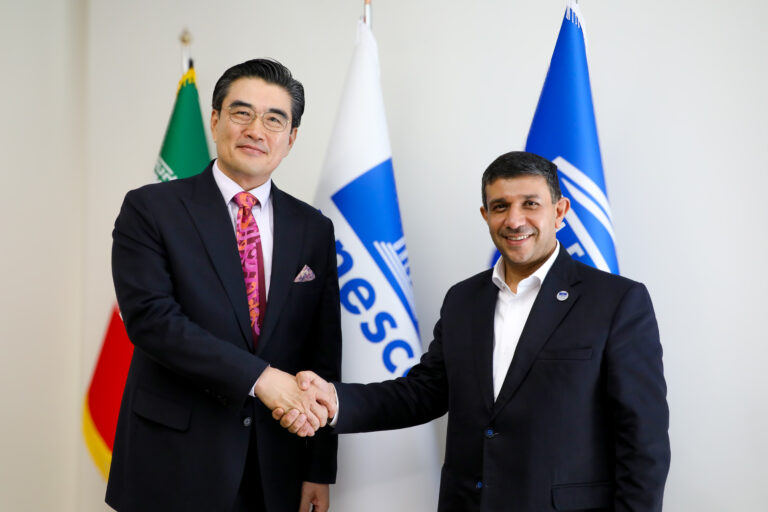
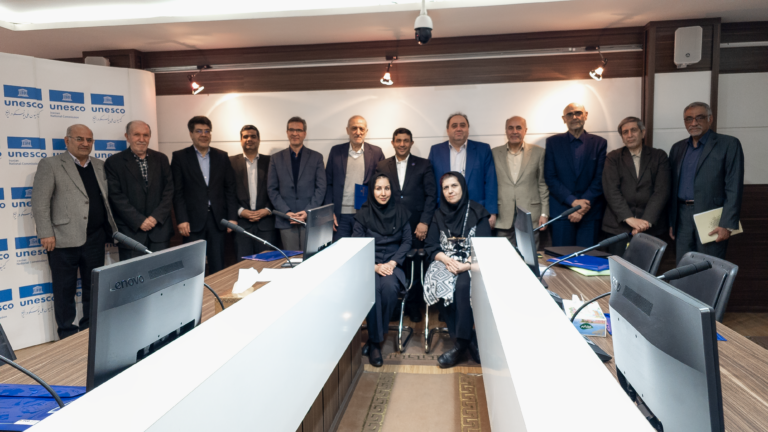
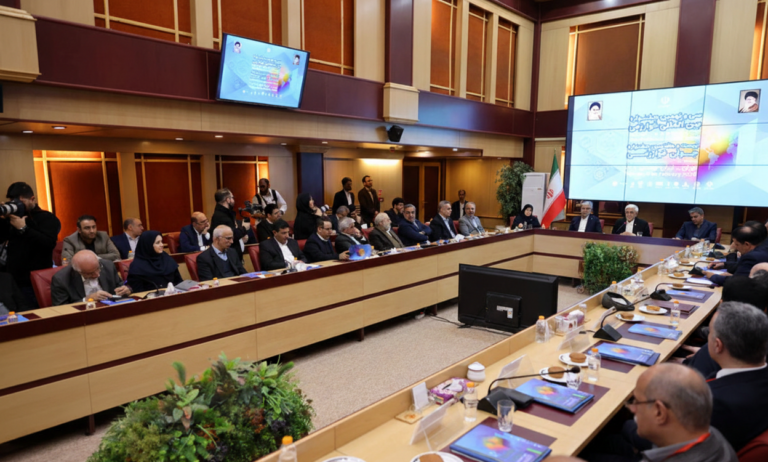
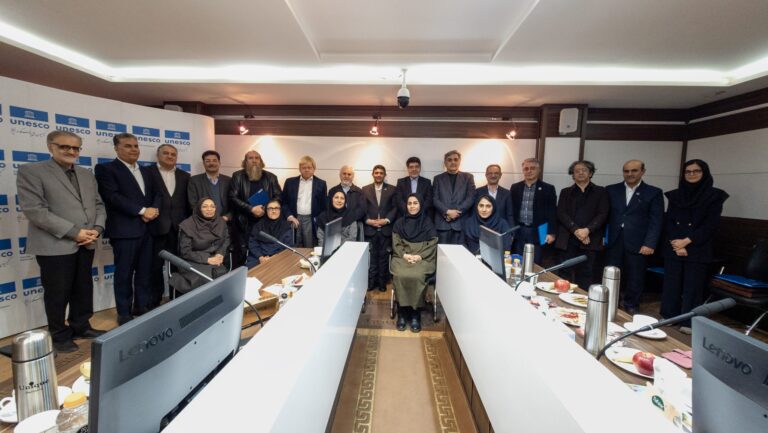
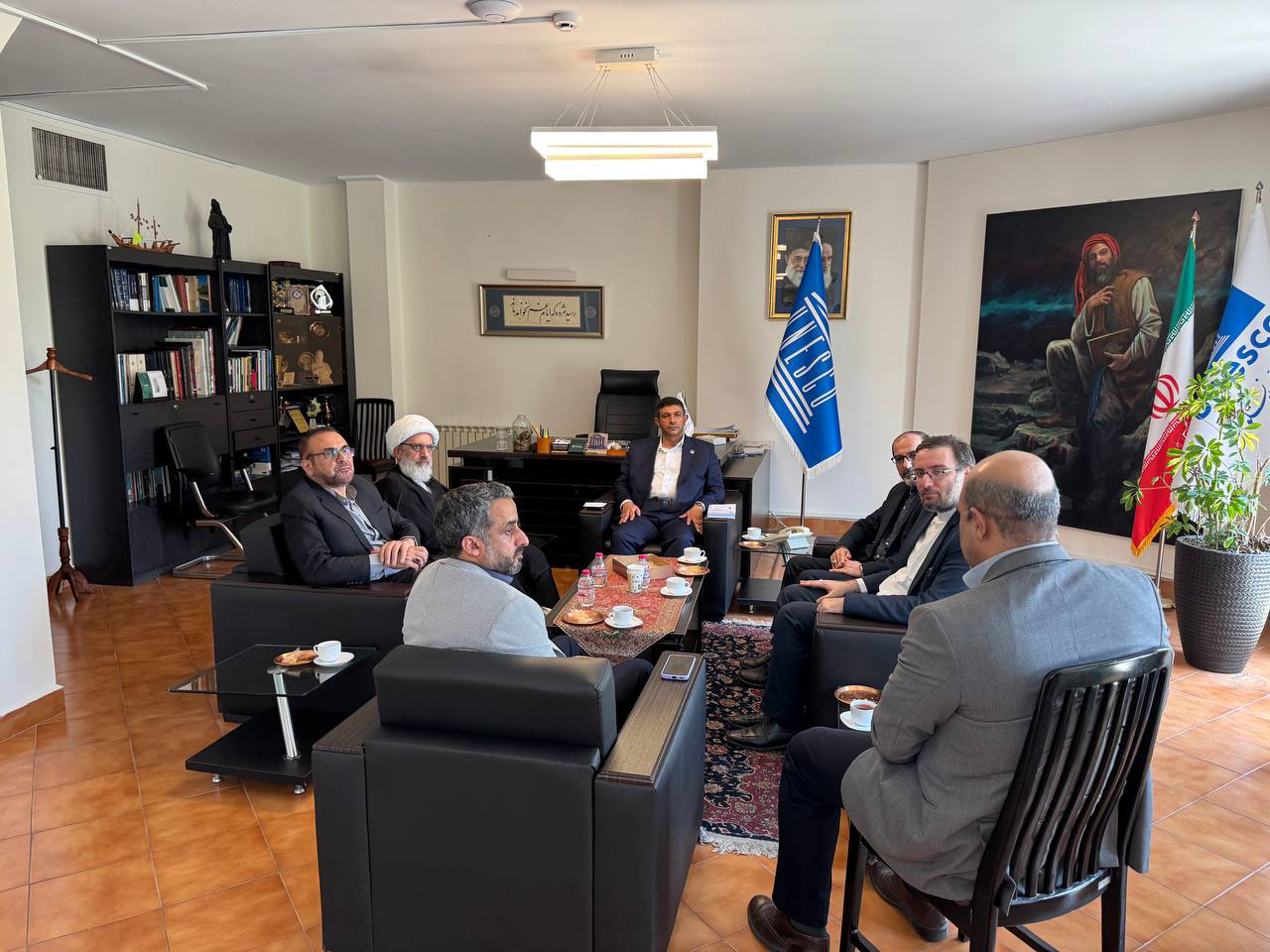
On 12 August 2025, members of the secretariat of the International Congress on Allameh Molla Abdollah Bahabadi Yazdi met with Dr. Hassan Fartousi, Secretary-General of the Iranian National Commission for UNESCO. The meeting highlighted the scholarly standing of this distinguished Iranian thinker and emphasized the importance of commemorating his legacy and writings internationally and leveraging UNESCO’s capacities to this end. |
Molla Abdollah Bahabadi Yazdi was a philosopher, logician and author of the renowned work Al-Hashiyah ‘ala Tahdhib al-Mantiq. This work is a commentary on Tahdhib al-Mantiq by al-Taftazani, which remains one of the reference texts used in religious seminaries.
He died in 981 AH and is regarded as one of the great intellectual figures of the Shiite world. His descendants also served as custodians of the holy shrine of Imam Ali in Najaf for approximately 100 years.
Allameh Bahabadi produced numerous works in various fields, including Quranic exegesis, jurisprudence, philosophy, theology and rhetoric. His writings comprise more than 20 titles in Arabic and Persian. Some of these works are currently being prepared for publication by the Congress Secretariat.
During the meeting, Dr. Hassan Fartousi, Secretary-General of the Iranian National Commission for UNESCO, welcomed the valuable efforts of the Congress Secretariat and announced the Commission’s readiness to provide moral support for the Allameh Bahabadi Congress, scheduled to take place in the summer or autumn of next year.
Referring to UNESCO’s existing capacities for honouring distinguished scientific and cultural figures, he noted that commemorating figures such as Allameh Bahabadi is not merely a tribute to a thinker; it is also a way of honouring rational thought, a culture of dialogue and the science of logic. UNESCO welcomes and supports such events.
Emphasizing the importance of expanding regional cooperation in this area, Fartousi cited the joint initiative of the Iranian and Iraqi National Commissions for UNESCO to commemorate Nahj al-Balagha, the enduring work of Imam Ali, compiled by Sharif al-Radi. Another example was the commemoration of the 1,750th anniversary of the establishment of Jundishapur, undertaken in cooperation with Bayt al-Hikma in Baghdad.
He added that expanding such joint initiatives would open up new horizons for strengthening cultural and civilizational relations among neighbouring countries and reinforce the intellectual and historical ties between their peoples.
Explaining UNESCO’s Criteria for Recognizing Eminent Figures
Dr. Abdolmahdi Mostakin, Senior Adviser to the Secretary-General of the Iranian National Commission for UNESCO, subsequently outlined the official procedures and key criteria for the inscription of commemorations of eminent personalities on UNESCO’s calendar.
He explained that proposals concerning figures such as Allameh Bahabadi should emphasize their transnational significance, regional influence and contribution to the advancement of rational thought in Islamic civilization. He stressed the importance of scholarly documentation, historical evidence and a clear presentation of their international standing.
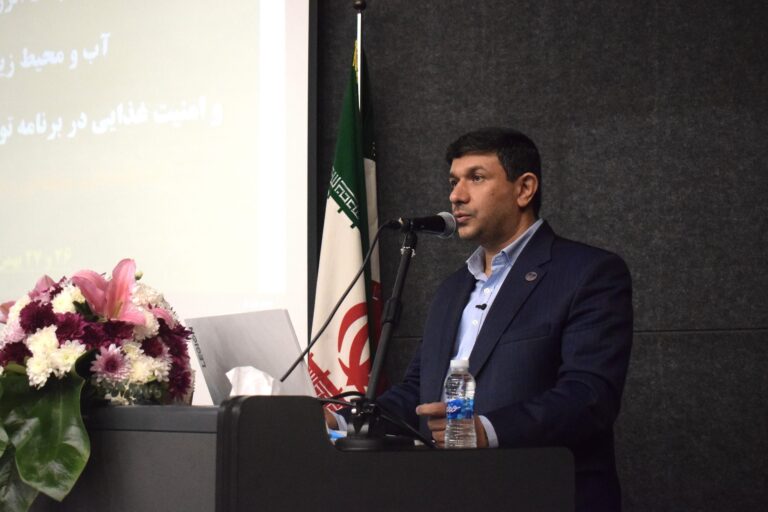
At the beginning of the meeting, Dr. Ali Sadegh Daghighi, the Congress’s Deputy for International Affairs, discussed Allameh Bahabadi’s life and scholarly contributions to logic in the tenth century AH. He noted that, through his distinguished works on logic, Allameh Bahabadi had played an important role in bridging classical and modern logic. He also pointed out that Bahabadi was a contemporary of Descartes and that his writings addressed minority rights and women’s rights, reflecting a perspective ahead of his time. Dr. Daghighi proposed designating a day in the national calendar as National Logic Day to revive and promote this scholarly tradition.
The Need for Allameh Bahabadi’s International Recognition
Dr. Hassan Abdipour, the Congress’s Scientific Secretary, also highlighted Allameh Bahabadi’s significant role in advancing the rational sciences and philosophical governance. He noted that the Supreme Leader had repeatedly emphasized the importance of figures such as Allameh Bahabadi in the development of Islamic civilization. He expressed hope that, with the support of the Iranian National Commission for UNESCO, this distinguished thinker would be included on UNESCO’s list of eminent figures and that a commemorative event would be held in his honour next year on a grand scale.
Hojatoleslam Mostafa Heravi discussed the importance of Hashiyah bar Mantiq-e Taftazani and provided a comprehensive analysis of Allameh Bahabadi’s life and scholarly works. He noted that Bahabadi’s contemporaneity with Moqaddas Ardabili and his central role in guiding the Najaf seminary further enhanced the historical significance and influence of his writings. He also observed that Bahabadi’s works continue to be taught in Sunni scholarly circles today.
Introducing Younger Generations to Distinguished Scholarly Figures
Dr. Jameh-Bozorgi, a member of the Congress Secretariat and a researcher in wisdom and philosophy, emphasized the importance of familiarizing younger generations with distinguished historical figures. He noted that young people today are less familiar with scholars such as Allameh Bahabadi. To address this gap, he has prepared a book entitled Logic in Simple Language for teenagers and young adults, aiming to present these fundamental concepts, drawing on Allameh Bahabadi’s approach, in a way that is accessible to the younger generation.