Iranian National Commission for UNESCO Supports an Innovative Project for the Early Detection of Brain Tumors in Children
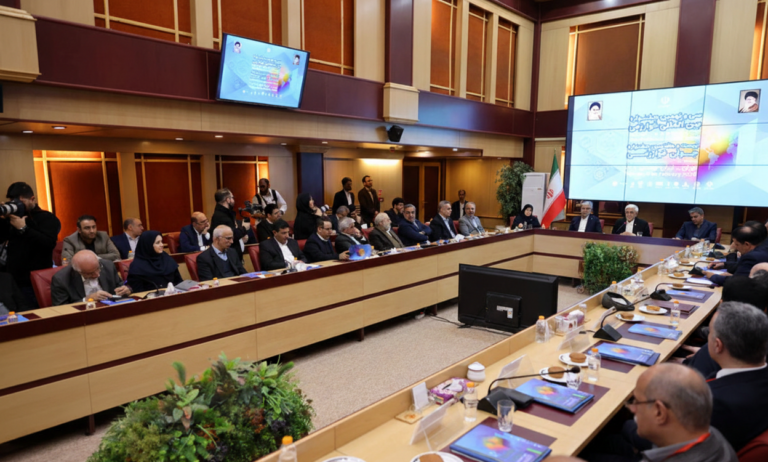
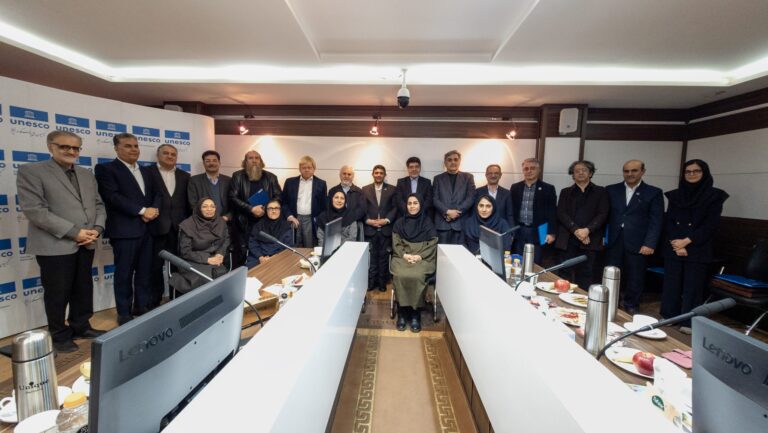
| The Iranian National Commission for UNESCO has taken an important step towards advancing healthcare and medical technology in the country by supporting an innovative project for the early detection of brain tumors in children. At the signing ceremony for a memorandum of understanding between the MAHAK Charity and the Secretariat of the Iran Annual Artificial Intelligence Award, held at MAHAK Hospital, this international organization emphasized the ethical use of artificial intelligence and support for children with cancer. |
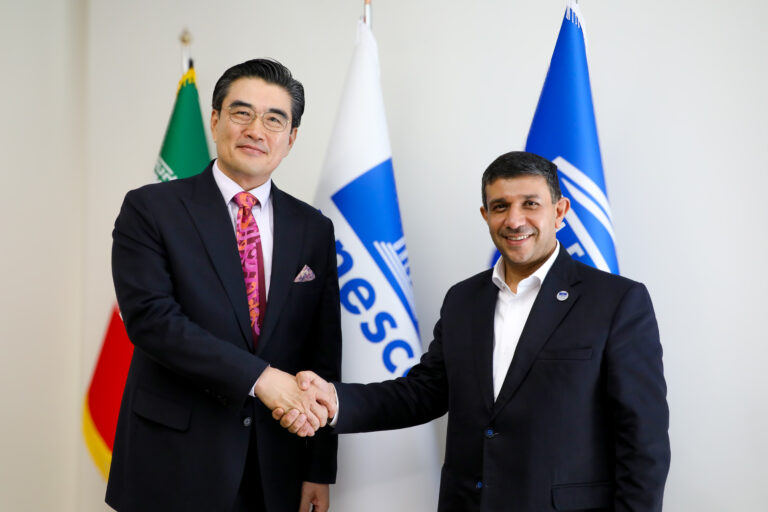
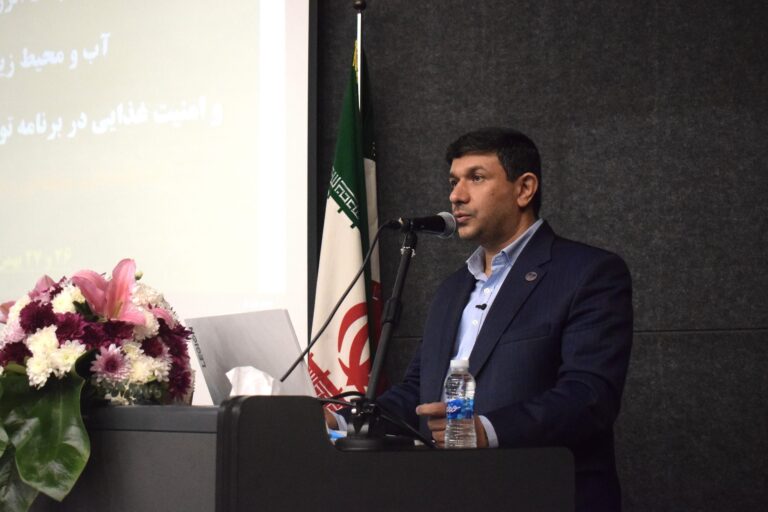
Dr. Ahmad Shekarchi, Director of the Communication and Information Sector at the Iranian National Commission for UNESCO, represented the Commission at the ceremony. Referring to the Commission’s moral support for the event, he said: “In 2021, UNESCO adopted an important document entitled the Recommendation on the Ethics of Artificial Intelligence. This document establishes a global scientific, cultural and educational framework for the use of artificial intelligence. Our country has also joined this Recommendation, albeit with certain reservations.”
Shekarchi went on to outline UNESCO’s five key principles concerning artificial intelligence, stating: “UNESCO believes that artificial intelligence should be developed in accordance with principles such as human rights, equity, the prevention of misuse, transparency and accountability. These principles must be taken into account in all AI-related policymaking and applications.”
He emphasized: “Artificial intelligence is an emerging technology that is advancing at a very rapid pace. Under such circumstances, policies and approaches must be continuously updated. One of the main challenges in this regard is protecting vulnerable groups, particularly children. This is why the Iranian National Commission for UNESCO has supported the MAHAK Institute, which has been working to support children with cancer for many years.”
The Commission’s representative also highlighted the important issue of the digital divide, stating: “Our main concern in this regard is the digital divide. We must ensure that digital innovations are made available to everyone fairly and equitably. Furthermore, the data collected through these projects must be used transparently and fairly to safeguard both people’s security and privacy.”
Ethical Principles in AI-Assisted Treatment
The Director of the Communication and Information Group at the Iranian National Commission for UNESCO also discussed the application of artificial intelligence in healthcare, stating: “At every stage of treatment, from diagnosis to care and medication prescription, ethical principles such as equity and respect for human rights must be observed.”
Concluding his remarks, he added: “Iran’s technology ecosystem is dynamic and rich in innovation, and the Iranian National Commission for UNESCO is keen to strengthen the links between this ecosystem and contemporary international instruments. This event provides a valuable opportunity to achieve this goal, and we extend our gratitude to the MAHAK Institute and all the organizers of this award. We hope that the outcomes of these collaborations will lead to positive developments in healthcare and treatment.”
The Importance of Early Detection of Brain Tumors
Dr. Morteza Ashrafi, Director of the MAHAK Children’s Cancer Research Center, emphasized the importance of early detection of brain tumors, stating: “In many countries around the world, particularly in areas where access to radiologists is limited, accurately interpreting brain CT scans poses a serious challenge. In such areas, early diagnosis can save the lives of many children. The aim of our project is to improve the diagnostic process through artificial intelligence so that no child is lost because of a delayed diagnosis.”
He added that, in collaboration with the MAHAK Institute and using accurate medical imaging data, the team aims to develop algorithms that can assist in the early detection of brain tumors.
Jalil Askari, Secretary of the Iran Annual Artificial Intelligence Award, also stated at the meeting: “One of the major changes compared with the previous edition is the addition of an international section. Cooperation with the Iranian National Commission for UNESCO was one of the main reasons for this approach, enabling us to establish more effective connections with international organizations. The establishment of a scientific committee is another innovation this year. The committee will review the issues and guide the competitions in a systematic manner.”
Arasb Ahmadian, CEO of MAHAK Hospital, recalling the hospital’s more than 25 years of experience, emphasized: “Today, we can share data from a specialized pediatric cancer center in a way that enables it to be transformed into artificial intelligence algorithms. These algorithms help improve diagnostic accuracy, while AI learns from the diagnoses and gradually becomes more effective.”
Memorandum of Understanding between the MAHAK Charity and the Secretariat of the Iran Artificial Intelligence Award
At the meeting, a memorandum of understanding was signed between the MAHAK Charity and the Secretariat of the Iran Annual Artificial Intelligence Award. Its main objective is to organize a challenge focused on the automated detection of brain abnormalities in children’s CT scan images.
The challenge has been introduced as one of the main components of the Iran Annual Artificial Intelligence Award (AAA). Participants will analyze CT scan images using data provided by MAHAK Hospital to identify abnormalities and brain tumors in children.
This competition represents an important initiative to advance the early detection of brain tumors in children and could, in the near future, help improve patient safety and reduce treatment costs.