Secretary-General of the Iranian National Commission for UNESCO: Shanghai Represents a Civilizational Concept of Coexistence and Sustainable Development
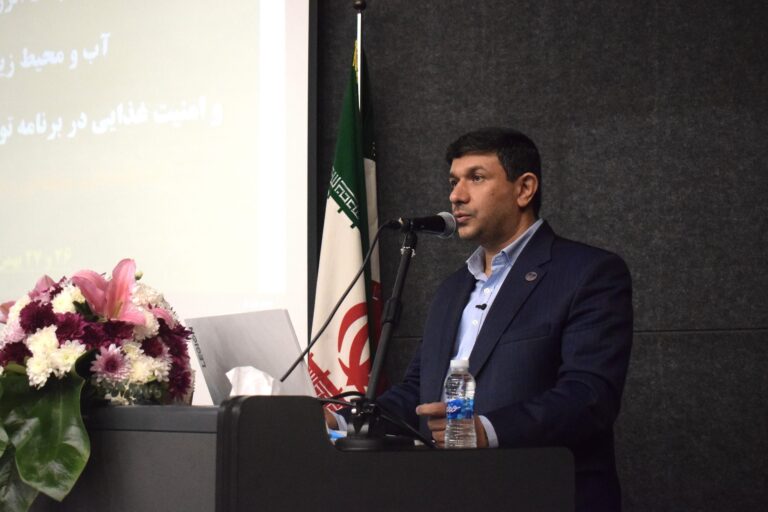
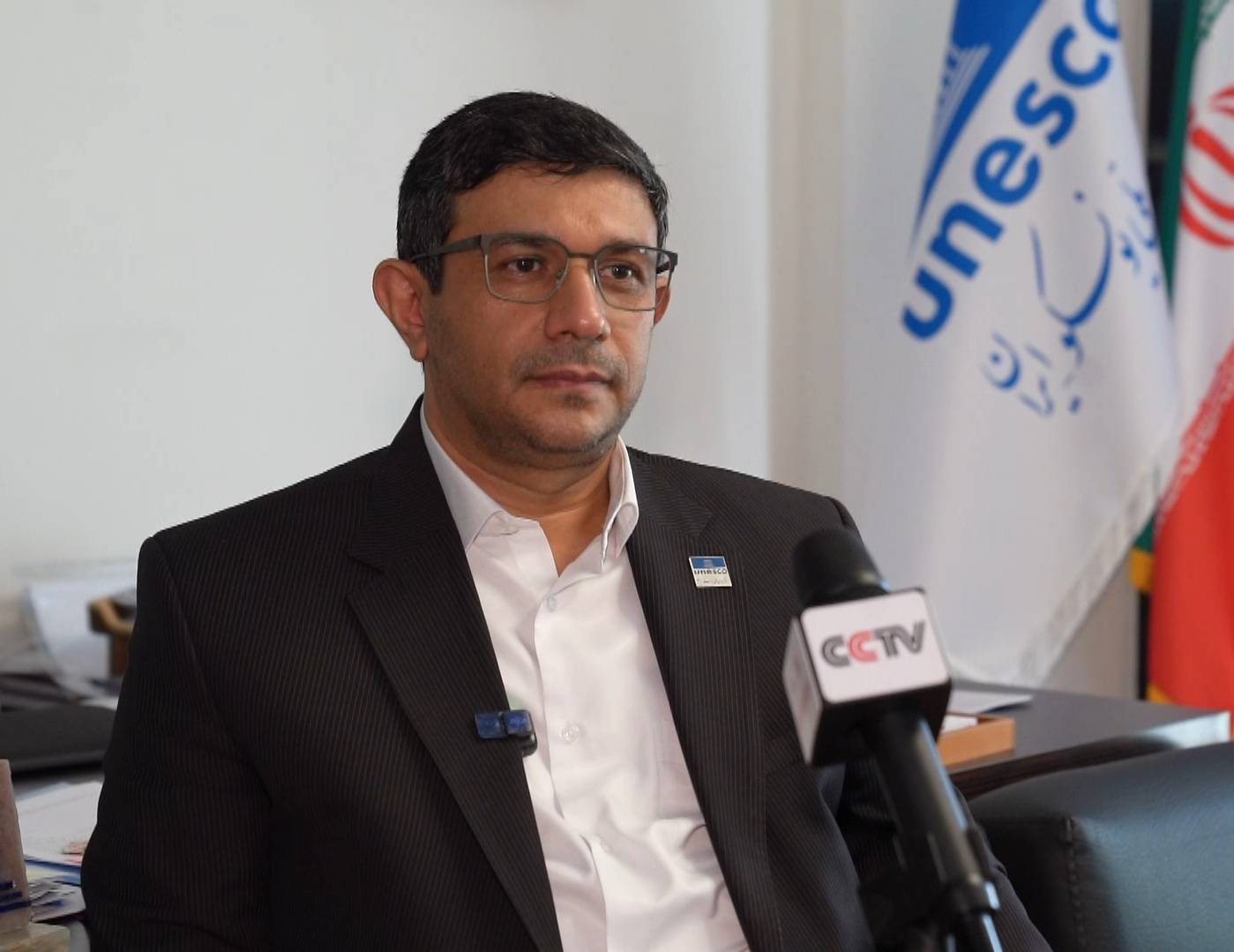
In an interview with China’s CCTV network, the Secretary-General of the Iranian National Commission for UNESCO described the Shanghai Cooperation Organization as extending beyond a purely political and economic framework, emphasizing its role in strengthening cultural coexistence and sustainable development. |
The full text of this interview follows:
CCTV Reporter:
Dr. Fartousi, as mentioned, the Shanghai Cooperation Organization is more than just a political or economic structure. How would you define this organization?
Dr. Fartousi:
Yes, as you pointed out, Shanghai is not merely an organization; it is a concept. This concept embodies values such as tolerance, forbearance, consideration for oneself and others, and the pursuit of a better life for humanity. These values are rooted in Iranian-Islamic literature and mysticism and are also reflected in Chinese Confucian teachings. Shanghai is where these concepts converge. For this reason, the presence of Dr. Masoud Pezeshkian, President of the Islamic Republic of Iran, alongside President Xi can play an important role in providing cultural and international leadership and guidance for the world.
Reporter:
Dr. Fartousi, the Chinese President has repeatedly emphasized the importance of the Belt and Road Initiative. In your view, what role does Iran have to play in this initiative?
Dr. Fartousi:
This belt has its roots in the same historic Silk Road that connected East and West for thousands of years. Iran is pleased to have occupied a central position along this historic route, as evidenced by both its World Heritage-listed caravanserais and historical travelogues. Today, Iran continues to serve as a meeting point between the cultures of East and West. President Xi has presented these concepts effectively and, as a strong leader, has played a prominent role not only in advancing his own country but also in promoting culture, education, science and world peace.
Reporter:
Looking ahead, what do these forms of cooperation mean for sustainable development worldwide?
Dr. Fartousi:
There is a perspective in Iranian literature that holds that all human beings are aboard a single ship sailing through the turbulent ocean of the world. Today, no country—not even the greatest powers—can grow solely on the basis of its economy or in isolation. Sustainable development means connecting the economy with culture, education, science and the environment. These fields know no borders; they belong to all humanity. The future of humankind depends on our ability to engage constructively and create synergies today. Only in this way can we build a better world for future generations; not only in Iran and China, but across the globe.