The Teachings of the Cyrus Cylinder to Be Incorporated into Countries’ Educational Programs Through UNESCO
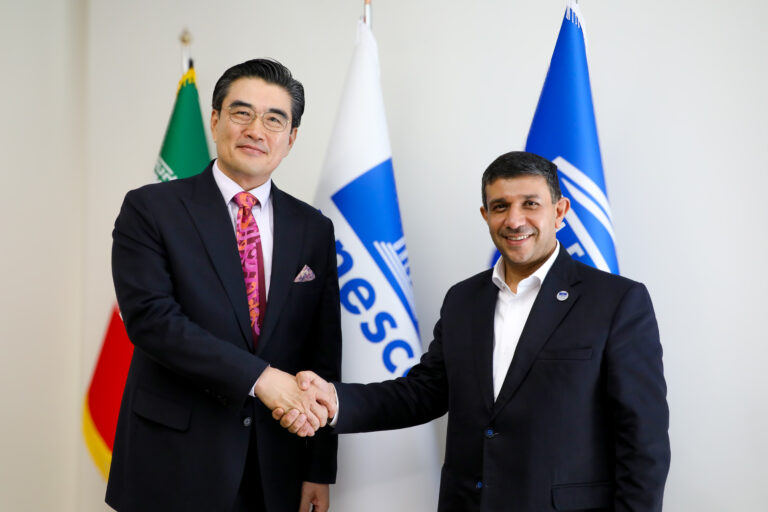
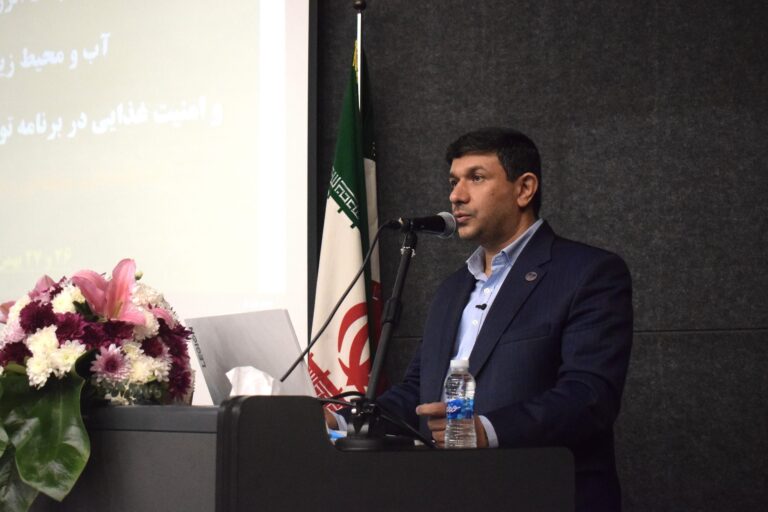
Secretary-General of the Iranian National Commission for UNESCO: The Teachings of the Cyrus Cylinder Will Be Incorporated into Countries’ Educational Programs Through UNESCO. |
Exclusive Interview of Ettela’at Newspaper with Dr. Hassan Fartousi, Secretary-General of the Iranian National Commission for UNESCO
In an interview with Ettela’at, Dr. Hassan Fartousi discussed the history of the resolution on the registration of the Cyrus Human Rights Cylinder. He stated:
“About ten months ago, through communication between the Secretary-General of the Iranian National Commission for UNESCO and Iran’s Ambassador to UNESCO, and following consultations with the Ministry of Foreign Affairs and the Deputy Minister for Cultural Heritage at the Ministry of Cultural Heritage, Tourism and Handicrafts, it was decided that we should take advantage of the President’s visit to Tajikistan to present the idea of the ‘Cyrus Cylinder.’ The Minister of Science and the President of the National Commission approved the idea, and it was decided that the Iranian National Commission for UNESCO would ask the Office of the Presidency to place cooperation between Iran and Tajikistan on UNESCO-related activities on the agenda of negotiations between the two countries.
“Ultimately, the agreement between Iran and Tajikistan stated that the two countries would cooperate on UNESCO-related activities. To pursue a more substantial initiative, the two countries decided to draft a resolution rather than organize a commemorative event, although this would involve a more complex process. Consequently, correspondence with national commissions and negotiations with ambassadors of other countries were also required.”
He added:
“The holding of the General Conference in Samarkand provided an opportunity for Iraq to join the request for joint registration, given that the Cyrus Cylinder was discovered in the land of Babylon. Iran clearly played a central role in this process, and following the adoption of the resolution, we received many congratulations. We are pleased that the resolution was adopted by consensus, with the support of numerous countries, including Egypt, Algeria, Pakistan, Bangladesh, India, Kenya, Nigeria, Senegal, Armenia, Poland, Colombia, and Vietnam.”
Fartousi noted:
“The aim of this initiative is to show the world how a document dating back 2,550 years embodies human concepts and values that remain relevant today. These include tolerance, forbearance, justice, respect for freedoms, cultural diversity, religious diversity, and the ideal of peace that UNESCO has upheld to this day. These values are evident in the document and remain beneficial and relevant to humanity today. Furthermore, this initiative also advances the Sustainable Development Goals while respecting cultural diversity.”
He emphasized:
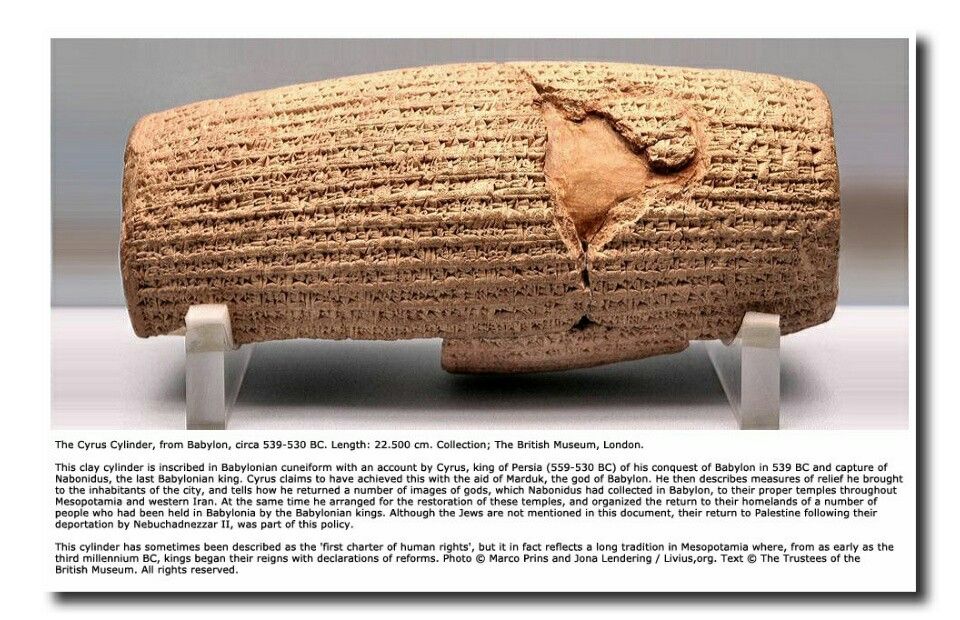
“This document, in a sense, calls on UNESCO to introduce the Cylinder in cultural education programs in different countries as one of the earliest discovered documents that respects universal values, and even to incorporate it into countries’ formal education systems. This is a constructive and valuable achievement. The Cyrus Cylinder is an ancient document that embodies the values and spirit of coexistence, respect for cultural diversity, and concepts related to human rights. This is highly significant.”
Regarding the opportunities arising from this historic event, the Secretary-General of the Iranian National Commission for UNESCO said:
“We continue to fulfill our coordination responsibilities. For example, before the General Conference, we held consultation meetings with several domestic institutions and asked them to develop plans for the period following the adoption of the resolution. A valuable opportunity has now emerged, both nationally and internationally, for various relevant ministries and national and international institutions based in Iran to undertake activities in this area. We are providing a platform for consultation and synergy, and I also ask the media to support us in this effort so that we can use this opportunity to introduce the ancestors of Iranian society and the people of Iran today, and to further promote the concept of peace.”
He continued:
“We should regard this achievement as a success in our cultural diplomacy. A document drafted by the ancestors of the Iranian people more than 2,500 years ago has today made it possible to raise a call for unity in the region. The fact that Iran, Iraq, and Tajikistan jointly submitted this resolution is a valuable achievement and demonstrates the existence of cultural understanding among these nations.”
To read the full interview, visit Ettela’at newspaper.