

Iran Emphasizes the Promotion of the Inclusion of Persons with Disabilities at the Meeting of UNESCO’s Social and Human Sciences Commission
| At the 43rd session of the UNESCO General Conference, the representative of the Iranian National Commission for UNESCO emphasized the country’s commitment to implementing national programs aligned with the organization’s Disability Inclusion Strategy. |
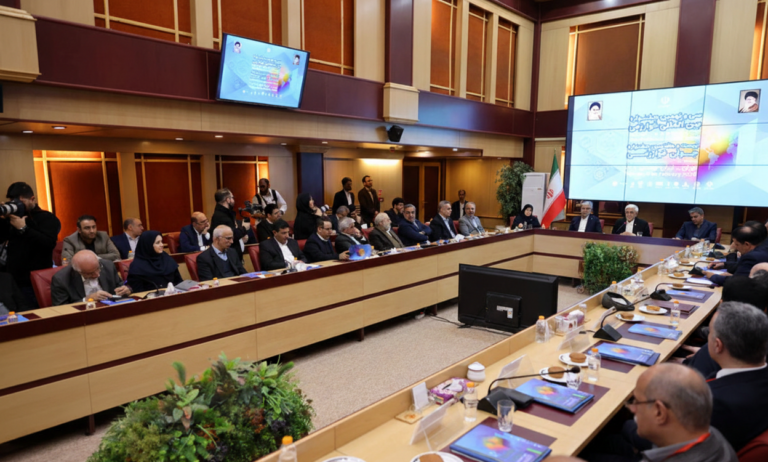
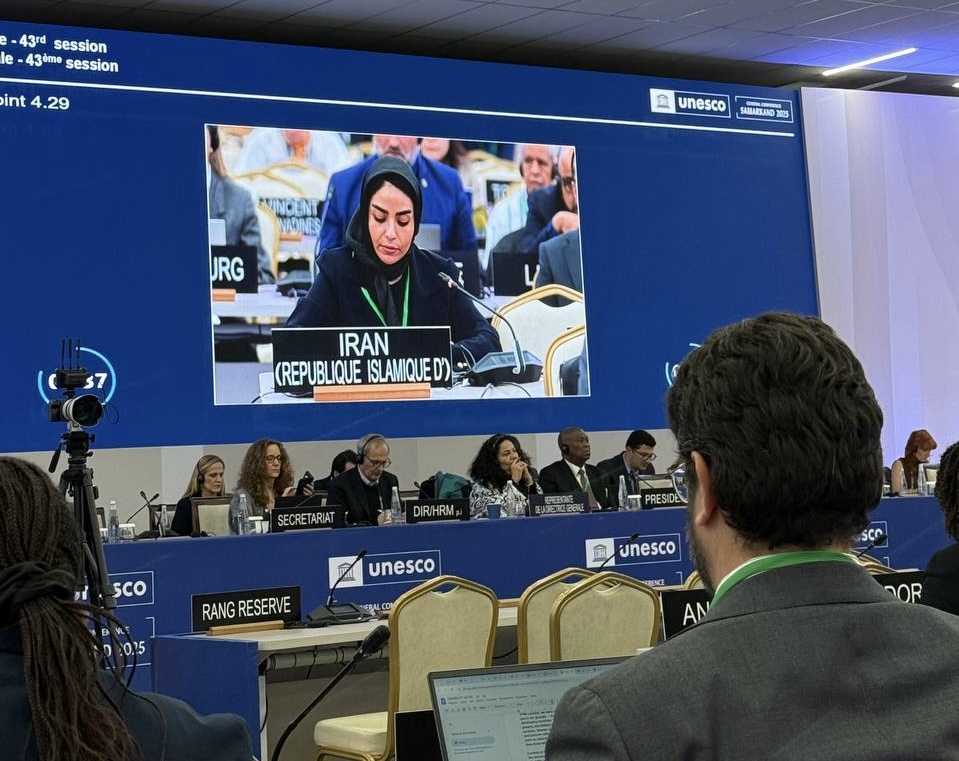
At the meeting of the Social and Human Sciences Commission during the 43rd session of the UNESCO General Conference, held on 6 November 2025, Aida Heydari, Head of the Social and Human Sciences Department and representative of the Iranian National Commission for UNESCO, presented a report on the Commission’s activities in the field of disability inclusion.
In her remarks, she referred to the organization of a national program in Iran to support persons with disabilities, describing the initiative as being in line with UNESCO’s Disability Inclusion Strategy.
The Iranian representative expressed her gratitude to UNESCO for its continued attention to the rights of persons with disabilities and for incorporating this issue into its Disability Inclusion Strategy for 2026–2029. She stated: “We would like to express our sincere appreciation to UNESCO for its continued attention to the rights of persons with disabilities and for including them in UNESCO’s Disability Inclusion Strategy (2026–2029).”
According to Heydari, this initiative reflects a strong commitment to the universal values of justice, non-discrimination, and human dignity, which, she noted, are essential to building inclusive, equitable, and compassionate societies.
Developing a National Program to Promote Disability Inclusion in Iran
The representative of the Iranian National Commission for UNESCO announced that, inspired by UNESCO’s approach, the Islamic Republic of Iran is planning to develop a national program focused on promoting disability inclusion in sports, culture, and public awareness.
She described the aim of this program as follows: “Our goal is to ensure that persons with disabilities, whether physical or intellectual, have the opportunity to participate fully in society, demonstrate their abilities, and contribute to our collective life.”
An Inclusive Perspective on Disability
Heydari emphasized that, from Iran’s perspective, disability should not be reduced solely to physical limitations. She stated: “Intellectual and cognitive disabilities also create significant barriers and often lead to deeper social exclusion and isolation.”
In conclusion, Iran’s representative to UNESCO reaffirmed the country’s readiness to cooperate with the Organization and other international partners to help build an inclusive world. She stated: “We stand ready to work with UNESCO and other international partners to advance this shared vision; a world in which every individual, regardless of ability, enjoys equal rights, dignity, and opportunities to grow and thrive.”