The Iranian National Commission for UNESCO’s Approach to Safeguarding Heritage, Education and Cultural Diplomacy
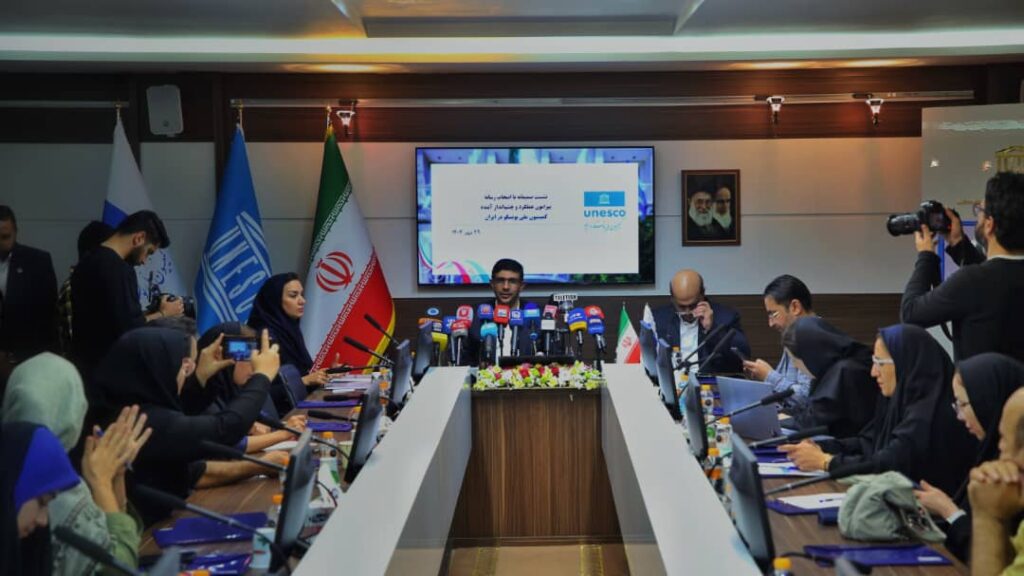
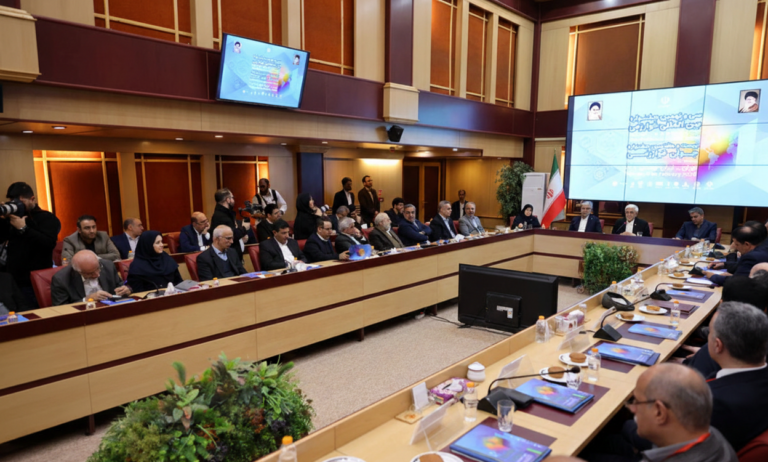
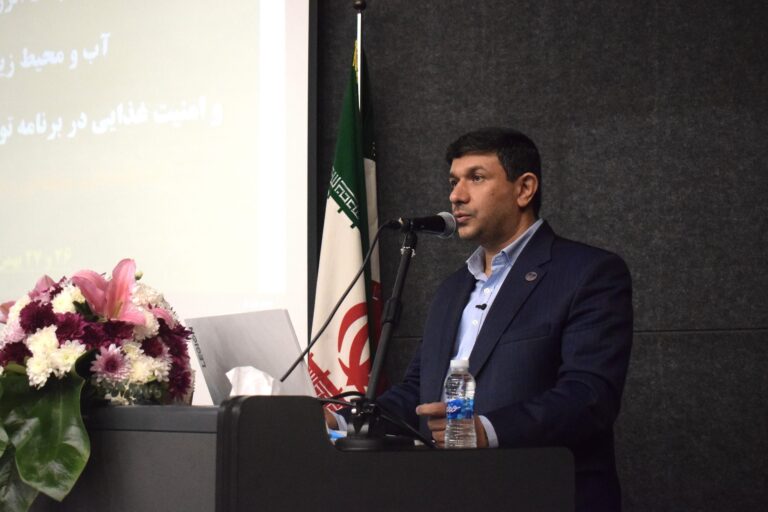
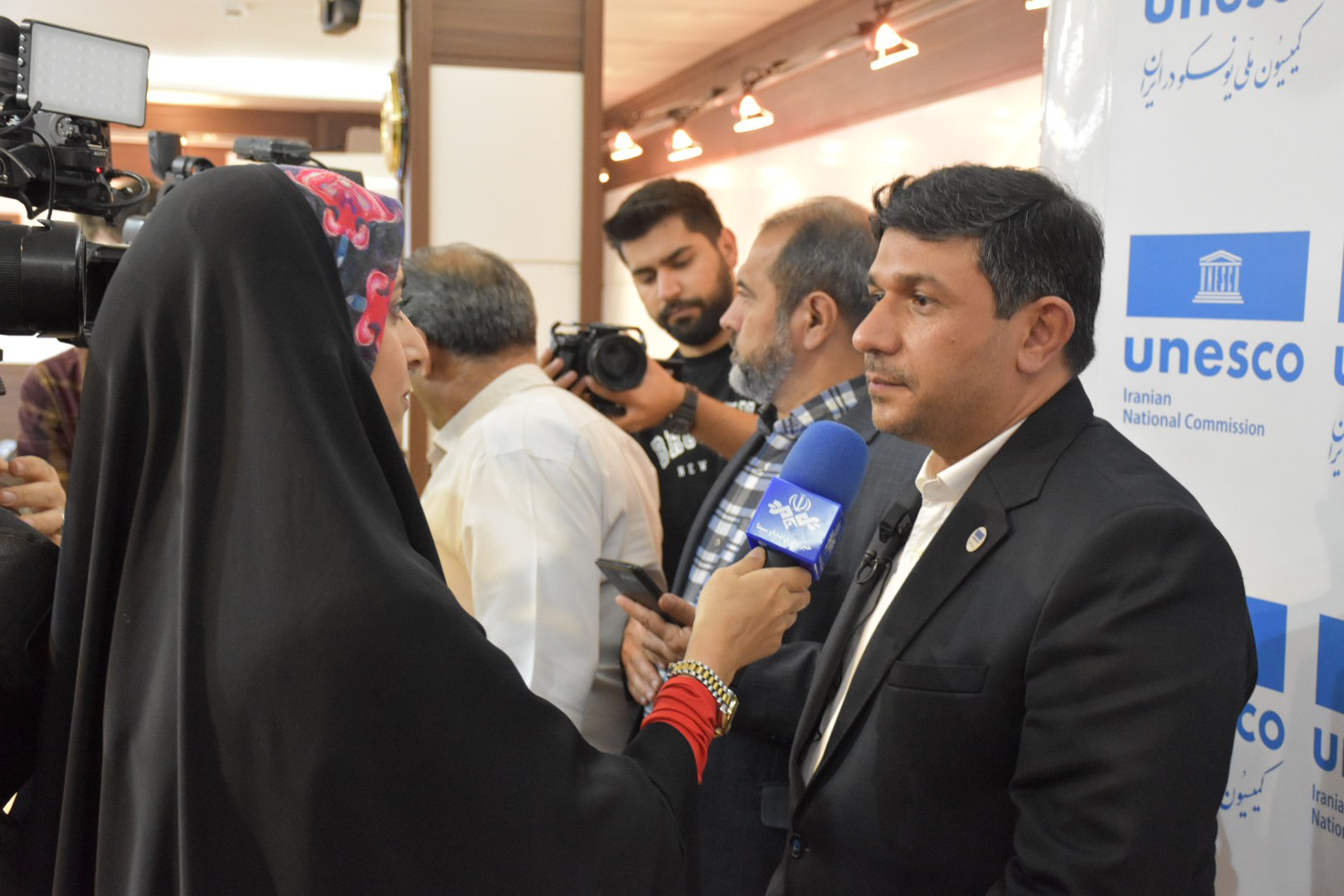
At a press conference held by Dr. Hassan Fartousi, Secretary-General of the Iranian National Commission for UNESCO, the Commission’s latest positions and programs in the fields of cultural heritage, education, cultural diplomacy, UNESCO club activities, and international affairs were presented. |
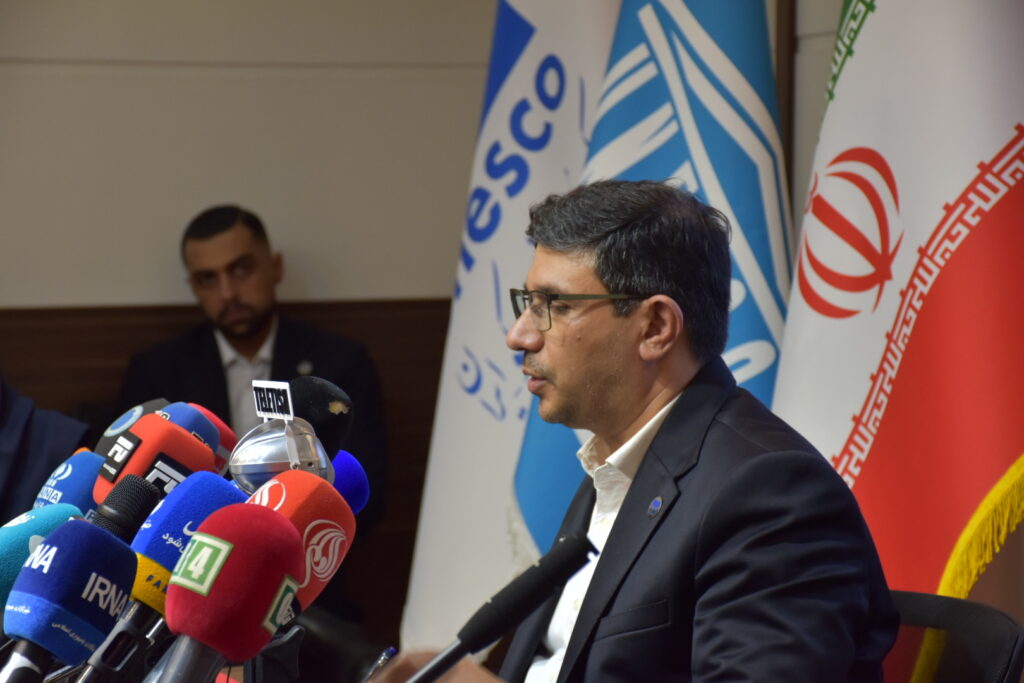
At a press conference, Dr. Hassan Fartousi, Secretary-General of the Iranian National Commission for UNESCO, outlined the Commission’s latest positions and programs in the fields of cultural heritage, education, cultural diplomacy, UNESCO club activities, and international affairs.
Fartousi referred to the receipt of a warning letter from UNESCO regarding the condition of several World Heritage properties, including Persepolis, and stressed the need to safeguard the protected areas surrounding this valuable heritage. He stated: “From UNESCO’s perspective, no encroachment on the country’s historical sites is acceptable.”
He emphasized: “The Iranian National Commission for UNESCO has neither an executive role nor an interventionist mandate. Our responsibility is to raise awareness, coordinate efforts, and convey UNESCO’s technical and expert perspectives to the relevant authorities. We stress, however, that UNESCO cannot accept any encroachment on the country’s historical sites, and no such incident will occur in Iran. We are responsible for making use of UNESCO’s technological capabilities and expertise in safeguarding our tangible and intangible heritage.”
Safeguarding the Protected Area Surrounding Persepolis
Addressing this issue further, the Secretary-General of the Iranian National Commission for UNESCO stressed that UNESCO is deeply concerned and has not merely reacted to the situation but has also taken action. He noted that UNESCO had so far sent warning and cautionary letters regarding the condition of several World Heritage properties in Iran, and that the National Commission, in accordance with its core responsibilities, had reported the matter to the relevant authorities.
Fartousi added that these letters had been issued to raise awareness and prevent any potential damage to or encroachment on the protected areas surrounding World Heritage properties. As the coordinating body, the National Commission had also notified the Ministry of Cultural Heritage, Tourism and Handicrafts and proposed holding specialized consultation meetings.
Referring to his field visits to Persepolis and other historical sites, he said: “During our recent visits, we conveyed the necessary observations to the relevant authorities. Although the Commission lacks the technical capacity to take direct action, we have issued the necessary warnings in writing and emphasized the need for expert assessment of these matters.”
He reiterated: “The Iranian National Commission for UNESCO has neither an executive role nor an interventionist mandate. Our responsibility is to raise awareness, coordinate efforts, and convey UNESCO’s technical and expert perspectives to the relevant authorities. We stress, however, that UNESCO cannot accept any encroachment on the country’s historical sites, and no such incident will occur in Iran. We are responsible for making use of UNESCO’s technological capabilities and expertise in safeguarding our tangible and intangible heritage.”
Fartousi also announced the registration of the Cyrus Cylinder as shared intangible cultural heritage with Tajikistan. He stated: “Among the achievements highlighted was the registration of the Cyrus Cylinder as shared intangible cultural heritage with Tajikistan at UNESCO’s General Conference in Samarkand, a decision that is expected to be approved soon.”
He continued: “We have requested that the Ministry of Cultural Heritage and Fars Province Governorate follow up on the protection of the areas surrounding historical sites with particular care and attention. This heritage is a trust passed down to us by our ancestors, and we must do everything in our power to preserve it so that future generations can also benefit from it.”
Educational Cooperation with the Ministry of Education and a Review of UNESCO-Associated Schools
Referring to the expansion of the Commission’s engagement with the Ministry of Education, the Secretary-General of the Iranian National Commission for UNESCO said: “One of our achievements last year was establishing effective and positive relations with the Ministry of Education after years of interruption and previous sensitivities.”
During this period, Dr. Kazemi, the Minister of Education, has worked closely with us as a member of the Supreme Council of the Iranian National Commission for UNESCO. The Ministry’s International Affairs Department has also engaged with us in a constructive manner.
He added that several joint meetings had been held between the National Commission and the Ministry of Education, paving the way for two deputy ministers to participate in the international teachers’ meeting in Chile. Representatives of the ministries of Education and Science are also expected to attend the UNESCO General Conference in Samarkand and a specialized artificial intelligence program in Tashkent.
Highlighting the importance of the UNESCO Associated Schools Network, Fartousi stated: “In joint meetings with oversight bodies and the Ministry of Education, the capacities of these schools, of which there are 17, are being reviewed and reassessed to create opportunities for appropriate educational programs and stronger educational and student exchanges.”
He explained: “Our mission is to build trust and foster synergy between domestic institutions and the UNESCO Associated Schools Network so that, after a period of interruption, these schools can become active and dynamic once again. Drawing on global experience, this network can help improve skills and promote modern forms of education among children and young people across the country.”
He emphasized that environmental education, the promotion of peace and dialogue, and sustainable development are among the main priorities of these schools.
The Secretary-General also noted that, while many countries are facing teacher shortages, the Islamic Republic of Iran has succeeded in recruiting and employing several hundred thousand teachers. This achievement, he said, would be reflected in the reports submitted to UNESCO.
Cultural Diplomacy and Tourism from UNESCO’s Perspective and Their Impact on the Economy
Responding to a question about the National Commission’s outlook on tourism and the economy, Fartousi said: “The Iranian National Commission for UNESCO serves as a platform for scientific and cultural diplomacy. UNESCO is the United Nations Educational, Scientific and Cultural Organization, and it has no economic mandate. However, improvements in countries’ educational, scientific, and cultural capacities indirectly contribute to greater economic interaction and productivity.”
He continued: “At a time when the economic and livelihood difficulties facing the people of Iran are particularly severe under the pressure of unjust sanctions, our responsibility is to ensure that the banner of science, education, and culture does not fall. Indeed, to fulfil our mandate, we must avoid direct involvement in economic affairs and instead seek to open up new avenues for scientific and educational opportunities for young people and children.”
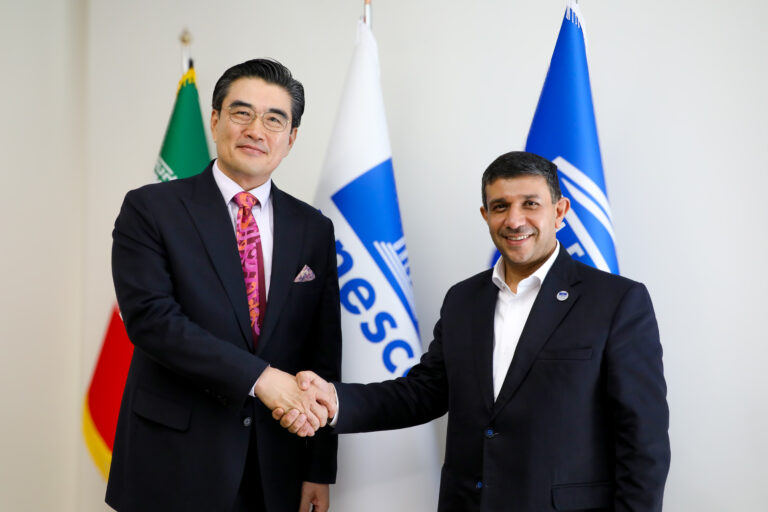
Fartousi referred to the achievements of international cooperation, stating: “Despite the sanctions, we were able to secure US$7 million from South Korea through UNESCO’s mediation and equip a centre in Karaj for technical and vocational education and training. Work is also underway in the Social and Human Sciences sector on women’s and youth employment.”
He added that Creative Cities and Learning Cities provide suitable platforms that, if their capacities are effectively utilized, can indirectly contribute to the country’s economic interactions. “If the Iranian cultural sphere once flourished in global civilization, it was precisely when it opened itself to cultural interaction with the world.”
Fartousi also noted that one of the Commission’s centres in Isfahan is affiliated with the Isfahan Technology Town. “Last week, Iranian knowledge-based companies and UNESCO representatives gathered there to exchange views on scientific and international cooperation,” he said.
He added that a representative of the Ministry of Culture would also attend the General Conference in Samarkand. The concept of Book-Friendly Cities had been discussed with the Ministry of Culture and had received a positive response. “From now on, we will see greater interaction between the Ministry of Culture and UNESCO,” he stated.
During multilateral meetings between the Minister of Culture and representatives of other countries, Mongolia had expressed an interest in learning the Persian language from Iran. Dr. Salehi Shariati had responded: “If you learn Persian, you will be reminded of part of Mongolia’s history and civilization dating back to the Ilkhanid period.”
At a meeting with Egypt, several areas of future cooperation were also discussed, particularly cultural translation and Iranian novel writing.
Fartousi further stated: “Another initiative we are pursuing is the inclusion of World Persian Language Day in UNESCO’s calendar, and we hope these efforts will bear fruit. In the 77-year history of UNESCO, this would be an exceptional achievement, particularly given the Organization’s policy of reducing the number of international days. We already have World French Language Day, World English Language Day, and World Arabic Language Day. World Greek Language Day has also been approved. We, too, are working to secure approval for World Persian Language Day.”
He continued: “We have held several consultation meetings with the relevant authorities at the Iranian National Commission for UNESCO. Numerous meetings have also taken place at our representative office in Paris, and extensive consultations and efforts have been undertaken to secure support from countries such as India, with the aim of ensuring that the Persian language is represented in the international calendar.”
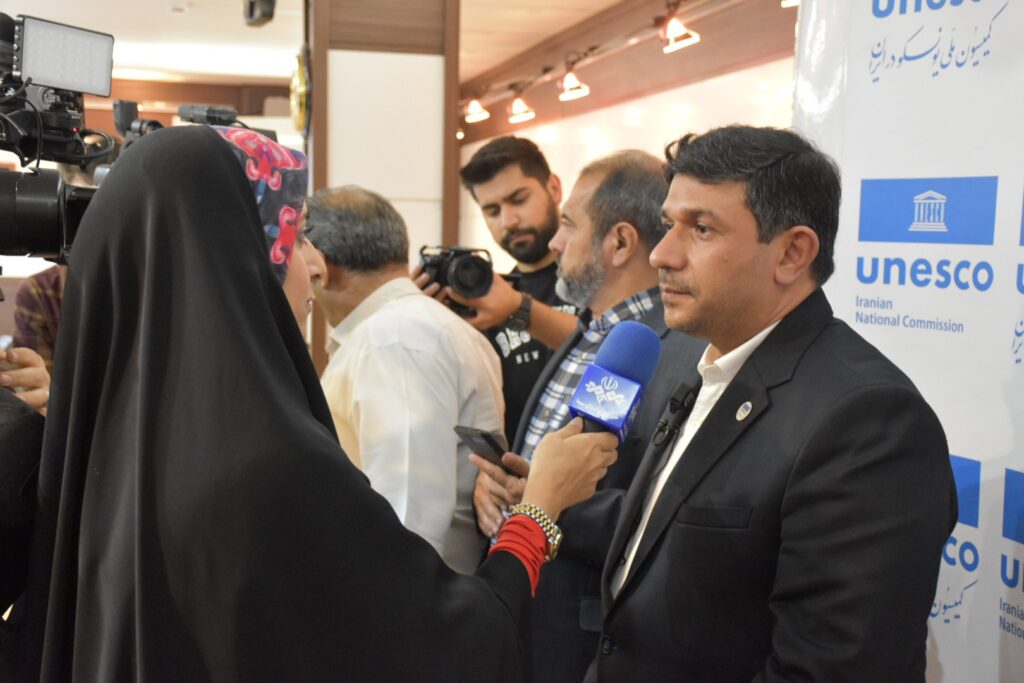
Combating Scientific Apartheid and Supporting Scientists
In response to a question about scientific apartheid resulting from sanctions, Fartousi stated that the term “scientific apartheid” was highly accurate and had first been introduced by the Special Rapporteur on Palestine at the Human Rights Council. He noted that documented evidence points to the existence of systematic discrimination in the scientific sphere.
He emphasized: “At UNESCO, we have a program called ‘Health and Protection of Scientists’ Freedom,’ and we are calling for this issue to be addressed more seriously.”
He added that sanctions had prevented even scientists from accessing many scientific articles. However, efforts had been made to mitigate these difficulties by drawing on UNESCO’s capacities and supporting the issuance of visas for Iranian scientists to participate in international forums.
Protecting Cultural Heritage in Conflict Situations and Establishing a Blue Shield Committee
Addressing measures taken in response to threats against Iran’s nuclear facilities that could have placed historic cities at risk, the Secretary-General of the Iranian National Commission for UNESCO stated: “Under UNESCO’s regulations, cultural heritage must be protected from attacks during armed conflicts. In our capacity as the Iranian National Commission for UNESCO, we, together with the Minister of Cultural Heritage, Tourism and Handicrafts, have also corresponded with the Director-General of UNESCO regarding the protection of scientists’ lives and the country’s heritage.”
He explained that UNESCO had a mechanism known as the Blue Shield, established in cooperation with the United Nations to protect the world’s cultural heritage against military threats and natural disasters. “We are working to establish a national Blue Shield committee in Iran as well,” he said.
Oversight of UNESCO Clubs and Transparency in the Performance of Civil Society Organizations
Responding to a question about the suspension of UNESCO clubs, Fartousi stated that oversight mechanisms and the necessary enforcement measures were essential. He clarified that the suspensions had not been carried out secretly and that the relevant information had been published on the Commission’s official website to ensure public awareness.
He added that some media outlets had published analyses without contacting the Commission, whereas he had expected them to make inquiries first and conduct more thorough follow-up. UNESCO reports had identified violations by certain civil society organizations, and the Commission had been asked to suspend non-compliant clubs in order to safeguard the credibility of the network.
Fartousi continued: “Some organizations had established branches in other countries without prior notification, which is contrary to the applicable regulations. We simply reviewed and suspended the relevant authorizations to prevent violations from affecting professional clubs.”
He emphasized that civil society organizations could submit applications for review and that the assessment process was fully transparent and competitive. In principle, each authorization is valid for a maximum of two years, and its renewal is subject to a performance evaluation.
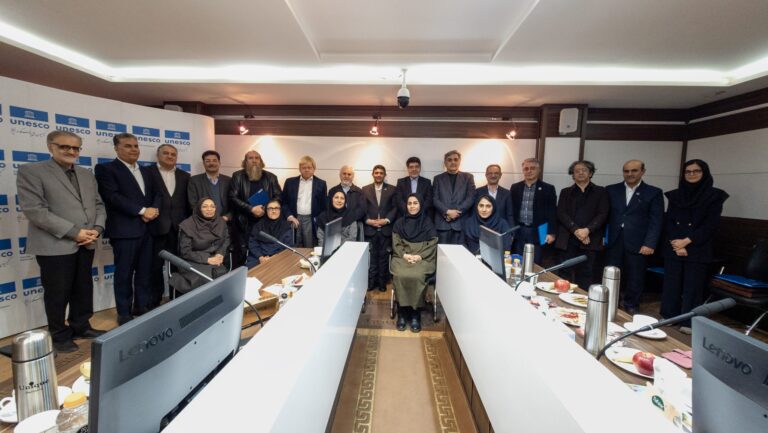
Concluding his remarks, Fartousi stated that the legal framework clearly identifies the relevant supervisory authorities: the Ministry of Interior for social organizations, the Ministry of Culture for cultural organizations, and the Ministry of Science for scientific associations. The Iranian National Commission for UNESCO evaluates active organizations and grants them temporary authorizations. “Our aim is to facilitate civil society activities within the framework of UNESCO’s regulations,” he said.
Fartousi emphasized that UNESCO’s mandate is educational, scientific, and cultural, and that Iran must maintain its international engagement while keeping the banner of knowledge and culture flying high.