

Secretary-General of the Iranian National Commission for UNESCO Meets with Isfahan Governor; A Wake-Up Call for Iran’s Cultural Heritage
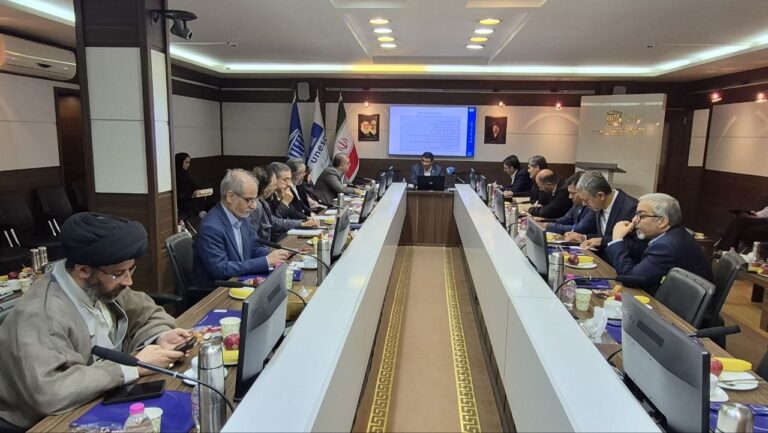
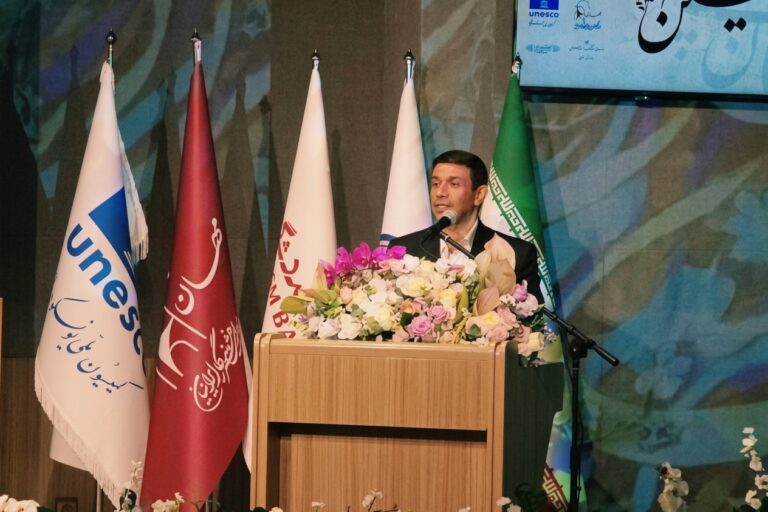
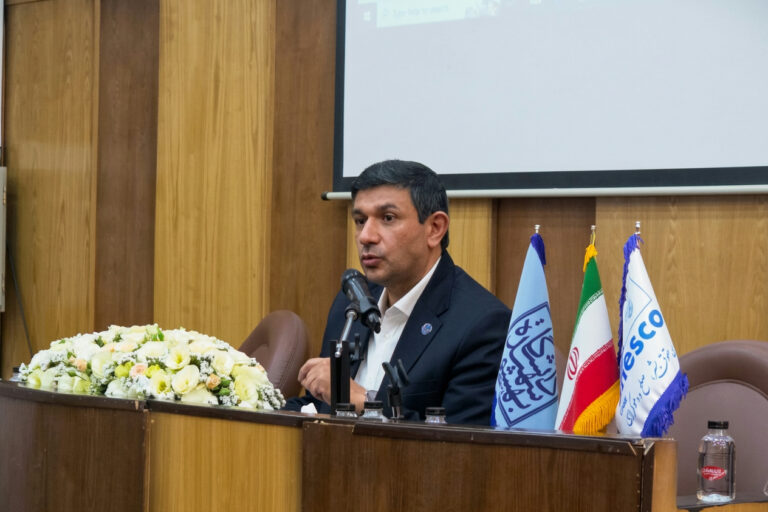
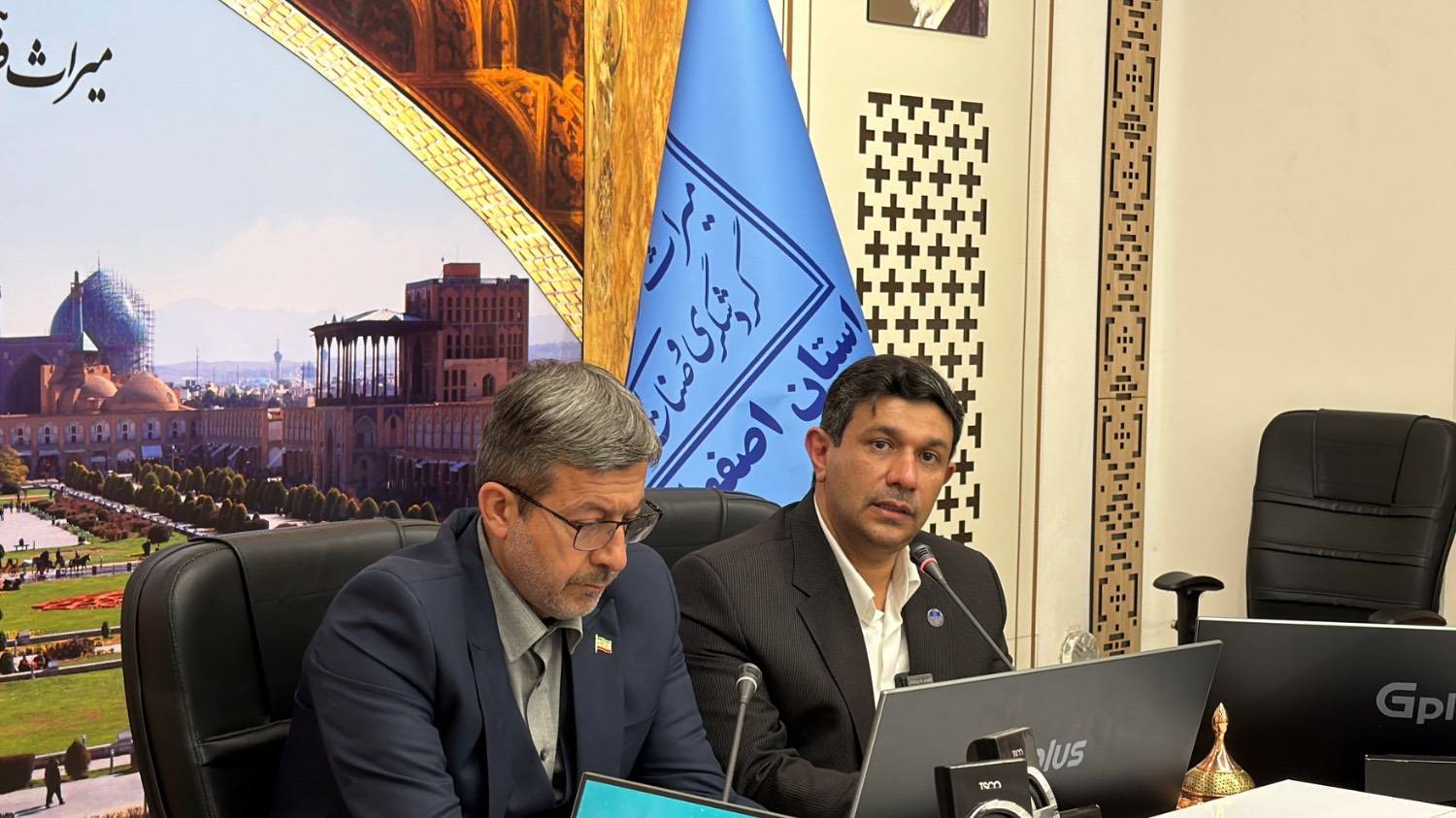
Emphasis on the Urgent Need for Global and National Action to Protect Historical Sites Amid Attacks: “Preserving Iran’s Identity Is the Top Priority” At a time when Iran’s valuable cultural heritage continues to face serious threats, Dr. Hassan Fartousi, Secretary-General of the Iranian National Commission for UNESCO, accompanied by a group of experts, met with Dr. Mehdi Jamalinejad, Governor of Isfahan. The meeting followed field visits to Isfahan’s unique historical sites, including Ashraf Hall, Chehel Sotoun Palace, the Museum of Decorative Arts, Imam Square, and Rokn al-Molk Mansion. Discussions emphasized the need for a swift and decisive response from the international community, alongside stronger domestic measures to protect these national treasures. |
Isfahan Governor Warns: War Against Knowledge and Identity
The Governor of Isfahan described the recent attacks on scientific and historical sites as “a war against knowledge and identity” and called for a more active role by the international community and UNESCO. He also emphasized the importance of documentation and media coverage to prevent further damage to cultural heritage.
Extent of the Damage: From Scientific Infrastructure to Historical Monuments
Referring to the scale of the recent attacks, Dr. Fartousi stressed that the threats extend beyond historical monuments to scientific infrastructure, universities, and schools. He expressed concern over this trend and commended cultural heritage experts for their efforts to undertake initial restoration measures under difficult circumstances.
He also referred to UNESCO’s swift condemnation of certain attacks and highlighted the role of the country’s science and cultural diplomacy in drawing international attention to the situation.
UNESCO’s Capacities and International Mechanisms
Highlighting the capacities of UNESCO, the Secretary-General of the Iranian National Commission for UNESCO noted that mechanisms such as the “Blue Shield” and “Enhanced Protection” could be activated. It was also announced that, at Iran’s request, a meeting of the Hague Convention would be held on 1 April.
Iran’s Response and Damage Documentation
Emphasizing the importance of active cultural diplomacy, Dr. Fartousi announced that detailed documentation of the damage had begun to support legal follow-up. He also referred to the allocation of funds for damage compensation and plans to submit comprehensive reports to international media.
Challenges and Urgent Protective Measures
The meeting further emphasized that a final assessment of the damage would not be possible while the crisis continued, and that initial protective measures must be prioritized. It was also reported that Rokn al-Molk Mansion had sustained the most extensive damage among the sites visited.
The Role of the Iranian National Commission for UNESCO in Raising Global Awareness
In conclusion, Dr. Fartousi stressed the role of the Iranian National Commission for UNESCO in drawing international attention to the situation, underscoring the importance of thorough documentation, media cooperation, and international follow-up in safeguarding the country’s cultural heritage.