The First Environmental Event for Student Environmental Advocates, Commemorating the Student Martyrs of Shajareh Tayyebeh School in Minab, Was Held
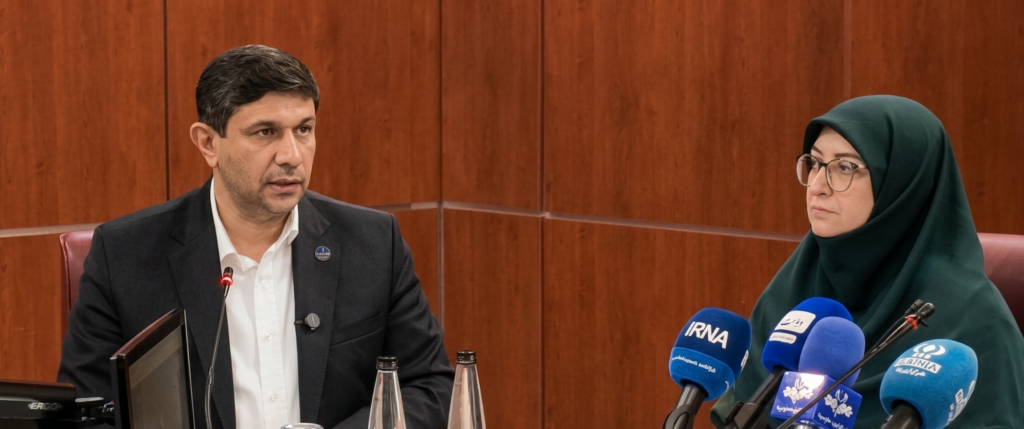
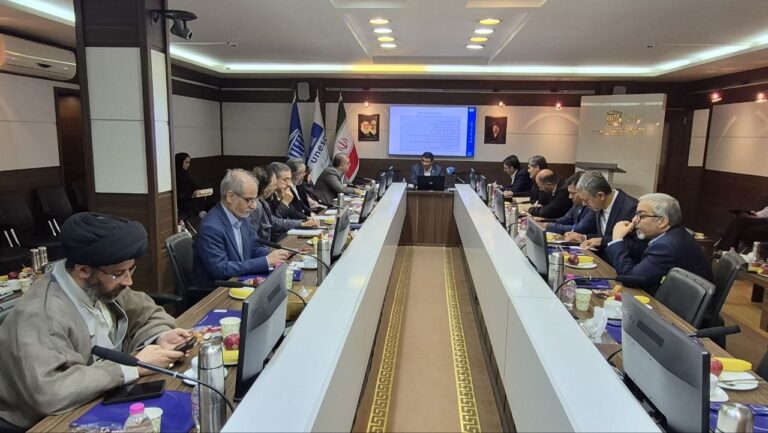
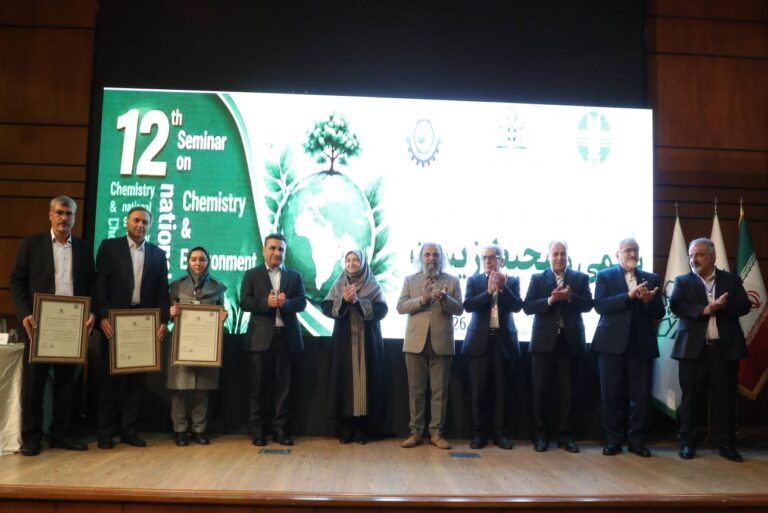
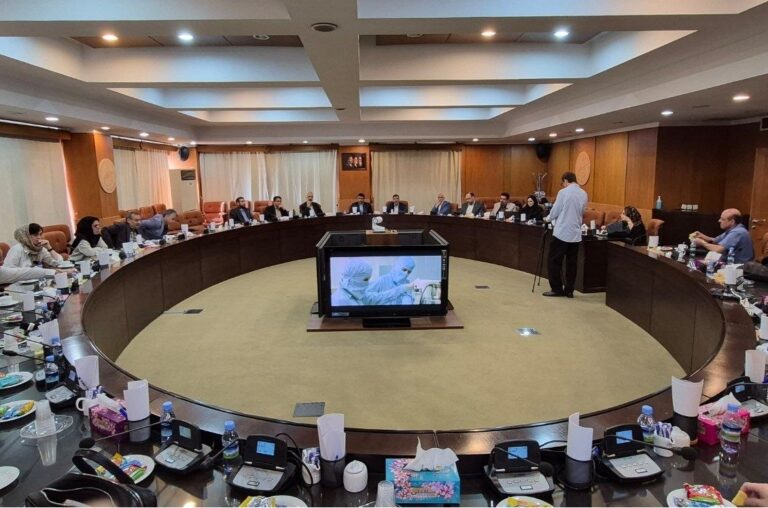
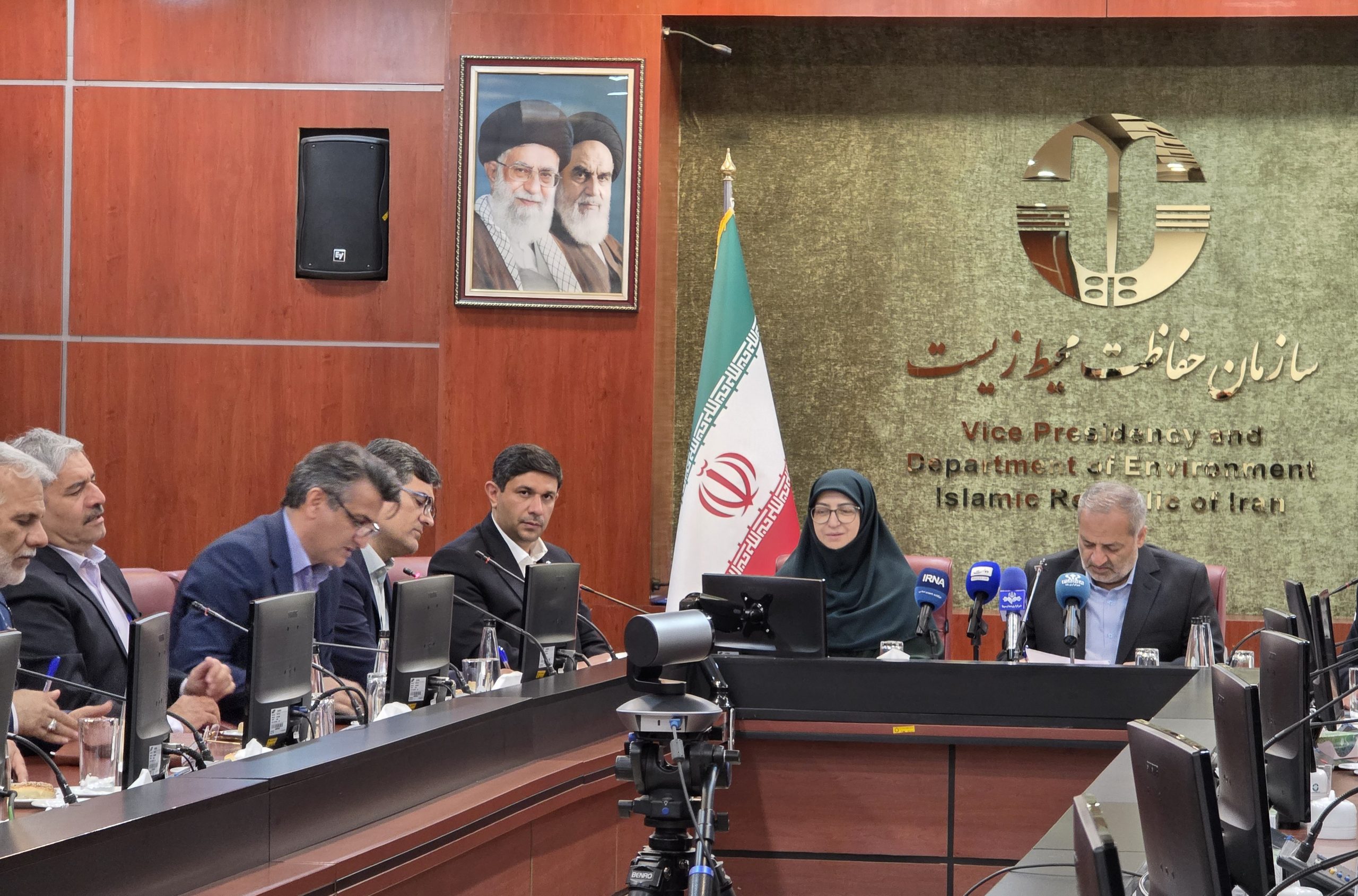
| The first environmental event for “Mohit-Yar” (Student Environmental Advocates) was held on 3 May 2026, with the participation of Dr. Alireza Kazemi, Minister of Education; Dr. Shina Ansari, Vice President of Iran and Head of the Department of Environment; Dr. Hassan Fartousi, Secretary-General of the Iranian National Commission for UNESCO; Dr. Askar Jalalian, Deputy Minister of Justice for International Affairs and Human Rights; and a number of other officials. The event was hosted by the Department of Environment and Dr. Hadi Kiadaliri, Deputy Head of the Department of Environment for Education and Public Participation. |
The event was organized as part of the National Environmental Advocates Program in primary schools across the country. Aimed at enhancing environmental literacy and fostering a culture of environmental protection among students, the program was launched nationwide in October 2025. Developed jointly by the Department of Environment and the Ministry of Education, the initiative emphasizes strengthening students’ understanding of environmental issues and fostering a responsible relationship with nature.
Dr. Alireza Kazemi, Minister of Education, highlighted the importance of the environment at the ceremony, stating that the world faces major challenges, including environmental crises, that could threaten the very foundations of human life.
Emphasizing the role of education in embedding a culture of environmental protection, he noted that environmental education holds an important place in both formal and informal school curricula, and that schools provide the best setting for turning norms into a shared public culture. Referring to the “Mohit-Yar” program, he added that, as a student network, the initiative could pave the way for social activism, identity-building, and students’ active participation in environmental affairs. In this regard, the Ministry of Education is prepared to expand technical and vocational schools offering specializations related to the environment.
Dr. Shina Ansari, Head of the Department of Environment, also emphasized the role of students in promoting environmental awareness. She stated that students are the most effective group in fostering a culture of environmental protection. Accordingly, the National Environmental Advocates Program has been revised in cooperation with the Ministry of Education since February 2025. To date, more than 557,000 students have registered for the program and are actively participating across the country. Highlighting the need for public participation in addressing environmental issues, she stressed that environmental challenges cannot be resolved without society’s involvement and that students can play an important role in this process.
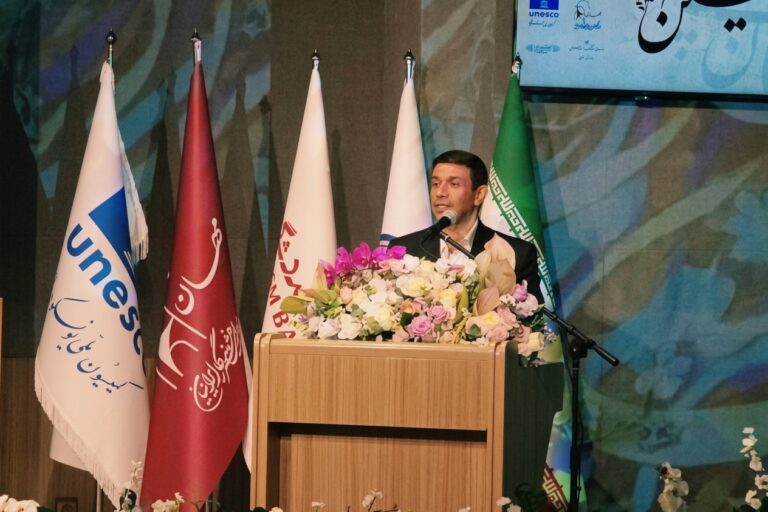
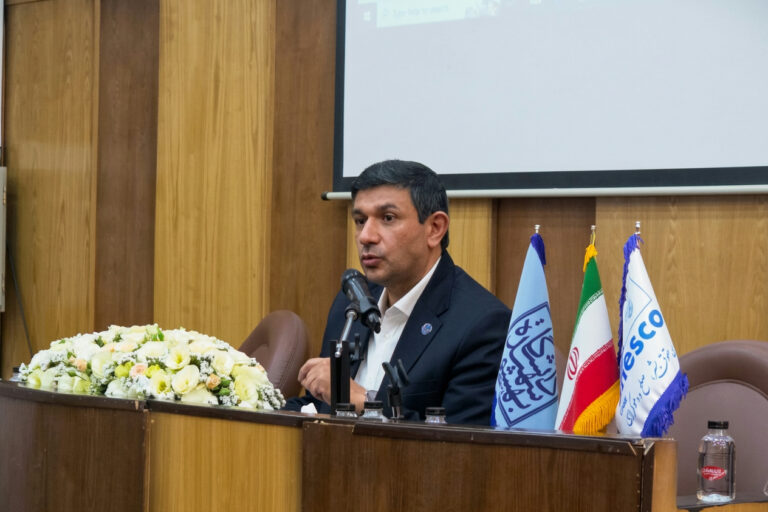
The Secretary-General of the Iranian National Commission for UNESCO highlighted the significance of the initiative, describing the Environmental Advocates Program as a valuable example of adapting environmental education to the national context through effective cooperation among government bodies. He noted that the initiative demonstrates the country’s considerable potential for cross-sectoral collaboration and could serve as a successful model for expanding environmental education at the regional level.
He also underscored the connection between this approach and the global Sustainable Development Goals, explaining that environmental education is not merely about transferring knowledge, but also about shaping attitudes, ethics, and responsible behavior, ultimately leading to changes in lifestyle. He noted that this approach supports goals such as Quality Education and Climate Action within the framework of the United Nations Sustainable Development Goals.
Another key point emphasized at the ceremony was that students, as future environmental ambassadors, have an important role to play in promoting responsible behavior throughout society. Strengthening experiential and participatory learning was identified as a way to bring about lasting changes in public attitudes toward the environment. The continuity and evaluation of the program, along with the use of innovative educational tools, were also highlighted as essential to its success.
At the conclusion of the event, the Iranian National Commission for UNESCO reaffirmed its support for educational initiatives in the field of the environment and expressed its readiness to play a more active role in expanding international cooperation and strengthening environmental education programs.
For the full text of the Secretary-General of the Iranian National Commission for UNESCO’s speech, please refer to this link.
.