Exploring Areas of Cooperation Between Iran’s National Commission for UNESCO and the Central Bar Association
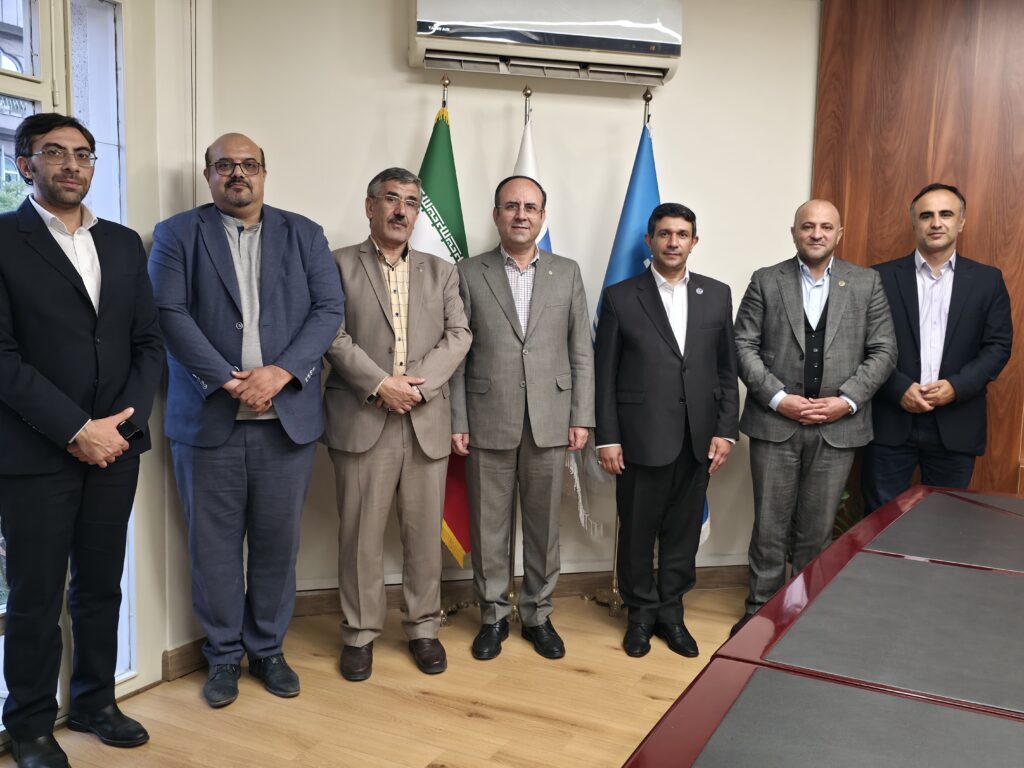
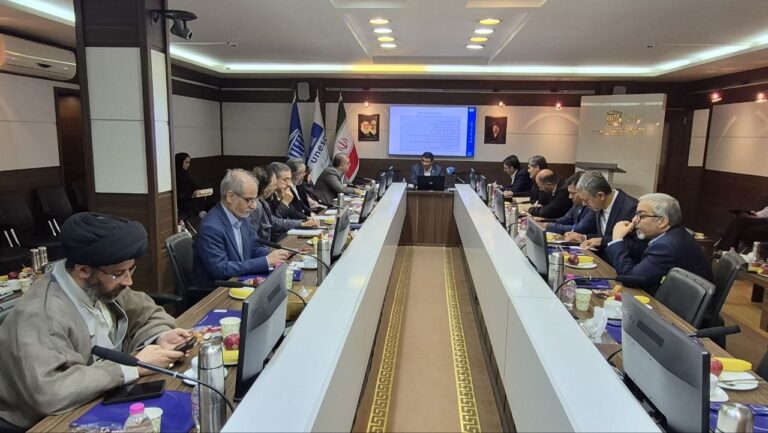
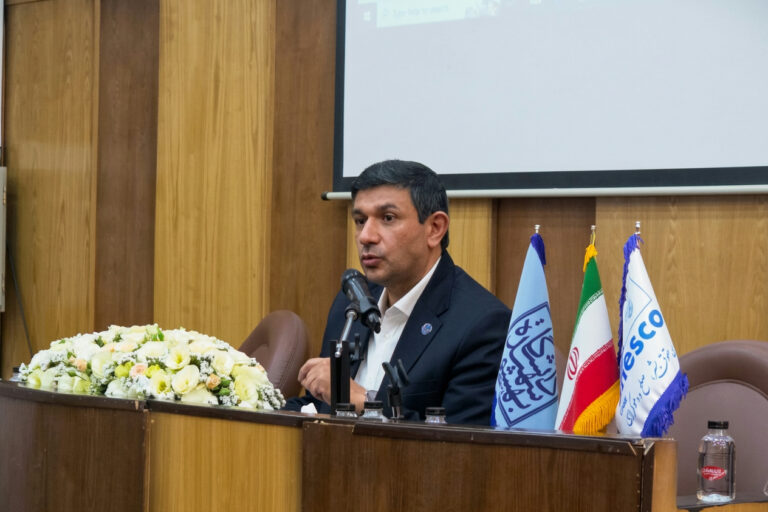
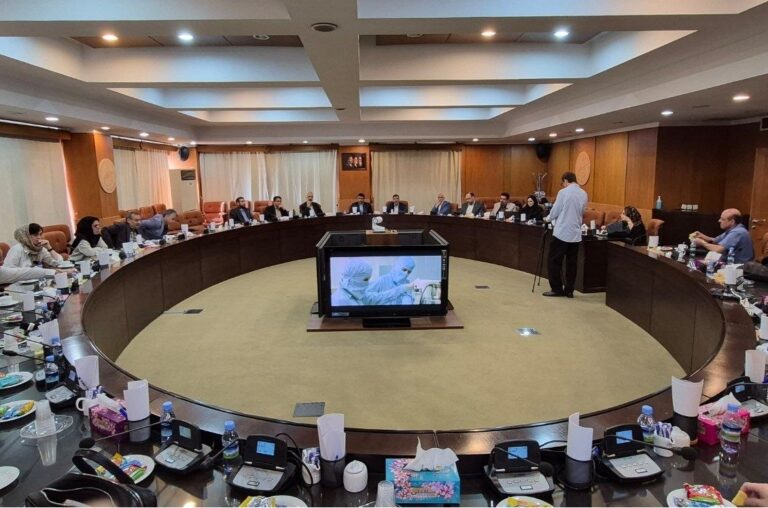
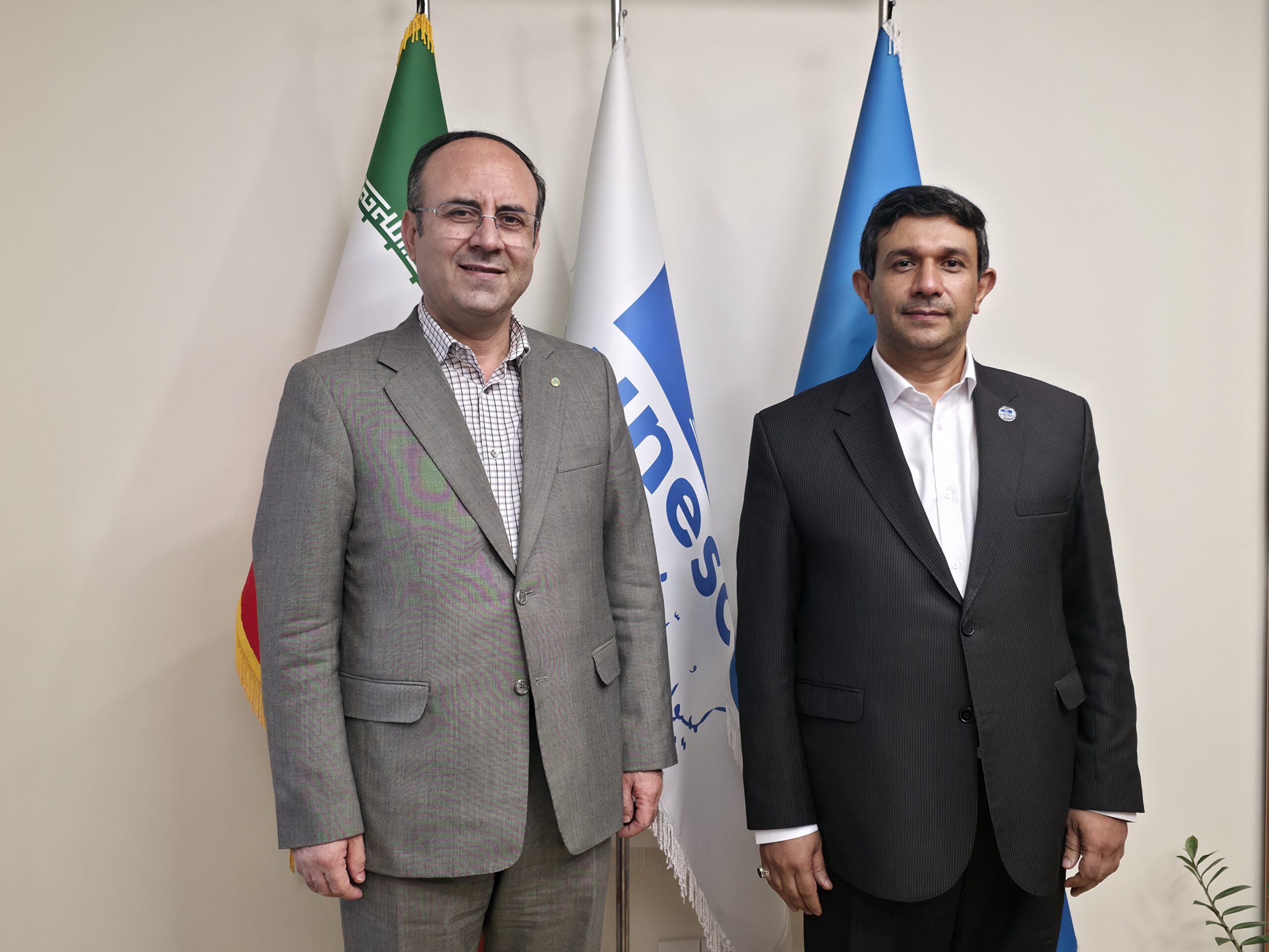
The Board of Directors of the Central Bar Association visited Iran’s National Commission for UNESCO and met with Dr. Hassan Fartousi, Secretary-General of Iran’s National Commission for UNESCO. During the meeting, they discussed and exchanged views on ways to expand cooperation and leverage the shared capacities of the two national institutions in the legal, educational, scientific, and international fields.
During the meeting, potential areas of cooperation in human rights, peace and democracy, education and research, as well as UNESCO’s Management of Social Transformations (MOST) Program, were explored. The participants emphasized the need to identify shared capacities and create opportunities for more effective engagement among specialized, scientific, and civil society institutions.
The potential use of the Central Bar Association’s scientific and professional expertise in connection with UNESCO Chairs in human rights, peace and democracy, as well as the National Committee on Civil Rights and Peace, was also discussed.
Furthermore, in light of the Central Bar Association’s capacity as a civil society and non-governmental organization, the participants explored opportunities for engagement in scientific and non-governmental activities, as well as participation in and interaction with international forums and networks. The strategic use of the country’s legal community’s expertise to strengthen the Islamic Republic of Iran’s scientific and professional presence on the international stage was another key topic of discussion.
Other topics discussed included the development of educational and professional cooperation, taking advantage of international academic opportunities and scholarships, and strengthening the capacities of specialists in areas such as international law, the law of the sea, underwater law, the protection and restitution of cultural property, and the safeguarding of the country’s cultural heritage.
The meeting highlighted the capacity of Iran’s National Commission for UNESCO to connect the country’s scientific, professional, and civil society capacities with UNESCO’s international programs and networks. The use of this capacity to expand scientific and professional cooperation with professional and civil society organizations was also emphasized.
At the conclusion of the meeting, Dr. Mohammad Shah-Mohammadi, President of the Central Bar Association; Dr. Ali Sadri-Khanlou, Vice President; and Dr. Babak Jafari, a member of the Association’s Board of Directors, emphasized the importance of continuing discussions and following up on practical avenues for cooperation between Iran’s National Commission for UNESCO and the Central Bar Association. It was agreed that the capacities and proposals raised would be examined and pursued through specialized mechanisms, in line with the respective mandates of the two national institutions.