UNESCO Chair in Disaster Risk Reduction Education and Resilience Inaugurated at Kharazmi University
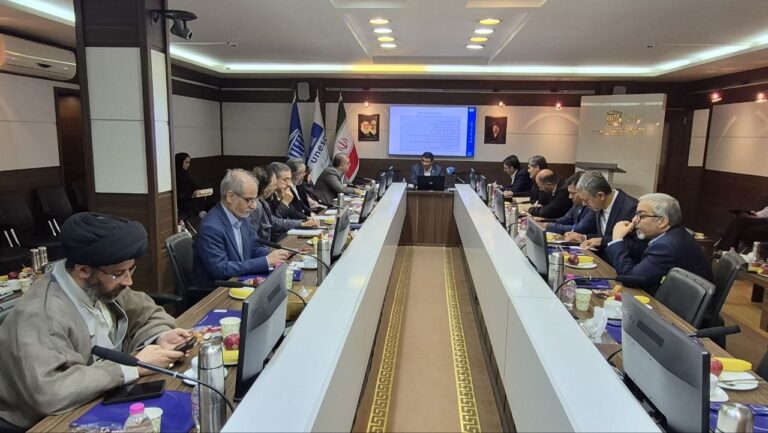
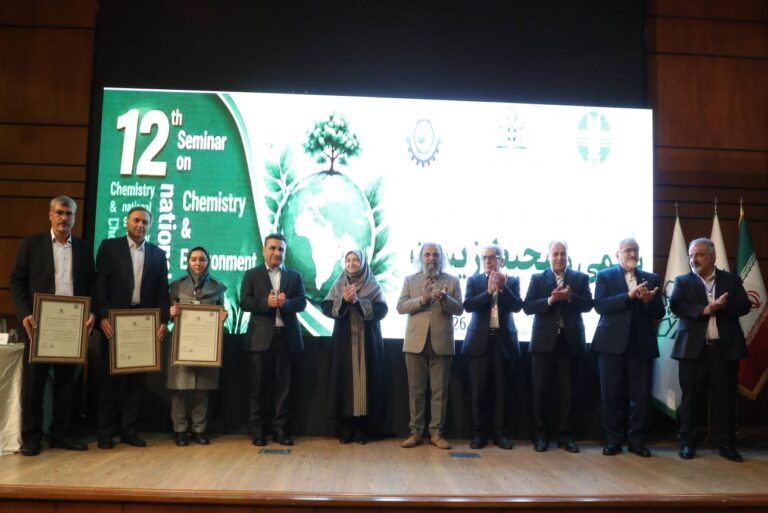
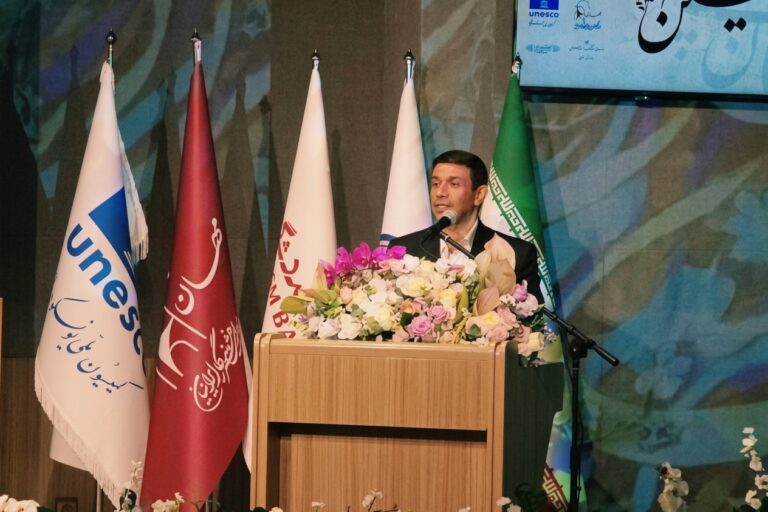
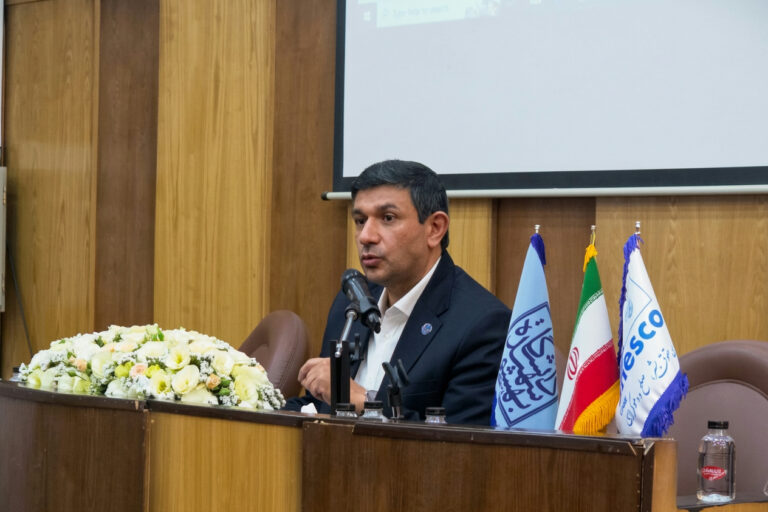
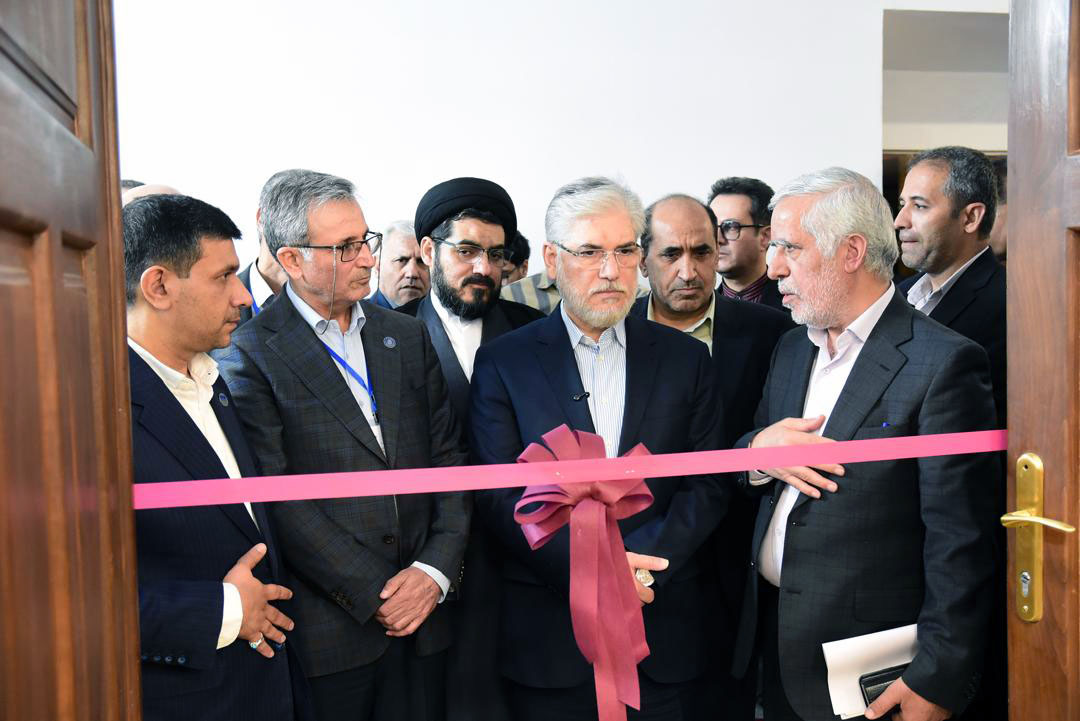
The UNESCO Chair in Disaster Risk Reduction Education and Resilience at Kharazmi University was inaugurated on 22 September 2026, in conjunction with the 62nd Meeting of the Vice-Presidents for Research and Technology of the country’s universities, research institutes and higher education and research institutions. The ceremony was attended by Dr. Hossein Simaei Sarraf, Minister of Science, Research and Technology and President of Iran’s National Commission for UNESCO; Dr. Hassan Fartousi, Secretary-General of Iran’s National Commission for UNESCO; Dr. Bijan Abdollahi, President of Kharazmi University; and Dr. Seyed Mahmoud Fatemi-Aghda, Deputy Minister and Head of the Geological Survey and Mineral Exploration of Iran, who also serves as Chairholder.
Hosted by Kharazmi University’s Institute of Applied Natural Disasters and Risk Management and chaired by Dr. Seyed Mahmoud Fatemi-Aghda, the UNESCO Chair will work to develop scientific, research and educational cooperation in disaster risk management and enhance resilience at the national and regional levels.
Promoting and strengthening cooperation among universities, research and educational institutions, and organizations and agencies responsible for risk management and disaster risk reduction is one of the Chair’s main areas of focus. It will also pursue research cooperation, implement educational programs and expand outreach activities among academic centers and specialized organizations.
Knowledge and Experience Exchange Among Academic Institutions in the Region
Other areas of activity include strengthening interaction among research and higher education institutions, faculty members and talented students in disaster risk management, and creating opportunities for the exchange of experience, knowledge, techniques and theoretical and practical skills among countries in the region.
Promoting a Culture of Safety and Risk Reduction
Within this framework, the Chair will seek to foster an integrated and inclusive culture of disaster safety through the enhancement of educational programs, the conduct of applied research and the development of disaster risk reduction plans.
Drawing on international standards, the experience of developed countries and national achievements, the UNESCO Chair at Kharazmi University also aims to strengthen the disaster risk reduction system and enhance scientific and operational capacities at the national and regional levels.