A Global Tragedy for Humanity’s Heritage: Approximately 160 Iranian Cultural Heritage Sites Damaged in Recent Attacks
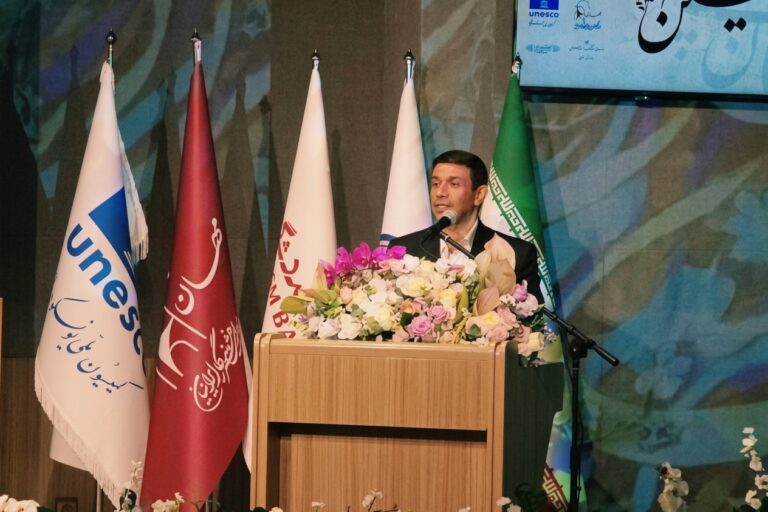
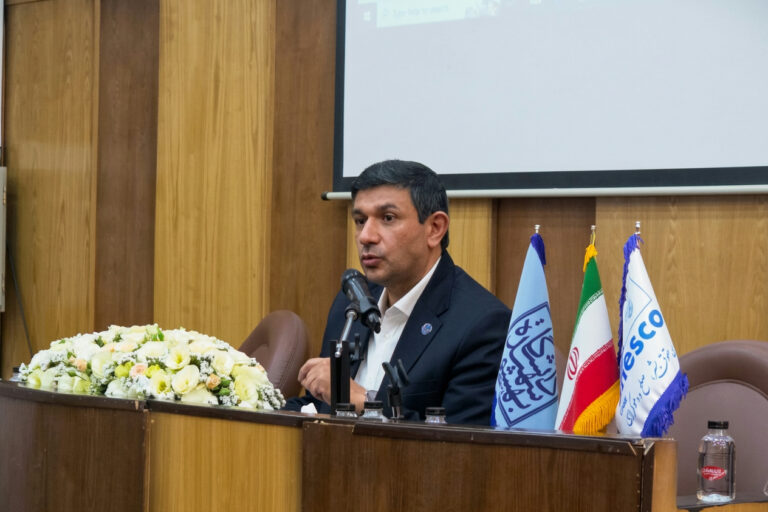
Dr. Hassan Fartousi, Secretary-General of Iran’s National Commission for UNESCO, reported that approximately 160 of the country’s cultural and historical heritage sites have been damaged. He described the damage as “a catastrophe for human identity,” noting that its implications extend beyond Iran’s borders. |
Number of Damaged Sites Rises from 131 to Approximately 160
Dr. Hassan Fartousi, Secretary-General of Iran’s National Commission for UNESCO, reported extensive damage to the country’s cultural heritage, stating that approximately 160 cultural and historical sites and heritage properties in Iran had been damaged during the recent US-Israeli attacks. According to him, this incident represents a catastrophe not only for Iran but also for the cultural identity of humanity.
In an interview with Russia’s RT news network, the Secretary-General of Iran’s National Commission for UNESCO discussed the extent of the damage, stating that initial reports had identified 131 damaged cultural sites, but that the figure had risen to approximately 160 by the end of the ceasefire. These properties belong not only to Iran but also stand as symbols of human identity and the shared heritage of humanity.
Deployment of Expert Teams to Document the Damage
Referring to the measures taken to assess the damage, Fartousi added that Iran’s National Commission for UNESCO had dispatched teams to conduct field visits to affected areas. The cities of Sanandaj, Kermanshah, Khorramabad, Isfahan and Tehran were among the locations inspected. During these visits, the damage was meticulously documented, and the relevant records are being submitted to UNESCO for specialized assessments.
Fartousi added that these efforts were carried out in cooperation with the Ministry of Cultural Heritage, Tourism and Handicrafts. The primary objective is to facilitate the deployment of international UNESCO experts to conduct specialized damage assessments. He noted that UNESCO experts, particularly World Heritage specialists, are expected to travel to Iran to conduct field inspections, provided that security conditions permit.
450- to 600-Year-Old Heritage Properties: Damage That Cannot Be Quantified
The Secretary-General of Iran’s National Commission for UNESCO also addressed the challenges involved in assessing damage to historical properties, stating that these sites are irreplaceable. Some of these structures date back 450 or even 600 years, including the Timurid Hall in Isfahan. Consequently, determining the financial value of such heritage is extremely difficult and requires cooperation between domestic and international experts.
Limitations of Restoration: Original Authenticity Can Never Be Fully Restored
Emphasizing the limitations of restoration, Fartousi noted that even if these properties are restored, their original authenticity can never be fully recovered. This underscores the catastrophic consequences of the damage inflicted on the world’s cultural heritage.
In conclusion, Fartousi expressed regret over the damage, emphasizing that, regrettably, in 2026, the world’s irreplaceable cultural heritage continues to be subjected to attacks. He stressed that these losses affect not only Iran but all of humanity.