Emphasis on Strengthening Cultural Diplomacy and Cross-Sectoral Cooperation in the Post-War Period
The Secretary-General of Iran’s National Commission for UNESCO, speaking at a joint meeting with representatives of executive agencies and the UNESCO Tehran Office, emphasized the need to strengthen scientific and cultural diplomacy. The Secretary-General described the role of this international organization in rebuilding trust, expanding cross-sectoral cooperation, and fostering regional understanding in the post-war period as pivotal and strategic. |
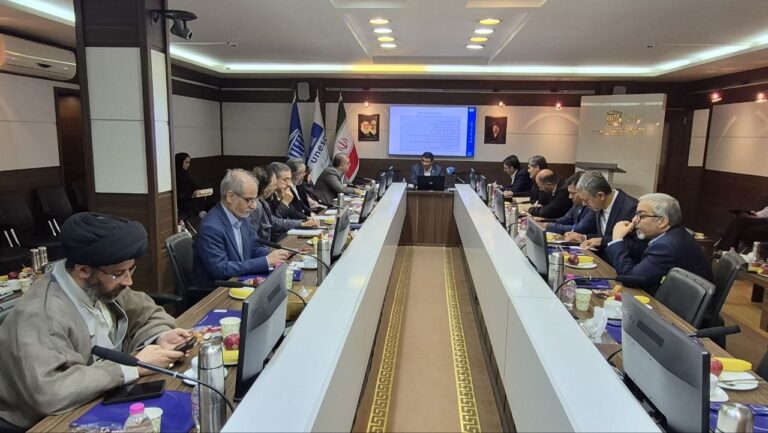
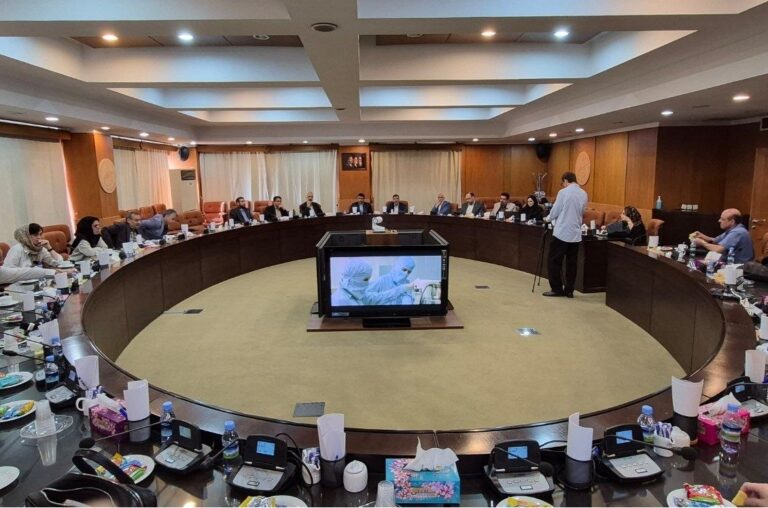
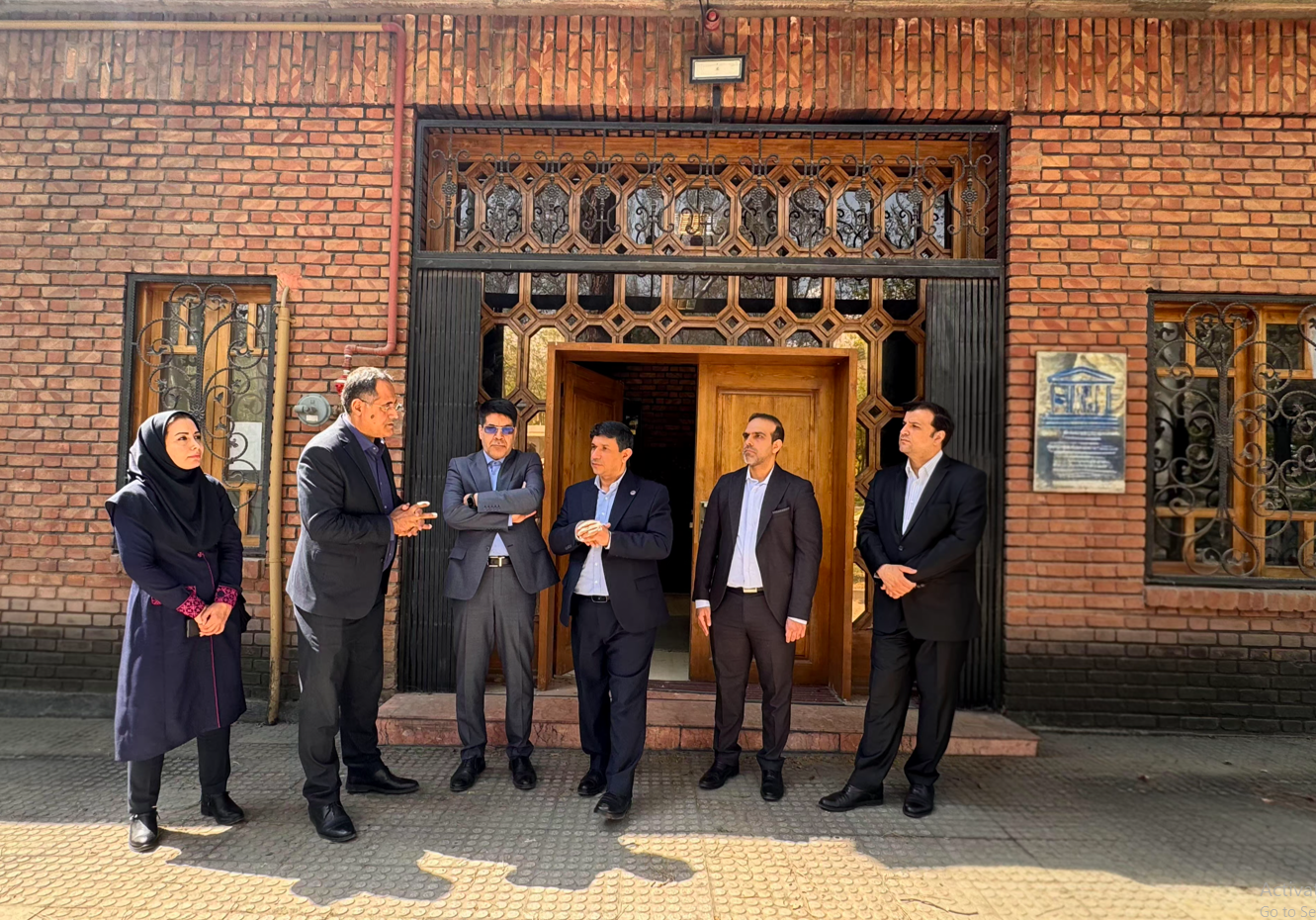
 At a joint meeting of Iran’s National Commission for UNESCO with representatives of the Ministry of Foreign Affairs, the Ministry of Cultural Heritage, Tourism and Handicrafts, and the UNESCO Tehran Office, held on Saturday, 18 April, at the UNESCO Office, participants emphasized the need to strengthen cross-sectoral cooperation and enable UNESCO to play a more active role in the post-war context.
At the meeting, the Secretary-General of Iran’s National Commission for UNESCO highlighted the importance of building bridges among relevant organizations in the exceptional circumstances following the crisis. The Secretary-General also underscored the decisive role of the National Commission in fostering synergies between domestic institutions and UNESCO. Participants agreed that focusing on shared cultural, scientific and educational interests could lay the groundwork for understanding and constructive engagement at the regional and international levels.
UNESCO: A Voice for Regional Understanding
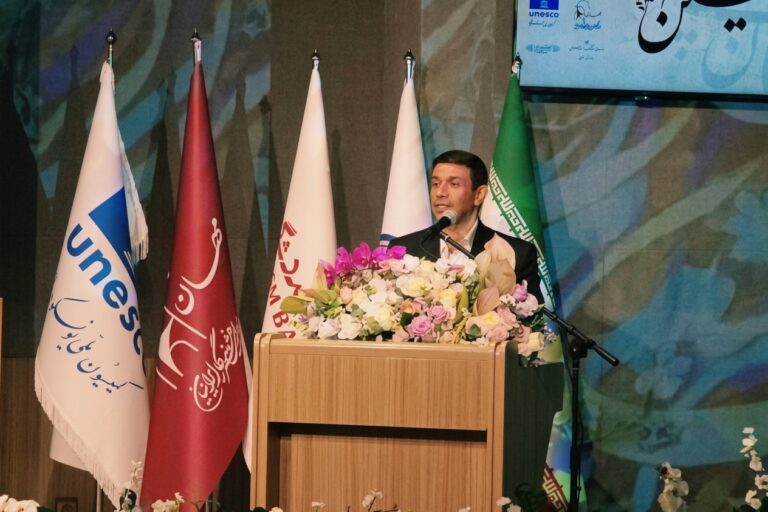
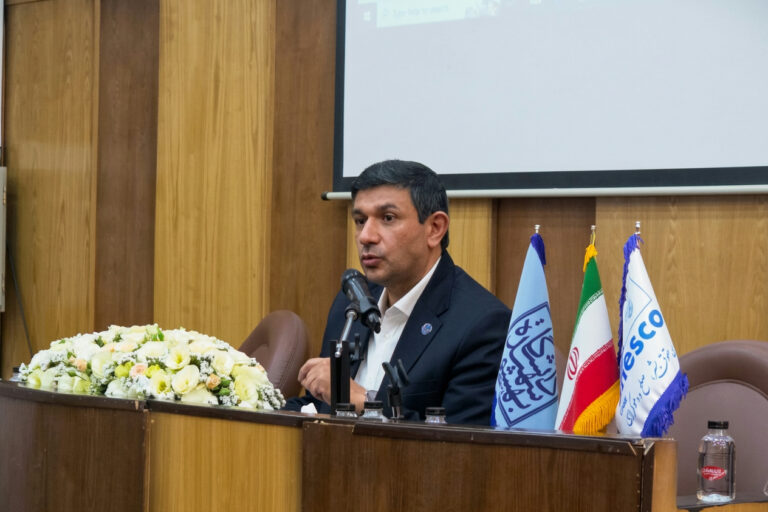
Dr. Hassan Fartousi, Secretary-General of Iran’s National Commission for UNESCO, emphasized the need to establish a clear vision for scientific and cultural diplomacy, stating that the role of Iran’s National Commission for UNESCO as a voice for regional understanding must be strengthened in the post-war period.
He added that despite certain differences and tensions among governments, cultural, scientific and educational capacities can continue to provide a foundation for sustainable and constructive cooperation between countries.
The Role of Cultural Engagement in Rebuilding Trust
The meeting also highlighted the importance of cultural and artistic activities, as well as scientific and academic exchanges, as effective platforms for strengthening cooperation. Fartousi noted that these forms of engagement could play a vital role in rebuilding trust and developing regional relations, and that UNESCO should assume a more active facilitating role in this process.
Another part of the meeting focused on crisis management in both peacetime and crisis situations. Representatives emphasized that cooperation mechanisms with UNESCO should be designed to enable rapid, effective and coordinated responses under both circumstances.
The Need for a Comprehensive Damage Assessment
The meeting then addressed the assessment of damage to cultural and educational infrastructure. Referring to the fact that UNESCO had not dispatched a mission to Iran to conduct an assessment, participants stressed the need for a comprehensive field assessment covering all affected sites.
They also emphasized that the safety of experts and headquarters staff must be prioritized when carrying out such missions. According to the representatives present, all damaged sites—including cultural heritage properties, research institutes, universities and educational centres—should be examined, and assessments should not be restricted to a limited number of specific locations.
Participants also referred to field visits conducted during the war, describing them as evidence of domestic institutions’ efforts to document events accurately and assess the situation on the ground. They stressed the importance of continuing these efforts.
The Need to Make Use of International Support Mechanisms
The meeting also discussed “Enhanced Protection.” Participants emphasized the need for certain institutions to complete the relevant forms and take the necessary steps. Experts noted that completing the required documentation and establishing the conditions needed to expedite access to these international protection mechanisms should be a priority.
Call for an Official Statement from UNESCO
At the conclusion of the meeting, the representative of the Ministry of Foreign Affairs called for an official statement by the UNESCO Director-General regarding the recent attacks and the damage inflicted on historical, cultural and scientific sites. The request took on added significance in light of the World Health Organization’s response in similar circumstances.
Participants further stressed that the matter should be followed up through the Head of the UNESCO Tehran Office, and that the necessary measures to strengthen cooperation and rebuild capacities should be placed on the agenda.
The meeting concluded with an emphasis on continuing dialogue, strengthening cross-sectoral cooperation, and enabling UNESCO to play a more active role in advancing cultural and scientific diplomacy at the regional level.