

Fartousi: Attacks on Schools May Constitute War Crimes; Emphasis on Legal Action in Response to the Minab Tragedy
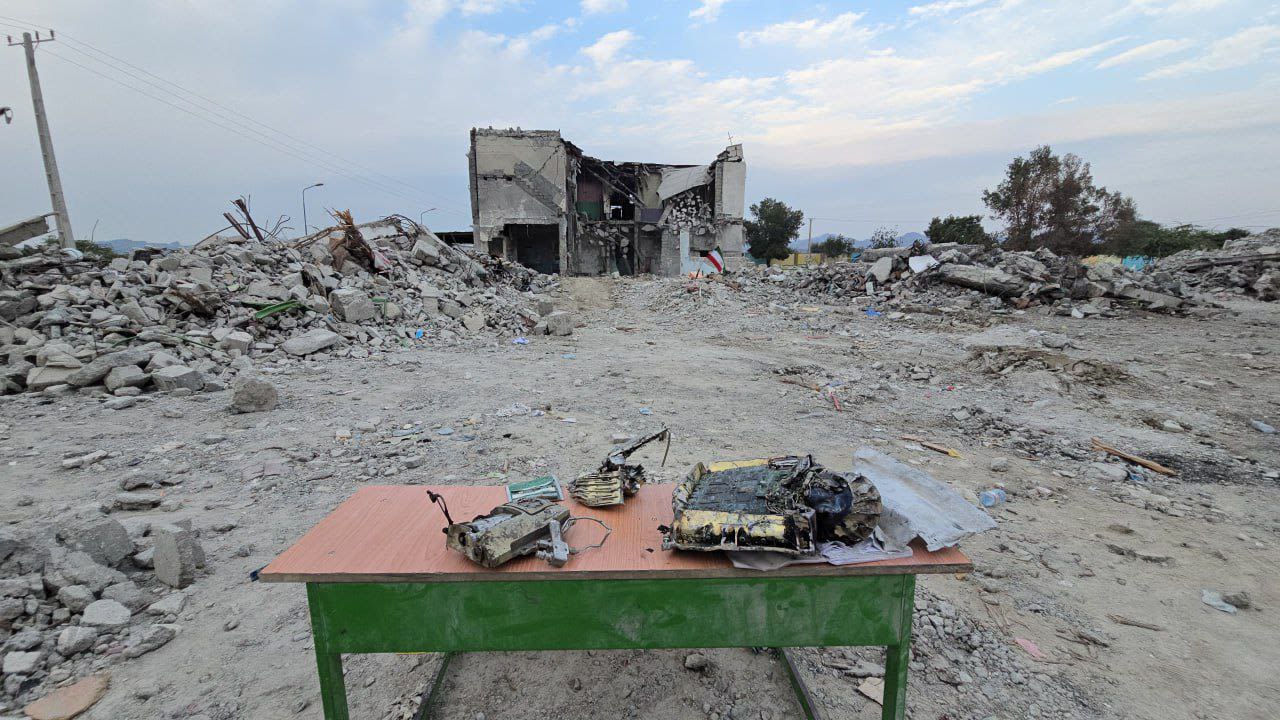
| The Secretary-General of the Iranian National Commission for UNESCO stated at a specialized meeting examining the Minab school tragedy that attacks on educational facilities may constitute war crimes under international law, emphasizing the need to document the incident and pursue legal action. |
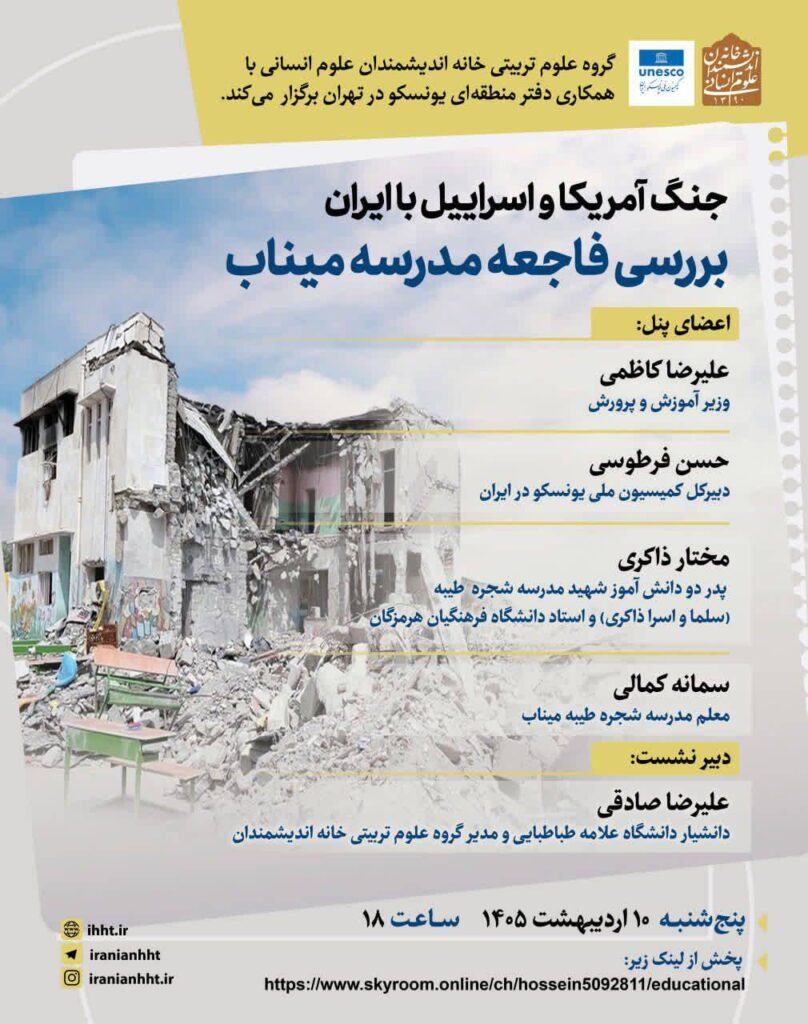
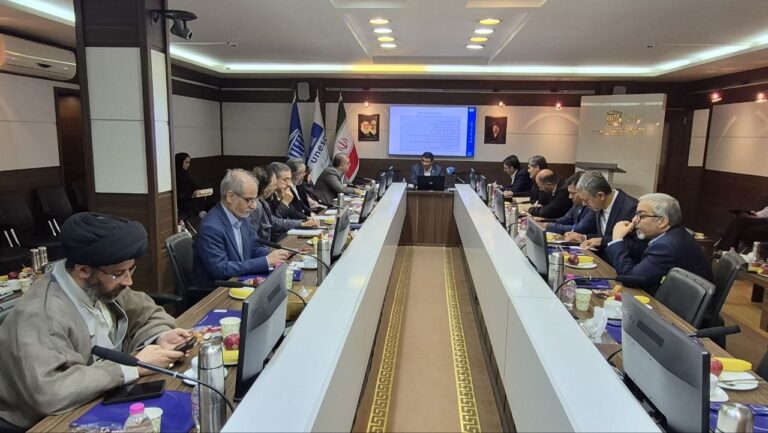
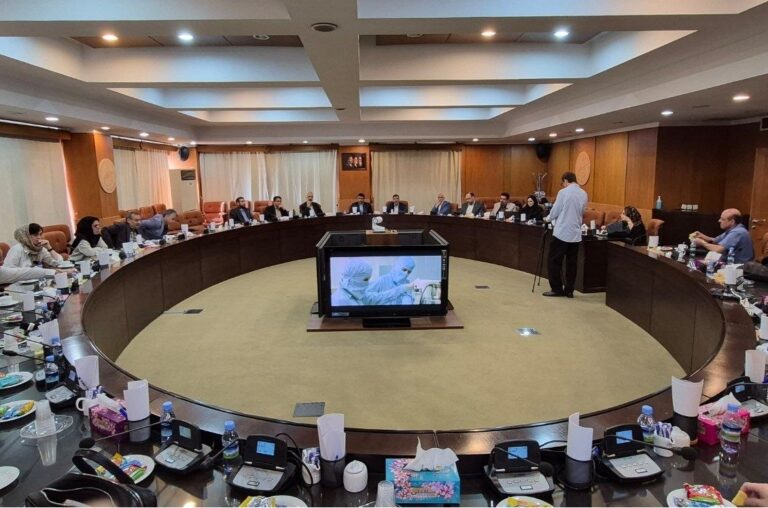
The specialized meeting entitled “The US-Israeli War Against Iran and an Examination of the Minab School Tragedy” was held online on Thursday, 30 April 2026, at 18:00. The meeting was organized by the Department of Educational Sciences at the House of Humanities Thinkers, in cooperation with the Iranian National Commission for UNESCO.
The panel included Dr. Hassan Fartousi, Secretary-General of the Iranian National Commission for UNESCO; Dr. Rezvan Hakimzadeh, Deputy Minister of Education for Primary Education; Dr. Mokhtar Zakeri, father of two student martyrs from Shajareh Tayyebeh School in Minab, Salma and Esra Zakeri, and a professor at Farhangian University in Hormozgan; Samaneh Kamali, a teacher at the school; and Dr. Alireza Sadeghi, Associate Professor at Allameh Tabataba’i University and Head of the Department of Educational Sciences at the House of Humanities Thinkers.
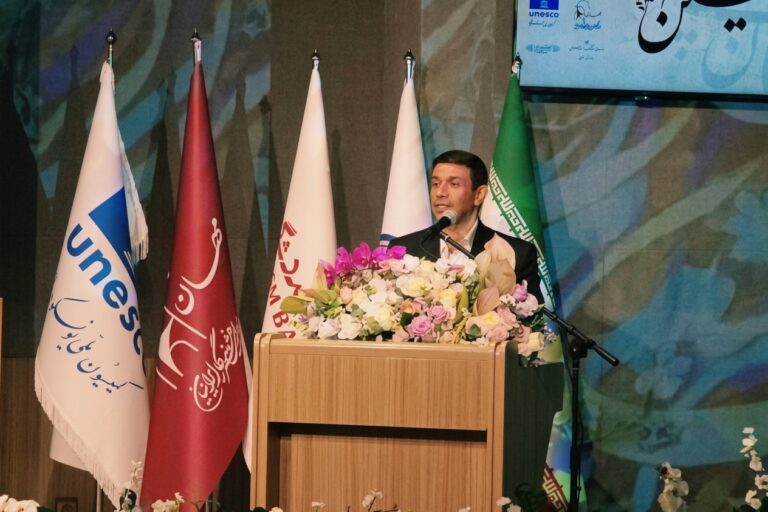
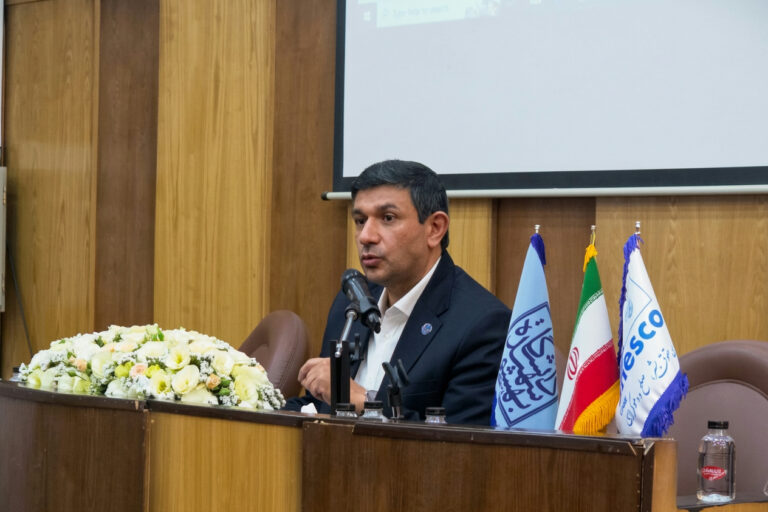
At the meeting, Dr. Hassan Fartousi addressed the human and international dimensions of the incident. He expressed his condolences to the victims’ families and emphasized the importance of keeping alive the memory and names of the children who lost their lives.
Referring to the response of international organizations, he stated: “Within less than 24 hours, UNESCO and other international bodies issued statements condemning the incident. The necessary documents and correspondence were also prepared by the responsible institutions and sent to international bodies, including those in New York.” He noted that this process demonstrated the emergence of a coordinated diplomatic and cultural effort to pursue the matter at the global level.
Documentation: A Prerequisite for Legal Action at the International Level
The Secretary-General of the Iranian National Commission for UNESCO identified thorough documentation of the incident as one of the most important requirements for pursuing the case. He emphasized that collecting evidence, images and field reports plays a decisive role in informing and persuading global public opinion, as well as pursuing legal action before international bodies.
Emphasizing the civilian nature of the targeted site, he added that a school, as an educational facility with a clearly defined purpose, must be protected against any attack, and establishing this fact is fundamental to legal proceedings.
Addressing the legal dimensions of the incident, Fartousi stated that attacks on schools, particularly in situations of armed conflict, may constitute serious violations of children’s rights and, in certain cases, may be examined as war crimes.
He stressed that making use of international legal mechanisms, including the International Criminal Court, requires the preparation of well-documented, precise and admissible case files, which must be pursued with due diligence.
Emphasis on Protecting Schools and Children’s Rights
The Secretary-General of the Iranian National Commission for UNESCO went on to emphasize the need to comply with international conventions, including the Convention on the Rights of the Child and the Geneva Conventions. He stated that protecting educational facilities and ensuring students’ physical and psychological safety are among the fundamental obligations of states in times of crisis.
He also highlighted the importance of international instruments and declarations, such as the Safe Schools Declaration, noting their role in promoting norms that safeguard education.
Education in Times of Crisis: The Need to Strengthen Resilience
Referring to the psychological and educational consequences of such incidents, Fartousi stressed the need to strengthen the resilience of students and teachers. He stated that crisis-management skills, greater human rights awareness and expanded safety education should be incorporated into educational programs.
He also underscored the role of families, the media and civil society organizations in providing responsible information and preventing the spread of rumors.
Continuity of Education from the Perspective of the Education System
Dr. Rezvan Hakimzadeh, Deputy Minister of Education for Primary Education, who attended the meeting on behalf of Dr. Kazemi, Minister of Education, also emphasized the importance of maintaining educational continuity during crises. She stated that the educational process must not be interrupted and that teachers play a key role in sustaining hope and social stability under such circumstances. She described the continuation of education as part of safeguarding the country’s future and scientific progress.
Firsthand Accounts and Emphasis on Continuity of Education
At the meeting, the other panel members also shared their perspectives on the human, educational and social dimensions of the incident. They emphasized the need to maintain educational continuity during crises, the role of teachers in sustaining hope, and the importance of accurately documenting and recounting what had occurred.
The meeting also underscored that attacks on schools constitute a clear violation of children’s rights and educational values and must be pursued at the international level. In this regard, a combination of diplomatic action, legal documentation, and strengthened educational and psychological support was highlighted as the principal approach to addressing the crisis.